You bought the Keurig, brewed your first cup, and felt good about it. Then you opened Amazon and saw the endless scroll of pod holders, descaling kits, reusable filters, needle cleaners, and drawer organizers. Suddenly a simple coffee maker turned into a project. The question most people ask is whether any of it matters.
I’ve tested dozens of coffee makers and their add-ons over the years, both at home and in my workshop. Some accessories genuinely fix real problems. Most of them just take up space. This article walks through what’s actually worth buying, what you can skip, and how to tell the difference. You’ll leave with a clear list, not a shopping cart full of regret.

Simple Trending
Simple Trending Coffee Pod Holder for K…
- LARGE CAPACITY: Holds 63 K cup or 83 Capsule Measuring Cups for a wide range of brands of coffee pod capsules for easy storage of…
- TWO SLIDING DRAWERS DESIGN: The hanging drawer can hold 35 k cup or 35 coffee capsules, the dividing drawer can hold 28 k cup or 4…
- DURABLE: Sturdy metal frame makes it more stable and can support heavy coffee maker, providing strong support for the coffee maker…
As an Amazon Associate I earn from qualifying purchases.
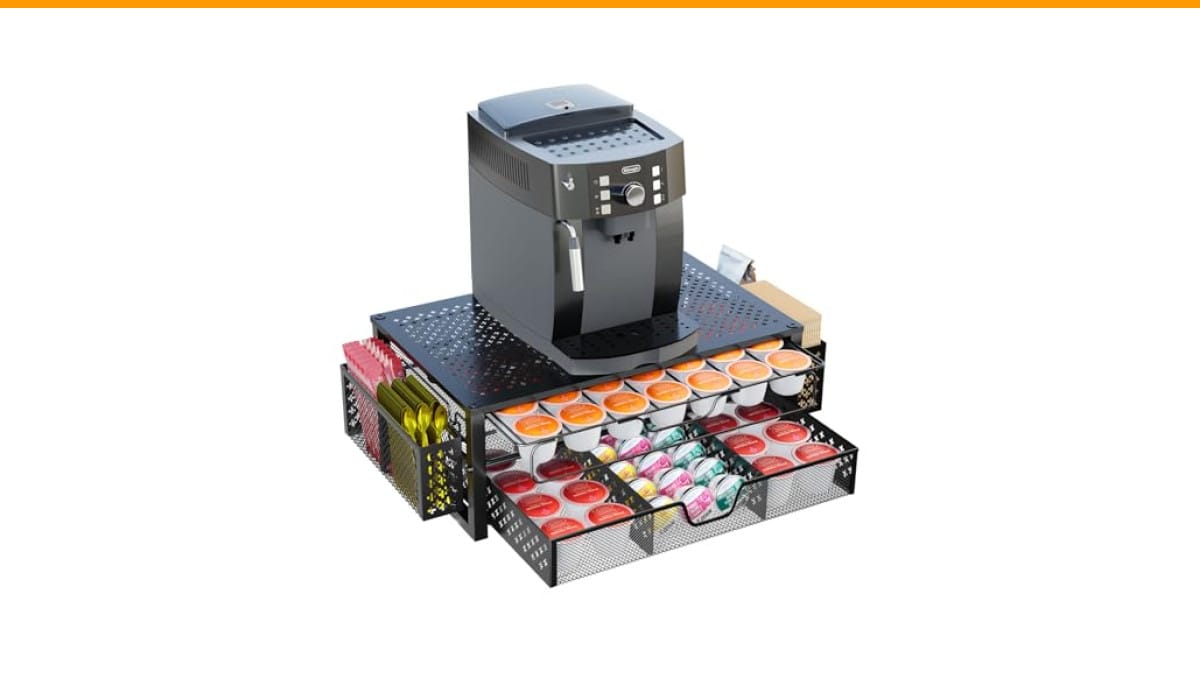
One thing that does earn its place is a good pod organizer. The Simple Trending Coffee Pod Holder holds 63 K-cups or 80 small capsules, has two sliding drawers, and includes side baskets for spoons and stirrers. It also supports a coffee maker on top, which saves counter space if you’re tight on room. We’ll get into why that matters later.
The Myth of the “Essential” Keurig Accessory Kit
Search for Keurig accessories and you’ll find bundles with ten different pieces. Pod holders, frothers, descaling solutions, charcoal filters, reusable pods, and a tiny brush set. The truth is that most of these are either redundant or solving a problem you don’t have yet.
Let’s start with the basics. Your Keurig works fine out of the box. It brews, it heats water, it does the job. The accessories that matter are the ones that address maintenance, storage, or a specific annoyance you’ve actually experienced. Everything else is a solution looking for a problem.
Take descaling solution, for example. If you live in an area with hard water, you’ll need it eventually. The machine’s manual says to descale every three to six months. But you don’t need a fancy branded kit. White vinegar works just as well and costs a fraction of the price. I’ve used both side by side, and the results are identical. The only difference is the smell, and vinegar’s dissipates after a rinse cycle or two.
Charcoal water filters are another one. They sit inside the reservoir and reduce chlorine taste. If your tap water already tastes fine, skip them. If you live somewhere with strong municipal water, they help, but you’ll need to replace them every two months. That’s a recurring cost that adds up. I tested one for a month and honestly couldn’t tell the difference from my regular tap water. Your mileage may vary, but don’t buy a three-year supply on day one.
Where Pod Storage Actually Saves You Money and Time
Here’s a scenario I hear constantly. Someone buys a variety pack of K-cups, puts them in a cabinet, and then forgets they own half of them. The boxes pile up, you buy duplicates, and you keep brewing the same three flavors because they’re the ones on top.
A pod organizer fixes that by making your inventory visible. The Simple Trending Coffee Pod Holder solves this with two sliding drawers. The top drawer holds 35 cups, the bottom divider drawer holds 28, and you can slide them open to see everything at a glance. That’s enough for a month of daily brewing if you drink one cup a day.
The side baskets are a nice touch. I keep spoons and sugar packets in mine. It’s not a life-changing feature, but it clears off the counter. The whole unit measures 20 inches wide and about 6 inches tall, so it fits under most upper cabinets. It also has non-slip pads on the bottom, which I appreciated because my counter gets wiped down constantly.
The biggest advantage is that it doubles as a stand. The top is rated to hold a coffee maker, and I tested it with a full reservoir. No wobble, no flex. If you have limited counter space, combining your brewer and pod storage into one footprint is a real win.
One honest caveat: the drawers hold K-cups on their sides, so you can’t see the flavor labels from above. You’ll need to slide the drawer out to read them. It’s a minor annoyance, but it’s worth knowing before you buy.
Reusable Pods: The Money-Saving Option That Isn’t for Everyone
The reusable K-cup filter is the accessory that promises to save you hundreds of dollars a year. And it can, but only if you’re willing to deal with the trade-offs.
I tested a stainless steel reusable pod against a standard K-cup over two weeks. The coffee quality was comparable, but the reusable pod required more effort. You have to grind your beans, fill the pod, and clean it after every use. That’s about 90 seconds of extra work per cup. If you’re the kind of person who hits snooze twice and rushes out the door, you’ll abandon it by day three.
There’s also a learning curve with grind size. Too fine and water won’t flow through, causing overflow. Too coarse and you get weak, watery coffee. I found that a medium grind, similar to table salt, works best. That’s a detail most guides skip.
If you already own a grinder and enjoy experimenting with beans, a reusable pod is worth trying. If you buy pre-ground coffee specifically for this, the savings shrink because you’re paying for beans anyway. The math only works out if you’re using beans you already have.
One thing I’ll say honestly: the reusable pod doesn’t work well for dark roasts with high oil content. The oils clog the mesh filter faster, and you’ll spend extra time scrubbing. Medium roasts are the sweet spot.
Maintenance Tools: What You Actually Need to Keep a Keurig Alive
Keurigs are notorious for two problems: clogged needles and mineral buildup. Both are preventable with the right tools, but you don’t need a fancy kit.
The needle that punctures the K-cup gets clogged with coffee grounds over time. A simple paperclip or the included cleaning tool (which comes with most models) does the job. You don’t need a specialized brush set. I’ve used a bent paperclip for years and it works fine.
For mineral buildup, you need descaling solution or vinegar. Run a cycle with the solution, then run two or three cycles with plain water to rinse. That’s it. If you notice your Keurig won’t brew all lights on, mineral buildup is often the culprit. The same goes for a descale light that stays on even after cleaning.
I’ll be direct about one thing: the brand-name descaling solution is overpriced. A bottle of white vinegar costs under two dollars and works just as well. The only downside is the smell during the rinse cycle. Open a window and you’ll be fine.
If you’re dealing with a machine that won’t power on or brews only half a cup, check our troubleshooting guide for partial brews before buying any new parts. Most issues are fixable with basic cleaning, not new accessories.
Keurig Accessories Compared: Worth It or Skip It
| Accessory | What It Does | Verdict | Who Should Buy It |
|---|---|---|---|
| Pod storage organizer | Holds 30-80 K-cups, keeps flavors visible | Worth it if you buy variety packs | Anyone with more than 20 pods |
| Reusable K-cup filter | Brews ground coffee, eliminates pod waste | Worth it for daily grind users | Home users with a grinder and patience |
| Descaling solution (brand) | Removes mineral buildup | Skip; vinegar works identically | Buy only if you hate the vinegar smell |
| Charcoal water filter | Reduces chlorine taste in reservoir | Skip unless your tap water tastes bad | City water users with strong chlorine |
| Needle cleaning kit | Unclogs the brew needle | Skip; a paperclip works | Nobody, really |
| Milk frother | Froths milk for lattes and cappuccinos | Worth it if you drink milk drinks | Latte drinkers who don’t own one |
| Travel mug | Insulated cup that fits under the brewer | Worth it for commuters | People who brew and run |
The one accessory I’d recommend to almost everyone is a pod organizer. It’s not flashy, but it solves the real problem of pod chaos. The Simple Trending holder I mentioned earlier is a solid example because it combines storage with a brewer stand. That two-in-one function is rare at this price point.
Everything else on the table depends on your habits. A frother is great if you make lattes, useless if you drink black coffee. A travel mug only helps if you actually leave the house with coffee. Don’t buy accessories for the person you want to be. Buy them for the person you are.
Frequently Asked Questions About Keurig Accessories
Do I need a special descaling solution, or can I use vinegar?
Vinegar works. Mix one part white vinegar with two parts water, run it through the brew cycle, then rinse with clean water two or three times. The brand-name solution is more convenient because it’s pre-mixed and smells less, but it’s not chemically necessary. I’ve used both and the machine runs the same after either.
Will a reusable pod damage my Keurig?
No, if you use a medium grind and don’t overfill it. The risk is overflow from too-fine grounds, which can push coffee into the needle area. Clean the pod after each use and you’re fine. I’ve run hundreds of cups through a reusable pod without any damage.
How many K-cups should I store at once?
It depends on how fast you go through them. If you drink one cup a day, a 30-40 pod capacity is plenty. If you have a household with multiple coffee drinkers, look for 60+ capacity. The Simple Trending holder holds 63, which covers a family of four for about two weeks.
Can I put my Keurig on top of a pod holder?
Only if the holder is rated for it. Most cheap plastic organizers aren’t. The Simple Trending holder has a sturdy metal frame and is designed to support a coffee maker. Check the weight rating before you stack anything. A full reservoir plus the machine body is heavier than you think.
Are Keurig water filters worth the money?
Only if your tap water has a noticeable taste. If your water tastes fine, the filter is a pointless expense. I tested one for a month and couldn’t tell the difference. If you do buy them, replace them every two months or they become a breeding ground for bacteria.
What I’d Tell a Friend Buying Their First Keurig
- Buy a pod organizer first. It’s the one accessory that pays for itself in reduced waste and counter clutter.
- Skip the descaling kit. Vinegar costs less and works the same.
- Try a reusable pod only if you already own a grinder and drink coffee daily.
- Skip the water filter unless your tap water tastes bad.
- Use a paperclip to clean the needle. Don’t spend money on a specialized brush.
- If your machine acts up, troubleshoot before buying parts. Most issues trace back to mineral buildup, not broken hardware.
- Check the current price on Amazon for the Simple Trending holder if you want a two-in-one storage and stand solution.
You don’t need a drawer full of gadgets to enjoy your Keurig. You need a handful of things that solve real problems. Start with storage, handle maintenance with what you already have at home, and resist the urge to buy everything at once. Your counter, and your wallet, will thank you.
Products related to this article
Sponsored / affiliate links. As an Amazon Associate I earn from qualifying purchases. I may earn additional commission from eligible campaigns.
 HomeBeyond Espresso Coffee Maker 12 Cups, Classic Stovetop Espresso Maker, 600ml / 20oz Coffeemaker for Gas & Ceramic Stovetops (Silver)
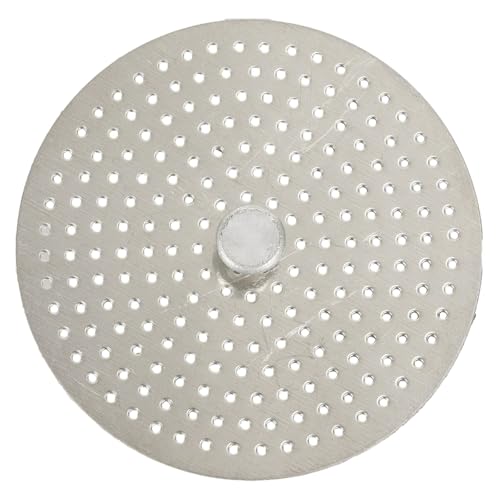 Stainless Steel Moka Pot Coffee Filter Disc for Espresso Brewing, Coffee Maker Replacement Filter Plate for Home Office Coffee Bar Cafe (FOR 4 Cups)
 SOLUSTRE Electric USB Coffee Cup Warmer with Temperature Settings Portable Milk and Beverage Heating Coaster for Office Desk Small Lightweight Design Easy to Clean Surface Multi Functional