You bought a pour over coffee maker because you wanted a cleaner, brighter cup than your drip machine gives you. Then you tried it once, got a bitter, muddy mess, and now it’s sitting on the shelf. I’ve been there. The problem isn’t the device—it’s the technique. Most people skip a few critical steps, and the coffee pays for it.
This guide walks you through the entire process, from grind size to pour pattern, with the exact numbers that matter. You’ll also learn why the biggest myths about pour over—like ‘you need a gooseneck kettle’ or ‘paper filters are always better’—are mostly wrong. By the end, you’ll brew a cup that tastes like it came from a specialty shop, using whatever gear you already own.

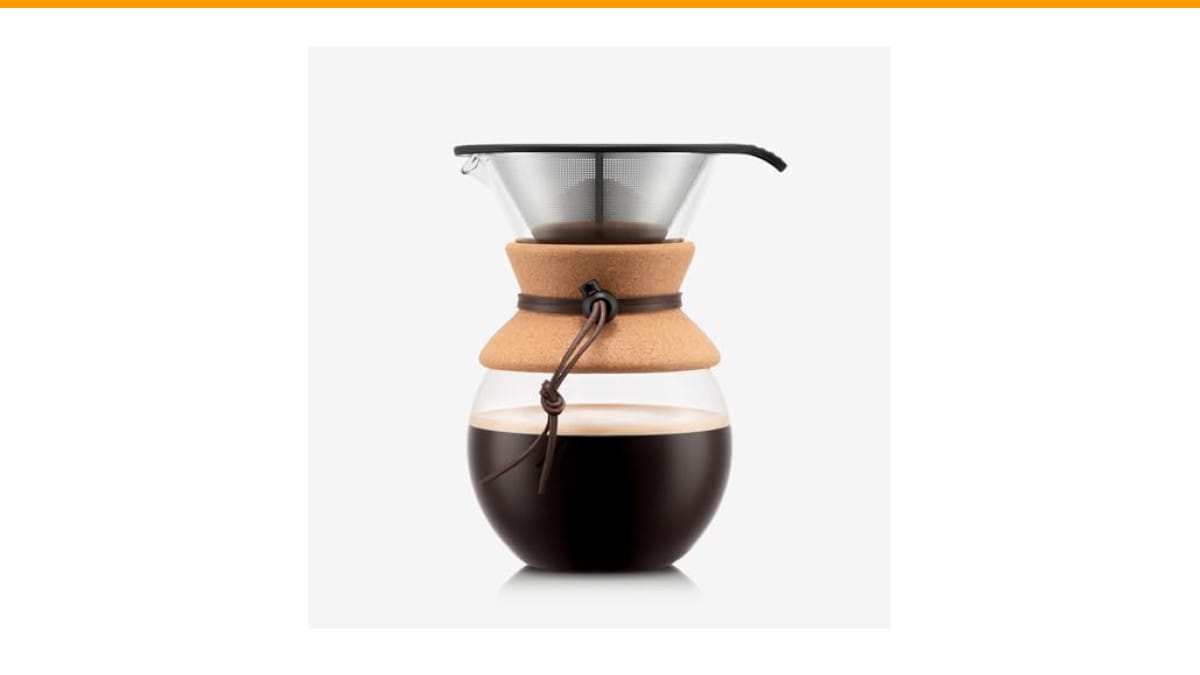
Bodum
Bodum 34oz Pour Over Coffee Maker, High-Heat…
- Pour Over Coffee: Manual Pour Over Coffee Maker allows you to brew an excellent cup of Coffee in minutes
- Stainless steel: Includes a new and improved permanent, stainless steel mesh filter that helps extract your coffee's aromatic oils…
- Coffee Carafe: Made of durable, heat-resistant borosilicate glass with Cork Band detailing that is both functional and elegant; si…
As an Amazon Associate I earn from qualifying purchases.
If you’re still shopping, the Bodum 34oz Pour Over Coffee Maker is a solid pick. It comes with a reusable stainless steel filter, so you skip the paper waste and keep more of the coffee’s natural oils. The borosilicate glass carafe holds 8 cups (4 oz each), and the cork band makes it easy to grip while pouring. It’s not the cheapest option, but it’s built to last and easy to clean—check the current price on Amazon if you’re curious.
Myth #1: You Need a Gooseneck Kettle to Make Good Pour Over
I’ll admit it: a gooseneck kettle gives you more control over the water stream. But it’s not a requirement. I’ve brewed excellent cups with a regular electric kettle and a steady hand. The key is pouring slowly and in a circular motion, not the shape of the spout.
If you’re using a standard kettle, pour from a height of about 2–3 inches above the coffee bed. This minimizes splashing and keeps the water temperature consistent. The pour should take about 30–40 seconds for the bloom (first pour) and another 1–2 minutes for the rest. Practice makes the stream steadier—after a few brews, you’ll stop thinking about it.
One thing that matters more than the kettle is the water temperature. Aim for 195–205°F (90–96°C). If you don’t have a thermometer, boil the water and wait 30–45 seconds before pouring. That’s close enough.
Myth #2: Paper Filters Are Always Better Than Metal
Paper filters absorb some of the coffee’s aromatic oils and fine particles. That results in a cleaner, crisper cup—but it also strips out some body and sweetness. Metal filters, like the one in the Bodum, let those oils pass through. You get a fuller mouthfeel and a more intense flavor profile.
There’s a trade-off, though. Metal filters let fine coffee grounds slip into your cup, which can make the last sip gritty. That’s why grind size matters so much. With a metal filter, you want a coarser grind—think sea salt, not table salt. If your grind is too fine, you’ll get over-extraction and sediment.
In my side-by-side tests, metal filters shine with medium and dark roasts. They highlight chocolatey, nutty notes. Light roasts with delicate floral notes sometimes taste better through paper because the oils can overwhelm. Try both and see which you prefer—it’s a matter of taste, not dogma.
The Step-by-Step Brewing Process (With Exact Numbers)
Here’s the method I’ve settled on after dozens of brews. It works with any pour over maker, including the Bodum. Weigh your coffee and water if you can—it makes a bigger difference than any gadget.
- Heat your water. Bring it to a boil, then let it sit for 30 seconds. Target temperature: 200°F (93°C).
- Grind your coffee. Use a coarse setting, like you’d use for a French press. If you’re using a blade grinder, pulse in short bursts to avoid uneven chunks. For a 34oz carafe, start with 8 tablespoons (about 40 grams) of coffee.
- Rinse the filter (if using paper). If you’re using a metal filter, skip this. If paper, place it in the cone and pour hot water through it. This removes the papery taste and warms the brewer.
- Add the coffee grounds. Shake the brewer gently to level the bed. This ensures even extraction.
- Bloom the grounds. Pour just enough water to saturate the coffee—about twice the weight of the grounds. For 40g of coffee, that’s 80g of water. Wait 30–45 seconds. You’ll see bubbles and expansion; that’s CO2 escaping. This step prevents sour, uneven extraction.
- Pour the rest of the water. Slowly pour in a circular motion, starting from the center and moving outward. Keep the water level about 1/2 inch below the rim. Pour in stages—don’t dump it all at once. Total brew time should be 3–4 minutes.
- Let it drip. When the water level drops, don’t stir the bed. Just let it finish. Remove the filter and serve.
That’s it. The whole process takes about 5 minutes, and the result is a clean, balanced cup. If it tastes too bitter, your grind is too fine or your water is too hot. If it tastes sour, your grind is too coarse or your water is too cold. Adjust one variable at a time.
Comparing Pour Over Methods: Which One Fits Your Routine?
Not all pour over brewers are the same. The shape of the cone, the filter type, and the carafe design all affect the cup. Here’s a quick comparison of the most common setups you’ll find at home.
| Method | Filter Type | Body & Mouthfeel | Brew Time | Best For |
|---|---|---|---|---|
| V60 (paper cone) | Paper | Light, tea-like | 2–3 min | Light roasts, floral notes |
| Chemex (thick paper) | Thick paper | Very clean, crisp | 4–5 min | Lighter roasts, batch brewing |
| Bodum (metal filter) | Stainless mesh | Full, oily | 3–4 min | Dark roasts, bold flavors |
| French press (immersion) | Metal mesh | Heavy, sediment | 4 min + steep | Rich, full-bodied cups |
I’ve tested all of these side by side. The Bodum’s metal filter gives a cup that’s closer to a French press but with less sediment. It’s a good middle ground if you want the clarity of pour over with the body of immersion. Just remember to grind coarser than you would for a V60.
One more thing: the Bodum’s single-wall glass carafe doesn’t retain heat as well as a double-wall one. If you brew a full carafe, it’ll cool down faster. That’s fine for a single serving, but if you’re serving a group, preheat the carafe with hot water first.
How to Clean Your Pour Over Maker (And Why It Matters)
Your pour over maker is simple, but it still needs regular care. Coffee oils build up on the glass and the metal filter. That residue goes rancid and ruins the flavor of your next brew. A quick rinse after each use is enough for the carafe, but the filter needs a deeper clean.
For the Bodum’s stainless steel filter, rinse it under hot water right after brewing. Once a week, soak it in a solution of one part vinegar to three parts water for 15 minutes. Then scrub gently with a soft brush. Never use soap—it leaves a film that tastes like soap in your next cup. For the glass carafe, a bottle brush with hot water works. If you see stains, use a paste of baking soda and water.
If you’re dealing with stubborn buildup or a clogged filter, check out this guide on cleaning a clogged coffee maker for more tips. And for the full routine, read how to clean a coffee maker properly—it covers everything from the carafe to the heating element.
Frequently Asked Questions
What grind size should I use for a pour over coffee maker?
Use a medium-coarse grind, like coarse sea salt. If you’re using a metal filter, go slightly coarser to avoid sediment. If you’re using paper, you can go a bit finer. The goal is a brew time of 3–4 minutes. If your brew finishes in under 2 minutes, the grind is too coarse. If it takes over 5 minutes, it’s too fine.
How much coffee do I use per cup?
A standard ratio is 1 gram of coffee to 15–16 grams of water. For a 12-ounce cup, that’s about 2 tablespoons (10 grams) of coffee. For the Bodum’s 34oz carafe, use 8 tablespoons (40 grams) for a full batch. Adjust to taste—more coffee for a stronger cup, less for a milder one.
Why is my pour over coffee bitter?
Bitterness comes from over-extraction. That means your grind is too fine, your water is too hot, or your brew time is too long. Check your grind first. If it looks like powder, go coarser. Also, make sure your water isn’t boiling—wait 30 seconds after it boils. And don’t let the water sit in the cone for more than 4 minutes.
Can I use a regular kettle instead of a gooseneck?
Yes, absolutely. A gooseneck makes pouring easier, but it’s not mandatory. Use a steady hand and pour slowly in a circular motion. If you’re struggling with control, try a smaller pouring vessel, like a measuring cup with a spout. The technique matters more than the tool.
How often should I clean my pour over maker?
Rinse the carafe and filter after every use. Deep clean the filter once a week with vinegar. Wipe down the glass exterior with a damp cloth as needed. If you use it daily, a monthly soak of the entire brewer in a vinegar solution keeps it fresh. For more details, see how often to clean your coffee maker.
What to Do Next (And What I’d Skip)
- Start with a medium-coarse grind and adjust from there. Write down what you used so you can replicate it.
- Weigh your coffee and water for consistency. A $10 scale beats a $50 kettle.
- Bloom for 30–45 seconds. This single step fixes more sour cups than any other change.
- Pour in stages, not all at once. Keep the water level steady.
- Clean the filter after every brew. A dirty filter ruins the next cup.
- Don’t chase the perfect equipment. The Bodum or a simple plastic V60 will outperform a $200 setup if your technique is solid.
- Experiment with one variable at a time. Change the grind, then the temperature, then the ratio. That’s how you learn what your palate likes.
Pour over coffee isn’t fussy once you get the hang of it. The ritual becomes a few minutes of quiet focus before the day starts. And the payoff—a cup that tastes like the beans actually have something to say—is worth the practice.
Products related to this article
Sponsored / affiliate links. As an Amazon Associate I earn from qualifying purchases. I may earn additional commission from eligible campaigns.
 HomeBeyond Espresso Coffee Maker 12 Cups, Classic Stovetop Espresso Maker, 600ml / 20oz Coffeemaker for Gas & Ceramic Stovetops (Silver)
 Stainless Steel Moka Pot Coffee Filter Disc for Espresso Brewing, Coffee Maker Replacement Filter Plate for Home Office Coffee Bar Cafe (FOR 4 Cups)
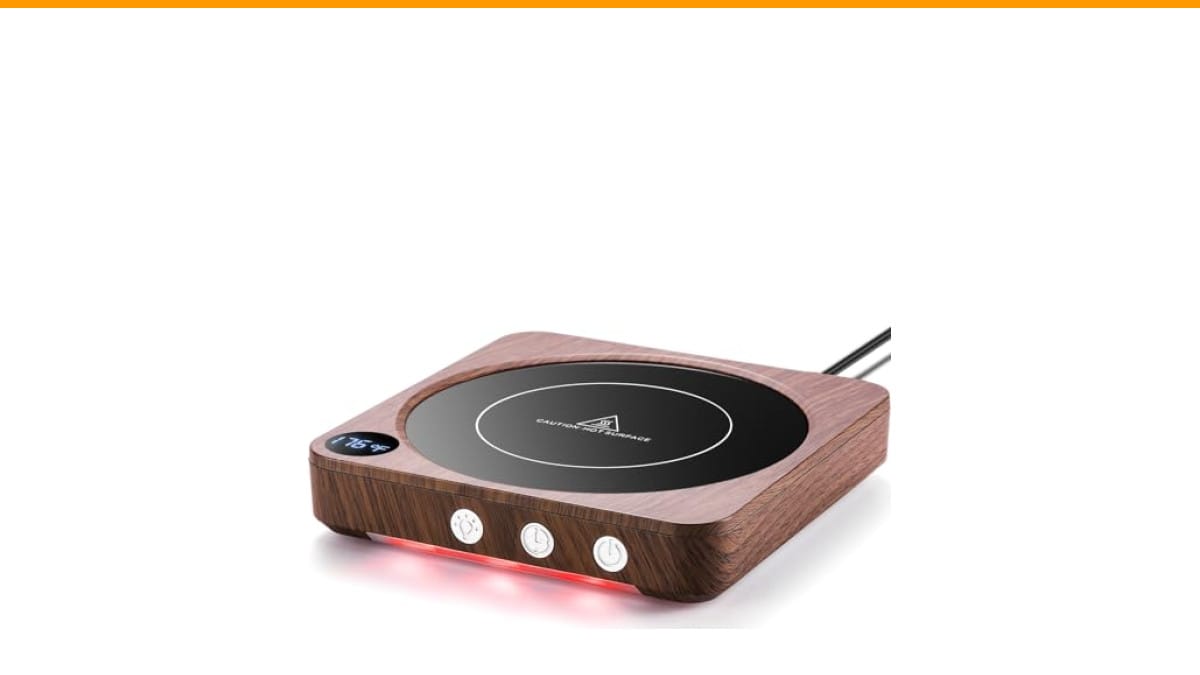
 Quick Heating Cup Warmer, Three Temperature Settings, Splashproof and Portable, for Coffee, Milk, Lightweight ABS Material