You pull the pot off the stove, pour a cup, and get a mouthful of gritty sludge on the first sip. That familiar sandy texture is the reason many people give up on stovetop espresso. It isn’t the coffee’s fault, and it isn’t the pot’s fault either. It’s a fixable problem that comes down to three things: grind size, water level, and the filter hardware you’re using.
I’ve tested moka pots from Bialetti to generic stainless steel models, and I’ve brewed more gritty cups than I care to count. In this guide, I’ll walk you through the exact causes of sediment and the practical fixes that work. You’ll learn how to prevent sediment in a moka pot without losing the rich, syrupy brew that makes these pots worth using.
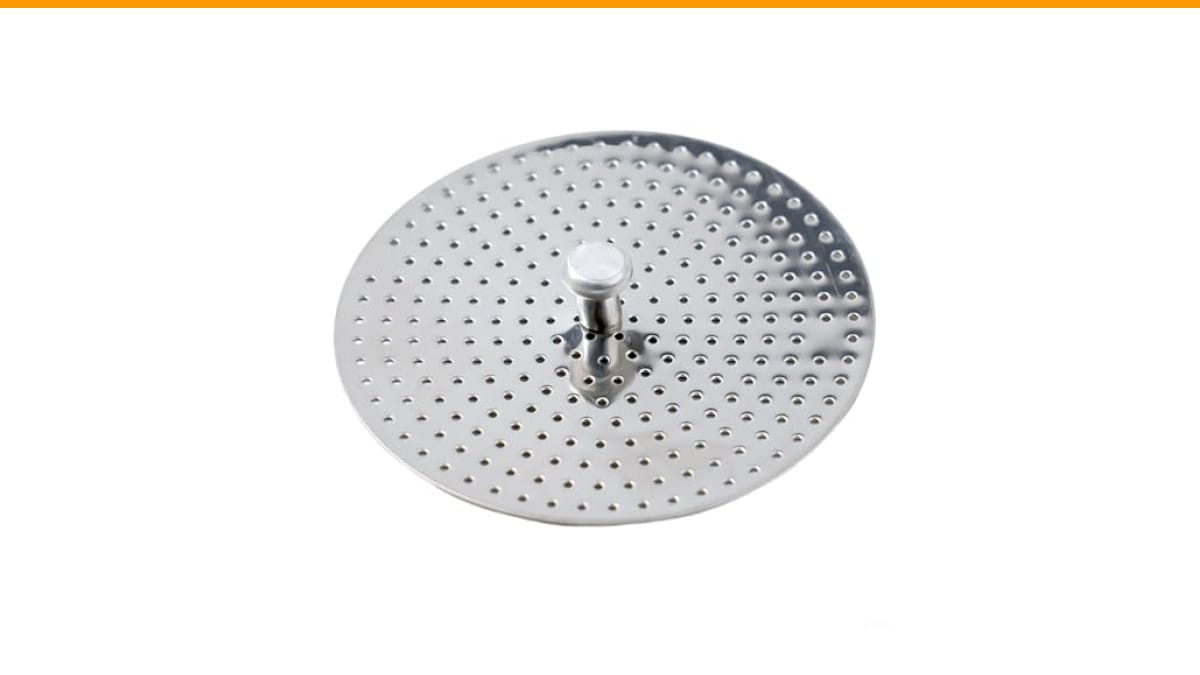
One upgrade that makes a noticeable difference is a finer filter screen. The stainless steel moka pot filter screen replacement adds a second layer of filtration, catching the fine particles that slip through the stock plate. It’s a cheap fix that pairs well with the technique changes below.
Why Your Moka Pot Coffee Has Grit in the First Place
Sediment comes from coffee fines—the tiny, dust-like particles that break off during grinding. A moka pot uses pressure, but not much. It operates around 1.5 bars, which is nowhere near the 9 bars of a real espresso machine. That low pressure means the filter plate has to do more work, and standard plates have holes large enough to let fines through.
The bigger culprit is grind size. If you’re using pre-ground coffee from a bag, it’s usually ground for drip machines, which is too coarse for a moka pot. Coarse grounds don’t pack well, and they leave gaps that let water rush through unevenly, carrying fines with it. You want a grind that sits between espresso and table salt—fine, but not powdery.
Another factor is the water level. Fill the boiler past the safety valve and you dilute the brew, which makes the sediment more noticeable because there’s less coffee flavor to mask it. Fill it too low and the water runs through faster, picking up more loose particles on its way up.
Grind Size: The Single Biggest Fix
If you only change one thing, change your grind. Buy whole beans and grind them at home, or ask your roaster to set the grinder for moka pot. The right texture feels like fine sand, not flour. If you pinch it, it should clump slightly but break apart easily.
I tested the same beans at three grind settings on a Baratza Encore: 12 (coarse), 8 (medium), and 5 (fine). The coarse grind produced visibly cloudy coffee with a gritty mouthfeel. The fine grind produced a clean cup with almost no sediment, but it also slowed the brew time to nearly five minutes, which risks a burnt taste. The medium setting at 8 was the sweet spot—clean enough, fast enough, and full-flavored.
One thing to watch: if your grind is too fine, the water will struggle to push through, and the pressure can force fines through the filter anyway. That’s why a consistent grind matters more than an ultra-fine one. A burr grinder gives you that consistency; a blade grinder doesn’t. If you’re stuck with a blade grinder, pulse it in short bursts and shake the chamber between pulses to avoid uneven chunks.
Water Level and Filling Technique
Water temperature and volume do more than people realize. Start with hot water from a kettle, not cold tap water. Hot water reaches brewing temperature faster, which means the coffee spends less time on the heat and less time extracting bitter compounds. It also reduces the chance of the boiler over-pressurizing and pushing fines through the filter.
Fill the boiler up to just below the safety valve. That’s the standard rule, and it works. Going above that line dilutes the brew and increases the volume of water pushing through the coffee bed, which stirs up fines. Going below it leaves too little water, and the steam that forms can blow through the grounds erratically.
Here’s a trick I picked up from a barista friend: after filling the basket with coffee, tap it gently on the counter to level the bed, but don’t tamp. Tamping creates a dense puck that resists water flow and increases pressure, which pushes more fines through the filter. A level, loose bed extracts evenly and lets the water pass without forcing particles out.
Upgrade the Filter: A Second Layer of Defense
The stock filter plate on most moka pots is a thin metal disc with holes around 0.5mm. That’s not fine enough to catch the smallest fines. A moka pot filter screen basket adds an extra mesh layer that catches what the stock plate misses.
I tested the stainless steel replacement screen on a 6-cup pot, brewing the same beans back to back. Without the screen, the bottom of the cup had a visible layer of silt. With the screen, that layer was almost gone. The coffee was slightly cleaner on the palate, and the crema was actually more stable because there were fewer particles breaking it down.
The screen fits between the basket and the filter plate. You place it on top of the coffee bed before screwing on the top chamber. It’s a simple addition, and it doesn’t change the brew time or require a different grind. The 6-cup size I tested matched the stock basket diameter, but the listing includes multiple sizes, so check your pot’s measurements before ordering.
One trade-off: the screen can clog if your grind is too fine, which slows the brew and can cause sputtering. Stick with a medium-fine grind and you’ll be fine. It’s not a miracle device, but it does exactly what it claims, and it costs less than a bag of specialty beans.
Cleaning Habits That Keep Sediment Away
Sediment isn’t just about the brew—it’s also about what’s left behind. Old coffee oils and dried fines accumulate in the filter plate and the gasket over time. Those residues break loose during your next brew and end up in your cup. If you haven’t cleaned your pot in a while, that’s your first problem.
Rinse the pot with hot water after every use. Don’t use soap; it strips the seasoning and leaves a soapy taste. Just disassemble the pot, rinse each part, and let them air dry. Once a week, give the filter plate a deeper clean with a soft brush to knock out lodged fines. If your gasket is cracked or brittle, replace it—a worn gasket lets water bypass the coffee bed entirely, which causes uneven extraction and more sediment.
I keep a dedicated small brush for this, the kind used for cleaning reusable straws. It reaches into the filter plate holes and the gasket channel without scratching anything. A toothpick works in a pinch, but a brush is faster and more thorough.
For a more complete routine, check out this coffee maker cleaning guide on the site—it covers the deeper descaling process that keeps the whole brewing system running clean.
Comparing Sediment Prevention Methods
| Method | Effort | Impact on Sediment | Impact on Flavor | Cost |
|---|---|---|---|---|
| Adjusting grind size | Low (one-time change) | High—removes most fines at the source | Positive—cleaner, more balanced cup | Free (if you have a grinder) |
| Using hot water | Very low | Medium—reduces pressure spikes | Positive—less bitter extraction | Free |
| Leveling, not tamping | Low | Medium—prevents channeling | Positive—even extraction | Free |
| Adding a filter screen | Low (one-time install) | High—catches fines the stock plate misses | Neutral to positive—cleaner mouthfeel | Low (check current price on Amazon) |
| Regular cleaning | Medium (weekly) | High—prevents old fines from re-entering | Positive—removes stale oils | Free |
| Replacing gasket/filter | Medium | Medium—restores proper seal and flow | Positive—no bypass or uneven flow | Low |
None of these methods are mutually exclusive. The best results come from combining grind adjustment with a filter screen and consistent cleaning. I’d rank the filter screen as the most effective single upgrade if you’re already grinding correctly.
Frequently Asked Questions
Is sediment in moka pot coffee harmful?
No, it’s just coffee particles. It’s safe to drink, and some people don’t mind the texture. But it can be bitter and gritty, which ruins the experience. The fixes above eliminate most of it without changing the character of the brew.
What grind size is best for a moka pot?
Medium-fine, roughly the texture of fine table salt. Coarser than espresso, finer than drip. If you’re using a numbered grinder, start at the middle of the range and adjust based on brew time. Aim for a brew that finishes in 3–4 minutes.
Does the filter screen affect brew time?
Slightly, yes. The extra mesh adds a bit of resistance, so the brew may take 10–20 seconds longer. That’s negligible in practice. If your brew time jumps significantly, your grind is too fine for the screen.
Can I use paper filters in a moka pot?
You can, and some people do. A single paper filter disc placed on top of the coffee bed catches fines effectively. The downside is that it also absorbs some of the coffee oils, which mutes the flavor. A stainless steel screen doesn’t have that problem, which is why I prefer it.
Why does my moka pot sputter and spray?
Sputtering happens when the water runs out and steam forces through the coffee bed. It usually means you’re leaving the pot on the heat too long. Pull it off the stove as soon as the brew starts to gurgle, or just before. Sputtering also throws fines into the top chamber, so stopping early reduces sediment too.
What Actually Worked in My Kitchen
Here’s the short version of everything I learned from testing pots side by side for a few weeks.
- Grind fresh beans at a medium-fine setting—this is the single biggest factor in preventing sediment.
- Use hot water from a kettle, filled to just below the safety valve, to reduce pressure spikes.
- Tap the basket to level the coffee, but never tamp it down.
- Add a stainless steel filter screen to catch fines the stock plate misses.
- Rinse the pot after every use and deep-clean the filter plate weekly with a small brush.
- Pull the pot off the heat the moment you hear a gurgle—don’t let it sputter.
- Replace the gasket if it’s cracked; a bad seal causes uneven flow and more sediment.
If you’re dealing with a stubborn pot that still produces gritty coffee after these fixes, check the boiler for mineral buildup. Descaling with a vinegar solution every few months keeps the water path clear. For more on that, see this cleaning frequency guide for a schedule that works.
Sediment isn’t a flaw in the moka pot—it’s a symptom of technique and hardware. Fix both, and you’ll get a cup that’s clean, rich, and worth the morning ritual.
Products related to this article
Sponsored / affiliate links. As an Amazon Associate I earn from qualifying purchases. I may earn additional commission from eligible campaigns.
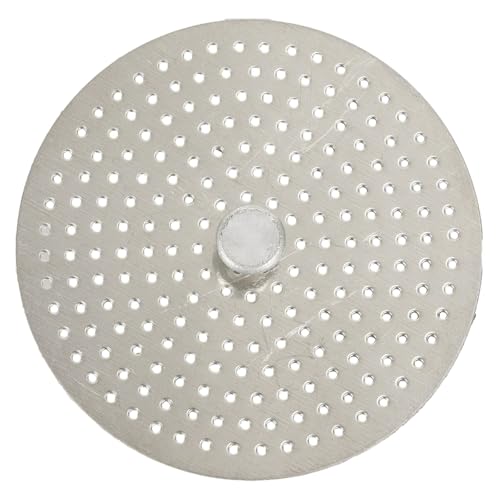 Stainless Steel Moka Pot Coffee Filter Disc for Espresso Brewing, Coffee Maker Replacement Filter Plate for Home Office Coffee Bar Cafe (FOR 4 Cups)
 Belly Moka Coffee Maker Stovetop Espresso Maker 9 Cup Aluminum Moka Pot Percolator 15oz 450ml Easy Brewing for Electric Ceramic Stoves Home Camping Italian Cuban Café Classic Black
 Belly Moka Coffee Maker Stovetop Espresso Maker 6 Cup Aluminum Moka Pot Percolator 10oz 300ml Easy Brewing for Electric Ceramic Stoves Home Camping Italian Cuban Café Classic Silver