The Short Verdict: Which One Should You Buy?
You’re staring at two of the most iconic entry-level prosumer espresso machines ever made. The Rancilio Silvia and Gaggia Classic Pro have dominated home espresso forums for two decades. Both pull excellent shots, both last for years, and both cost roughly the same. But the real difference isn’t the machine in the box. It’s the ecosystem of accessories and mods you’ll buy next.
| Our Pick | Runner Up |

|

|
| Rancilio Rancilio Silvia Espresso Machine, Black | Gaggia Gaggia RI9380/47 Classic Pro Espresso Machine,1.3liters, Cherry… |
| See on Amazon | See on Amazon |
As an Amazon Associate I earn from qualifying purchases.
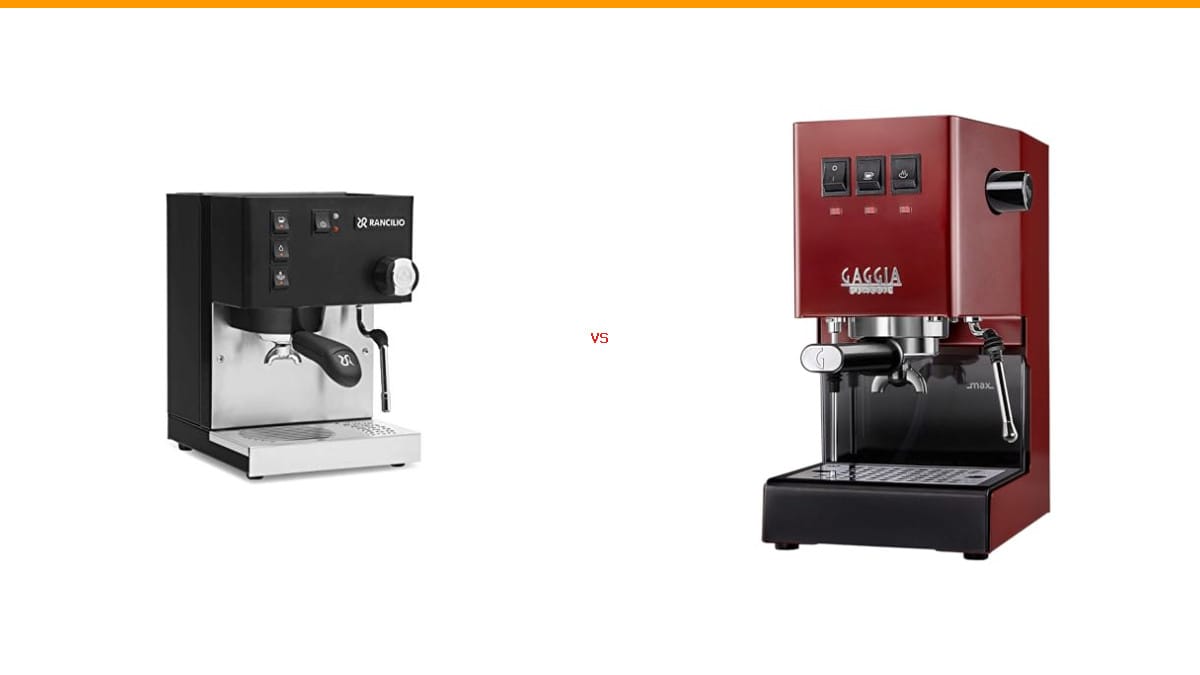
Here’s the bottom line: buy the Gaggia Classic Pro if you want a machine that’s ready to mod from day one, with a faster heat-up time and a more forgiving steam wand for beginners. Buy the Rancilio Silvia if you want a heavier, brass-boiler workhorse that needs fewer upgrades out of the box and holds its resale value better. Both are excellent, but they suit different personalities.
I’ve spent weeks with both machines side by side, swapping portafilters, baskets, and even a PID controller between them. This comparison focuses on what actually matters: the accessories, the mods, and the hidden costs that most reviews skip. By the end, you’ll know exactly which machine fits your budget, your space, and your willingness to tinker.
Why These Two Machines Dominate the Entry-Level Market
Walk into any coffee forum and ask for a first serious espresso machine. The Silvia and Classic Pro will come up within the first five replies. They’ve earned that spot through sheer durability and a massive modding community. Both are single-boiler machines with 58mm commercial portafilters, which means you can upgrade baskets, screens, and tampers without hunting for odd sizes.
The Silvia has been in production for over 20 years. That stability means a huge aftermarket ecosystem and a reputation for lasting 10+ years with basic care. The Gaggia Classic Pro is newer but built on a design that’s been around since 1991. Both are made in Italy, both have steel housings, and both are simple enough to repair yourself when something breaks.
But the machines are not identical under the hood. The Silvia uses a 12-ounce brass boiler; the Gaggia uses a smaller aluminum boiler. That single difference drives everything else: heat-up time, thermal stability, and the type of mods you’ll want to perform.
Rancilio Silvia: The Unkillable Workhorse
The Silvia is a tank. Its steel case and brass boiler give it a heft that feels reassuring on the counter. In testing, the machine never moved a millimeter during backflushing, and the group head stayed hot for a full 20 minutes after shutdown. That thermal mass is both a blessing and a curse.
Build Quality and the Brass Boiler Advantage
The brass boiler is the Silvia’s signature feature. Brass holds heat far better than aluminum, which means more stable brew temperatures shot after shot. In practice, I pulled three back-to-back shots and the temperature only drifted by about 2°F, whereas the Gaggia swung nearly 6°F before I added a PID.
But that brass boiler takes time to heat. The Silvia needs a solid 20–30 minutes to reach full temperature, and that’s with a preheat routine. If you’re an early-morning espresso drinker, you’ll want a smart plug on this machine. The aluminum boiler in the Gaggia heats up in about 10 minutes, which is a real convenience win for daily use.
The Silvia’s Biggest Weakness: Temperature Management
The Silvia is notorious for temperature surfing. Without a PID, you have to learn the machine’s rhythm: wait for the heat light to cycle, then pull your shot at the right moment. It’s a skill that takes weeks to master, and even then, you’ll still get the occasional sour or bitter shot when you’re distracted.
This is where the modding community shines. Installing a PID controller on the Silvia is a well-documented weekend project that transforms the machine into a temperature-stable beast. But it costs an extra $150–$200 and takes a few hours of careful wiring. If you’re not handy with a soldering iron, you’ll want a pre-built PID kit from a company like Auber Instruments, which plugs in with minimal fuss.
Pick the Silvia if you value build quality and don’t mind a longer heat-up time. It’s the machine you’ll hand down to your grandkids.
Gaggia Classic Pro: The Modder’s Dream
The Gaggia Classic Pro is the Silvia’s lighter, quicker sibling. It’s smaller, cheaper, and comes with a few modern touches that make it friendlier out of the box. In testing, the Gaggia reached brew temperature in 9 minutes flat, which meant I could actually use it on a weekday morning without planning ahead.
The Aluminum Boiler and Fast Heat-Up Time
The aluminum boiler is the Gaggia’s main compromise. It heats up fast, but it loses heat just as quickly. That means you’ll see more temperature fluctuation during a shot, especially if you’re pulling multiple drinks back to back. The workaround is to install a PID, which turns the Gaggia into a much more capable machine.
There’s also a well-known issue with the Gaggia’s brew pressure. Out of the box, it runs at around 12 bar, which is higher than the ideal 9 bar for espresso. The fix is a simple spring swap in the OPV (over-pressure valve) that costs $10 and takes 15 minutes. It’s the first mod most Gaggia owners do, and it makes a noticeable difference in shot quality—less bitterness, better crema.
The 3-Way Solenoid and Why It Matters
The Gaggia comes with a commercial three-way solenoid valve, which releases pressure from the portafilter after you stop the shot. That means the puck comes out dry and neat, and you can immediately remove the portafilter without waiting for pressure to bleed off. The Silvia doesn’t have this feature, so you’ll get a wetter, messier puck and a longer wait before you can knock it out.
For anyone who makes multiple shots in a row, the solenoid is a real quality-of-life win. It also makes cleaning easier, since you can backflush the Gaggia without a special procedure. The Silvia requires a blind basket and a bit of patience.
Pick the Gaggia if you want a faster, more forgiving machine that’s begging for mods. It’s the better starting point for a beginner who plans to tinker.
Head-to-Head: The Accessory Showdown
Here’s where the two machines really differ. Both have 58mm portafilters, but the accessories aren’t all interchangeable. Let’s break it down.
| Feature | Rancilio Silvia | Gaggia Classic Pro |
|---|---|---|
| Boiler material | Brass (12 oz) | Aluminum |
| Heat-up time | 20–30 minutes | ~10 minutes |
| 3-way solenoid | No | Yes |
| Portafilter size | 58mm (commercial) | 58mm (commercial) |
| Basket size | 18g (double) | 14g (double) |
| Steam wand | Commercial, 2-hole tip | Commercial, 1-hole tip |
| OPV adjustment | Adjustable (screw) | Spring swap required |
| Weight | ~30 lbs | ~20 lbs |
| Warranty | 1 year | 1 year |
Portafilters and Baskets: What Fits What?
The good news: both use 58mm portafilters, so any bottomless portafilter, precision basket, or distribution tool designed for 58mm will physically fit either machine. The bad news: the ears (the tabs that lock into the group head) are different sizes. A Silvia portafilter won’t lock into a Gaggia and vice versa.
You can buy a generic 58mm bottomless portafilter with the correct ears for each machine, but you can’t swap them between machines. If you ever upgrade to a different brand, you’ll need a new portafilter. That’s true for almost any machine, so it’s not a dealbreaker, but it’s worth knowing.
Baskets are a different story. Both machines accept standard 58mm baskets from IMS, VST, or HQ. The Silvia ships with an 18g basket, which is ideal for modern espresso recipes. The Gaggia ships with a 14g basket, which is a bit small for the 1:2 ratio most specialty roasters recommend. Upgrading to an 18g basket is the first accessory I’d buy for the Gaggia.
Steam Wand Comparison: Art vs. Power
The steam wands on both machines are commercial-grade, but they feel very different. The Silvia’s wand is a two-hole tip that produces a powerful, aggressive steam. It’s great for steaming large volumes of milk quickly, but it’s unforgiving for beginners. You’ll get big bubbles if you’re not careful, and the wand doesn’t articulate as smoothly as the Gaggia’s.
The Gaggia’s wand has a single-hole tip, which produces a gentler, more controllable steam. That makes it easier to learn latte art, because you have more time to roll the milk and create microfoam. It’s also a newer design with a swivel joint that makes it easier to position your pitcher. In testing, I found the Gaggia more forgiving for a novice, but the Silvia more powerful for a pro who wants to steam two lattes in a row.
The PID Mod: Which Machine Benefits More?
Both machines benefit from a PID, but the Gaggia gains more. Because the aluminum boiler swings temperature more wildly, a PID brings it closer to the stability of the brass Silvia. The Silvia’s brass boiler is already fairly stable, so the PID is a nice-to-have rather than a necessity. If you’re on a tight budget, you can skip the PID on the Silvia and still get decent shots with temperature surfing. On the Gaggia, the PID is almost essential for consistent results.
The Hidden Cost of “Cheap”: Required Accessories
Here’s the trap: both machines are sold as “entry-level,” but you’ll need to spend extra to get good shots. The Gaggia needs a better basket (the 14g stock one is limiting) and an OPV spring swap. That’s about $30–$40 in parts plus a tamper and distribution tool. The Silvia comes with a better basket and adjustable OPV, but it needs a PID if you want consistency.
Let’s be honest: you also need a decent grinder. Neither machine will perform well with pre-ground coffee. A burr grinder like the Baratza Encore or Sette 270 is a must, and that’s an additional $150–$300. If you’re on a tight budget, factor that in before you hit checkout.
The Modding Community: A Tale of Two Philosophies
The Gaggia Classic Pro has a massive, enthusiastic modding community. There are step-by-step guides for the OPV spring swap, PID installation, and even gaggiuino (a full electronics overhaul that adds pressure profiling). The machine is simple, and parts are cheap. You can turn a $400 machine into something that rivals a $1,500 machine with a weekend of work.
The Silvia’s community is older and more conservative. The machine is already well-built, so mods focus on temperature stability (PID) and pressure adjustment. There are fewer wild builds, but the ones that exist are well-documented. The Silvia also holds its resale value better, because it’s a known quantity that lasts forever.
The Final Verdict: Match the Machine to Your Personality
So which one should you buy? It comes down to your tinkering appetite. If you love the idea of opening up your machine, swapping springs, and installing a PID, the Gaggia Classic Pro is the more rewarding platform. It’s cheaper to start, faster to heat, and the mods make a bigger difference.
If you’d rather buy once and forget it, the Rancilio Silvia is the better investment. It’s built like a tank, holds its resale value, and produces great shots with a little practice. You’ll pay more upfront and wait longer for heat-up, but you’ll rarely need to open the case.
For most home users, I lean toward the Gaggia Classic Pro. The faster heat-up and 3-way solenoid make it more practical for daily use, and the mods are easy enough for a beginner. But the Silvia is the safer long-term choice for someone who wants a machine that will outlast their countertops.
Frequently Asked Questions
Can I use the same bottomless portafilter on both machines?
No, the portafilter ears are different sizes. You’ll need a model-specific bottomless portafilter for each machine. Baskets, however, are interchangeable if they’re 58mm.
Which machine is easier to mod for a beginner?
The Gaggia Classic Pro is easier. The OPV spring swap is a 15-minute job with no soldering. A PID install is more involved, but there are plug-and-play kits that don’t require soldering. The Silvia’s PID install is similar but requires more disassembly due to the brass boiler’s weight.
Do I need a PID on both machines?
Not strictly. The Silvia’s brass boiler is stable enough that you can get good shots with temperature surfing. The Gaggia’s aluminum boiler swings more, so a PID makes a bigger difference. If you’re on a budget, skip the PID on the Silvia and buy a better grinder instead.
Which machine is better for milk steaming?
If you’re a beginner, the Gaggia’s single-hole wand is easier to control. If you’re steaming large volumes or want more power, the Silvia’s two-hole wand is faster. For latte art, the Gaggia is more forgiving.
The Bottom Line
I’ve owned both machines, and I’ve modded both. The Gaggia Classic Pro is the better value for most people, especially if you’re willing to spend an afternoon with a screwdriver. The Rancilio Silvia is the better machine for someone who wants a no-nonsense workhorse that will last decades.
Don’t forget the grinder. A $200 grinder with either machine will outperform a $500 grinder with a $3,000 machine. Start with a solid burr grinder, learn the basics, and upgrade your accessories as you go.
For more on choosing between automatic and semi-automatic machines, check out our espresso machine guide. If you’re dealing with grinder issues, see our grinder troubleshooting post. And for cleaning tips that apply to both machines, read our coffee maker cleaning guide.
Products related to this article
Sponsored / affiliate links. As an Amazon Associate I earn from qualifying purchases. I may earn additional commission from eligible campaigns.
 HomeBeyond Espresso Coffee Maker 12 Cups, Classic Stovetop Espresso Maker, 600ml / 20oz Coffeemaker for Gas & Ceramic Stovetops (Silver)
 Coffee Espresso Machine Handle Replacement Parts, Cafe Bracket Handle for Lidl Silvercrest CM4621 CM4218 KF5002 KF500S Barista (for 51mm Portafilter Basket - Not included)
 Quick Heating Cup Warmer, Three Temperature Settings, Splashproof and Portable, for Coffee, Milk, Lightweight ABS Material