You bought a nice bag of loose leaf tea, got it home, and then stood there staring at the kettle. You don’t own a tea ball, a strainer, or anything that looks like it could hold leaves. So you either dump the leaves straight into the cup and fish them out with a spoon, or you give up and reach for a regular tea bag. That moment is exactly why the question of whether a tea infuser is necessary keeps coming up.
Here is the short answer: it depends on how much you care about the last few sips of your cup. A tea infuser is not a mandatory tool if you are brewing a single mug and don’t mind a few floating bits. But if you want a clean cup, better flavor extraction, and less waste, a decent infuser changes the experience more than you might think. This article will walk you through the real trade-offs, the different types of infusers, and exactly when you can skip one without ruining your tea.

Reinmoson
Reinmoson Extra Fine Mesh Tea Infuser for…
- Upgraded Micron Mesh: Loose leaf tea steeper is Ideal to hold tea leaves, particles, or ground coffee. Compared to traditional tea…
- High-Quality Materials: Made of 304 food-grade stainless steel, loose tea infuser is easier to clean. Besides, tea diffusers for l…
- Easy to Open and Close: With the design of thread top, the lids screw easily and are much more secure than the traditional twist l…
As an Amazon Associate I earn from qualifying purchases.
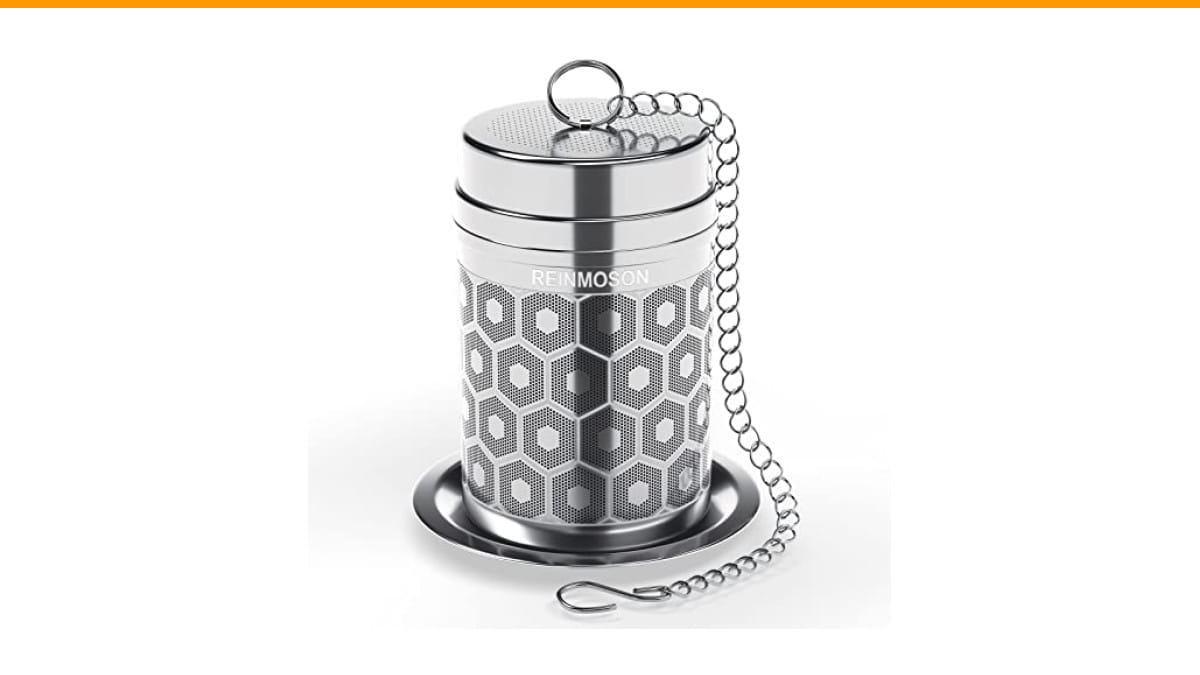
A solid option to start with is the Reinmoson Stainless Steel Tea Infuser. It uses a fine micron mesh that catches small leaves and particles, which solves the biggest complaint people have with cheap tea balls — the sediment that sinks to the bottom of your mug.
What a Tea Infuser Actually Does
An infuser is a physical barrier. It holds the leaves in place while letting hot water circulate around them. That circulation is what extracts flavor, aroma, and caffeine from the leaf. Without a barrier, the leaves float freely, which is fine for the first few minutes but becomes a problem as you drink.
The biggest issue with brewing loose leaf without any strainer is the sludge factor. Fine tea dust and broken leaves slip through your teeth, and the last quarter of the cup tastes bitter and gritty. An infuser with a fine mesh, like the Reinmoson model with its half-sized holes, stops that. It keeps the leaf matter contained so you get a clean cup from the first sip to the last.
When You Can Skip the Infuser
There are a few situations where an infuser is genuinely unnecessary. If you brew tea in a teapot that has a built-in strainer in the spout, you already have your answer. The same goes for a French press. That coffee maker doubles as an excellent tea brewer. Add your leaves, pour hot water, wait four minutes, and press the plunger down. The mesh filter catches everything.
You also don’t need an infuser for whole-leaf teas with large, intact leaves, like some oolongs or white teas. Those leaves expand and sink to the bottom of the cup naturally. You can drink around them, or just leave the last sip in the mug. It is not elegant, but it works.
Cold brewing is another exception. When you steep tea in cold water for 8 to 12 hours, the leaves sink and clump together. You can pour the tea through a regular kitchen sieve at the end, or just pour slowly and leave the leaves in the jar.
Comparing Infuser Types: Which One is Worth It?
Not all infusers are created equal. The classic tea ball with a chain and a hinge is the cheapest and most common, but it is also the most frustrating. The hinge gets loose, the ball is too small for leaves to expand, and the holes are big enough for fine tea dust to escape. You get weak tea and a messy counter.
The basket infuser is a step up. It sits inside your mug and has a wider diameter, so leaves have room to unfurl. The Reinmoson infuser falls into this category with its 1.5-inch diameter and 2.2-inch height. That extra space matters. Tea leaves need room to expand to release their full flavor, and a cramped ball suffocates them.
Then there is the reusable muslin or cotton bag. These are great for very fine teas like rooibos or chamomile, but they need thorough drying between uses or they can grow mold. The stainless steel mesh is easier to maintain — rinse it under hot water and let it air dry.
| Infuser Type | Best For | Mesh Fineness | Cleaning Effort | Price Range |
|---|---|---|---|---|
| Tea Ball (hinged) | Large leaf teas, quick brews | Coarse | Low | Cheapest |
| Basket Infuser (like Reinmoson) | Most loose leaf teas, spices | Fine (micron mesh) | Low to moderate | Mid |
| French Press | Full-leaf teas, large batches | Medium | Moderate | Mid to high |
| Disposable Paper Filters | Single use, travel | Varies | None | Low per unit |
| Muslin/Cotton Bag | Very fine teas, herbs | Fine | High (must dry fully) | Low |
What to Look For in a Good Infuser
Mesh fineness is the first thing to check. The Reinmoson infuser uses an upgraded micron mesh with holes about half the size of a traditional tea ball. That is the difference between a clean cup and one that tastes like you chewed on a tea bag. If you drink rooibos, chai, or ground coffee, you need that fine mesh.
Material quality matters too. A cheap aluminum infuser can leave a metallic taste in your tea. Look for 304 food-grade stainless steel, which is what the Reinmoson model uses. It does not rust and does not impart any flavor. The lid design is another overlooked detail. The Reinmoson uses a threaded top that screws on, so it won’t pop open mid-brew. The old twist-lid style always seems to come loose right when you lift the infuser out of the mug.
One more thing to consider: the chain or handle. A 4.3-inch chain with an S-hook lets the infuser hang securely on the rim of any mug, teapot, or pitcher. That keeps the leaves fully submerged without you having to hold anything. The included saucer is a small touch that keeps your counter dry when you pull the infuser out after steeping.
Does It Work for Coffee and Cooking?
You can use a fine-mesh infuser for more than tea. Ground coffee works well if you want a single cup of cowboy-style brew without a press. The fine mesh catches the grounds, so you get a clean cup. It is not a replacement for a proper espresso setup, but it is handy for camping or travel.
The same infuser doubles as a spice filter. You can toss cinnamon sticks, cloves, or peppercorns into a pot of soup or mulled wine, then pull the infuser out before serving. No fishing around for stray spices. It is one of those tools that lives in the drawer for months, then becomes essential for a week straight.
Common Questions About Tea Infusers
Can I just use a coffee filter instead of a tea infuser?
Yes, in a pinch. Fold a paper coffee filter into a cone shape, add your tea leaves, and pour hot water over it into your mug. It works, but the filter can tear if you pour too aggressively, and it does not allow much water flow compared to a mesh infuser. You will get a weaker cup.
Do tea infusers make the tea taste different?
Not if the infuser is made of stainless steel. Metal infusers with coarse holes can let fine particles through, which makes the tea taste bitter and astringent. A fine mesh infuser gives you a cleaner cup, so the tea tastes more like the leaf itself.
How much tea do I put in a basket infuser?
Use about one teaspoon of loose leaf tea per 8 ounces of water. For a standard mug, that is roughly one heaping teaspoon. Adjust based on the tea type — lighter green teas can use slightly more, while strong black teas or chai blends need less.
Is a tea ball as good as a basket infuser?
No. A tea ball is smaller, so the leaves stay compressed and cannot expand fully. That results in weaker flavor. The basket infuser gives leaves room to unfurl, which extracts more flavor. The only advantage of a tea ball is that it is smaller and easier to store.
How do I clean an infuser without scrubbing every hole?
Rinse it immediately under hot running water after you pour your tea. That gets most of the residue out. Once a week, soak it in a mix of hot water and a little baking soda for five minutes, then rinse. Avoid soap — it can leave a residue that ruins the next cup.
What You Can Take From This
- An infuser is necessary if you drink loose leaf tea regularly and want a clean, grit-free cup.
- You can skip it if you have a teapot with a built-in strainer or a French press.
- Mesh fineness beats price. A fine micron mesh stops sediment, a coarse ball does not.
- Look for 304 stainless steel to avoid metallic flavors and rust.
- A threaded lid is more secure than a twist hinge — it will not pop open mid-steep.
- One infuser can handle tea, ground coffee, and cooking spices, so it earns its drawer space.
- Rinse it right after use and it will last for years without deep cleaning.
If you are comparing brewing gear, the same logic that applies to coffee grinder choices applies here — the tool matters less than the consistency of the brew. For tea, that consistency comes from giving the leaves room to move and keeping the fines out of your cup. A good infuser does both.
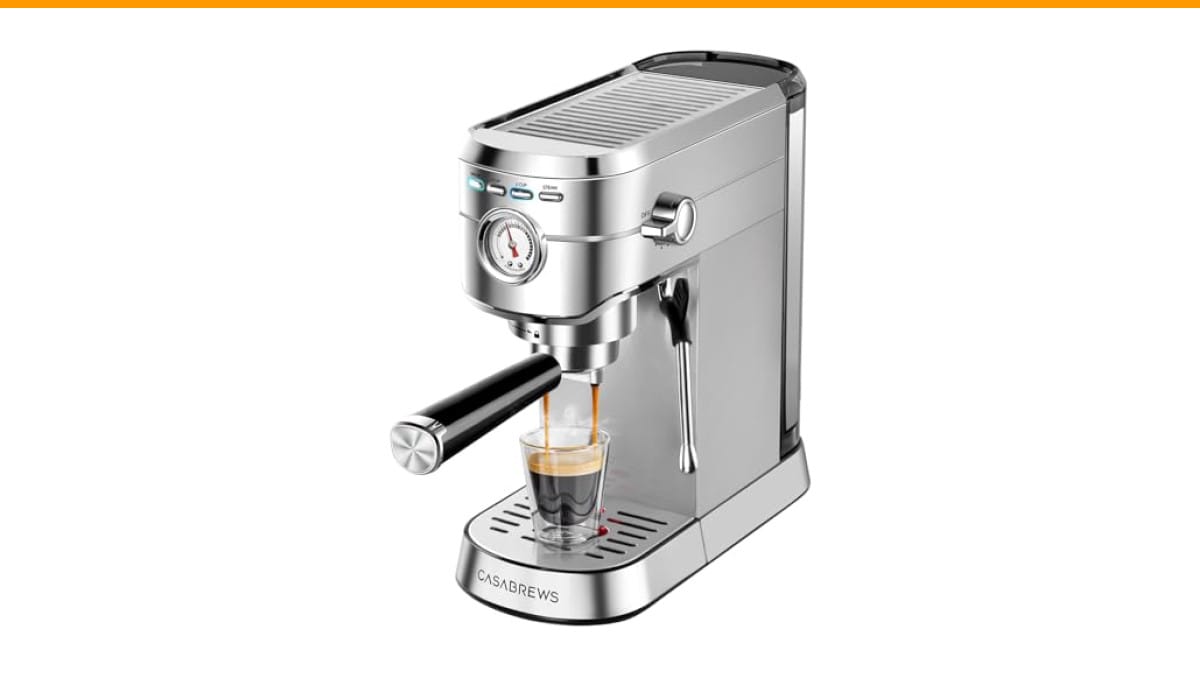
For those who like to experiment with different brewing methods, understanding how water flows through the leaves is similar to learning how to manage a steam wand on an espresso machine. Control the variables and the result improves. An infuser is just another way to control the variables.
And if you are curious about the health side of tea, some of the same questions come up around what is actually in your cup. Brewing method affects extraction, which affects what you consume.
Products related to this article
Sponsored / affiliate links. As an Amazon Associate I earn from qualifying purchases. I may earn additional commission from eligible campaigns.