Is your coffee maker brewing slowly or not at all? A clogged coffee maker can ruin your morning routine and leave you frustrated.

Affresh
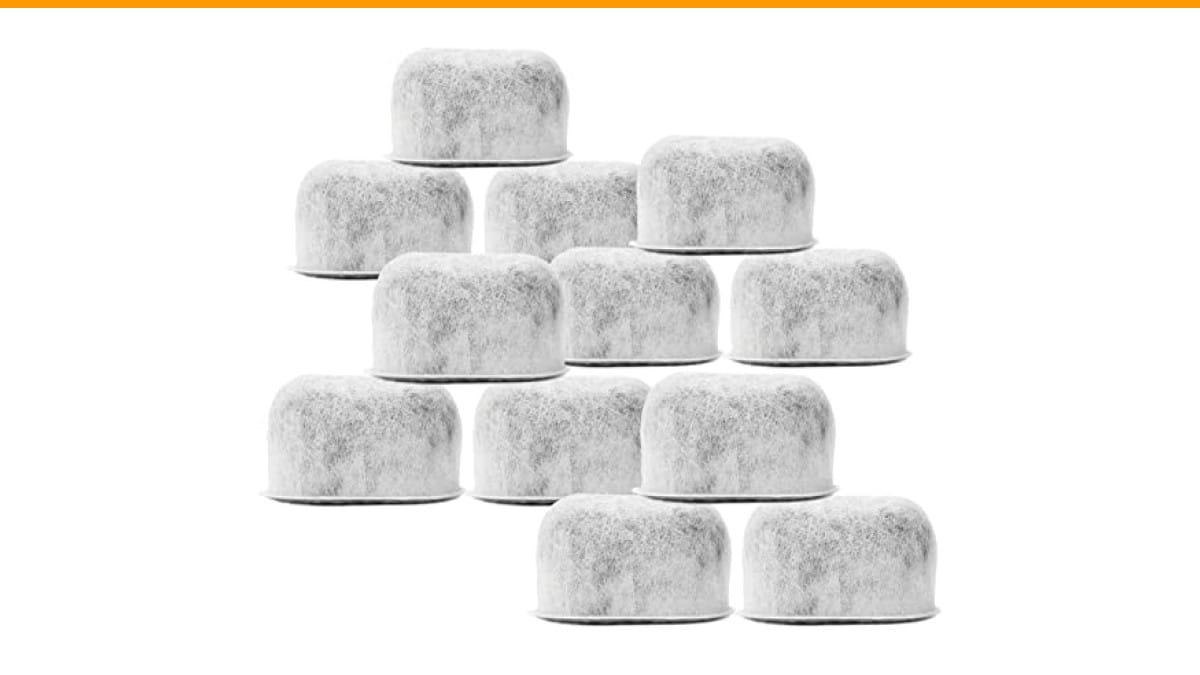
Affresh Coffee Maker Cleaner, Unscented, Descales &…
- Descales your coffee maker, fighting hard water deposits and mineral buildup for a better tasting brew
- Deep cleans without the odor of vinegar
- Compatible with multi-cup and single-serve coffee makers
As an Amazon Associate I earn from qualifying purchases.
But don’t worry—you can fix it yourself quickly and easily. You’ll learn simple steps to clean your clogged coffee maker and get it working like new again. Keep reading to discover how to bring back that perfect cup of coffee without spending a dime on repairs.
Signs Of A Clogged Coffee Maker
Knowing the signs of a clogged coffee maker helps you fix it early. A blocked machine stops your coffee from tasting right. It also slows down the brewing process. Watch out for these common signs to keep your coffee fresh and hot.
Slow Brewing Time
Your coffee maker takes longer than usual to brew. A clogged filter or pipe restricts water flow. This causes delays in making your coffee. The wait time can double or even triple. A slow brew means your machine needs cleaning soon.
Weak Coffee Flavor
Your coffee tastes watery or bland. The blockage stops hot water from reaching the coffee grounds fully. This results in weak extraction of flavors. Your usual strong coffee turns into a light, weak drink. This is a clear sign of clogging inside the machine.
Unusual Noises
The coffee maker makes strange sounds during brewing. Gurgling or sputtering noises often mean water is stuck. The pump struggles to push water through blocked parts. These odd sounds signal you should check your machine soon.

Credit: www.youtube.com
Tools And Materials Needed
Cleaning a clogged coffee maker requires a few basic tools and materials. These items help remove built-up residue and keep your machine working well. You can find most of these items in your kitchen or local store. Using the right tools makes the cleaning process quick and effective.
Vinegar And Water
White vinegar is a natural cleaner and disinfectant. It breaks down mineral deposits and coffee oils inside the machine. Mix equal parts of vinegar and water for the cleaning solution. This mix cleans the internal parts without harsh chemicals. Vinegar also helps remove odors and stains.
Baking Soda
Baking soda works as a gentle abrasive cleaner. It helps scrub away stubborn grime and buildup. Use it with a little water to form a paste. This paste cleans areas the vinegar solution cannot reach. Baking soda also neutralizes odors, leaving the machine fresh.
Brushes And Cloths
Soft brushes reach tight spots and remove stuck coffee grounds. A toothbrush or small cleaning brush works well. Use clean cloths or sponges to wipe surfaces. Microfiber cloths are gentle and absorb moisture quickly. These tools prevent scratches and keep your coffee maker shiny.
Step-by-step Cleaning Process
Cleaning a clogged coffee maker is simple with the right steps. Follow this step-by-step process to clear blockages and improve your coffee’s taste. Each step helps remove dirt and buildup inside the machine. Regular cleaning keeps your coffee fresh and your machine working well.
Prepare The Cleaning Solution
Mix equal parts of white vinegar and water. Use about two cups of this solution. Vinegar breaks down mineral deposits inside the coffee maker. Pour the solution into the water reservoir. This prepares the machine for deep cleaning.
Run A Cleaning Cycle
Start the coffee maker as if brewing coffee. Let the vinegar solution run through the machine. Pause halfway and wait for 30 minutes. This pause allows the vinegar to dissolve clogs. Then finish the cycle to flush the system.
Rinse Thoroughly
Empty the vinegar solution from the pot. Fill the reservoir with clean water. Run two full brewing cycles with water only. This rinses out any vinegar taste or smell. Clean water ensures your coffee tastes fresh again.
Clean Removable Parts
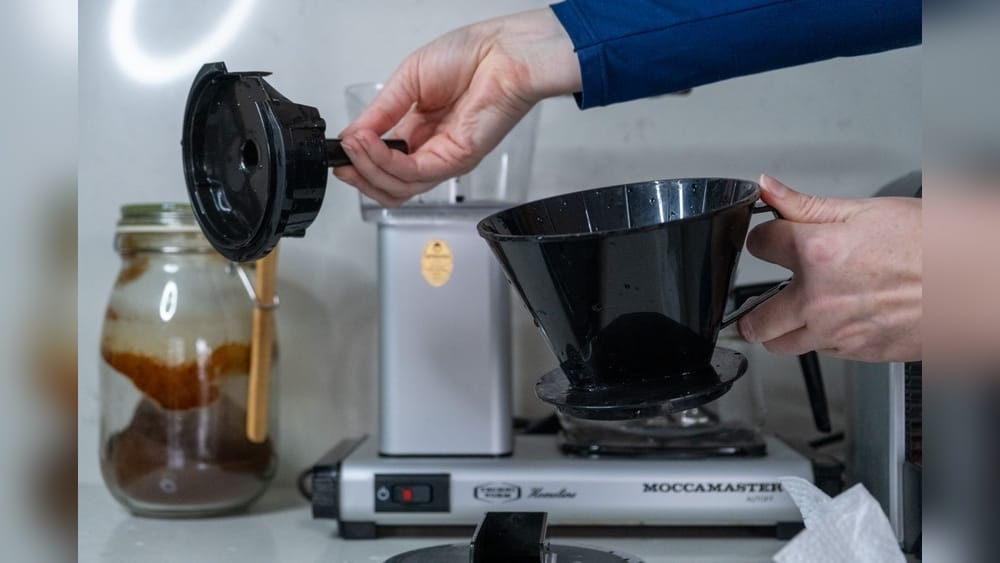
Take out the filter basket and carafe. Wash them with warm, soapy water. Use a soft cloth or brush to remove stains. Rinse well and dry completely before reassembling. Clean parts prevent new clogs and improve flavor.

Credit: www.youtube.com
Alternative Cleaning Methods
Cleaning a clogged coffee maker can be simple with alternative methods. These techniques use common household items or special cleaners. They remove build-up and improve your machine’s performance. Choose a method that suits your needs and available materials.
Using Lemon Juice
Lemon juice is a natural cleaner. It cuts through mineral deposits and stains. Fill the water reservoir with equal parts lemon juice and water. Run a brew cycle without coffee grounds. Afterward, run two cycles with clean water to rinse. Your coffee maker will smell fresh and work better.
Applying Baking Soda Paste
Baking soda is gentle but effective. Mix baking soda with a little water to make a paste. Apply the paste to clogged parts or stains. Let it sit for 15 minutes. Use a soft cloth or sponge to scrub the paste away. Rinse thoroughly to remove any residue. This method helps clear blockages and refreshes your machine.
Using Commercial Cleaners
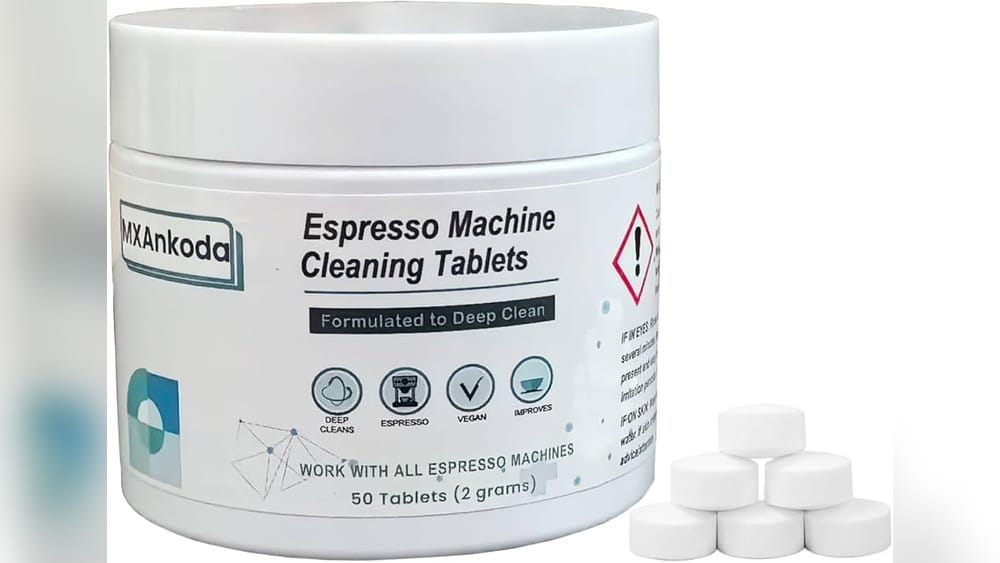
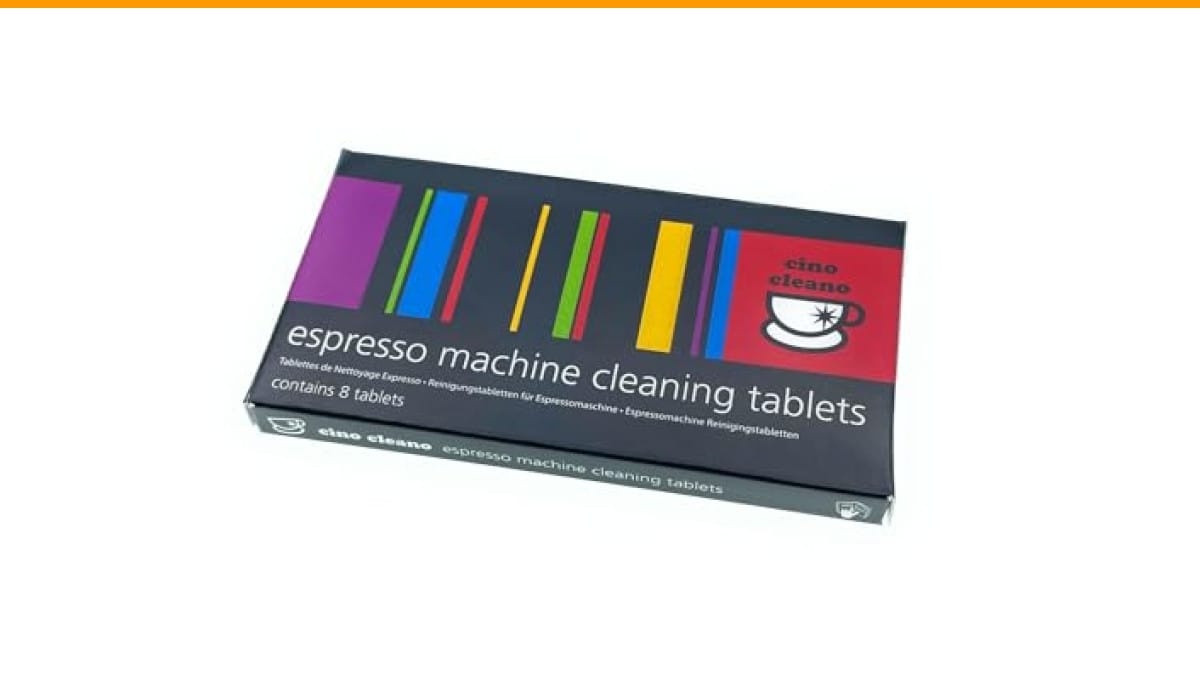
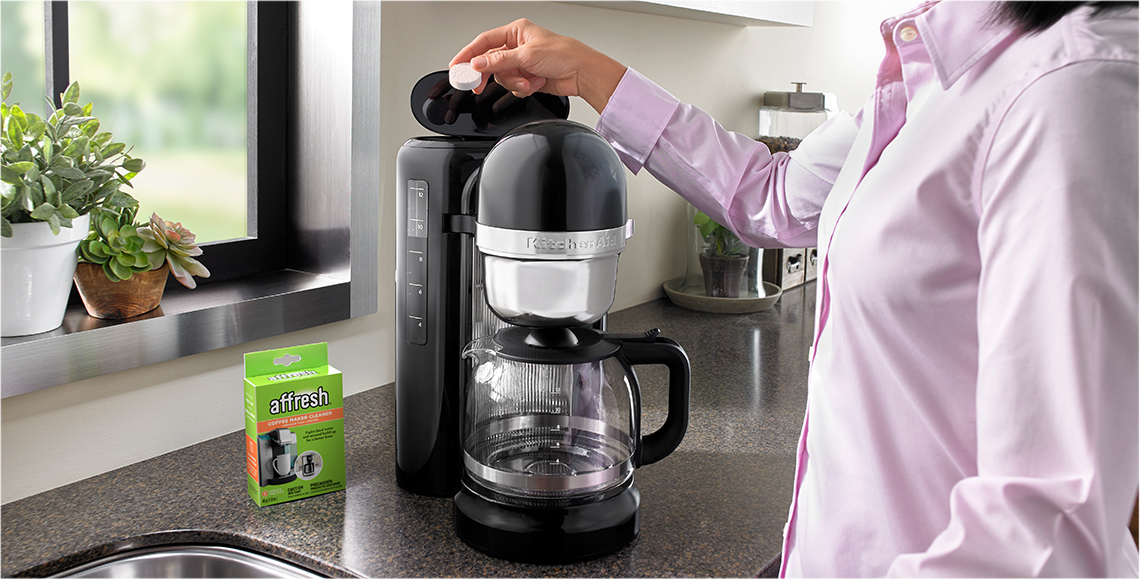
Commercial coffee maker cleaners target tough build-up. Follow the instructions on the package carefully. Typically, you dissolve the cleaner in water and run a brew cycle. Run one or two cycles with plain water afterward to rinse. These cleaners often work faster and deeper than home remedies.
Preventing Future Clogs
Preventing future clogs in your coffee maker keeps it working well for a long time. Small steps can stop buildup and blockages. Clean parts and use proper water and coffee amounts. This avoids common problems that slow or stop your coffee machine.
Regular Cleaning Schedule
Clean your coffee maker every one to two weeks. Use a mixture of water and vinegar to remove mineral deposits. Rinse well to avoid vinegar taste. Wipe all parts, including the filter basket and carafe. Regular cleaning stops dirt and oils from building up. This keeps water flowing smoothly.
Using Filtered Water
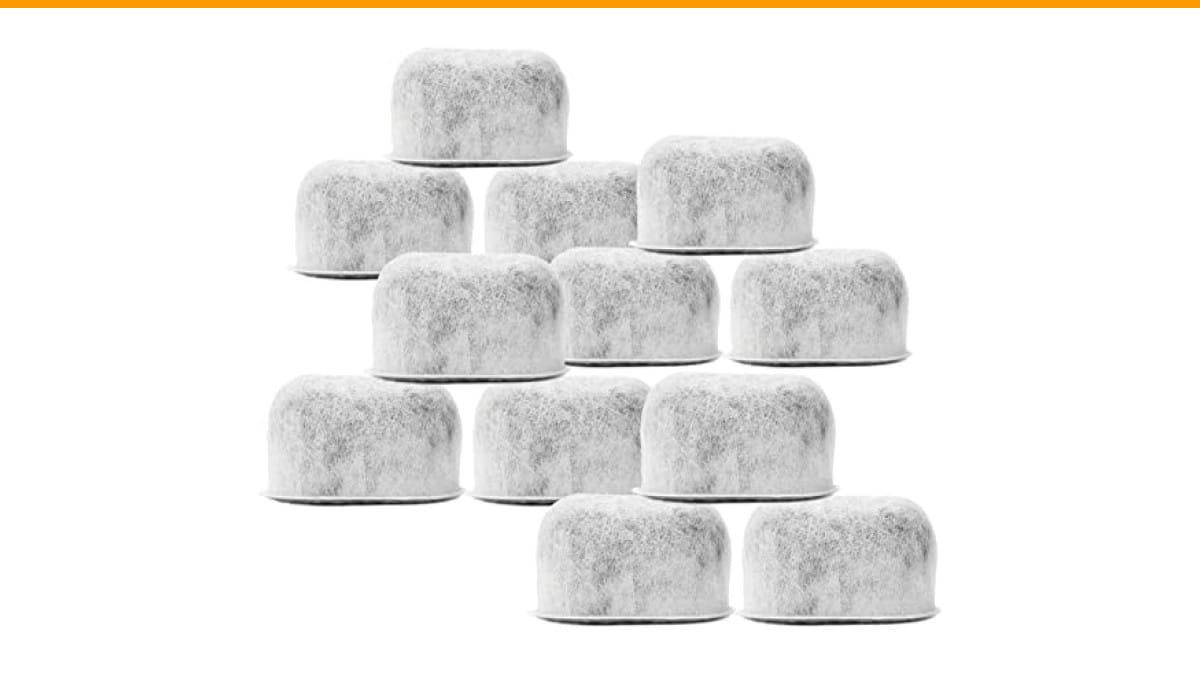
Filtered water has fewer minerals than tap water. Minerals cause scale buildup inside the machine. Using filtered water reduces deposits and clogs. It helps your coffee taste better too. Change the water filter often if your machine has one. This keeps your coffee maker clean and working well.
Proper Coffee Grounds Measurement
Use the right amount of coffee grounds for each brew. Too many grounds can block the filter and pipes. Follow the coffee maker’s instructions for measurements. Use a scoop or measuring spoon for accuracy. Proper amounts prevent overflow and clogging. Your coffee will taste better, and the machine stays clear.
Credit: www.affresh.com
When To Call A Professional
Knowing when to call a professional can save your coffee maker from serious damage. Some problems need expert attention beyond simple cleaning. Recognizing these signs helps keep your machine working well for years.
Persistent Clogging Issues
If your coffee maker clogs often despite regular cleaning, it may need professional help. Repeated blockages can signal deep internal buildup. Experts can clean parts you cannot reach safely. Ignoring this can lead to permanent damage.
Mechanical Problems
Strange noises, leaks, or failure to start are signs of mechanical trouble. These issues require special tools and knowledge to fix. Attempting repairs without experience might break your machine. A technician can diagnose and repair these problems properly.
Warranty Considerations
Check your warranty before trying complex repairs. Some actions may void your coverage. Professionals know how to fix issues without affecting warranties. Using authorized service keeps your warranty valid and your machine protected.
Frequently Asked Questions
How Often Should I Clean A Clogged Coffee Maker?
Clean your coffee maker every 1 to 3 months. Frequent cleaning prevents mineral buildup and clogs. Regular maintenance ensures better coffee flavor and machine longevity.
What Household Items Unclog A Coffee Maker?
White vinegar and water effectively unclog coffee makers. Vinegar dissolves mineral deposits and cleans internal parts. Use a 1:1 vinegar-to-water ratio for best results.
Can Baking Soda Help Clean A Coffee Maker?
Yes, baking soda can remove odors and residue. Mix it with water to create a gentle cleaning solution. It’s safe for regular maintenance but not as strong as vinegar.
How Do I Descale A Coffee Maker Properly?
Fill the reservoir with equal parts vinegar and water. Run a brewing cycle halfway, then pause for 30 minutes. Complete the cycle and rinse with fresh water twice.
Conclusion
Cleaning your clogged coffee maker keeps your coffee fresh and tasty. Regular cleaning stops build-up and protects your machine. Use simple household items like vinegar and water for best results. Clean your coffee maker every few weeks to avoid clogs.
A clean machine saves money by lasting longer. Enjoy smooth, flavorful coffee every morning. Simple steps make a big difference. Start cleaning today for better coffee tomorrow.
Related pick: Check today's price on Amazon Sponsored / affiliate links. As an Amazon Associate I earn from qualifying purchases. I may earn additional commission from eligible campaigns.Products related to this article
 HomeBeyond Espresso Coffee Maker 12 Cups, Classic Stovetop Espresso Maker, 600ml / 20oz Coffeemaker for Gas & Ceramic Stovetops (Silver)
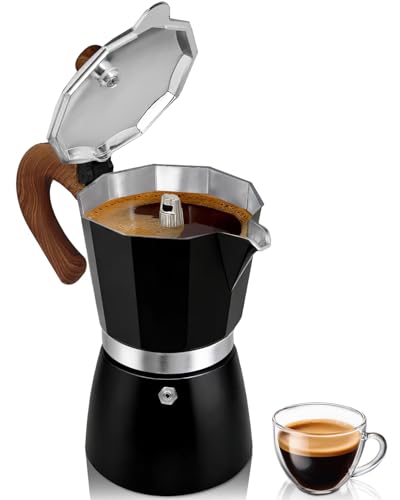 Belly Moka Coffee Maker Stovetop Espresso Maker 9 Cup Aluminum Moka Pot Percolator 15oz 450ml Easy Brewing for Electric Ceramic Stoves Home Camping Italian Cuban Café Classic Black
 Belly Moka Coffee Maker Stovetop Espresso Maker 6 Cup Aluminum Moka Pot Percolator 10oz 300ml Easy Brewing for Electric Ceramic Stoves Home Camping Italian Cuban Café Classic Silver