If you brew pour-over coffee even occasionally, an electric gooseneck kettle is worth the money. The Fellow Stagg EKG Pro, with its precision spout and to-the-degree temperature control, is the best example of why. But if you mostly make French press or tea for a family, a standard electric kettle does the job faster and cheaper. The real question isn’t which is ‘better’ — it’s which matches how you actually brew.

Fellow
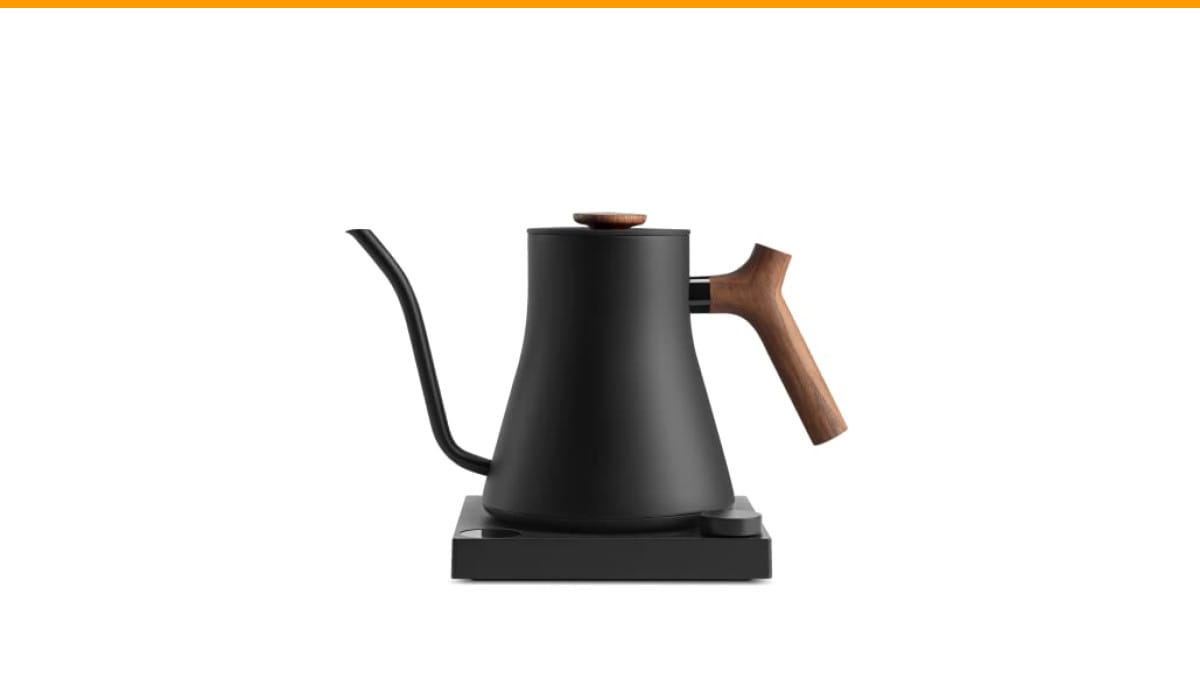
Fellow Stagg EKG Pro Gooseneck Electric Kettle…
- THE ULTIMATE POUR-OVER KETTLE: Designed for pour-over perfection, the precision spout ensures a smooth, steady flow for better-tas…
- TAILORED TO YOUR ROUTINE: The full-color display offers an intuitive interface for seamless control. Schedule your boil, adjust ho…
- POUR LIKE A PRO: A precision gooseneck spout ensures a slow, controlled pour—enhancing saturation for balanced extraction. An ergo…
As an Amazon Associate I earn from qualifying purchases.
I’ve tested both styles side by side for weeks. The gooseneck’s narrow spout changes the way water hits the coffee bed, and that alone can improve extraction. But it also means slower pours, more careful handling, and a specific cleaning routine. A standard kettle pours fast and wide, which is great for volume but terrible for precision.
This guide compares the electric gooseneck kettle vs standard electric kettle across flow physics, brewing methods, speed, safety, and maintenance. You’ll know exactly which one belongs on your counter by the end.
The Short Answer: Which Kettle Should You Buy?
Buy the gooseneck if you brew single cups of pour-over or tea and care about temperature precision. The Stagg EKG Pro gives you a slow, controlled flow that saturates coffee grounds evenly — that’s the difference between a flat cup and a vibrant one. It also heats water quickly and holds a set temperature, so you’re not babysitting the kettle.
Buy a standard electric kettle if you make French press, drip coffee for several people, or tea by the pot. You’ll get faster boils, larger capacity, and a cheaper price. The wide spout dumps water fast, which is fine for immersion brewing where agitation doesn’t matter as much.
There’s overlap. A gooseneck can brew tea for two if you pour carefully. A standard kettle can do pour-over if you’re desperate. But neither will feel great in the other’s role.
The Core Difference: Spout Design and Flow Physics
The gooseneck’s spout is narrow and curved, which creates laminar flow — water moves in smooth, parallel layers. That means a steady, consistent stream that doesn’t splash or aerate. The Stagg EKG Pro’s precision spout delivers exactly this. You can pour in a thin, controlled ribbon that lands precisely where you aim.
A standard kettle has a wide, open spout. Water exits in turbulent flow, with splashing and irregular velocity. That’s fine for filling a French press, but it wrecks a pour-over. The turbulent stream digs channels into the coffee bed, causing over-extraction in some areas and under-extraction in others.
The spout diameter also affects agitation. A gooseneck lets you pour gently, so you can wet the grounds without disturbing them. A standard kettle’s fast flow stirs the bed aggressively, which can stall your brew and make it bitter.
If you’ve ever watched a barista pour in slow circles, that’s laminar flow in action. You can’t replicate that with a standard spout.
Brewing Methods: Where Each Kettle Excels
Pour-Over and Single-Cup Coffee (Gooseneck Wins)
Pour-over is the gooseneck’s home turf. The Stagg EKG Pro’s design lets you control the flow rate with a slight wrist tilt. You can do a slow bloom, then a steady spiral pour, then a final center pour — all without the stream breaking or splashing.
The temperature control is equally important. Pour-over needs water between 195°F and 205°F depending on the roast. The Stagg EKG Pro’s to-the-degree control and guide mode presets for coffee styles make it easy to hit the right number. You’re not guessing with a thermometer.
For single-serve tea, a gooseneck is also excellent. You can pour hot water directly over a tea bag or leaves in a cup, controlling the flow to avoid splashing. The brew stopwatch helps you steep for the right time.
French Press, Drip, and Tea for a Crowd (Standard Wins)
French press requires pouring a lot of water quickly into a carafe. A standard kettle’s wide spout does this in seconds. A gooseneck would take minutes and feel tedious.
Drip coffee makers have their own water reservoirs, so you don’t need a precision spout at all. You just need hot water to fill the tank. A standard kettle boils faster and holds more.
Tea for a group is another clear standard-kettle win. You’re filling a teapot or multiple mugs. The gooseneck’s slow pour becomes a bottleneck. The Stagg EKG Pro has a 0.9-liter capacity, which is fine for one or two cups but not a crowd.
Speed, Capacity, and Power: The Practical Trade-offs
Standard kettles generally have higher wattage and larger capacity. They boil a full liter in under two minutes. Gooseneck kettles like the Stagg EKG Pro are slower — the narrow base and lower wattage mean you’ll wait a bit longer for a full boil.
But here’s the thing: you rarely fill a gooseneck all the way. For a single pour-over, you need about 400ml. The Stagg EKG Pro heats that quickly, and the quick heat time is one of its selling points. At partial fill levels, the difference in boil speed between the two types narrows significantly.
Capacity matters for volume. The Stagg EKG Pro holds 0.9 liters, which is enough for two large mugs. A standard kettle often holds 1.5 to 1.7 liters. If you’re boiling water for pasta or multiple cups of tea, the standard kettle wins on both capacity and speed.
Energy efficiency also favors the standard kettle at full loads. It heats more water with less energy per cup. But for small batches, the gooseneck’s smaller volume means you’re not boiling excess water, which wastes electricity.
Temperature Control: A Feature, Not a Spout Type
You can find variable temperature control on both gooseneck and standard electric kettles. The spout type doesn’t determine that feature. The Stagg EKG Pro has to-the-degree control, a full-color LCD, and a schedule function — you can set it to boil before you wake up. That’s impressive, but a standard kettle with temperature presets can also hit 180°F for green tea or 200°F for black tea.
The real difference is precision. The Stagg EKG Pro’s display shows the exact temperature, and the hold mode keeps it there. A standard kettle with a simple dial might have a 5-degree variance. For most people, that’s fine. For pour-over enthusiasts, it’s not.
If you’re considering a gooseneck mainly for temperature control, think about your actual needs. If you only make coffee with a drip machine, you don’t need precise temperatures. If you’re brewing single-origin pour-overs, you do.
Safety, Stability, and Noise: The Overlooked Factors
Gooseneck kettles are tall and narrow, which means a higher center of gravity. The Stagg EKG Pro is stable on its base, but you should be careful when it’s full and hot. A standard kettle with a wide base is less likely to tip over.
The gooseneck’s spout also creates a potential burn hazard. The spout is long and exposed, and it gets hot. If you have kids or pets, that’s a consideration. Standard kettles have shorter, more protected spouts.
Noise is another difference. The Stagg EKG Pro heats water relatively quietly — you hear a soft rumble, not a violent roar. Standard kettles with higher wattage often boil with a louder, more aggressive sound. Neither is bad, but if you’re brewing early morning, the gooseneck is less disruptive.
One more thing: the gooseneck’s narrow spout means you can’t easily see inside to check water level. The Stagg EKG Pro has a water window, but it’s small. A standard kettle usually has a clear window that’s easier to read.
Cleaning and Descaling: The Hidden Maintenance Burden
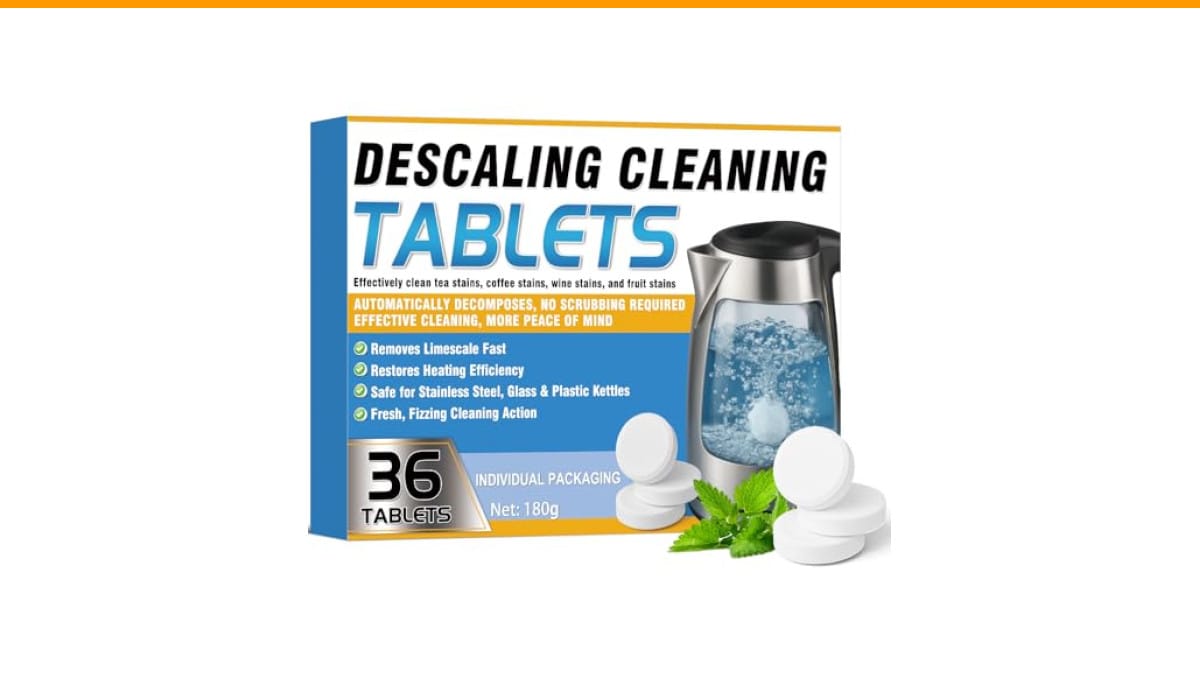
Mineral buildup is the gooseneck’s Achilles’ heel. The narrow spout can clog with limescale over time, and cleaning it requires a brush that fits inside. You’ll need to descale more often with a gooseneck, especially if you have hard water.
The Stagg EKG Pro’s spout is removable? No, it’s not. You have to descale in place. A standard kettle’s wide opening makes cleaning easier — you can reach inside with a sponge or use a descaling solution without worrying about clogs.
For descaling, I use a vinegar solution and let it soak. That works for both types. But the gooseneck requires more patience to ensure the solution reaches the spout. A standard kettle is more forgiving.
If you’re not diligent about cleaning, a gooseneck will eventually slow down its flow. That’s a real downside. But regular descaling every few months keeps it working fine.
Price and Long-Term Value: What You’re Really Paying For
The Stagg EKG Pro is a premium product with a premium price. You’re paying for the precise spout, the to-the-degree temperature control, the LCD screen, and the build quality. It’s an investment in your brewing ritual.
A standard electric kettle costs a fraction of that. It does one thing — boils water — and does it well. For many people, that’s all they need.
Long-term value depends on how often you use the features. If you brew pour-over daily, the Stagg EKG Pro pays for itself in better coffee. If you only use a kettle occasionally, the standard type is the smarter buy.
Check the current price on Amazon to see the difference — it’s significant.
Common Mistakes to Avoid When Buying
One mistake is buying a gooseneck without checking the flow rate. Some goosenecks have spouts that are too narrow or too wide. The Stagg EKG Pro’s spout is well-balanced, but not all are.
Another mistake is ignoring the capacity. If you often brew for more than two people, a 0.9-liter gooseneck will frustrate you. Buy a standard kettle for volume.
Don’t assume a gooseneck is automatically better for all coffee. It’s only better for pour-over and single-cup methods. For French press or drip, it’s a hindrance.
Finally, don’t neglect the counter space. A gooseneck is tall, so it needs clearance under cabinets. A standard kettle is shorter and fits more easily.
Frequently Asked Questions
Can I use a gooseneck kettle for French press?
Yes, but it’s not ideal. The slow pour means you’ll spend a minute filling the press, and the water may cool slightly. A standard kettle is faster and better for immersion brewing.
Does the Stagg EKG Pro have a hold temperature mode?
Yes, it has an adjustable hold mode that keeps water at your set temperature. That’s useful for multiple cups or if you get distracted.
How long does the Stagg EKG Pro take to boil?
It heats quickly, especially at partial fill levels. A full 0.9 liters takes a few minutes, but for a single pour-over (about 400ml), it’s ready in under two minutes.
Is a gooseneck kettle worth it for tea?
For single cups of delicate tea, yes — the temperature control and gentle pour are great. For a pot of tea for a group, a standard kettle is more practical.
How do I clean a gooseneck spout?
Use a descaling solution and let it soak, then rinse thoroughly. A narrow bottle brush helps. Avoid abrasive cleaners that could scratch the interior.
The Bottom Line
The electric gooseneck kettle vs standard electric kettle decision comes down to your workflow. If you’re a pour-over devotee who brews one cup at a time and appreciates temperature precision, the Fellow Stagg EKG Pro is a fantastic choice. It’s also great for single-serve tea.
If you brew French press, make drip coffee for a family, or need to boil water quickly for cooking, save your money and get a standard kettle. You won’t miss the gooseneck spout.
For most home users, a standard kettle is the practical pick. But if your coffee ritual revolves around pour-over, the gooseneck’s flow control and temperature accuracy are worth the premium. Just remember to descale it regularly and keep it away from the edge of the counter.
And if you’re building out your coffee setup, don’t forget that a good grinder matters just as much as the kettle. Check out our burr grinder guide to pair with your new kettle. For espresso lovers, our espresso machine comparison might change your mind about what to buy next.
Ready to buy? Check the latest price on Amazon
Sponsored / affiliate links. As an Amazon Associate I earn from qualifying purchases. I may earn additional commission from eligible campaigns.Products related to this article