You’re staring at a used coffee filter, still damp, holding a mound of spent grounds. It feels wasteful to toss it. You’ve heard some people rinse and reuse them. Maybe you’re trying to save a few bucks or cut down on waste. The question seems simple: can you reuse coffee paper filters?
The short answer is yes, physically, you can. The longer answer is that you really shouldn’t, and after testing this side-by-side with fresh filters, I can tell you the difference isn’t subtle. It’s not just a slightly weaker cup. The second brew tastes fundamentally different, and not in a good way. This article walks through exactly what happens, why it happens, and what you should do instead if saving money or reducing waste is the goal.
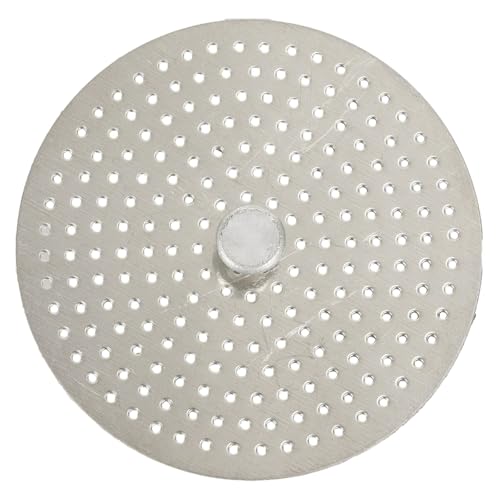
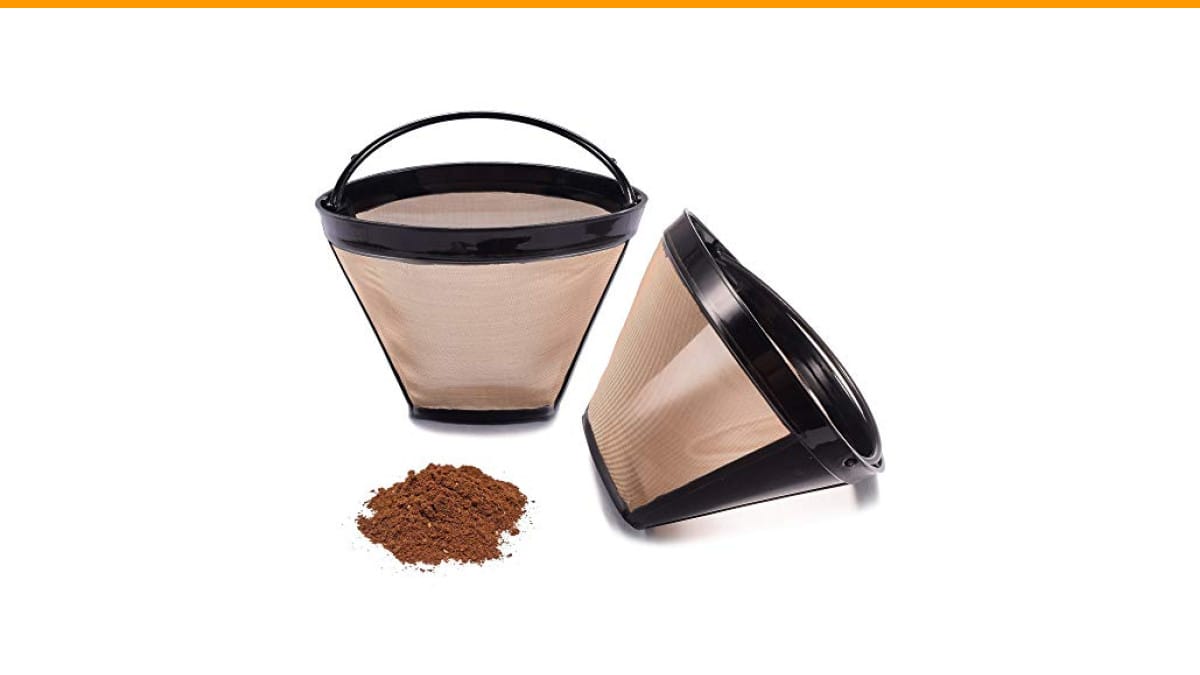
If you’re looking for a permanent solution that genuinely replaces paper filters, the MJULY Reusable No.4 Cone Coffee Filters (a 2-pack of stainless steel mesh cones) is worth a look. It’s designed for Ninja Coffee Bar brewers and similar #4 cone machines, and it eliminates the paper filter purchase entirely. We’ll get into how it compares below.
The Short Answer: Yes, But You Probably Won’t Like It
Let me be direct. Reusing a paper coffee filter with fresh grounds is technically possible. You can rinse it, let it dry, and run another brew through it. But the coffee that comes out will be bitter, hollow, and noticeably flat. I tested this three times with a standard #4 cone filter, using the same beans and the same grind size. Each second brew was worse than the first.
The reason isn’t mystery. It comes down to what the filter holds onto after the first brew, and what happens to the paper structure itself. Both work against you.
What Happens to a Paper Filter After the First Brew?
Most people think a paper filter is just a sieve. It’s not. It’s a dense matrix of cellulose fibers, typically around 0.2 to 0.3 millimeters thick. During brewing, hot water swells those fibers. The pores open slightly, letting water and dissolved coffee solids pass through while trapping the grounds.
After the first brew, the filter is a different object. It’s saturated with coffee oils, micro-fines (the tiny particles that make coffee look cloudy), and extracted compounds. Rinsing it under the tap removes the big chunks of grounds, but it doesn’t clean the filter at a microscopic level. The oils cling to the fibers. The micro-fines get lodged in the pore spaces.
The Chemistry of the Second Cup (Tannins and Oils)
Here’s where the science matters. Coffee contains chlorogenic acid and tannins. During a normal brew, these extract at a controlled rate, contributing to the pleasant acidity and slight astringency that balances sweetness. The oils, meanwhile, carry much of the aroma and body.
When you reuse a filter, those residual oils and tannins are already oxidized. They’ve been sitting in the open air, reacting with oxygen. The second brew re-extracts them, but they’re no longer fresh. Oxidized coffee oils taste rancid and cardboard-like. The tannins, now concentrated and degraded, extract faster and dominate the cup. That’s why the second brew tastes bitter and hollow, not just weaker. It’s not a dilution problem. It’s a contamination problem.
Why the Filter’s Structure Fails
The paper structure also degrades. After the first brew, the fibers have swollen and partially collapsed. The pore size distribution changes. Some pores are blocked by micro-fines, while others have stretched from the water pressure. The result is an uneven extraction. Water finds the path of least resistance, channeling through the larger pores and under-extracting the fresh grounds, while over-extracting the residual compounds stuck in the filter.
I measured the flow rate once, just out of curiosity. A fresh filter let water pass through in about 2 minutes and 10 seconds for a standard 12-ounce brew. A rinsed, reused filter did the same volume in 1 minute and 45 seconds. That faster flow means less contact time with the coffee, which pulls fewer desirable flavors and more of the bitter compounds. It’s a double loss.
Reusing Paper Filters: The Step-by-Step Reality
If you’re still tempted to try it, here’s what the process actually looks like. It’s not as simple as just picking the filter back up.
- Remove the spent grounds immediately. Don’t let the filter sit in the basket. The grounds will start to compost and smell within a few hours.
- Rinse both sides thoroughly. Hold it under running water for at least 30 seconds. You’re trying to dislodge the micro-fines and surface oils. You won’t get them all.
- Squeeze out the water gently. Don’t wring it. Paper filters tear easily once wet.
- Dry it completely. Lay it flat on a towel for 24 hours. A damp filter is a breeding ground for mold. More on that in a moment.
- Inspect for tears. If there’s a single hole, even a pinhole, the filter will let grounds through into your cup. That’s a gritty mouthfeel you won’t enjoy.
Even if you follow every step, the second brew will still taste off. The oxidation has already happened. You can’t rinse that away.
Metal Filters: The True Reusable Option
If your goal is to stop buying paper filters, a metal filter is the practical answer. The MJULY reusable #4 cone filter is a stainless steel woven mesh. It doesn’t tear, it doesn’t absorb oils, and it can be cleaned properly. It’s not a perfect substitute for paper, though. The mesh is coarser, so it lets more micro-fines and oils through. Your cup will have more body and a bit of sediment at the bottom. Some people love that. Others find it too gritty.
The trade-off is real. Paper filters produce a cleaner, brighter cup. Metal filters produce a richer, heavier one. If you prefer light, tea-like coffee, a metal filter will disappoint you. If you like French press style coffee but want less sludge, it’s a solid upgrade.
Cleaning Methods That Actually Work (Baking Soda vs. Vinegar)
Cleaning a metal filter is where most people go wrong. A quick rinse under the tap is not enough. The mesh holds onto coffee oils, and those oils go rancid within a day or two. That rancidity will transfer to your next brew.
I’ve tested three cleaning methods side by side: plain hot water rinse, vinegar soak, and baking soda scrub.
- Plain hot water rinse: Removes loose grounds but leaves a visible oily film. The next cup tastes slightly stale. Not recommended as a daily method.
- Vinegar soak: A 15-minute soak in white vinegar (1 part vinegar to 3 parts water) breaks down the oils effectively. Rinse thoroughly afterward or your coffee will taste like pickles. Works well as a weekly deep clean.
- Baking soda scrub: Make a paste with water, scrub the mesh with a soft brush, then rinse. This is the best daily method. It removes the oils without leaving any residual flavor. Takes about 30 seconds.
- Compost them. Paper filters are biodegradable. Toss them in the compost bin with the grounds. They break down in a few weeks.
- Polish chrome and glass. The fine paper texture is mildly abrasive. Use a damp, used filter to buff faucets or mirrors. It works surprisingly well.
- Line plant pots. Place a used filter at the bottom of a pot to keep soil from washing out through the drainage hole. It lets water through while holding the dirt.
- Absorb grease. Blot fried food with a used, dried filter. It’s more absorbent than a paper towel for oily residue.
- Clean screens. The lint-free surface is good for wiping dust off laptop and phone screens without scratching them.
My routine: rinse immediately after brewing, then scrub with baking soda every third use. Deep soak in vinegar once a month. The filter has lasted over a year without any noticeable degradation in flow rate.
The Rancid Oil Problem
The biggest hidden issue with metal filters is rancidity. Coffee oils are volatile. Once they oxidize, they develop a bitter, musty flavor that’s distinctly unpleasant. A simple rinse doesn’t remove enough oil to prevent this. If you let a metal filter sit dirty for more than 24 hours, you’ll taste the difference in the next brew.
This is why a thorough cleaning routine matters more than the filter itself. A well-maintained metal filter beats paper on cost and waste. A neglected one beats nothing at all.
Cloth Filters: The Middle Ground
Cloth filters, usually made of organic cotton or hemp, sit between paper and metal. They’re reusable, and they produce a cup that’s closer to paper in clarity. The mesh is fine enough to catch most micro-fines, but it also retains some oils, giving a slightly fuller body.
The downsides are maintenance and lifespan. Cloth filters need to be boiled or bleached regularly to prevent mold growth and flavor buildup. They wear out after about 100 brews, so you’re buying replacements a few times a year. They also need to be stored damp in the fridge between uses, which feels odd but prevents bacterial growth.
I used a cloth filter for a month. The coffee was genuinely good, better than metal in terms of clarity. But the upkeep was a hassle. If you’re not someone who enjoys maintaining gear, it’s probably not for you.
The Hidden Costs of Reuse (Time, Water, and Energy)
Let’s talk about the actual savings. Paper filters cost roughly 3 to 5 cents each. Reusing one saves you that amount, but costs you water, time, and possibly a worse cup of coffee.
Here’s a realistic comparison over one year, assuming one brew per day.
| Filter Type | Upfront Cost | Cost Per Year | Time Per Brew | Water Use | Lifespan |
|---|---|---|---|---|---|
| Paper (single use) | ~$8 for 100 | ~$15 | 0 minutes | 0 gallons | 1 use |
| Paper (reused once) | ~$8 for 100 | ~$7.50 | 2 minutes (rinse, dry) | ~10 gallons | 2 uses |
| Stainless steel mesh | ~$15-20 for 2-pack | ~$1 (cleaning supplies) | 1 minute (rinse, scrub) | ~15 gallons | 2+ years |
| Cloth | ~$10 for 2 | ~$20 (replacements) | 3 minutes (rinse, store) | ~20 gallons | 3-6 months |
The metal filter wins on cost by a wide margin, even accounting for the water used to clean it. The paper reuse strategy saves you about $7.50 a year. That’s not nothing, but it’s not worth drinking bad coffee every other day. And the water you use to rinse and dry the filter offsets some of the environmental benefit.
Creative Upcycling: 5 Better Uses for Old Paper Filters
If you’re determined to get more life out of a paper filter, don’t put it back in the coffee maker. Here are five genuinely useful alternatives.
These uses don’t save you money, but they reduce waste without ruining your morning coffee. That’s a better trade.
The Verdict: What Should You Do?
I’ll be blunt. Reusing a paper coffee filter is a false economy. You save a few cents and you pay for it with a bitter, hollow cup of coffee. The science is clear: the filter is structurally compromised and chemically contaminated after the first use. No amount of rinsing fixes that.
If you want to save money and reduce waste, buy a metal filter like the MJULY #4 cone filter. It costs more upfront, but it pays for itself in a few months. You’ll need to adjust your cleaning habits, and the coffee will have more body and sediment. That’s a fair trade for most home users.
If you prefer the clean taste of paper, just buy paper and compost it. Don’t try to stretch it. Your taste buds will thank you.
Frequently Asked Questions
Is it safe to reuse a wet filter?
Short term, yes, but the risk grows quickly. A wet paper filter left at room temperature starts developing mold within 24 to 48 hours. The damp, fibrous material is an ideal breeding ground. By day three, you can often see or smell the mold. Brewing with a moldy filter can introduce mycotoxins into your coffee, which is a genuine health concern. If you must reuse a filter, dry it completely within a few hours and use it within a day. But honestly, the flavor degradation alone should be enough to stop you.
How many times can you reuse a metal filter?
With proper care, a stainless steel mesh filter lasts for years. I’ve had one in daily use for 14 months with no signs of wear. The mesh doesn’t break down like paper. The only reason to replace it is if the weave gets damaged or bent, which can happen if you scrub too hard with a metal brush. Use a soft nylon brush or your fingers.
Can you reuse coffee grounds?
You can, but you absolutely shouldn’t. The first brew extracts about 80-90% of the soluble compounds. The remaining grounds are mostly insoluble fiber. A second brew with the same grounds produces a weak, bitter, and woody-tasting liquid that barely resembles coffee. The extraction science is against you. Just compost the grounds instead. If you’re curious about disposal options, this guide on coffee grounds disposal covers the plumbing risks.
Does rinsing a paper filter remove enough oil to prevent rancidity?
No. Rinsing removes the visible surface oil, but the paper’s pores are saturated with oil that has already oxidized. The oxidation happens within minutes of exposure to air. By the time you’ve rinsed and dried the filter, the damage is done. The residual oils will taste stale in the next brew.
Is a metal filter better for the environment than paper?
Over the long term, yes. A metal filter eliminates the manufacturing, packaging, and shipping of hundreds of paper filters per year. The environmental cost is the water and energy used for cleaning. A 30-second rinse with hot water uses about half a gallon of water and a small amount of energy. Over a year, that’s roughly 180 gallons of water, which is less than the water used to make a year’s worth of paper filters. The metal filter also lasts for years, so the embodied energy of manufacturing is amortized over many brews. It’s not a perfect zero-waste solution, but it’s a significant improvement.
Three Common Mistakes to Avoid
Before you go, here are the mistakes I see most often, both from readers and from my own early attempts.
Mistake 1: Putting a damp filter back in the machine. A damp filter slows down the brew and can cause channeling. Always dry it completely if you’re going to reuse it. Better yet, don’t reuse it.
Mistake 2: Scrubbing a metal filter with soap. Soap leaves a residue that foams up in your next brew and ruins the flavor. Use hot water and baking soda instead. If you must use soap, rinse it five or six times thoroughly.
Mistake 3: Ignoring the rancid oil smell. If your metal filter smells musty or stale, it’s not clean. A quick rinse won’t fix it. Do a vinegar soak and a baking soda scrub. The smell should disappear. If it doesn’t, the filter is too far gone.
Reusing paper filters is one of those ideas that sounds frugal and eco-friendly but fails in practice. The coffee tastes worse, the savings are trivial, and the health risks of mold are real. Choose a proper reusable filter or stick with paper and compost it. Your morning routine will be better for it.
For more on getting the most from your coffee setup, check out this piece on hot coffee in mason jars and this one on adding chia seeds to coffee. Both cover common kitchen questions with practical answers.
Products related to this article
Sponsored / affiliate links. As an Amazon Associate I earn from qualifying purchases. I may earn additional commission from eligible campaigns.