You just unpacked a shiny new gooseneck kettle, filled it straight from the tap, and hit the button. Three weeks later, you notice a chalky white crust forming around the spout and your pour-over stream has started to wobble. Sound familiar?
Most people assume tap water is fine because it’s what comes out of the faucet. But the mineral content in your local supply directly affects your kettle’s lifespan and the flavor of your coffee. This article explains exactly which water types are safe, which ones can damage your kettle, and how to keep your equipment running for years.

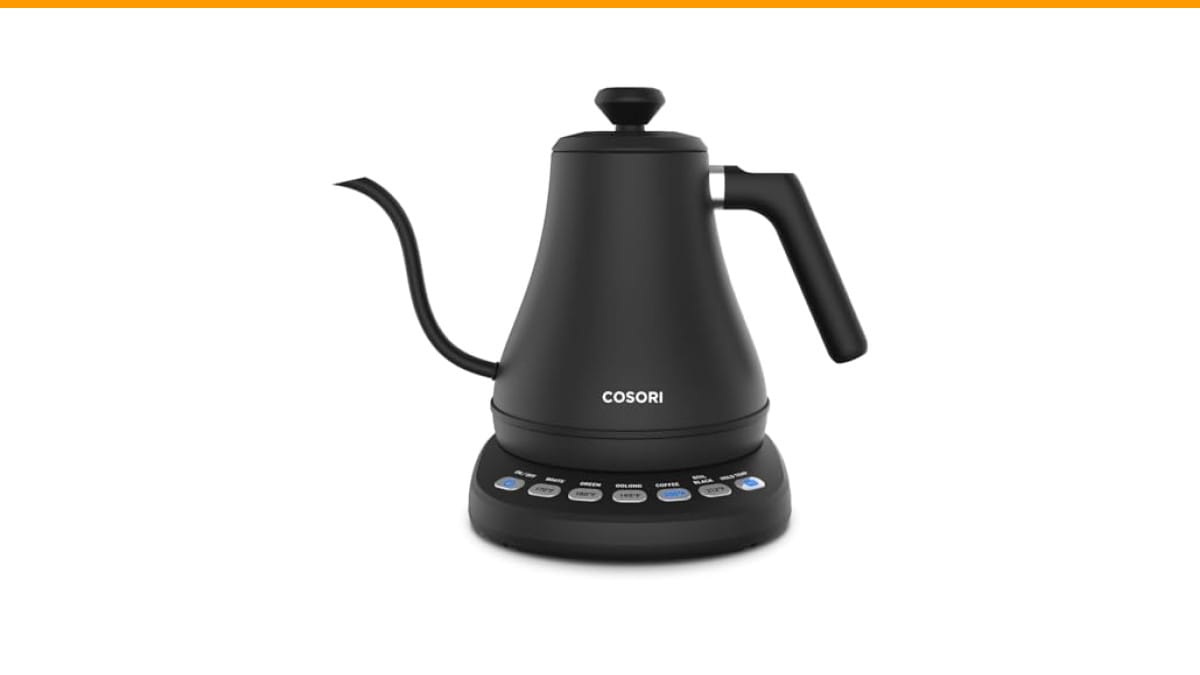
Cosori
Cosori Gooseneck Electric Kettle with Temperature Control,…
- 5 𝑶𝑵𝑬-𝑻𝑶𝑼𝑪𝑯 𝑷𝑹𝑬𝑺𝑬𝑻𝑺: Your Gooseneck Electric Kettle features 5 precise temperature presets. These accurate presets make brewing co…
- 1-𝑯𝑶𝑼𝑹 𝑲𝑬𝑬𝑷 𝑾𝑨𝑹𝑴: Use the HOLD TEMP function to keep the contents of your kettle warm for up to 1 hour so that you can enjoy your…
- 𝑬𝑹𝑮𝑶𝑵𝑶𝑴𝑰𝑪 𝑫𝑬𝑺𝑰𝑮𝑵: Refined ergonomic design allows for precise water flow control for perfect pour-over brewing
As an Amazon Associate I earn from qualifying purchases.
You’ll walk away knowing the difference between filtered, distilled, and softened water, why hard water is the enemy, and a simple maintenance routine that takes five minutes.
If you’re in the market for a reliable kettle, the Check Price on Amazon handles most water types well thanks to its 304 stainless steel interior. That material resists corrosion better than cheaper plastics or aluminum, which matters when you’re heating water daily.
The Short Answer: Yes, But It Depends on the Filter
Filtered water is generally safe and often better for your kettle than straight tap water. The catch is what kind of filter you’re using.
Carbon filters like Brita or PUR remove chlorine, sediment, and some heavy metals. They leave most minerals intact. That’s actually a good thing for your kettle and your coffee. Mineral-free water tastes flat, and some minerals help with extraction.
Reverse osmosis systems strip almost everything out of the water. That creates a different set of problems, which we’ll get to shortly.
The short version: stick with carbon-filtered tap water. Avoid distilled or fully demineralized water unless you enjoy shopping for replacement kettles.
Why Tap Water Damages Your Gooseneck Kettle
Tap water contains dissolved calcium and magnesium. When you heat water, those minerals precipitate out and stick to surfaces. That’s limescale.
The Science of Limescale and Heating Elements
Limescale acts as an insulator. A thin layer on your heating element means the element has to work harder to transfer heat into the water. Your kettle takes longer to boil, uses more electricity, and the element runs hotter than it should.
Over time, that extra heat stress can crack the element or burn out the thermostat. A kettle that should last five years might die in eighteen months on very hard water.
Hard water is defined as water with more than 120 mg/L of calcium carbonate. If you live in the Midwest or Southwest, chances are your tap water is in that range. You’ll see the evidence within a month.
How Hard Water Ruins Your Pour (and Taste)
Limescale doesn’t just stay on the heating element. It builds up inside the spout and along the interior walls. That narrows the spout opening, which disrupts the laminar flow you need for a controlled pour.
You’ll notice the stream starts to spit or veer off to one side. That’s not your technique. That’s scale.
And the taste? Scale flakes can break off into your brew. You’ll get a chalky, mineral-forward flavor that masks the delicate notes in a light roast. No amount of fancy beans can fix that.
The Filter Spectrum: From Brita to Reverse Osmosis
Not all filtered water is created equal. Here’s how the common options stack up for kettle use.
| Water Type | Mineral Content | Kettle Safety | Best For |
|---|---|---|---|
| Tap water (hard) | High calcium/magnesium | Poor — rapid scale buildup | Nothing, really |
| Carbon filtered (Brita, PUR) | Moderate — most minerals retained | Good — minimal scale if changed regularly | Pour-over coffee, daily brewing |
| Softened water | Sodium replaces calcium/magnesium | Fair — less scale, but sodium affects taste | Kettle longevity, not flavor |
| Reverse osmosis | Very low TDS | Risky — can corrode metal over time | Brewing if remineralized |
| Distilled | Zero minerals | Dangerous — aggressive corrosion, voids warranty | Steam irons, not kettles |
The Distilled Water Danger (and Why You Should Avoid It)
Distilled water has no dissolved minerals. That sounds clean, but pure water is actually aggressive. It wants to dissolve things to reach equilibrium.
In a stainless steel kettle, distilled water can leach nickel and chromium from the metal surface over time. You won’t see it immediately, but repeated use leads to pitting and discoloration. The water itself can also taste metallic because of what it’s pulling out of the kettle.
Most manufacturers explicitly warn against distilled water in their manuals. Use it and you risk voiding your warranty. The Cosori manual, like most others, recommends regular tap or filtered water.
If you have an RO system at home, don’t panic. You can remineralize the water with a pinch of sea salt or a dedicated mineral drop. That brings the TDS back up to a safe range and improves flavor at the same time.
Filtered Water vs. Brewing Performance
The water you use changes more than just the equipment’s lifespan. It changes the actual cup.
Extraction Rates in Pour-Over Coffee
Coffee extraction is a chemical process. Water pulls soluble compounds out of ground coffee. The rate of extraction depends on temperature, time, and water chemistry.
Magnesium and calcium ions help extract flavor compounds more efficiently than pure water. That’s why coffee brewed with distilled water tastes weak and sour. It’s under-extracted because the water can’t do its job.
Specialty coffee associations recommend water with a TDS between 150 and 250 ppm. Carbon-filtered tap water usually falls right in that sweet spot. RO water sits near zero, which is why it produces flat, lifeless cups.
The Impact on Tea Oxidation
Tea is a different story. Tea leaves oxidize when exposed to water, and that process is more forgiving of mineral content.
Hard water can dull the flavor of delicate green or white teas because the minerals bind with catechins. But filtered water with moderate hardness actually helps black teas brew more fully.
For tea drinkers, the bigger concern is temperature accuracy. A kettle with scale buildup on its sensor will read 200°F when the actual water temperature is 190°F. That’s a 10-degree miss that ruins a delicate sencha.
Clean sensors mean accurate temperatures. Accurate temperatures mean you can trust your presets.
Maintenance: Extending the Life of Your Investment
Even with filtered water, you’ll get some scale buildup. It’s unavoidable. The trick is staying ahead of it.
The 3-Step Descaling Routine
Do this every four to six weeks if you use your kettle daily. It takes about ten minutes total.
- Mix one part white vinegar with two parts water. Fill the kettle to the halfway mark.
- Boil the mixture, then let it sit for 15 minutes. The acid dissolves the calcium carbonate.
- Empty the kettle, rinse thoroughly, then boil fresh filtered water and discard it. That removes any lingering vinegar taste.
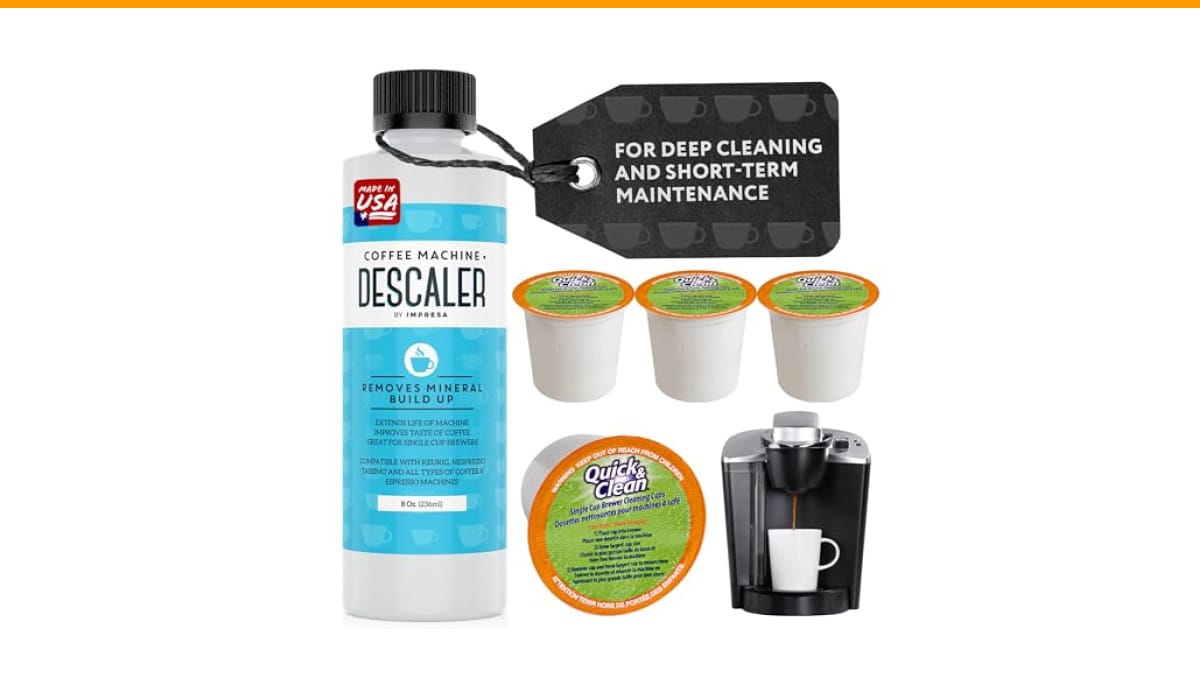
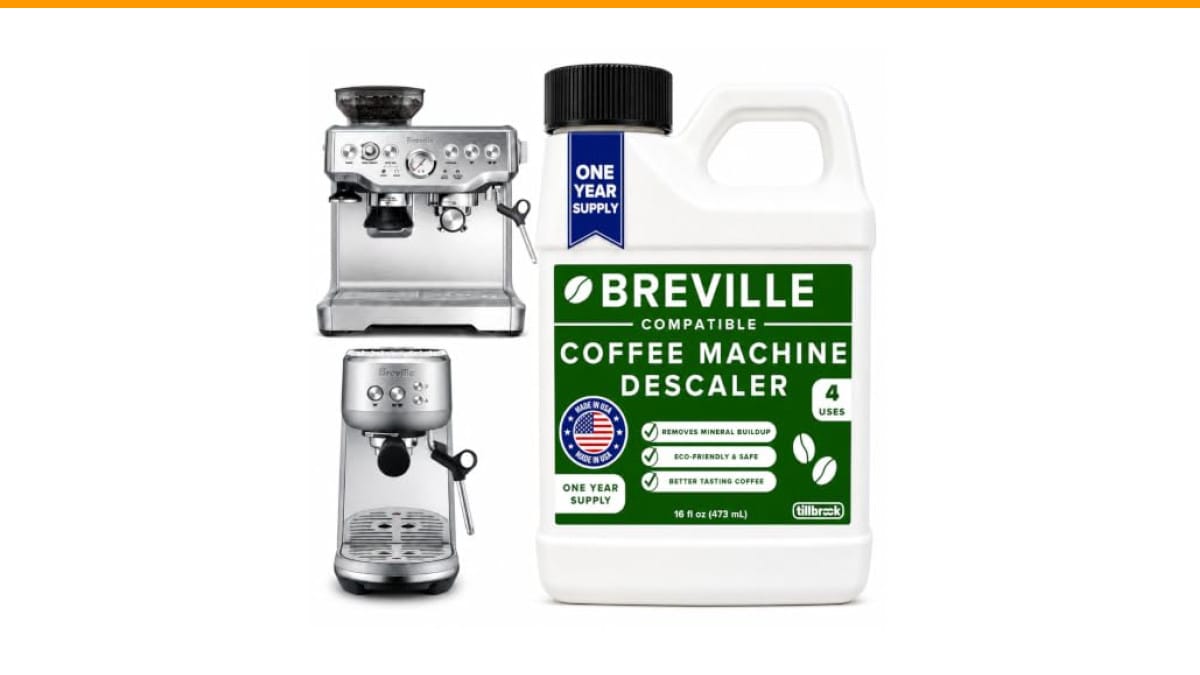
For heavy buildup, use a commercial descaling solution like Dezcal. It works faster than vinegar and doesn’t leave a smell. Just follow the instructions on the packet.
One thing I learned the hard way: don’t use a scrubbing pad on the interior. It scratches the stainless steel, and those scratches become nucleation sites for future scale. A soft cloth or sponge is plenty.
If you’re dealing with plumbing issues, check out this guide on coffee grounds disposal to avoid a related kitchen headache.
Frequently Asked Questions
Can I use Brita-filtered water in my electric gooseneck kettle?
Yes. Brita filters remove chlorine and sediment but leave beneficial minerals. This is the safest and best-tasting option for daily brewing. Just replace the filter cartridge every two months or so, because an exhausted filter stops removing scale-forming minerals.
Will using filtered water prevent limescale completely?
No. Carbon filters reduce but don’t eliminate calcium and magnesium. You’ll still get some scale, just slower than with hard tap water. Plan to descale every month or two regardless.
Is it safe to use distilled water in my kettle?
Technically it won’t hurt you, but it can damage the kettle. Distilled water is corrosive to stainless steel and can void your warranty. It also makes terrible coffee. Avoid it.
Does water quality affect the kettle’s temperature accuracy?
Yes. Scale buildup on the temperature sensor insulates it, causing inaccurate readings. A kettle that reads 200°F might actually be at 190°F. Regular descaling keeps the sensor accurate.
What’s the ideal TDS for pour-over coffee?
Aim for 150 to 250 ppm. Carbon-filtered tap water usually lands there. If you have an RO system, remineralize with a commercial additive before brewing. Your taste buds will notice the difference.
What I’d Do Differently
Looking back at years of testing kettles, I’d skip the tap water entirely and use a carbon filter from day one. It’s a small upfront cost that pays off in kettle longevity and cup quality.
If you already have scale buildup, don’t panic. A vinegar soak handles most cases. Just don’t let it go for months, because thick scale can permanently damage the heating element.
One more tip: always empty the kettle after use. Water sitting overnight lets minerals settle and form a film. A dry kettle is a happy kettle.
- Use carbon-filtered water (Brita, PUR) for the best balance of safety and flavor.
- Avoid distilled or RO water unless you remineralize it first.
- Descale every 4-6 weeks with vinegar or a commercial cleaner.
- Replace your filter cartridge regularly — an old filter does nothing.
- Check your kettle’s manual for warranty restrictions on water type.
- Empty the kettle after each use to prevent mineral film.
- If you notice a slower boil or spitting pour, scale is likely the culprit.
For more kitchen troubleshooting, you might also want to read about microwaving protein powder or freezing bearnaise sauce — both are common questions with surprising answers.
Your kettle is a tool. Treat it well, feed it good water, and it’ll give you years of consistent brews.
Products related to this article
Sponsored / affiliate links. As an Amazon Associate I earn from qualifying purchases. I may earn additional commission from eligible campaigns.
 SOLUSTRE Electric USB Coffee Cup Warmer with Temperature Settings Portable Milk and Beverage Heating Coaster for Office Desk Small Lightweight Design Easy to Clean Surface Multi Functional
 Coffee Mug Warmer & You are Awesome Mug Set, Electric Cup Warmer for Desk
 VOBAGA Coffee Mug Warmer with 15oz Mug Set, Electric Coffee Cup Warmer