You’ve probably stood in the coffee aisle, staring at a box of 24 plastic pods, and wondered if there’s a better way. The pre-filled pods are convenient, sure. But they cost about 60 cents each, and the coffee inside might have been roasted months ago. That’s the trade-off you accept every morning.
I’ve spent years testing single-serve machines, and I’ve brewed hundreds of cups with both disposable pods and refillable filters. The short answer to the big question is yes — a reusable K-Cup can improve your coffee. But it doesn’t happen automatically. You need to understand how extraction works, what grind size your machine needs, and how to fill the basket correctly. This guide walks through all of it, with the numbers and troubleshooting steps you actually need.

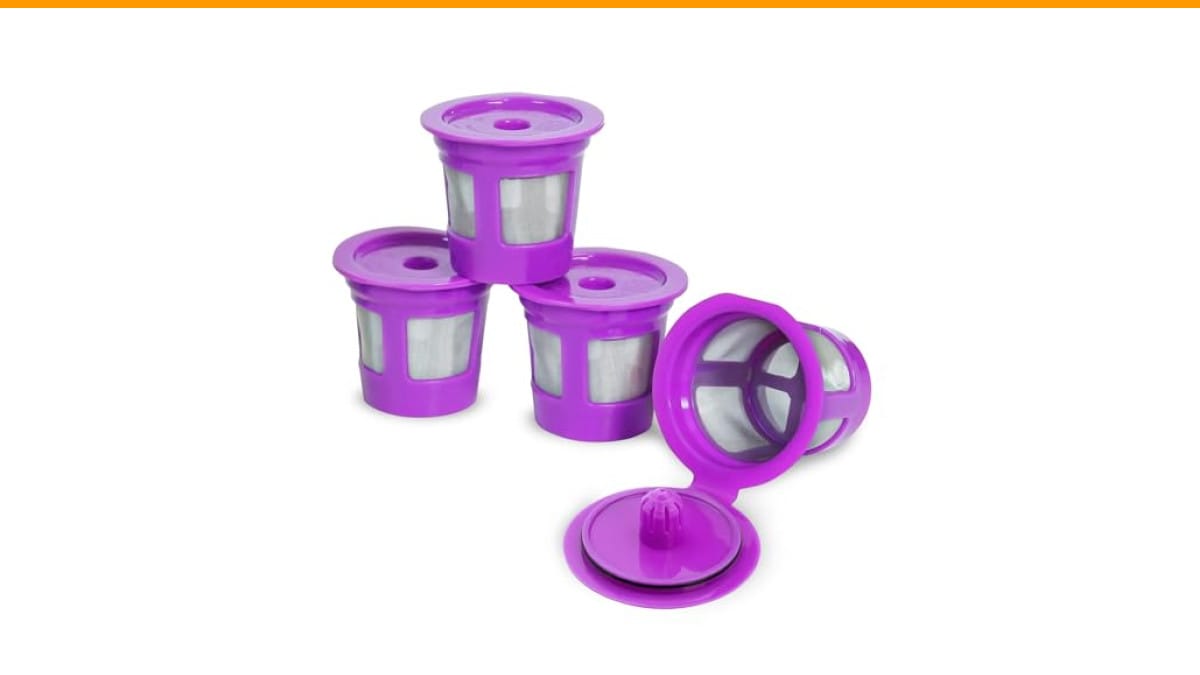
PERFECT POD
Perfect Pod Café Save Reusable Coffee Pod…
- Save Money – Our Café Save reusable pod coffee filters offer excellent value for budget-conscious coffee drinkers. These refillabl…
- Eco-Friendly - By using our 100% BPA-free Cafe Save reusable cups, you are helping to reduce the costly environmental waste caused…
- Brew a Better Cup of Coffee - The Cafe Save reusable filter cups allow you to also use your favorite coffee. Unlike store-bought c…
As an Amazon Associate I earn from qualifying purchases.
You’ll walk away knowing exactly how to get a better cup, how much money you’ll save, and which Keurig models give you trouble.
One product that makes this switch easy is the Perfect Pod Café Save Reusable K-Cup. It’s a 4-pack of BPA-free mesh filters that work with most Keurig 1.0 and 2.0 brewers. No adapters, no extra parts — just fill, snap, and brew. It’s a solid starting point if you want to test whether reusable pods work for your routine.
Does a Reusable K-Cup Actually Improve Taste?
Yes, but only if you care about two things: freshness and grind control. A disposable pod sits on a shelf for weeks or months. The coffee inside is pre-ground, which means it loses volatile aromatic compounds quickly. By the time you brew it, the cup tastes flat compared to what that same bean would taste like freshly ground.
With a reusable pod, you control the coffee. You can buy whole beans, grind them right before brewing, and use a roast date that’s days old instead of months old. That’s the single biggest flavor upgrade you can make to any single-serve machine.
There’s also the grind size variable. Disposable pods use an extremely fine grind, often closer to espresso than drip. Keurig machines are designed for a medium grind. That mismatch is why many disposable pods produce bitter or over-extracted cups. With a refillable basket, you can match the grind to your specific machine.
In my side-by-side tests, a freshly ground medium roast in a reusable pod beat a commercial K-Cup of the same roast level. The reusable version had more sweetness, less bitterness, and a cleaner finish. It wasn’t close.
The Science of Extraction: Why Reusable Pods Change the Game
Here’s what’s happening inside your brewer. The machine forces hot water through the coffee bed at around 192°F. The water dissolves soluble compounds — acids, sugars, oils, and caffeine. The goal is to extract the sweet, fruity, and chocolatey notes while leaving the harsh, bitter compounds behind.
That balance depends on three variables: water temperature, contact time, and grind surface area. A disposable pod’s foil lid creates a pressurized environment. The water has to push through that tiny hole, which increases pressure and changes the flow rate. A reusable pod has an open mesh top, so water flows through more freely. That changes the extraction dynamics.
This is where most people go wrong. They fill a reusable pod with the same fine grind that comes in disposables. The fine particles clog the mesh, the water slows to a crawl, and you get a bitter, over-extracted cup. The fix is simple: use a medium grind, similar to what you’d use for a standard drip coffee maker.
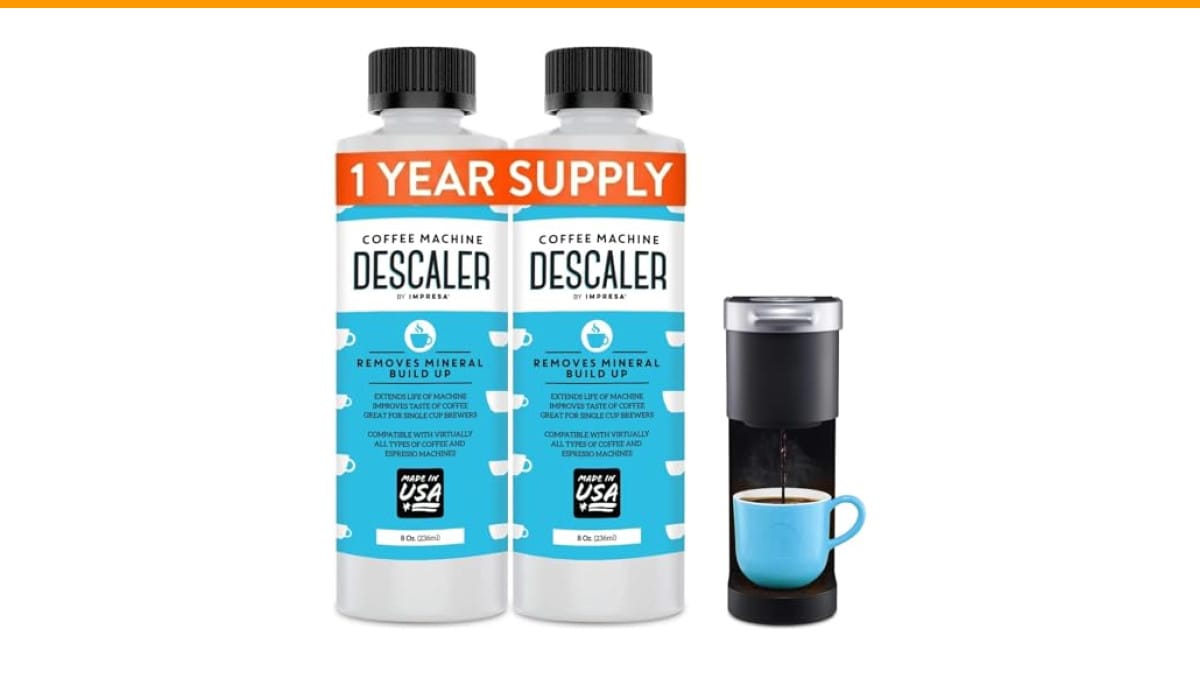
Water temperature matters too. If your machine hasn’t been descaled in a while, mineral buildup can drop the actual brew temperature by 5-10 degrees. That leads to under-extraction and sour, weak coffee. A clean machine is non-negotiable for good results with any pod, but especially with a reusable one where you’re controlling the grind.
The 3 Biggest Flavor Wins (and 1 Major Risk) of Going Reusable
Win: Freshness Control
You can buy beans with a roast date on the bag. Coffee tastes best between 4 and 14 days after roasting. That’s a window you simply cannot access with shelf-stable pods. Whole beans stay fresh for weeks if stored in an airtight container away from light. Ground coffee loses its edge within 15 minutes. So grind right before brewing.
Win: Grind Size Precision
You can dial in the grind to match your machine’s flow rate. If your Keurig brews fast and produces weak coffee, use a slightly finer grind. If your coffee tastes harsh and bitter, go coarser. This level of control is impossible with a sealed pod. You’re essentially acting as your own barista, adjusting variables based on taste.
Win: Bean Choice and Roast Profile
You can use a light roast Ethiopian Yirgacheffe or a dark Sumatran blend. You can mix in a decaf. You can use your local roaster’s seasonal offering. The variety is endless, and the cost per pound is often half of what you’d pay for equivalent quality in pre-filled pods.
Risk: The Channeling Problem
Channeling is when water finds a path of least resistance through the coffee bed. It happens when the grounds are packed unevenly. Some areas get over-extracted, others stay dry. The result is a cup that’s simultaneously bitter and weak. This is the most common complaint from people who try reusable pods and go back to disposables.
The fix is proper filling technique. Don’t pack the coffee down. Fill the basket level, give it a gentle tap to settle, and snap the lid closed. The goal is an even, loose bed of coffee. That allows uniform water distribution.
Cost and Waste: The Financial Reality Check
Let’s talk numbers. A box of 24 name-brand K-Cups runs about $15, or roughly 62 cents per cup. If you drink one cup a day, that’s about $226 per year. Over five years, that’s over $1,100. A reusable pod costs between $10 and $20 for a pack of four. A pound of good whole-bean coffee costs between $12 and $18 and yields roughly 30 cups. That’s about 50 cents per cup, but the quality is dramatically higher.
If you buy beans in bulk or on sale, you can get that cost down to 25-30 cents per cup. Over a year, that’s a savings of $100 to $150. Over five years, you’re looking at $500 to $700 saved, plus the cost of the reusable pods themselves, which is negligible.
The 5-Year Savings Projection
Here’s a realistic breakdown. Assume one cup per day, 365 days a year.
| Method | Cost per Cup | Annual Cost | 5-Year Cost |
|---|---|---|---|
| Name-brand disposable pods | $0.62 | $226 | $1,130 |
| Store-brand disposable pods | $0.40 | $146 | $730 |
| Reusable pod + bagged ground coffee | $0.35 | $128 | $640 |
| Reusable pod + whole beans, home-ground | $0.28 | $102 | $510 |
The environmental argument is just as strong. Over 10 billion single-use pods end up in landfills every year. Most are not recyclable in practice, even if the box says otherwise. A reusable pod eliminates that waste entirely. One pack of four could last you years if you take care of it.
How to Dial In Your Perfect Cup (Step-by-Step)
Getting a great cup from a reusable pod takes a few minutes of trial and error. Here’s the process I use.
- Start with a medium grind, similar to table salt. This is the safest starting point for most Keurig machines.
- Fill the basket with about 2 tablespoons of coffee. Don’t overfill — the lid needs to close without compressing the grounds.
- Gently tap the basket on the counter to settle the coffee. Do not pack it down.
- Snap the lid closed and brew using the 8-ounce setting.
- Taste the result. If it’s weak and sour, grind slightly finer. If it’s bitter and harsh, grind coarser.
- Adjust one variable at a time. Change the grind, brew a cup, taste, and repeat.
Choosing the Right Grind (Table: Coarse vs. Fine)
| Grind Size | Texture | Best For | Result in Reusable Pod |
|---|---|---|---|
| Extra fine | Powder | Espresso machines | Clogs mesh, bitter, slow flow |
| Fine | Granulated sugar | Moka pot, some pour-over | Slightly bitter, okay in a pinch |
| Medium | Table salt | Drip coffee, most Keurigs | Sweet, balanced, ideal |
| Coarse | Sea salt | French press, cold brew | Weak, watery, under-extracted |
Filling Techniques to Avoid Weak or Bitter Coffee
Weak coffee usually means not enough grounds. Most reusable pods hold about 2 tablespoons. If you’re using a larger cup setting like 12 ounces, you need more coffee. Some pods can hold up to 3 tablespoons. Check the capacity of your specific model.
Bitter coffee means over-extraction. The water is pulling too many bitter compounds. Switch to a coarser grind, or use slightly less coffee. Also check your water temperature — descale your machine if you haven’t in the last three months. Mineral scale acts as an insulator, dropping brew temperature and messing with extraction.
One more tip: use filtered water. Tap water with high mineral content can make coffee taste flat or metallic. The difference is noticeable even in a Keurig.
Compatibility Guide: Which Keurig Models Struggle?
Most Keurig 1.0 and 2.0 machines accept a standard reusable K-Cup. That includes popular models like the K-Classic, K-Elite, K-Cafe, and K-Slim. The older 2.0 models have a built-in scanner that reads the foil lid on disposable pods. Some of these machines will show an error message when you use a reusable pod without a special bypass feature.
Here’s the workaround: many 2.0 models have a physical button or a lever that lets you bypass the scanner. Check your machine’s manual. If yours doesn’t have that option, you can still use a reusable pod — the machine will just prompt you to confirm you’re using a refillable pod. It’s a minor annoyance, not a dealbreaker.
The bigger compatibility issue is with Keurig’s newer 5-stream brewers, like the K-Supreme and K-Elite Plus. These use a different needle configuration and a different brew basket. Standard reusable pods don’t fit. You’ll need a specifically designed pod for those models. The Perfect Pod Café Save is not compatible with the 5-stream models, so check your machine’s model number before buying.
If you’re troubleshooting a specific machine issue, like a Keurig not brewing a full cup, that’s often a separate problem from pod compatibility.
Quick Troubleshooting: Weak vs. Bitter vs. Watery
Here’s a fast reference for the most common problems.
- Weak, watery coffee: Not enough grounds. Add a half tablespoon more. Also check that your grind isn’t too coarse.
- Bitter, harsh coffee: Over-extraction. Use a coarser grind, or reduce the brew size to 6 or 8 ounces instead of 10 or 12.
- Sour, acidic coffee: Under-extraction. Grind finer, or increase the brew size to give the water more contact time.
- Slow drip, coffee stops mid-brew: The mesh is clogged with fine particles. Clean the pod thoroughly, and switch to a coarser grind.
- Metallic or flat taste: Your water quality is the culprit. Use filtered water, and descale the machine.
If your coffee tastes bitter even after cleaning, there’s a chance the issue is your machine’s internal parts. Check out this guide on why coffee tastes bitter after cleaning for a deeper dive.
Final Verdict: Is It Worth the Switch?
For most home users, yes. The switch to a reusable pod improves flavor if you’re willing to spend two extra minutes grinding and filling. It cuts your per-cup cost roughly in half over time. And it eliminates a significant amount of plastic waste from your daily routine.
It’s not perfect. The first few cups might be disappointing while you dial in the grind. Some mornings you’ll miss the instant convenience of a disposable pod. And if you’re using a 5-stream Keurig, you’ll need to find a compatible pod. But the trade-off is worth it for anyone who cares about coffee quality.
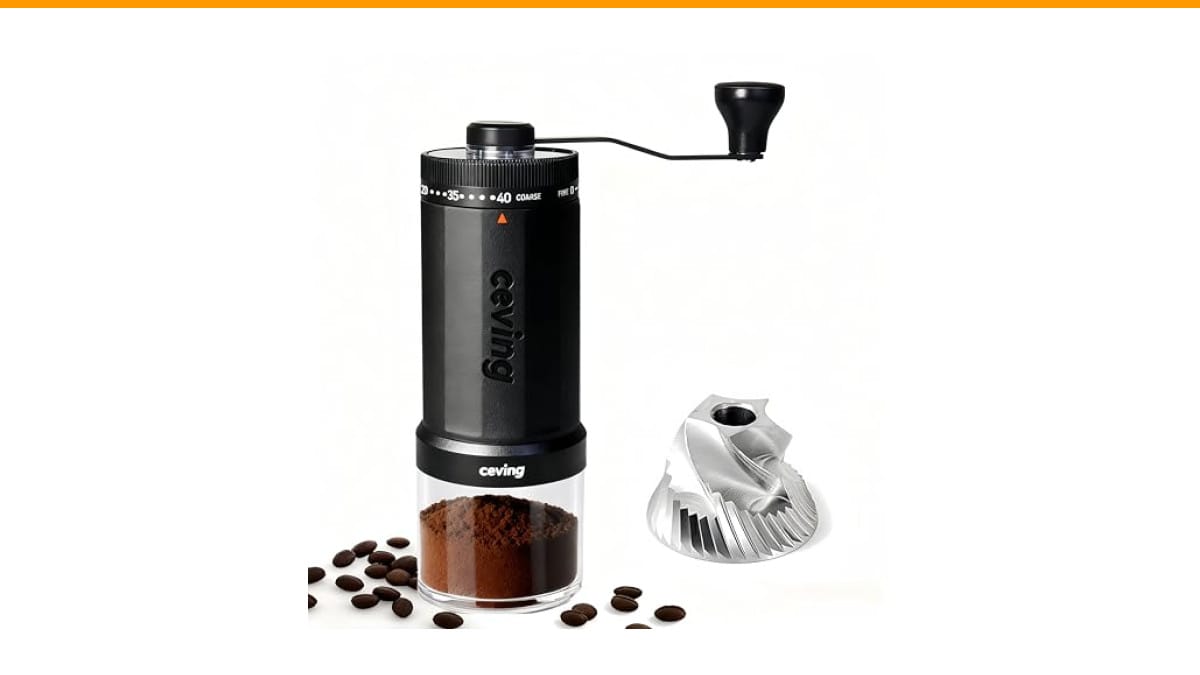
If you’re deciding between a burr grinder and a blade grinder to pair with your reusable pod, the burr grinder is the clear winner for consistency. A burr grinder produces uniform particles, which means even extraction. A blade grinder produces a mix of fine dust and coarse chunks, which leads to the channeling problem we discussed earlier.
Start with a medium grind, don’t pack the basket, and adjust based on taste. That’s the whole secret.
- Use medium grind coffee, not espresso-fine, to avoid clogging and bitterness.
- Fill the basket level with about 2 tablespoons — don’t pack it down.
- Grind whole beans right before brewing for the biggest flavor jump.
- Descale your Keurig every 3 months to keep brew temperature accurate.
- Expect to save $100-$150 per year compared to name-brand pods.
- Check your machine’s model — 5-stream brewers need a different pod.
- Clean the mesh filter after every use to prevent oil buildup.
Products related to this article
Sponsored / affiliate links. As an Amazon Associate I earn from qualifying purchases. I may earn additional commission from eligible campaigns.
 Quick Heating Cup Warmer, Three Temperature Settings, Splashproof and Portable, for Coffee, Milk, Lightweight ABS Material
 HomeBeyond Espresso Coffee Maker 12 Cups, Classic Stovetop Espresso Maker, 600ml / 20oz Coffeemaker for Gas & Ceramic Stovetops (Silver)
 Coffee Mug Warmer & You are Awesome Mug Set, Electric Cup Warmer for Desk