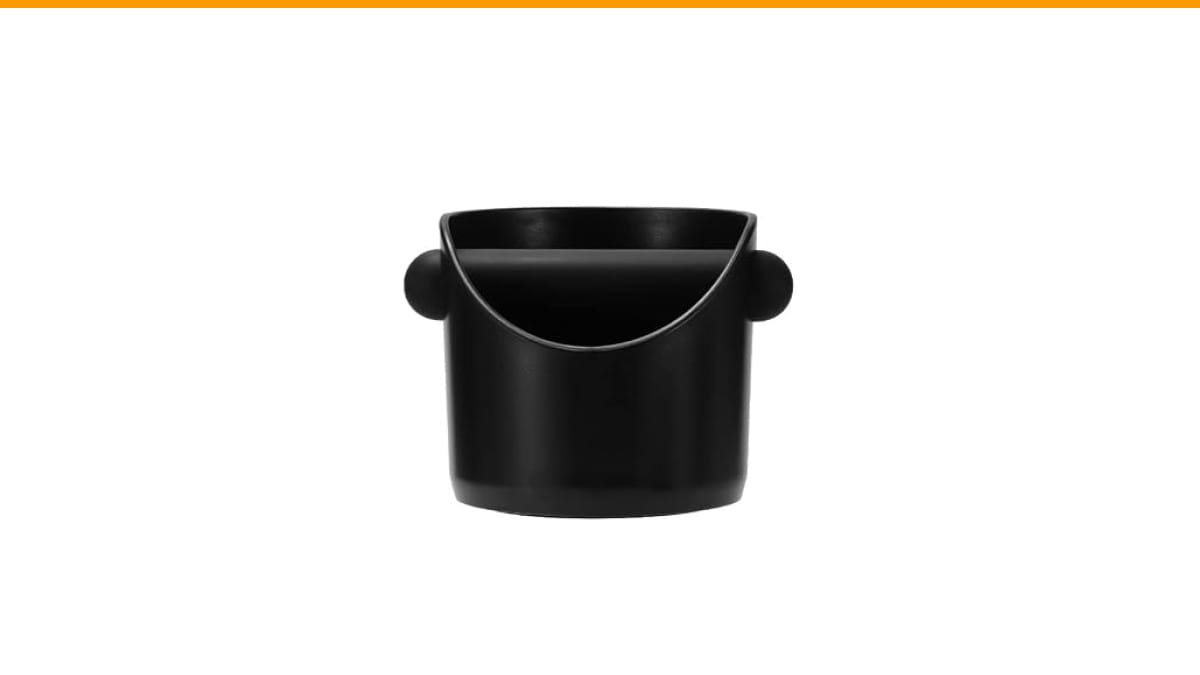
You’ve just pulled a perfect shot. The crema is thick, the timing was spot on. Then you go to knock out the spent puck, and the knock box slides across the counter, or worse, the plastic bar has worn a groove so deep it dents your portafilter basket. That moment kills the vibe.
Most home baristas don’t think about knock box lifespan until it fails. It’s a simple tool, so it should last forever, right? Not exactly. The truth is that how long your knock box lasts depends on three things: what it’s made of, how often you use it, and what the knocking bar is made of. This guide breaks down the real numbers, the failure points, and the exact signs you need to replace yours.

Auden Arctic
Coffee Knock Box, 4.6 in, Barista Style…
- Compact Design: This 4.6-inch barista-style knock box is perfect for collecting used espresso grounds from your espresso machine.
- Sturdy Construction: Made of heavy-duty plastic, the knock box features a non-slip base for stability.
- Removable Knock Rod: The included plastic knock rod allows for easy disposal of spent grounds.
As an Amazon Associate I earn from qualifying purchases.
If you’re setting up a new coffee station, a compact unit like the Auden Arctic Coffee Knock Box gives you a sturdy plastic body and a removable knock rod for easy emptying. It’s a solid starting point for a home setup, and we’ll reference it as we talk about what actually wears out.
The Short Answer: How Long Does a Knock Box Last?
Here are the baseline numbers you can expect from a knock box in typical home use (2-4 shots per day):
- Plastic knock box: 2-3 years before cracks or warping appear.
- Stainless steel knock box: 5-10 years, often longer. The metal body rarely fails; the bar or base gives out first.
- Wood knock box: 3-5 years if sealed properly, but prone to moisture damage if neglected.
Those numbers assume you’re knocking espresso pucks out with reasonable force. If you slam the portafilter like you’re trying to break a rock, cut those estimates in half. Commercial cafe use changes the math completely, but we’ll get to that shortly.
Notice that the material of the body isn’t the only factor. The knock bar, the base, and the interior finish all wear at different rates. A plastic box with a metal bar might last longer than a steel box with a cheap plastic bar. The weak link determines the total lifespan.
You’ll get the most life out of a design where the wear components are replaceable. That’s why a removable knock rod, like the one on the Auden Arctic model, makes practical sense. When the rod wears down, you swap it out instead of tossing the whole box.
Material Matters: Plastic vs. Stainless Steel vs. Wood Lifespan
The body of the knock box takes the most abuse. Every knock transfers energy through the bar into the container. Over time, that repeated stress does one of two things: it cracks the material, or it flexes it until the base becomes unstable.
Plastic
Heavy-duty plastic, like the type used in the Auden Arctic box, handles daily home use well. The catch is that plastic fatigues. After a couple of years of constant vibration, hairline cracks form near the corners or around the screw points where the bar mounts. You might not see them at first, but you’ll feel the box flex more when you knock.
Polypropylene and ABS are the common plastics here. ABS is harder and more impact-resistant, while polypropylene flexes without cracking. Neither is bad, but neither lasts as long as metal under continuous stress.
Stainless Steel
Stainless steel is the durability king. A 304-grade steel body will outlast your espresso machine. The metal doesn’t crack, warp, or absorb odors. The downsides are weight and cost, but if you want a buy-it-for-life tool, steel is the answer.
The real problem with steel boxes is that they dent. Drop a portafilter hard enough, and you’ll leave a ding. That dent doesn’t ruin the box, but it can create a sharp edge that catches on your hand. Minor, but worth noting.
Wood
Wood looks beautiful on a countertop, but it’s the worst choice for longevity. Coffee grounds are moist, and that moisture seeps into unsealed wood. Over time, the wood swells, the finish peels, and the box starts to smell like stale coffee no matter how much you clean it. A well-sealed wood box can last years, but it demands more maintenance than plastic or steel.
For most home users, plastic offers the best balance of cost and lifespan. Steel is the upgrade if you want to never think about it again.
Usage Volume: Home Hobbyist vs. Commercial Cafe Wear and Tear
Here’s the honest math on usage. A home user pulls maybe 4 shots a day. That’s roughly 1,400 knocks per year. A commercial cafe pulls 100-200 shots per day, which translates to 36,000-73,000 knocks per year.
A plastic knock box in a cafe might last six months before the bar wears down or the base cracks. The same box in a home kitchen lasts 2-3 years. It’s not that the cafe box is worse; it’s that the volume of use is 25 times higher.
If you’re running a home setup, you don’t need to worry about commercial-grade durability. The automatic espresso machine you use will likely need maintenance before your knock box does.
One thing to watch: if you host a lot of guests or make multiple milk drinks in a row, your knock count goes up. A Sunday brunch with 12 lattes means 12 knocks in a few minutes. That burst of concentrated use stresses the box more than the same 12 knocks spread across a day.
The #1 Factor: The Knocking Bar (Rubber vs. Metal)
Most people check the box material and ignore the bar. That’s a mistake. The knocking bar is the part that actually hits the portafilter, and it takes the most direct impact.
Rubber bars are standard on most home knock boxes. They’re soft enough to protect your portafilter basket from dents, but they wear out. A rubber bar develops a groove in the center after a few thousand knocks. Once that groove gets deep, the portafilter doesn’t seat properly, and you start hitting the metal edges instead of the rubber. That’s when you dent baskets.
Metal bars last longer but transfer more force. A bare metal bar will dent a thin portafilter basket if you hit it hard. Some high-end boxes use a metal bar with a rubber insert, which gives you the best of both worlds. The rubber takes the impact, and the metal provides a rigid backing.
Here’s the practical takeaway: if your knock box has a rubber bar, plan to replace the bar every 1-2 years for home use. If the bar isn’t replaceable, the whole box has a shorter effective life.
The Auden Arctic model uses a removable plastic knock rod. Plastic is softer than rubber, so it’s gentler on your basket, but it will wear faster. The removable design means you can replace just the rod when it grooves out, which extends the life of the box itself.
Signs Your Knock Box Needs Replacing (The 5-Point Checklist)
Don’t wait for a catastrophic failure. Run this quick check every few months.
- Cracks in the body: Hairline cracks around the bar mounts or the corners of the box. These eventually become full breaks.
- A worn or grooved knock bar: If the bar has a visible depression where the portafilter hits, replace it or the whole box. A grooved bar dents your baskets.
- Wobbly base: The non-slip base should keep the box planted. If it slides or rocks when you knock, the base has degraded. A sliding box is a safety hazard.
- Lingering odors: If the interior smells like sour, stale coffee even after cleaning, the plastic has absorbed oils. That smell transfers to your fresh grounds and ruins your shot.
- Rust or corrosion: Only applies to metal boxes, but rust on the bar or the interior means the protective coating has worn through.
If you hit any of these signs, replace the box. A cracked knock box isn’t worth repairing. The cost of a new one is less than the cost of a dented portafilter.
Maintenance That Extends Lifespan (Cleaning and Odor Control)
A knock box is a trash can for coffee grounds, so it gets gross fast. The oils in coffee are sticky and turn rancid. Regular cleaning is the single best way to extend the lifespan of any knock box.
Rinse the box after every day of use. Just a quick rinse with hot water removes the surface oils. Once a week, wash it with dish soap and warm water. Let it dry completely before the next use. Moisture trapped in the box accelerates wear and odor absorption.
Avoid putting your knock box in the dishwasher. The high heat and harsh detergents degrade plastic faster. Hand washing takes 30 seconds and adds years to the box.
For stubborn odors, a paste of baking soda and water works well. Scrub the interior, let it sit for 15 minutes, then rinse. This neutralizes the rancid coffee oils without scratching the surface.
If you use a knock box with a removable rod, take the rod out during cleaning. Coffee grounds get trapped between the rod and the mounting bracket, which causes the rod to wear unevenly.
Knock Box vs. Knock Drawer: Lifespan Differences
Some espresso machines, particularly high-end semi-automatic models, come with a built-in knock drawer. These are integrated into the machine’s frame and use a metal bar attached to the chassis.
Knock drawers typically last longer than standalone boxes because the machine’s frame absorbs the impact. The bar is usually metal and designed for heavy use. That said, when a knock drawer fails, it’s a bigger problem. You can’t just buy a new drawer; you often need a replacement part from the manufacturer, which can be expensive and hard to find.
Standalone knock boxes are easier to replace and upgrade. If you’re debating between a machine with a knock drawer and a separate box, consider the long-term serviceability. A standalone box is a consumable item; a knock drawer is a permanent part of the machine.
For more on keeping your equipment running, check out our guide on coffee machine maintenance.
Frequently Asked Questions
Can I repair a cracked knock box?
Usually not worth it. A crack in a plastic box compromises its structural integrity. You can try epoxy or plastic weld, but the repair will likely fail under the repeated impact of knocking. The cost of a new plastic knock box is low enough that repair doesn’t make sense. For a stainless steel box, a dent isn’t a crack, so you can keep using it, but a crack in steel is rare and typically a manufacturing defect.
Does a heavier knock box last longer?
Not necessarily. Weight comes from the material and thickness. A heavy stainless steel box is more durable than a heavy plastic box, but a lightweight plastic box with a good non-slip base can last just as long in home use. The weight matters more for stability than longevity. A heavier box stays put when you knock, which reduces the stress on the mounting points of the bar. So indirectly, yes, heavier tends to last longer because it doesn’t flex as much.
How often should I replace the knock bar?
For home use, inspect the bar every 6 months. If you see a visible groove or wear pattern, replace it immediately. A worn bar will damage your portafilter basket. In a commercial setting, check the bar monthly. Most cafes replace the bar every 3-6 months depending on volume.
Can a knock box damage my espresso machine?
No, not directly. The knock box is separate from the machine. The risk is to your portafilter. A worn knock bar with exposed metal edges can dent the rim of your basket. That dent breaks the seal between the basket and the group head, causing channeling and uneven extraction. If you notice your shots tasting bitter or sour after knocking, check your basket for dents. This issue can also make your espresso taste burnt.
Is a plastic knock box good enough for daily home use?
Yes. A well-made plastic knock box like the Auden Arctic model will handle daily home use for 2-3 years. The key is to buy one with a removable knock bar and a non-slip base. Those two features matter more than the body material. If you want a longer lifespan, go with stainless steel, but expect to pay more.
The Bottom Line
Your knock box is a simple tool, but it takes a beating. The lifespan ranges from 2 years for plastic to over 10 years for steel, with usage volume and the knock bar material being the deciding factors.
- Plastic boxes last 2-3 years at home; steel boxes last 5-10+ years.
- Replace the knock bar when you see a groove. A worn bar dents your portafilter.
- Rinse daily and hand wash weekly to prevent odor and material breakdown.
- Commercial use cuts lifespan to 6-12 months for plastic.
- Check for cracks, a wobbly base, and lingering odors every few months.
- A removable knock rod extends the life of the whole box.
- Don’t repair a cracked box; replacement is cheaper and safer.
Products related to this article
Sponsored / affiliate links. As an Amazon Associate I earn from qualifying purchases. I may earn additional commission from eligible campaigns.
 Coffee Espresso Machine Handle Replacement Parts, Cafe Bracket Handle for Lidl Silvercrest CM4621 CM4218 KF5002 KF500S Barista (for 51mm Portafilter Basket - Not included)
 Linnkyfloa Coffee Espresso Maker Handle Replacement for Stovetop Moka Pot or Percolator, Black Plastic for Spare Part Compatible with Italian(9-12 Cup)
 Long Handle Wooden Spoon For Mixing Coffee Tea Jam and Bath Salt In Kitchen, Environmentally Friendly Table Spoon, 8.6 Inches,4 Pieces…