You’ve decided to ditch the pods. Good for you. But now you’re staring at a wall of espresso machines, and the choice between a manual lever espresso machine vs semi automatic espresso machine feels like picking a college major. Get it wrong, and you’ll either hate your mornings or waste a pile of cash.
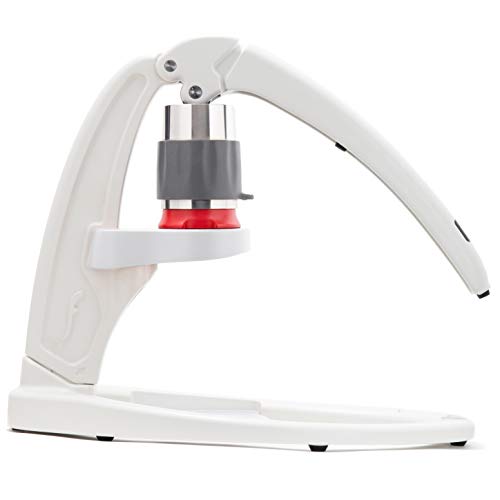
Flair
Flair The NEO Espresso - An all…
- ALL MANUAL HOME ESPRESSO MAKER - The NEO is an all manual espresso machine, featuring a hand lever press. No electricity or coffee…
- FLOW-CONTROL PORTAFILTER - The NEO features Flair Espresso's Flow-Control Portafilter, which makes home brewing manual espresso si…
- ESPRESSO BREWING MADE SIMPLE - Brewing manual espresso with your NEO manual espresso maker is a simple four step process. Add your…
As an Amazon Associate I earn from qualifying purchases.
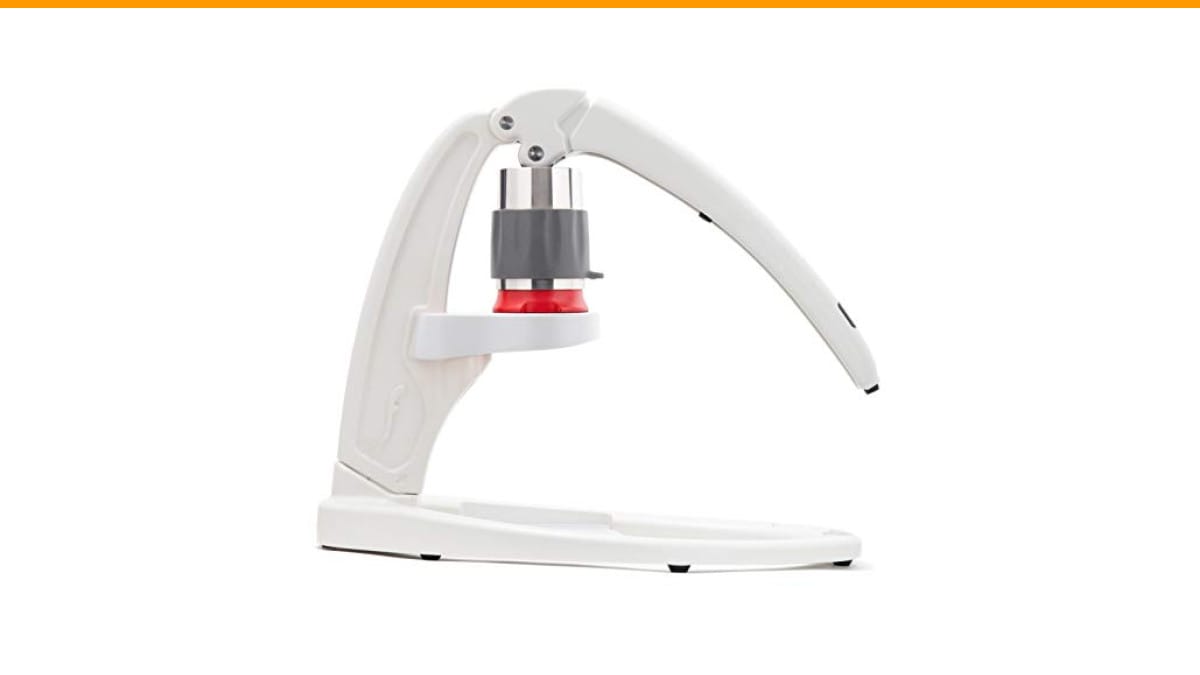
The real problem isn’t which one makes better espresso. Both can make fantastic shots. The real problem is which one fits your patience, your schedule, and your tolerance for fixing things. I’ve spent weeks testing the Flair NEO (the white, all-manual lever model) against a typical pump-driven semi-auto, and the differences go way deeper than the price tag.
This guide breaks down the honest, sometimes annoying differences between a manual lever espresso machine vs semi automatic espresso machine. I’ll cover the five-year cost, the learning curve, and the daily workflow friction that most reviews skip entirely.
Quick Verdict: Which Machine Fits Your Ritual?
If you want total control, a quiet morning, and don’t mind using your arm muscles, the manual lever route wins. The Flair NEO is a perfect example of this. It’s simple, it’s durable, and it forces you to slow down.
If you want speed, consistency, and the ability to steam milk for a latte before work, a semi-automatic is the practical choice. It’s the appliance that does most of the thinking for you.
My honest take: the lever machine is a hobby. The semi-auto is a tool. Neither is wrong, but they serve different lives. If your current coffee routine involves hitting snooze three times, you probably want the semi-auto. If you treat coffee like a weekend hobby, the lever will reward you.
For a deeper look at machines that do even more of the work, check out our automatic vs semi automatic comparison to see where you land on the spectrum.
Defining the Contenders: Lever vs. Semi-Automatic
Let’s get the basics straight before we dive into the nitty-gritty. These two machines approach the same goal—espresso—from completely different angles.
How a Manual Lever Works
The Flair NEO is about as raw as it gets. You add up to 18 grams of coffee grounds to the portafilter. You pour 60ml of boiled water into the brewing cylinder. Then you physically pull the lever down to create pressure.
There’s no pump, no electricity, no electronics. You are the pump. The pressure comes from your arm, and the Flow-Control Portafilter restricts the water flow to keep the extraction consistent. This is a clever piece of design because it means you don’t need an expensive grinder to get a decent shot.
The whole thing is built from cast aluminum and stainless steel. It feels solid, like a tool you’d hand down to your kids. The brewing head detaches completely for cleaning, which is rare in this category.
How a Semi-Automatic Works
A semi-automatic machine, like the classic Gaggia or Rancilio models, uses an electric pump to push water through the coffee. You still control the grind, the dose, and when to stop the shot, but the pump handles the pressure.
These machines typically have a boiler (single or dual) to heat water and often a steam wand for milk. They plug into the wall, heat up in a few minutes, and let you pull shot after shot without much physical effort.
The trade-off is complexity. More parts mean more things to break, and the internal pump and boiler systems are harder to service than a simple lever arm.
The 5-Year Cost of Ownership: More Than Just the Sticker Price
Here’s where most buyers get blindsided. The upfront price is only the beginning. Let’s break down what five years of ownership actually looks like for a manual lever espresso machine vs semi automatic espresso machine.
Manual lever (Flair NEO): The initial cost is low. There are no pumps to fail, no heating elements to burn out, and no descaling cycles needed for an internal boiler. The cleaning routine is just rinsing the detached parts under cool water. Over five years, your maintenance costs are close to zero. You might replace a gasket or two, but that’s about it.
Semi-automatic: The sticker price is higher, and the ongoing costs add up. You’ll need descaling solution regularly. The pump can fail, and replacing one costs a significant chunk of the machine’s original price. The boiler can scale up, the solenoid valves can clog, and the steam wand needs constant wiping. A five-year cost breakdown for a semi-auto often exceeds the initial purchase price when you factor in repairs and maintenance.
If you’re handy, you can do some semi-auto repairs yourself. But if you’re not, you’re paying a technician $80 an hour. The lever machine just doesn’t have those failure points. That simplicity is a genuine financial advantage over the long haul.
The Learning Curve: Time to First Great Shot
Let’s be real about the learning curve. It’s the thing nobody talks about honestly.
With a semi-automatic, you can pull a drinkable shot on day one. It might not be perfect, but it’ll be coffee. The pump does the pressure work, so you only need to get the grind size and dose roughly right. Most people can dial in a decent shot within a week of daily use. The machine gives you consistent pressure, so once you find the right grind, you can repeat the result.
The manual lever is a different beast. The Flair NEO’s Flow-Control Portafilter helps a lot by smoothing out the pressure curve, but you still control the lever. Your arm speed and pressure change the extraction. You’ll pull some sour shots and some bitter shots before you find the sweet spot. Expect a few weeks of practice before you consistently pull a shot with beautiful crema.
That sounds like a downside, but it’s also the point. The lever teaches you what espresso actually is. You feel the resistance as the coffee extracts. You learn to adjust in real-time. It’s a skill, not just a routine. If you enjoy that process, the learning curve is part of the fun.
Workflow Friction: Solo Ritual vs. Family Barista
This is the section that separates the dreamers from the realists. Your household size and morning schedule matter more than any spec sheet.
Solo use, slow mornings: The manual lever machine shines here. The Flair NEO is quiet, small, and doesn’t need to heat up a big boiler. You boil water in a kettle, pour it in, and pull your shot. Cleaning takes thirty seconds. It’s a meditative ritual. I actually look forward to the process.
Busy household, multiple drinks: The lever machine becomes a bottleneck. You can’t steam milk with it. Period. If you want a cappuccino, you need a separate milk frother. And pulling shot after shot for guests means refilling the brewing cylinder, reheating water, and pulling the lever each time. It’s tiring.
The semi-automatic handles this chaos better. It heats up and stays hot. The steam wand is right there for milk. You can pull three or four shots back-to-back without breaking a sweat. The workflow is faster, even if the machine takes up more counter space and makes more noise.
Think about your actual mornings. Are you making one drink for yourself, or are you running a tiny cafe for your family? The answer dictates your choice.
Sensory Feedback and Shot Control: The Tactile vs. The Technical
Here’s the part that gear nerds obsess over, and it’s a real difference, not just marketing talk.
With a manual lever, you get tactile feedback. You feel the pressure through your hand. As the shot pulls, you feel the resistance change. You can ease off if it’s flowing too fast or push harder if it’s dripping. This is pressure profiling in its purest form. You’re not watching a gauge; you’re feeling the puck. The Flair NEO’s lever gives you a direct connection to the coffee that no pump machine can replicate.
A semi-automatic offers visual and audio feedback instead. You watch the gauge for pressure and listen for the pump’s sound. The extraction is more consistent because the pump delivers a steady 9 bars of pressure, but you have less control over the pressure curve during the shot. You can’t adjust mid-pull unless you have a fancy flow-control valve, which most machines in this class don’t have.
For a beginner, the semi-auto’s consistency is a safety net. For an experienced barista, the lever’s control is a playground. Which sounds more appealing to you?
Maintenance and Repair: Simple vs. Complex
Let’s talk about the dirty work. Cleaning and fixing your machine is inevitable, and the two types couldn’t be more different.
The Flair NEO is the easiest machine I’ve ever cleaned. The brewing head detaches completely. You separate the parts and rinse them under cool water. That’s it. No backflushing, no blind baskets, no chemical cleaners. The stainless steel doesn’t hold onto coffee oils the way aluminum does. This patented detachable design is a genuine win.
Semi-automatics require more discipline. You need to backflush regularly with a cleaning detergent. You need to wipe the steam wand after every use and purge it. You need to descale the boiler periodically. If you skip these steps, your shots will taste bitter, and the machine will eventually break down.
Repairs are the real divider. If the Flair NEO breaks, you can see every part. It’s a lever, a base, and a cylinder. You can fix it with basic tools. A semi-automatic has a pump, a boiler, a thermostat, and a wiring harness. Diagnosing a problem requires a multimeter and some knowledge. If you’re not a DIY person, you’re at the mercy of a repair shop.
For a rundown of keeping your gear running, our coffee machine maintenance tips cover the basics that apply to any pump-driven machine.
The Verdict: A Decision Matrix for Your Kitchen
Stop asking which machine is better. Ask which failure mode you can tolerate.
Choose the manual lever (like the Flair NEO) if you can tolerate a learning curve and a slower, more physical workflow. You’ll be rewarded with lower costs, zero maintenance headaches, and a deeper understanding of espresso. You’ll also have a machine that will outlast every plastic pump machine on the market.
Choose the semi-automatic if you can tolerate the maintenance routine and the risk of pump or boiler repairs. You’ll get speed, convenience, and the ability to steam milk. It’s the better choice for a busy household or if you’re not interested in making coffee a hobby.
Here’s a quick breakdown of the pros and cons based on my testing:
- Manual Lever (Flair NEO) Pros: Incredibly simple to clean, no electrical parts to fail, quiet operation, full control over pressure, and a very low five-year cost of ownership.
- Manual Lever Cons: No steam wand, physically tiring for multiple shots, and a real learning curve before you get consistent crema.
- Semi-Automatic Pros: Fast workflow, built-in milk steaming, consistent pressure from the pump, and an easier path to a decent shot for beginners.
- Semi-Automatic Cons: Higher maintenance (descaling, backflushing), more expensive repairs, louder operation, and a larger counter footprint.
If your semi-auto ever gives you trouble, we have a guide on espresso machine noise issues that might help you diagnose the problem before calling a tech.
FAQs: Lever vs. Semi-Automatic
Do I need an expensive grinder for the Flair NEO?
No. The Flow-Control Portafilter is specifically designed to be forgiving. It restricts the water flow to compensate for uneven grind sizes. You can use a cheaper burr grinder and still get a decent shot. A semi-automatic is much more sensitive to grind consistency.
Can I make a latte with a manual lever machine?
You can make the espresso shot, but you cannot steam milk. You’ll need a separate milk frother or a stovetop steamer. This is the biggest practical limitation of the lever machine for milk-drink lovers.
How long does the Flair NEO take to heat up?
There’s no boiler, so you just boil water in a kettle. The brewing cylinder should be preheated with hot water before you pull a shot to avoid temperature loss. Total setup time is about two minutes, which is faster than most semi-autos.
Is the lever machine harder to use than a semi-auto?
Physically, yes. You’re providing the pressure with your arm. For one or two shots, it’s easy. For a party of six, it becomes a workout. Technically, the Flair NEO is easier because it has fewer variables to manage, but the manual pressure control takes practice.
What breaks more often: a lever or a pump?
The lever machine has almost nothing to break. The semi-auto has a pump, a heating element, and a solenoid valve that all wear out over time. The lever’s cast aluminum and stainless steel construction is backed by a 3-year warranty, but you’ll likely never need it.
Final Brew: The Bottom Line
Choosing between a manual lever espresso machine vs semi automatic espresso machine comes down to your personality more than your budget. The lever machine rewards patience and hands-on involvement. The semi-auto rewards efficiency and consistency.
I’ve enjoyed my time with the Flair NEO more than I expected. It makes a genuinely beautiful shot with rich crema, and the cleaning ritual is almost relaxing. But I also missed the convenience of steaming milk on demand for my morning cappuccino.
My advice? If you’re a tinkerer who loves the process, buy the lever. If you’re a practical person who just wants good coffee before work, buy the semi-auto. Either way, you’re making a step up from pods, and that’s a win for your taste buds.
Ready to buy? Check the latest price on Amazon
Sponsored / affiliate links. As an Amazon Associate I earn from qualifying purchases. I may earn additional commission from eligible campaigns.Products related to this article
 Coffee Espresso Machine Handle Replacement Parts, Cafe Bracket Handle for Lidl Silvercrest CM4621 CM4218 KF5002 KF500S Barista (for 51mm Portafilter Basket - Not included)
 Quick Heating Cup Warmer, Three Temperature Settings, Splashproof and Portable, for Coffee, Milk, Lightweight ABS Material
 SOLUSTRE Electric USB Coffee Cup Warmer with Temperature Settings Portable Milk and Beverage Heating Coaster for Office Desk Small Lightweight Design Easy to Clean Surface Multi Functional