You bought a super automatic machine so you could press a button and get a decent espresso. Then one morning the shot runs slow, the crema looks thin, and the milk frother sputters instead of steaming. That coffee maker isn’t broken. It’s dirty. The difference between a machine that lasts five years and one that dies at two is almost always maintenance.
This guide covers the full cleaning routine for super automatic espresso machines. You’ll get the daily steps, the weekly backflush, the monthly deep clean, and the mistakes that quietly kill these machines. No vague advice. Just what works, based on my own machines and a few I’ve repaired for friends.

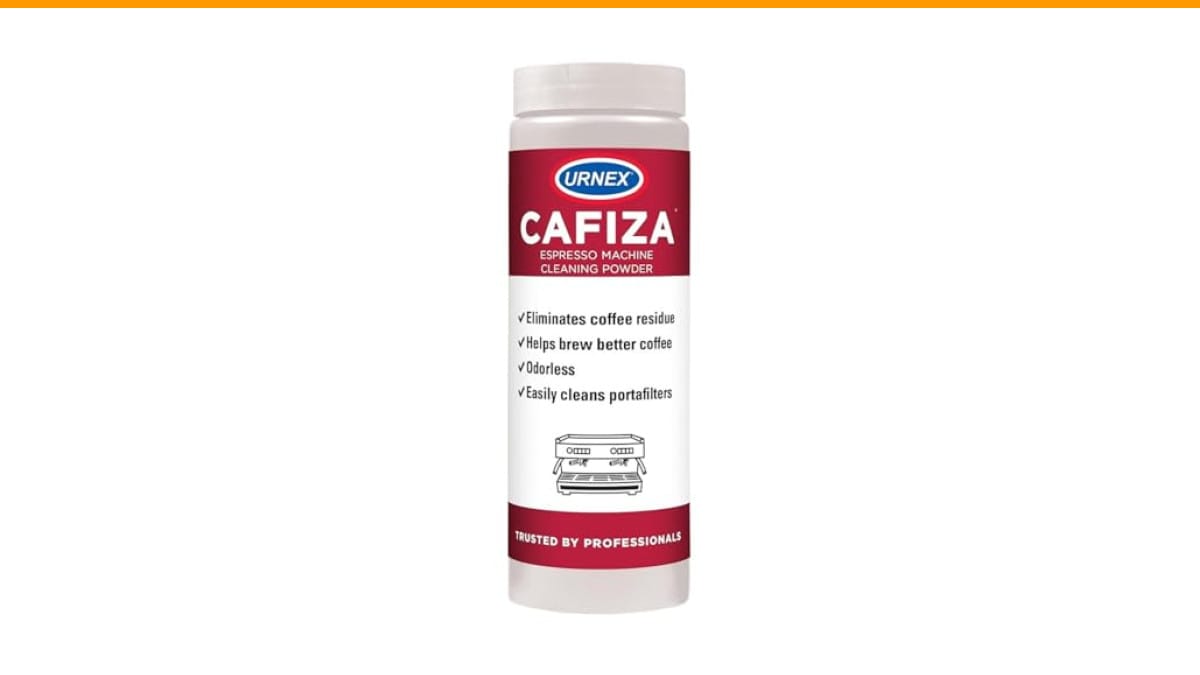
Urnex
Urnex Espresso Machine Cleaning Powder - 566…
- Eliminates coffee residue and oils from espresso machine group heads, valves and lines
- Specially formulated to clean heavily soiled equipment in a professional setting
- Powder format allows for easy and controlled dosing
As an Amazon Associate I earn from qualifying purchases.
You’ll need a few things before you start: a cleaning tablet or powder, a blind filter basket for backflushing (some machines include one), and a soft brush. Most super automatics have a dedicated cleaning cycle you can trigger from the menu, so you don’t need to be a technician to do this properly.
For the backflush and cleaning cycle, I use Urnex Cafiza powder. It’s the same stuff cafes use, and it dissolves coffee oils and residue without leaving a soapy film. A 566-gram tub lasts a long time since you only need a small scoop per cycle. It’s NSF certified, which matters if you care about what goes through your machine.
Daily Cleaning: The 5-Minute Habit You Can’t Skip
Every day, after your last shot, do these four things. It takes five minutes and prevents 90% of the problems people blame on the machine.
- Empty and rinse the drip tray and spent coffee grounds container. Rinse them with hot water and let them air dry. Don’t put them in the dishwasher unless the manual says they’re dishwasher safe.
- Wipe down the brew unit area. Use a damp cloth to remove loose grounds around the chute and the inside of the door. If grounds sit there, they attract moisture and grow mold.
- Purge the steam wand. After steaming milk, wipe the wand with a damp cloth, then turn the steam on for 2-3 seconds to blow out any milk residue inside the tip. Milk protein burns onto the wand quickly.
- Run a rinse cycle through the brew head. Most machines have a hot water or rinse function. Run it without coffee to flush oils from the brew chamber.
That’s the baseline. Skip this for a week and you’ll taste the difference. The first shot each morning will have a sour, stale flavor that no amount of fresh beans can fix.
Weekly Cleaning: The Backflush Myth, Explained
Here’s what most super automatic owners get wrong: they think backflushing is optional or that it’s only for commercial machines. It’s not. Your machine’s brew unit has valves and lines that accumulate coffee oil. That oil goes rancid, and it’s the main reason your shots taste bitter after a few months.
Backflushing with a cleaning agent once a week keeps those internal parts clean. Here’s the procedure for most super automatics:
- Remove the drip tray and insert the blind filter basket (the one with no holes) into the brew unit.
- Add a small scoop of cleaning powder to the blind basket. For Cafiza, that’s about 2-3 grams, roughly a quarter teaspoon.
- Place a container under the brew spout to catch the water.
- Start the cleaning cycle from the machine’s menu. It runs a series of pressurized flushes over a few minutes.
- When the cycle finishes, remove the blind basket, rinse it, and run a plain water rinse cycle through the brew head.
Some machines require you to lock the blind filter into a separate adapter. Check your manual. If you skip the cleaning cycle and just run water through, you’re not cleaning the valves. You’re just wetting them.
Monthly Deep Clean: Milk System, Water Tank, and Descaling
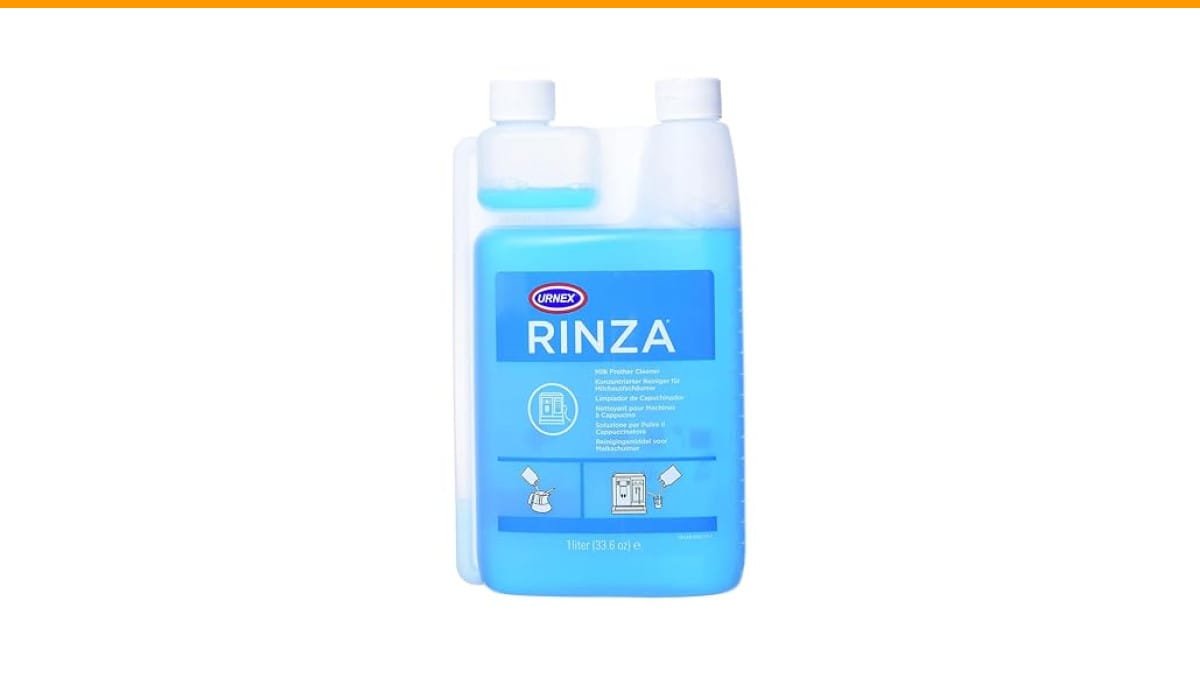
The monthly routine goes deeper. Start with the milk system. If your machine has an integrated milk frother or carafe, disassemble it completely. Soak the parts in warm water with a drop of dish soap for 15 minutes, then rinse thoroughly. Milk residue hides in the small tubes and nozzles. Use a thin brush or pipe cleaner to scrub the inside of the tubes.
Next, remove the brew unit if your machine allows it. Most super automatics have a removable brew unit that you can rinse under cold water. Do not use soap on it. Just cold water, then let it dry completely before reinstalling. While it’s out, wipe the inside of the machine with a damp cloth to remove loose grounds.
Descaling is the part people fear, but it’s necessary. Hard water deposits build up inside the boiler and heating element. If you hear a louder pump or the machine takes longer to heat up, scale is likely the culprit. Use a descaler specifically designed for espresso machines. Follow the manufacturer’s instructions exactly, and always run a full rinse cycle afterward. Some machines have a descale program that takes 30-45 minutes. Run it when you have time to supervise.
One honest caveat: descaling too often can strip lubricant from internal seals. If your water is soft, descale every 3-4 months. If it’s hard, every 2 months is safer. The machine’s water hardness setting, if it has one, adjusts the descale reminder frequency.
Common Mistakes That Shorten Your Machine’s Life
Most machine failures come from a handful of avoidable errors. Here are the ones I see most often.
Mistake 1: Using dish soap on the brew unit. Soap leaves a residue that ruins the taste of your coffee and can damage the seals. Rinse the brew unit with water only.
Mistake 2: Ignoring the water filter. If your machine has a water filter cartridge, replace it every 2 months or per the manual. A clogged filter reduces flow and makes the pump work harder.
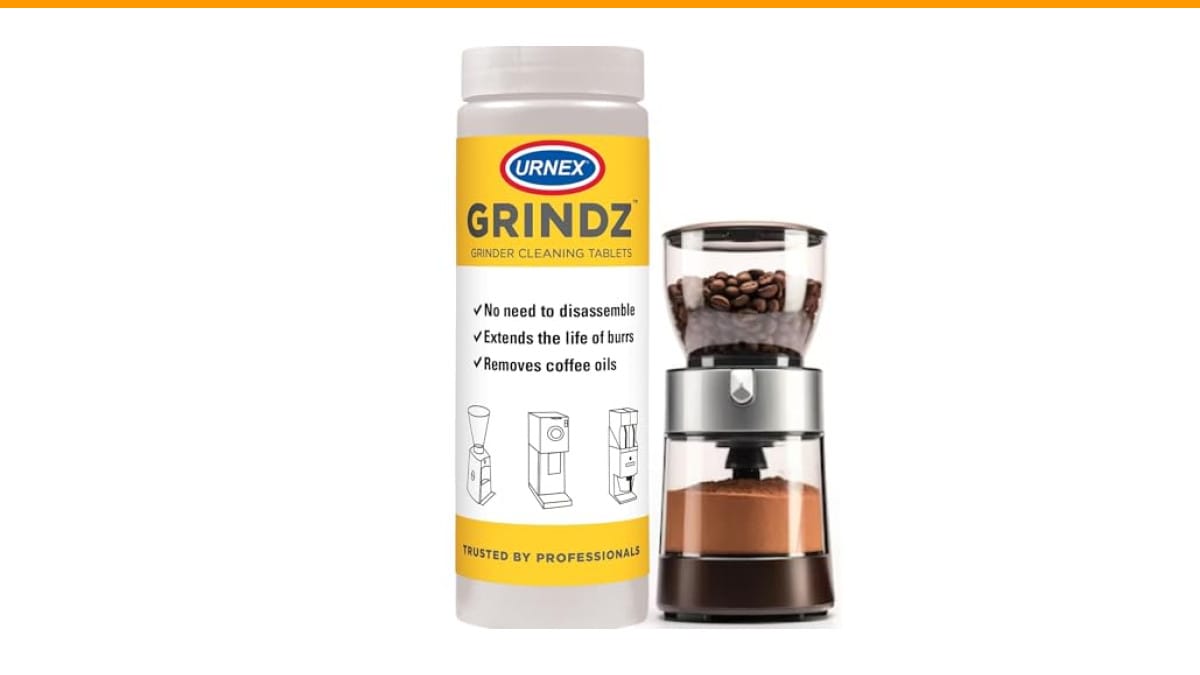
Mistake 3: Not cleaning the grinder. The grinder burrs collect stale coffee dust. Run a coffee grinder cleaning routine every month using grinder tablets or rice. This keeps the grind consistent and prevents clogging.
Mistake 4: Waiting for the machine to tell you it’s dirty. The cleaning reminder is a minimum, not a suggestion. By the time the light comes on, the oils have already built up.
Cleaning Schedule Comparison
| Task | Frequency | Time | Products Needed | What It Prevents |
|---|---|---|---|---|
| Rinse brew head | Daily | 1 minute | None | Stale coffee oils in the chamber |
| Wipe steam wand | Daily | 1 minute | Damp cloth | Burnt milk protein and clogged tip |
| Empty drip tray | Daily | 2 minutes | None | Mold and bacteria growth |
| Backflush with cleaner | Weekly | 10 minutes | Cleaning powder (Cafiza) | Rancid oils in valves and lines |
| Clean milk system parts | Monthly | 15 minutes | Dish soap, warm water | Clogged tubes and bad milk flavor |
| Rinse brew unit | Monthly | 5 minutes | Cold water | Grounds buildup and mold |
| Descale | Every 2-4 months | 45 minutes | Espresso descaler | Scale deposits in boiler and pump |
Frequently Asked Questions
How often should I backflush a super automatic machine?
Once a week with a cleaning powder is the sweet spot for home use. If you pull more than 4 shots a day, bump it to twice a week. The cleaning cycle is short, and the difference in shot quality is noticeable.
Can I use vinegar to descale my espresso machine?
You can, but I wouldn’t. Vinegar is acidic and can damage the rubber seals and gaskets inside your machine over time. It also leaves a residual smell that affects the coffee flavor. Use a commercial espresso descaler. It’s formulated for the materials in your machine.
Why does my espresso taste bitter even after cleaning?
If you’ve cleaned the brew unit and backflushed, the next suspect is the grinder. Stale grounds in the burrs will make any coffee taste bitter. Also check your water. If you’re using hard tap water, the minerals can alter the extraction. Try filtered water and run a deep cleaning routine on the grinder.
What happens if I never clean my super automatic?
The machine will eventually clog. The pump will work harder, the shots will run slower, and the machine may start leaking or making loud noises. I’ve seen machines die completely from a clogged brew unit. A loud noise from the machine is often the first sign of a problem. Cleaning is cheaper than a repair.
Is the cleaning powder safe for my machine’s internal parts?
Yes, when used as directed. Products like Cafiza are designed specifically for espresso machines. They dissolve coffee oils without being abrasive. Just don’t use more than the recommended amount, and always run a rinse cycle afterward to clear any residue.
What to Remember Before You Walk Away
- Daily rinse and steam wand wipe takes 5 minutes. Do it every day.
- Backflush weekly with a cleaning powder. It’s the single most important step.
- Clean the milk system monthly. Burnt milk ruins the frother and the taste.
- Descale every 2-4 months depending on your water hardness.
- Never use soap on the brew unit. Cold water only.
- Replace the water filter on schedule. A clogged filter stresses the pump.
- If your machine acts up, check the cleaning routine before calling a repair shop.
Your super automatic espresso machine is a workhorse, but it’s not self-cleaning. A consistent routine keeps the coffee tasting right and the machine running for years. If you’re comparing models and wondering about maintenance, check our automatic vs semi-automatic comparison to see which fits your habits. For budget options that are easier to maintain, browse our best super automatics under $1000 list. A little effort each week beats a big repair bill later.
Products related to this article
Sponsored / affiliate links. As an Amazon Associate I earn from qualifying purchases. I may earn additional commission from eligible campaigns.
 Coffee Espresso Machine Handle Replacement Parts, Cafe Bracket Handle for Lidl Silvercrest CM4621 CM4218 KF5002 KF500S Barista (for 51mm Portafilter Basket - Not included)
 Linnkyfloa Coffee Espresso Maker Handle Replacement for Stovetop Moka Pot or Percolator, Black Plastic for Spare Part Compatible with Italian(9-12 Cup)
 HomeBeyond Espresso Coffee Maker 12 Cups, Classic Stovetop Espresso Maker, 600ml / 20oz Coffeemaker for Gas & Ceramic Stovetops (Silver)