You pull a shot, the crema looks right, but the taste falls flat. Sour, bitter, or thin. Sound familiar? Most people blame the machine or the beans. But in my years testing semi-automatic espresso machines side by side, I have seen the same grinder and same beans produce dramatically different cups depending on a few variables you control.
This guide walks through the real reasons your espresso tastes off and exactly how to fix each one. You will learn about grind size, dose, water temperature, and pressure. You will also get a simple troubleshooting table and answers to common questions. No vague advice, just numbers you can use.

Amrules
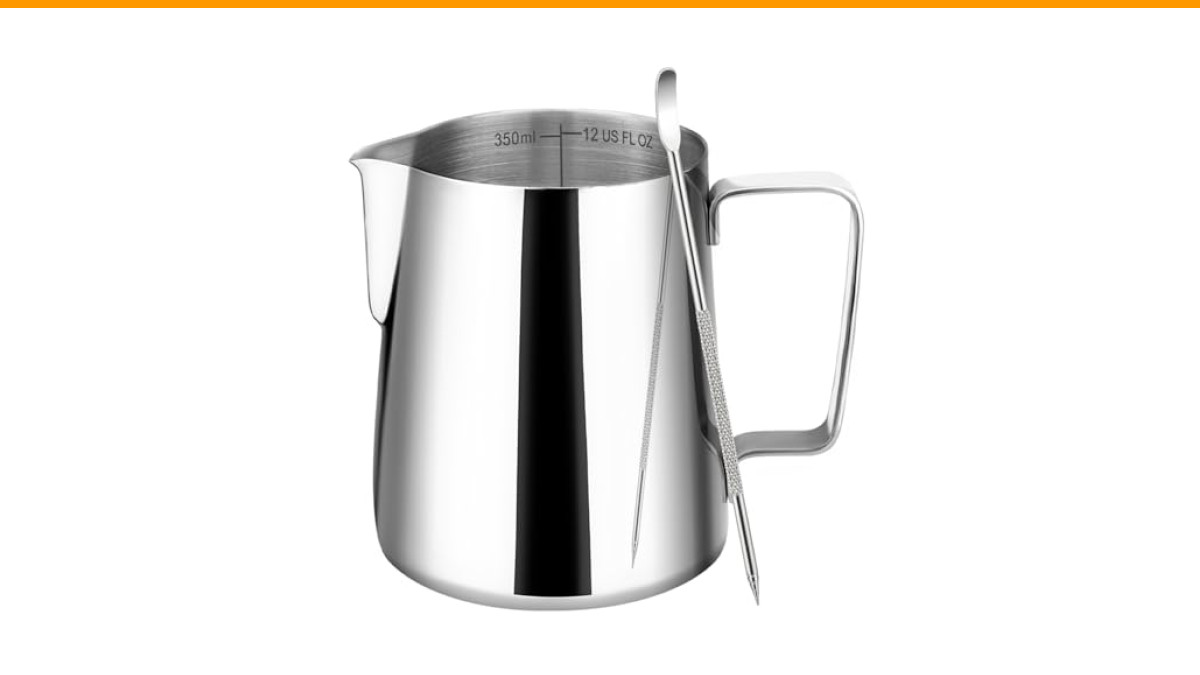
Amrules Milk Frothing Pitcher 12oz Frother Cup…
- 304 STAINLESS STEEL: Amrules 12oz creamer pitcher are crafted of 18/8 food grade stainless steel. The pitcher features external mi…
- PROPER CAPACITY: The coffee frother cup has precise scale mark inside for you to control the milk needed easily. The marks are las…
- MOUTH DESIGN: The smooth mouth is specially designed to facilitate milk pools together to ensure a steady flow of milk froth.The m…
As an Amazon Associate I earn from qualifying purchases.
One tool that helps more than people expect: a proper milk pitcher. If you drink milk drinks, the Amrules Milk Frothing Pitcher makes texturing easier and more consistent. Its 12-ounce capacity and precise scale marks let you measure milk exactly, so you do not over-foam or under-foam. The narrow spout also helps with latte art, but more importantly, it gives you control over how the milk integrates with the espresso. That control matters for flavor balance.
Myth 1: More Pressure Means Better Espresso
Many home machines advertise 15 or 19 bars of pump pressure. That sounds impressive, but it is mostly marketing. The standard for espresso extraction is 9 bars at the group head. Most pumps push more, but the machine’s overpressure valve should regulate it down. If it does not, your shot runs fast and tastes sour or thin.
So do not chase high bar numbers. Instead, watch your flow. A proper shot should take 25 to 30 seconds from the moment you hit the brew button, producing about 36 grams of liquid from 18 grams of coffee. If it finishes in 15 seconds, you are under-extracting. If it takes 45 seconds, you are over-extracting.
To fix flow rate, adjust your grind. Finer grind slows the shot, coarser grind speeds it up. Change one step at a time and taste each shot. This is the single biggest lever you have.
Myth 2: You Need to Preheat Your Portafilter
Some people skip preheating because the machine is already hot. That is a mistake. The metal portafilter and basket act as a heat sink. If they are cold, they drop the temperature of the water as it passes through. That leads to under-extraction and sour shots.
Here is the fix: lock the portafilter into the group head and run a blank shot (no coffee) for about 5 seconds. This warms the metal and the group head. Do this right before you grind and dose. It takes ten seconds and makes a measurable difference.
Also, warm your cup. A cold cup pulls heat out of the espresso instantly, dulling the aroma and making it taste flatter. Rinse your cup with hot water or place it on top of the machine while it heats up.
Dialing In: The Real Secret Is Dose and Yield
Most home users do not weigh their coffee or their output. They use a scoop and eyeball the liquid. That is like baking without measuring flour. You might get lucky, but not consistently.
Start with a 1:2 ratio. That means 18 grams of dry coffee in, 36 grams of liquid espresso out. Weigh both. Use a scale with 0.1 gram accuracy. It costs less than a bag of good beans and solves half your flavor problems.
If your shot tastes sour, you are under-extracting. Increase the yield slightly to 1:2.5 (45 grams out) or grind finer. If it tastes bitter, you are over-extracting. Decrease the yield to 1:1.8 or grind coarser.
Keep a small notebook or a note on your phone. Write down grind setting, dose, yield, and time for each shot. After a week, you will see patterns. That is how you build a repeatable recipe.
Water Temperature and Freshness: The Quiet Killers
You can do everything right and still get bad coffee if your water is wrong. Tap water with high mineral content can make espresso taste metallic or flat. Filtered water with moderate hardness (around 150 ppm) is ideal. If you do not have a filter, at least use bottled spring water with low sodium.
Temperature also matters more than most people think. The ideal range for espresso is 195°F to 205°F. If your machine has a PID controller, set it to 200°F and adjust from there. If it does not, you are stuck with whatever the thermostat gives, but you can compensate with grind size. Lower temperature needs a finer grind to extract properly.
Beans matter too. Buy whole beans and use them within 2 to 4 weeks of the roast date. Pre-ground coffee loses flavor within hours. Grind right before brewing. A cheap burr grinder beats an expensive blade grinder every time.
If your shots taste burnt, check your machine’s temperature or your beans’ roast level. Dark roasts are more forgiving but can taste ashy if over-extracted. Try a medium roast and see if the bitterness disappears.
Quick Troubleshooting Table
| Symptom | Cause | Fix |
|---|---|---|
| Sour, sharp taste | Under-extraction (too fast, low temp, coarse grind) | Grind finer, increase yield, preheat portafilter |
| Bitter, harsh taste | Over-extraction (too slow, high temp, fine grind) | Grind coarser, decrease yield, lower temp if possible |
| Thin, watery body | Low dose or stale beans | Increase dose to 18g, use fresh beans within 4 weeks |
| No crema | Old beans, wrong grind, or dirty machine | Fresh beans, proper grind size, clean the group head |
| Channeling (uneven flow) | Uneven tamp or clumpy grind | Use a distribution tool, tap the portafilter, tamp level |
This table is a starting point. Every machine behaves slightly differently, so treat it as a guide, not gospel.
Milk Steaming: The Missing Flavor Component
If you drink cappuccinos or lattes, the milk texture changes the perceived sweetness and mouthfeel. Over-steamed milk tastes scalded and flat. Under-steamed milk is thin and watery. The goal is microfoam: silky, glossy milk with tiny bubbles you cannot see.
Use cold milk straight from the fridge. Whole milk produces the richest texture, but oat and almond work if you steam them carefully. Fill the pitcher to just below the spout base. For a 12-ounce pitcher, that is about 6 to 8 ounces of milk for one drink.
Position the steam wand tip just below the surface. Turn on the steam and lower the pitcher as the milk expands. Keep the tip at the surface until the milk reaches about 100°F, then submerge it to create a whirlpool. Stop at 140°F to 150°F. Anything hotter breaks down the proteins and ruins the texture.
A good pitcher makes this easier. The milk frothing pitcher from Amrules has a comfortable handle and a spout that helps you pour in a controlled stream. It is not magic, but it removes one variable from your routine.
Cleaning and Maintenance: Taste Is a Hygiene Issue
Old coffee oils go rancid and coat your group head, basket, and portafilter. That rancid layer adds a bitter, ashy flavor to every shot. You might not notice it until you clean everything and taste the difference.
Backflush your machine weekly with a cleaning tablet or powder. Remove the basket and soak it in hot water with a drop of dish soap. Wipe the group head gasket and shower screen with a damp cloth. Descale every 2 to 3 months, depending on your water hardness. Limescale buildup affects temperature stability and flow, both of which ruin flavor.
If your machine has been sitting for a while, run a few blank shots before pulling your first espresso. This clears out any stale water in the boiler. And if you notice a sudden change in taste, check the water filter and replace it if needed.
For deeper steps, see our guide on deep cleaning coffee machine. It covers the whole process in detail.
FAQ: Five Questions People Actually Ask
Why does my espresso taste sour even with fresh beans?
Sourness means under-extraction. Your shot is running too fast or the water is too cool. Grind finer, increase your yield, and make sure the portafilter is preheated. Also check that your machine is reaching the right temperature. If you have a PID, set it to 200°F.
How fine should I grind for espresso?
Espresso grind is fine, like table salt or powdered sugar, but not as fine as flour. The exact setting depends on your grinder. Start with a medium-fine setting and adjust based on shot time. Aim for 25 to 30 seconds for a 1:2 ratio. If it runs too fast, go finer.
Should I use a double or single basket?
Use a double basket. Single baskets are notoriously finicky and produce thin, inconsistent shots. Double baskets give you more room for error and better flavor. Use 18 grams of coffee for a standard double.
Why does my latte taste burnt?
Burnt flavor usually comes from over-steamed milk or over-extracted espresso. Keep milk below 150°F and stop steaming as soon as it feels too hot to hold. Also check your shot time. If it is over 30 seconds, you are over-extracting and pulling bitter compounds.
Can I use pre-ground coffee in a semi-auto machine?
You can, but the flavor will be noticeably worse. Pre-ground coffee goes stale within days, and the grind size is rarely right for your machine. Buy whole beans and grind right before brewing. If you must use pre-ground, buy it in small batches and use it within a week.
Simple Fixes That Add Up
- Weigh your dose and yield every time. 18g in, 36g out, 25-30 seconds.
- Preheat the portafilter and cup before pulling a shot.
- Use fresh beans roasted within the last 4 weeks.
- Adjust grind size based on taste, not just looks.
- Steam milk to 140-150°F, not hotter.
- Backflush weekly and descale every 2-3 months.
- Use filtered water with moderate hardness.
None of these steps are complicated. But together, they transform a mediocre shot into something you actually want to drink. Start with the grind and dose, then work through the rest. Your taste buds will thank you.
Products related to this article
Sponsored / affiliate links. As an Amazon Associate I earn from qualifying purchases. I may earn additional commission from eligible campaigns.
 Coffee Espresso Machine Handle Replacement Parts, Cafe Bracket Handle for Lidl Silvercrest CM4621 CM4218 KF5002 KF500S Barista (for 51mm Portafilter Basket - Not included)
 HomeBeyond Espresso Coffee Maker 12 Cups, Classic Stovetop Espresso Maker, 600ml / 20oz Coffeemaker for Gas & Ceramic Stovetops (Silver)
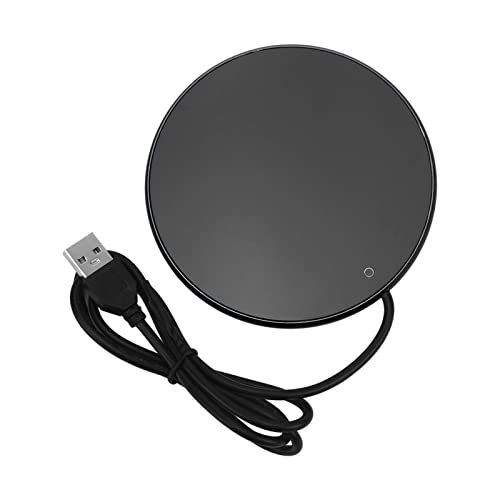 Coffee Mug Warmer for Desk, 3 Temp Settings USB Powered Electric Cup Warmer