You buy good beans, grind them right, brew with care — then store the rest in a flimsy bag with a fold-over clip. Two weeks later, those beans taste flat. That’s the moment most people start shopping for a real coffee canister. But owning one isn’t enough. A canister that’s not maintained will quietly ruin your coffee just as fast as a paper bag will.
This guide covers the full routine: daily habits, weekly cleaning, monthly deep maintenance, and how to handle vacuum-sealed models specifically. You’ll know exactly what to do with glass, ceramic, stainless steel, and electric vacuum canisters. No vague advice — just steps that work.
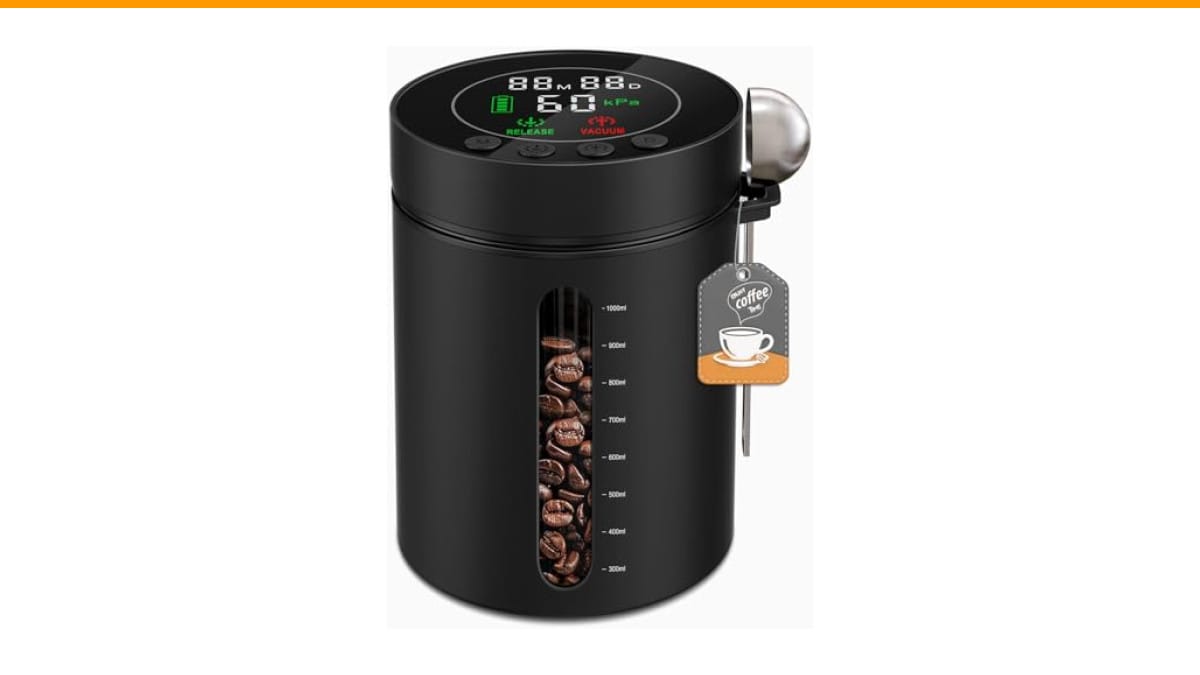
I’ll also touch on a specific type — the automatic vacuum canister — because it’s becoming the standard for serious home brewers. If you’re considering one, the ZDXBO Automatic Vacuum Coffee Canister is a good example of what the category offers. We’ll get into how to keep something like that running right.
Why Maintenance Matters More Than the Canister Itself
Fresh coffee beans release carbon dioxide for days after roasting. That gas pushes out oxygen, which is the enemy. Oxygen oxidizes the oils in beans, turning bright flavors stale and bitter. A good canister slows that process. A dirty or poorly sealed one doesn’t.
Here’s what happens when you skip maintenance:
- Old coffee oils go rancid on the lid gasket and transfer that taste to new beans.
- Moisture builds up inside, which accelerates staling and can grow mold.
- Gasket material hardens and loses its seal, so the canister stops being airtight.
- Vacuum pumps on electric models clog or fail because debris gets pulled into the mechanism.
None of that is dramatic or immediate. It’s a slow decline. But over a month, you’ll notice the difference in your cup. And once a gasket is ruined, you’re buying a new canister — not a new bag of beans.
Daily Habits: 30 Seconds That Save Your Coffee
Most people only think about the canister when it’s empty. That’s backwards. The daily routine takes less than half a minute.
First, wipe the rim and the inside of the lid every time you refill. Coffee oils are sticky. They collect dust and then get baked onto the surface. A dry paper towel or a soft cloth does the job. Don’t use soap every day — that dries out the gasket.
Second, check that the gasket sits flush. If you see it bulging or twisted, reseat it before closing. A twisted gasket is the #1 reason canisters lose their seal without anyone noticing.
Third, don’t leave the lid open while you scoop. Every second the canister is open, air and moisture pour in. Open it, grab your beans, close it. That’s it.
For electric vacuum canisters like the ZDXBO automatic vacuum canister, the routine is the same, plus one extra step: make sure the vacuum port on the lid is clear. A grain of coffee stuck there can break the seal.
Weekly Cleaning: The Proper Way to Wash
Once a week, give the canister a real wash. Hand washing is the only safe method for most models. Dishwashers are too harsh — the heat warps plastic lids and destroys gaskets.
Here’s the step-by-step:
- Empty the canister completely. Throw out old beans or use them for cold brew.
- Rinse with warm water. No soap needed for a basic clean — coffee oils come off with warm water and a little friction.
- If you see residue, use a mild dish soap. A drop on a soft sponge is plenty. Avoid abrasive scrubbers; they scratch glass and stainless steel, leaving tiny grooves where oils hide.
- Clean the lid separately. Pay attention to the gasket groove. Cotton swabs work well for getting into that channel.
- Rinse everything thoroughly. Soap residue will taint your next batch of beans.
- Dry completely before reassembling. Air dry on a rack for a few hours, or use a lint-free towel. Moisture is the enemy.
One thing I learned the hard way: don’t put the lid in the dishwasher even if it says “top rack safe.” The heat cycles make the gasket lose its flexibility. After a few months, it won’t seal properly. Hand wash everything.
Monthly Deep Maintenance: Gaskets, Valves, and Vacuum Systems
Once a month, do a deeper inspection. This is where most people neglect their canister, and it’s also where problems start.
Start with the gasket. Remove it from the lid (most pop out easily). Wash it in warm soapy water, rinse, and dry. Check for cracks, flattening, or a loss of springiness. If it feels hard or brittle, replace it. Most manufacturers sell replacement gaskets for a few dollars — it’s worth having a spare.
Next, check the one-way valve. This is the small hole that lets air out during vacuum sealing. Blow through it gently. If air passes freely, it’s clear. If it’s blocked, use a toothpick or a soft brush to clear the debris. Never use a metal tool — you’ll scratch the valve seat.
For electric vacuum canisters, the pump and sensor need attention too. The ZDXBO model has a pressure sensor that auto-triggers when pressure drops below 50 kPa. That’s a great feature, but it only works if the sensor port stays clean. Wipe the sensor area with a dry cloth monthly. Don’t use water on the electronics — just a dry wipe.
Also check the battery. Rechargeable models like this one use a 2000mAh cell that lasts up to 200 days per charge. When you recharge, use the Type-C port and let it charge fully (3-4 hours). Don’t leave it on the charger for days — that degrades lithium batteries.
Comparing Canister Materials: What’s Actually Easier to Maintain
Not all canisters are equal when it comes to upkeep. Here’s a direct comparison based on my testing experience:
| Material | Cleaning Effort | Durability | Best Maintenance Practice |
|---|---|---|---|
| Glass | Easy — washes clean, no staining | Breaks if dropped; lid is the weak point | Hand wash, inspect gasket monthly |
| Ceramic | Easy — but heavy and fragile | Chips easily | Same as glass, plus avoid thermal shock |
| Stainless Steel | Moderate — shows fingerprints, needs polish | Very durable, won’t break | Use warm water, dry immediately to avoid water spots |
| Plastic (BPA-free) | Easy — but absorbs odors over time | Good, but scratches easily | Baking soda paste for odor removal |
| Electric Vacuum (glass + plastic lid) | Moderate — lid has electronics, can’t submerge | Good — but pump and sensor need care | Wipe lid only, clean glass body separately |
My honest take: glass and stainless steel are the easiest to keep clean long-term. The electric vacuum canister adds complexity but removes the daily hassle of manually pumping out air. The trade-off is worth it if you’re serious about freshness — just be prepared to spend two extra minutes per month on the lid electronics.
Common Problems and Fixes
Even with good care, things go wrong. Here’s how to diagnose the most common issues.
Canister won’t seal anymore. Check the gasket first. It’s probably hardened or cracked. Replace it. If the gasket looks fine, check the rim of the canister body — a chip or warp there breaks the seal.
Vacuum pump runs but pressure drops quickly. The seal is leaking. Wipe the gasket and rim, then try again. If it still leaks, the gasket is worn out.
Mold or musty smell. You left moisture inside. Wash everything, dry completely, and store the canister with the lid off between uses. The smell will go away after a day.
LED display not working on electric models. Check the battery level. If it’s low, recharge. If it’s fully charged and still dead, the sensor may be blocked — clean it gently.
Frequently Asked Questions
How often should I clean my coffee canister?
Wipe the rim and lid daily. Do a full wash with warm water weekly. Deep clean the gasket and valve monthly. That routine keeps most canisters working for years.
Can I put my coffee canister in the dishwasher?
No. Dishwasher heat and detergent are too harsh for gaskets and lids. Hand wash everything. If you must use the dishwasher for the glass body only, never put the lid in.
How do I know if the gasket needs replacing?
Press your finger against it. If it feels hard or has visible cracks, replace it. A healthy gasket is soft and slightly springy. Most people need a new gasket every 6-12 months with daily use.
Does a vacuum canister actually make coffee last longer?
Yes, but not forever. Vacuum sealing removes oxygen, which is the main cause of staleness. Beans stay fresh for about 2-3 weeks in a vacuum canister versus 1 week in a sealed bag. After that, flavor degrades regardless. Use the date tracker on models like the ZDXBO to know when your beans are past their prime.
Can I store ground coffee in the same canister as beans?
You can, but ground coffee goes stale much faster — within days. If you switch between the two, clean the canister thoroughly first. Residual oils from ground coffee will cling to the walls and contaminate the next batch of beans.
What to Do When Your Canister Is Past Saving
Sometimes no amount of maintenance can fix a broken seal or a dead pump. If the gasket is cracked and replacements aren’t available, or if the vacuum mechanism fails on an electric model, it’s time to replace it. Don’t keep using a leaky canister — it’s just an expensive container at that point.
When you buy a new one, look for models with replaceable gaskets and accessible cleaning points. The ZDXBO automatic vacuum canister has a removable lid assembly that makes cleaning straightforward. That’s a feature worth paying for.
Final Checklist for Long-Term Freshness
- Wipe the rim and lid gasket daily — 30 seconds, every day.
- Hand wash weekly with warm water and mild soap; never use the dishwasher.
- Dry everything completely before reassembling — moisture ruins beans faster than oxygen.
- Inspect the gasket monthly and replace it at the first sign of hardening.
- Clear the one-way valve and sensor ports with a dry brush or toothpick.
- On electric models, recharge the battery fully before it hits zero.
- Store the canister in a cool, dark place — sunlight and heat accelerate staling.
Follow that list and your canister will outlast every bag of beans you put in it. Skip it, and you’ll be back to drinking stale coffee in six months, wondering where it all went wrong.
Products related to this article
Sponsored / affiliate links. As an Amazon Associate I earn from qualifying purchases. I may earn additional commission from eligible campaigns.
 Cascade Platinum Plus Dishwasher Detergent Pods Dish Soap Lemon 57 Count
 SOLUSTRE Electric USB Coffee Cup Warmer with Temperature Settings Portable Milk and Beverage Heating Coaster for Office Desk Small Lightweight Design Easy to Clean Surface Multi Functional
 MRS. MEYER'S CLEAN DAY Automatic Dishwasher Pods, Lavender, 20 Count - Pack of 3 (60 Total Pods)