You pull a shot and it comes out like tea. Or worse, nothing comes out at all. The grinder whirs but produces nothing. The machine makes noises that sound expensive. If you own an espresso machine with a built-in grinder, you’ve been there. It’s frustrating because the grinder and brewer are two separate systems that fail in different ways, yet they share one power source and one control board.
This guide walks through the most common failures, in the order you should check them. You’ll learn what to inspect first, what to clean, and when to stop fiddling and call a technician. Most issues are fixable at home in under fifteen minutes with basic tools and a little patience. Some need a professional. Knowing the difference saves you money and keeps your machine alive.

Breville
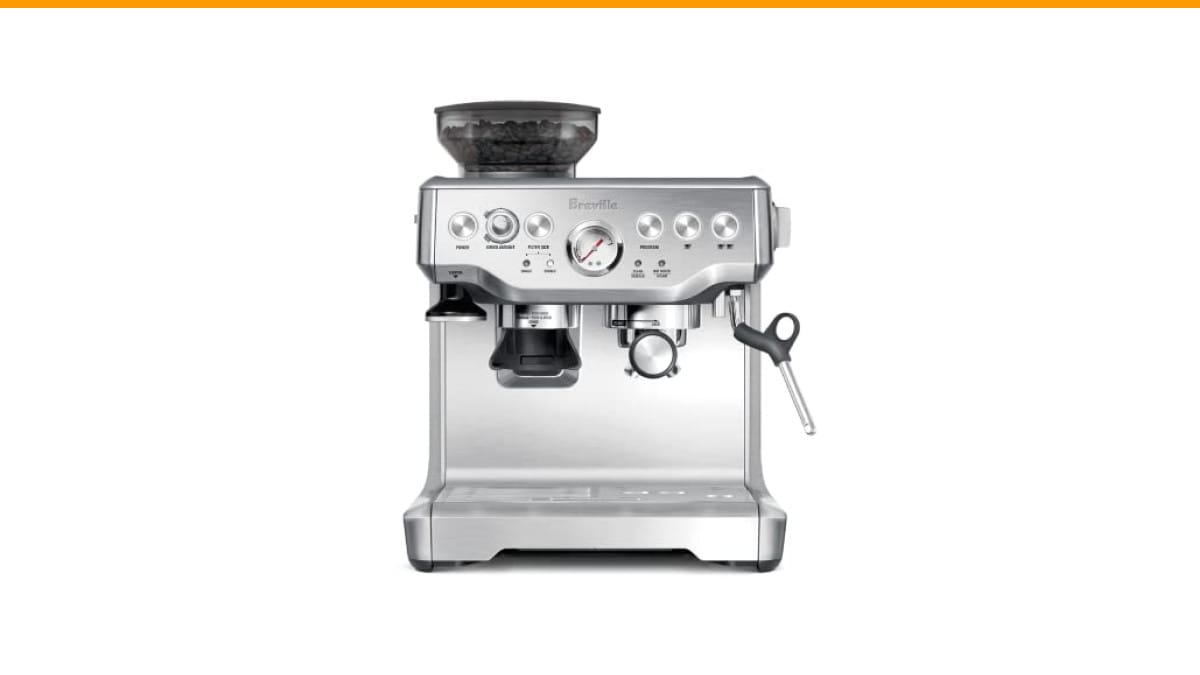
Breville BES870XL Barista Express Espresso Machine, Brushed…
- MANUAL HAND-TEXTURED MICROFOAM: The powerful steam wand on this cappuccino maker and latte machine is designed to quickly turn mil…
- PRECISE DOSE GRINDING: Integrated precision conical burr grinder on bean-to-cup espresso machine grinds on demand to deliver corre…
- WATER PRESSURE: Low pressure pre-infusion gradually increases pressure at the start and draws out all the flavors evenly during th…
As an Amazon Associate I earn from qualifying purchases.
For reference, I’ve spent hours testing the Breville BES870XL Barista Express, which packs a conical burr grinder and a 15-bar pump into one countertop unit. It’s a popular choice for home users, and many of the troubleshooting steps below apply directly to it. The same logic works for other combo machines like the Gaggia Anima or DeLonghi ESAM3300.
Start With the Grinder: It Fails First, Every Time
The grinder is the weakest link on any combo machine. It has moving parts, metal burrs, and a motor that spins at thousands of RPM. It also gets clogged with oily coffee grounds that turn into a paste. Before you touch the brew head or the pump, check the grinder.
Grinder Runs But No Grounds Come Out
This is the most common complaint. The burrs spin, but the chute stays empty. The usual cause is a blockage between the burrs and the exit chute. Old coffee oil mixes with fine grounds and hardens into a plug. It happens more often with dark roasts because they’re oilier.
Fix it by removing the hopper and upper burr. Use the brush that came with your machine to sweep out the chute. If the plug is stubborn, use a wooden skewer or a paperclip to break it up. Do not use water. Water makes oily coffee paste worse. I’ve seen people try it, and they end up with a corroded gearbox.
If the burrs spin but the motor sounds strained, the burrs might be dull or misaligned. Check the burr carrier for cracks. On the Breville BES870XL, the upper burr sits in a plastic carrier that can crack if you overtighten it. Replace the carrier and burrs together if you see damage.
Grinder Produces Inconsistent Particle Size
You set the grind to espresso, but the shot runs fast one day and slow the next. That’s a grind consistency problem. The burrs wear down over time. A new set of conical burrs lasts roughly 500 pounds of coffee for home use. That sounds like a lot, but if you pull four shots a day, you’ll hit that in about three years.
Another cause is coffee beans that are too oily. Oily beans coat the burrs and cause them to slip. If your beans look shiny, try a medium roast instead. You can also run a small amount of dry rice through the grinder to clean the burrs. Rice is abrasive enough to remove oil buildup without damaging the metal.
Finally, check the grind size dial. It’s easy to knock it accidentally. The dial on the Barista Express has numbers from 1 to 16, but the actual grind changes with bean age and humidity. Write down the setting that works for your current bag. When the beans get older, you’ll need to adjust one or two numbers finer.
The Brew Side: Pressure, Flow, and Temperature
Once the grinder delivers consistent grounds, the next problems show up in the brew unit. These are usually pressure-related. The pump pushes water at up to 15 bars, but the actual extraction pressure should sit around 9 bars. If the pressure gauge reads wrong, or the shot runs too fast or too slow, the issue is often simple.
Shot Runs Too Fast (Under-Extraction)
A shot that finishes in under 20 seconds tastes sour and thin. The cause is usually a grind that’s too coarse. Go finer one step at a time. On the Barista Express, that means moving the dial down by one number. Pull a test shot after each change. You’re looking for a flow that looks like warm honey, not water.
Another cause is stale coffee. Beans that were roasted more than three weeks ago lose their structure and extract too quickly. If you’ve already dialed in the grind and the shot still runs fast, try a fresher bag. This is the number one mistake I see home baristas make: they blame the machine when the coffee is the problem.
Also check your dose. If you’re using the single-wall basket, it should hold 18 to 19 grams for a double shot. Under-dosing leaves headspace, which causes channeling and fast flow. Use the Razor tool that comes with the Breville to level the dose. It’s a simple metal blade that trims the coffee to the right depth.
Shot Runs Too Slow or Not at All
This is the opposite problem. The machine chokes, and you get three drops in thirty seconds. The grind is too fine, or the basket is overfilled. Go coarser one step and reduce your dose by half a gram. If that doesn’t fix it, check the shower screen for clogs.
The shower screen sits above the basket and distributes water. Old coffee oils build up there and restrict flow. Remove the screen and soak it in a solution of warm water and espresso cleaning powder for ten minutes. Scrub it with a brush and rinse thoroughly. A clogged shower screen causes more slow shots than any other single issue.
If the shot still won’t flow, check the pump. The Barista Express uses a vibratory pump that sounds like a loud buzz. If the buzz sounds weak or the pressure gauge stays at zero, the pump may be failing. Pumps wear out after about 500 to 800 hours of use. Replacement pumps cost around $40 to $60 and take about thirty minutes to install.
Pressure Gauge Reads Too High or Too Low
The pressure gauge on the Barista Express is a useful diagnostic tool. It should sit in the espresso zone, usually between 9 and 11 bars, during extraction. If it reads higher than that, your grind is too fine or your basket is overfilled. If it reads lower, the grind is too coarse or the pump is weak.
One thing to know: the gauge measures pump pressure, not extraction pressure. It’s an approximation. But it’s consistent, which makes it useful for dialing in. Write down the gauge reading when you pull a good shot. When the reading changes, something in the system has changed.
Water and Cleaning Issues That Mimic Hardware Failures
Many troubleshooting calls end with a deep clean instead of a repair. Scale and coffee oil cause symptoms that look like serious mechanical failures. Before you order a new pump or a new grinder burr set, do a full cleaning cycle. It takes ten minutes and costs almost nothing.
Machine Leaks Water From the Bottom
Leaks usually come from three places: the steam wand, the group head gasket, or the internal hose connections. The steam wand leaks when the valve doesn’t close fully. That’s often because milk residue has crusted onto the valve seat. Remove the tip and soak it in warm water with a drop of dish soap. Scrub the valve seat with a small brush.
The group head gasket is the rubber ring that seals the portafilter. It wears out and starts leaking after a year or two of daily use. You’ll see water dripping around the portafilter during extraction. Replace the gasket. It’s a $10 part and takes five minutes. Check the gasket for cracks or hardening while you’re in there.
Internal hose leaks are harder to diagnose. You’ll see water pooling under the machine after a shot. This usually means a hose clamp has loosened or a hose has cracked. You’ll need to open the case to check. If you’re not comfortable doing that, call a technician. Water and electricity don’t mix, and the machine’s capacitors can hold a charge even after unplugging.
Machine Makes Loud Noises
A little noise is normal. A vibratory pump sounds like a loud hum during extraction. But if you hear grinding, squealing, or knocking, stop using the machine. Grinding sounds from the grinder section mean the burrs are touching. That happens if you set the grind too fine or if a foreign object like a stone got into the beans.
Squealing from the pump section usually means the pump is cavitating, which happens when the water line is blocked. Check the water filter. If it’s clogged, the pump works harder and makes noise. Replace the filter every two months or after 200 shots, whichever comes first. A blocked water line can also cause the machine to overheat and shut down.
Knocking sounds from the boiler mean there’s scale buildup. The heating element heats water trapped under scale, creating steam bubbles that collapse violently. That’s called steam hammering. It will destroy the element over time. Descale the machine immediately if you hear this. Use a descaling solution made for espresso machines, not vinegar. Vinegar is too weak for heavy scale and can leave a residue that tastes like pickles.
Comparing Repairs: DIY vs. Professional Service
Not every repair is a DIY job. Some are simple and safe. Others require tools and knowledge you might not have. Here’s a breakdown of common issues and whether you should tackle them yourself.
| Issue | DIY Difficulty | Time | Parts Cost | Notes |
|---|---|---|---|---|
| Clogged grinder chute | Easy | 10 minutes | $0 | Clean with brush and skewer |
| Dull burrs | Medium | 20 minutes | $30-$60 | Need to align burrs after install |
| Clogged shower screen | Easy | 15 minutes | $0 | Soak and scrub |
| Group head gasket leak | Easy | 5 minutes | $10 | Pry out old gasket with screwdriver |
| Weak or dead pump | Hard | 45 minutes | $40-$60 | Need to open case and discharge capacitors |
| Scale buildup | Medium | 30 minutes | $15-$25 | Use proper descaling solution |
| Electrical issues | Do not DIY | N/A | N/A | Call a certified technician |
My rule of thumb: if the fix involves removing the outer casing, you should probably let a professional handle it. The risk of electric shock or damaging a delicate wiring harness isn’t worth saving $80 on labor. Simple cleaning and part swaps on the outside of the machine are fair game.
Frequently Asked Questions
Why does my espresso machine with grinder produce weak, watery shots?
Weak shots come from under-extraction. The grind is too coarse, the dose is too low, or the coffee is stale. Start by grinding one step finer and pulling a test shot. If that doesn’t help, increase your dose by half a gram. Also check that you’re using the single-wall (non-pressurized) basket for fresh coffee. The dual-wall basket is designed for pre-ground coffee and creates fake crema, which hides extraction problems.
How often should I clean the grinder on my combo machine?
Clean the chute and burrs every two weeks if you use the machine daily. Run a small amount of dry rice or commercial grinder cleaner through it once a month. This removes oil buildup that affects grind consistency. Also brush the burrs after every bag of coffee you finish. This takes thirty seconds and prevents most grinder problems.
Can I use vinegar to descale my espresso machine?
Technically yes, but I don’t recommend it. Vinegar is a weak acid that takes longer to dissolve scale and can leave a strong odor. It also can damage rubber seals over time. Use a descaling solution made for espresso machines. Follow the instructions on the bottle. Most require you to run the solution through the machine, then run several cycles of clean water to rinse.
Why is my portafilter hard to lock into place?
You’re likely overfilling the basket. The coffee should sit level with the top of the basket, not above it. Use a dosing tool or your finger to level the grounds before tamping. If the basket is too full, the portafilter won’t seal properly and you’ll get leaks. Also check the group head gasket. If it’s hardened or cracked, it won’t compress enough to let the portafilter lock in.
What does it mean when the pressure gauge stays at zero?
It means the pump isn’t building pressure. Check that the water tank is full and seated properly. The Barista Express has a small valve at the bottom of the tank that must be engaged. If the tank is empty or misaligned, the pump can’t draw water. If the tank is fine, the pump may be dead or the water line blocked. Check the inline filter for clogs. Replace it if it’s older than two months.
What to Do Next: A Simple Checklist
You don’t need to memorize every fix. Just run through these steps in order when something goes wrong. Each one takes less than ten minutes and eliminates a common cause.
- Clean the grinder chute and burrs with a brush before blaming the brew unit.
- Check your grind setting and dose. Write down what works for each bag of beans.
- Remove and clean the shower screen if shots are slow or uneven.
- Inspect the group head gasket for wear if you see leaks around the portafilter.
- Descale the machine every three months if you have hard water, every six months otherwise. Use a proper descaling solution, not vinegar.
- Replace the water filter every two months to protect the pump and boiler.
- If the machine still acts up after all that, call a technician. Don’t open the case unless you know what you’re doing.
Regular maintenance is the real answer to most troubleshooting questions. The coffee machine maintenance guide on this site covers the full routine in detail. For grinder-specific care, see our grinder cleaning steps. And if you’re dealing with scale, the descaling guide explains the process with photos. A machine that gets cleaned on a schedule rarely needs repairs.
Products related to this article
Sponsored / affiliate links. As an Amazon Associate I earn from qualifying purchases. I may earn additional commission from eligible campaigns.
 Coffee Espresso Machine Handle Replacement Parts, Cafe Bracket Handle for Lidl Silvercrest CM4621 CM4218 KF5002 KF500S Barista (for 51mm Portafilter Basket - Not included)
 Linnkyfloa Coffee Espresso Maker Handle Replacement for Stovetop Moka Pot or Percolator, Black Plastic for Spare Part Compatible with Italian(9-12 Cup)
 Wrenmor Replacement Handle For Coffee Espresso Moka Stove Pot, Black Plastic Accessory Compatible With 1/3/6/9/12 Cup Sizes For Easy Installation And Long-Lasting Use(1 Cup)