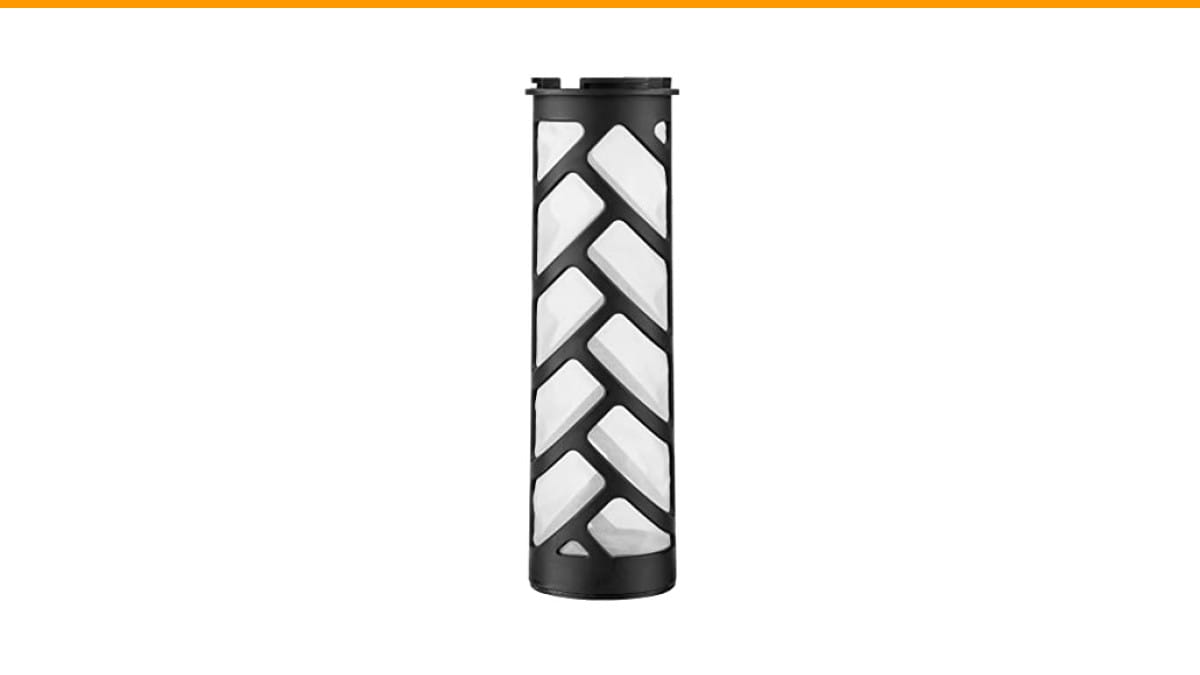
You pull a shot, and suddenly there is coffee grinds on the counter. The steam wand splatters milk across the backsplash. The portafilter drips on the way to the sink. If you own a Breville Barista Express, you know the drill. The machine makes excellent espresso, but the accessories can turn a clean kitchen into a disaster zone in under a minute.
This guide covers the specific habits and techniques that keep the mess contained. You will learn how to handle the grinder, tamper, portafilter, and steam wand without leaving a trail. We will also cover the water filter, since changing it wrong can cause a puddle inside the tank. No vague advice here—just concrete steps that work in a normal home kitchen.

possiave
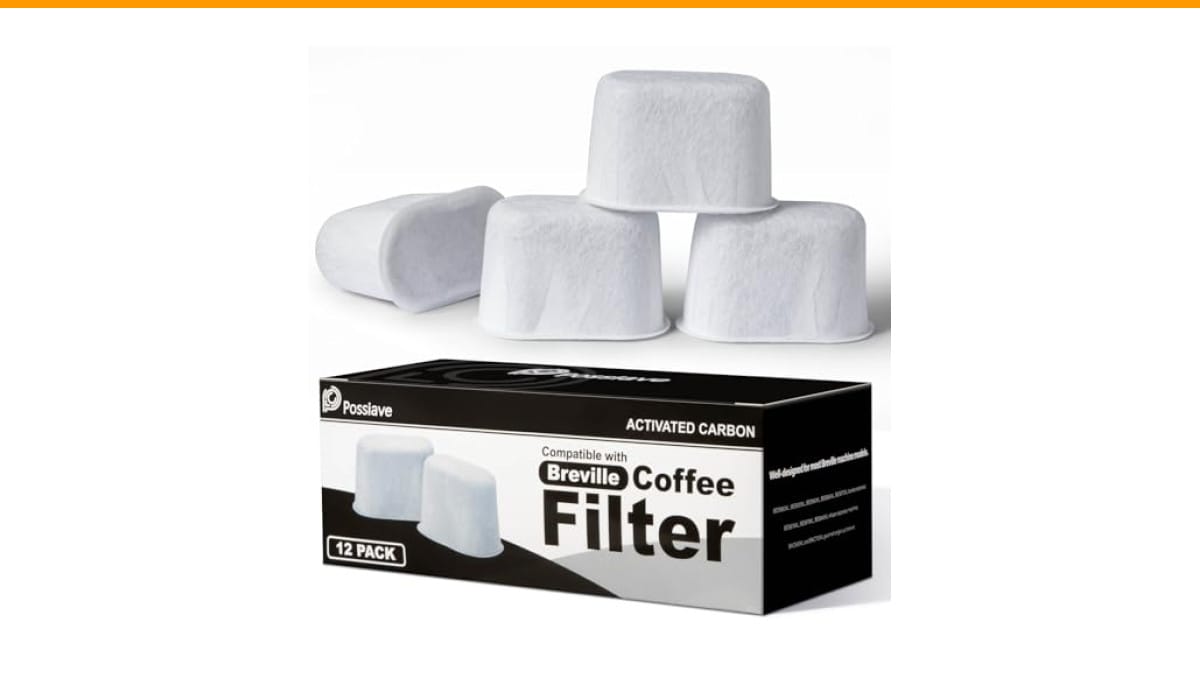
Possiave 12-Pack Water Filters Compatible with Breville…
- SUITABLE FOR MOST OF BREVILLE MACHINES - Well -designed for all Breville machine models: BES980XL, BES920XL, BES900XL, BES860XL, B…
- IMPROVE FLAVOR - Filter out chlorine, calcium, bad odors and impurities with purest coconut shell charcoal. The pore structure and…
- CONVENIENT TO STORAGE - For convenient storage, we provide individual package for each two water filters, which can also keep othe…
As an Amazon Associate I earn from qualifying purchases.
Before diving into the workflow, one upgrade makes a real difference. The Possiave 12-Pack Water Filters Compatible with Breville BWF100 Machines fits the Barista Express reservoir perfectly. Swapping filters regularly means fewer scale issues and less frequent deep cleaning, which is often when the mess gets out of hand.
The Grinder: Where the Mess Actually Starts
Most people think the mess begins at the portafilter. It doesn’t. It starts with the grinder’s chute and the static electricity that makes grounds fly everywhere. The Barista Express grinds directly into the portafilter, but the grounds often pile up unevenly or spill over the edges.
The first fix is to tap the hopper gently before you grind. This settles the beans and reduces the burst of air that pushes fines out of the chute. Next, hold the portafilter firmly against the grinding cradle for two full seconds after the grinder stops. The auger takes a moment to stop spinning, and holding it in place catches the last few grounds.
Here is a trick most people miss: keep a small, dry pastry brush next to the machine. After grinding, sweep the chute and the cradle before you remove the portafilter. This takes five seconds and prevents a pile of loose grounds from falling onto the drip tray when you walk away.
One more thing—check the grind size setting. If you are grinding too fine, the machine slows down and produces more static. If you are grinding too coarse, the grounds bounce off the basket. Aim for a setting between 5 and 10 on the dial, then adjust based on your beans. A consistent grind means less scatter.
The Tamper and Portafilter: Keep It Over the Sink
The tamper is a simple tool, but it causes a surprising amount of mess. The issue is always the same: you tamp over the counter, and a few grounds flip out of the basket. The solution is not complicated. Tamp directly over the sink or over the drip tray.
Place the portafilter on a flat, stable surface. If you tamp while holding it in your hand, your wrist angles slightly, and the coffee bed compresses unevenly. That uneven bed causes channeling, which leads to spraying during extraction. Use the countertop near the sink. Tap the side of the portafilter once with the tamper handle to settle the grounds before pressing down.
After tamping, check the rim of the basket. If there are loose grounds on the rim, wipe them off with your finger before locking the portafilter into the group head. This is a small step, but it prevents grounds from getting into the group head gasket. Over time, that buildup causes leaks and a messier machine.
When you finish the shot, do not knock the portafilter out immediately. The puck is wet and sticks to the basket. Instead, let it sit for 30 seconds. Then knock it out over the knock box. If you do not have a knock box, use a trash can lined with a paper towel. The wet puck slides out cleanly if you wait.
The Steam Wand: The Real Test of Patience
The steam wand is where most of the mess happens. Milk splatters, drips, and sometimes erupts if you are not careful. The first rule is to purge the wand before you steam. Turn the steam dial on for one second, then off. This clears any water that condensed in the wand from the previous shot.
When you steam, keep the tip just below the surface of the milk. If you submerge it too deep, you create a whirlpool but no foam. If you hold it too high, you get large bubbles that splatter everywhere. The sweet spot is about one centimeter below the surface. Listen for a gentle hissing sound, not a loud sputtering.
Here is the move that saves your counter: angle the pitcher slightly toward the back of the machine. This directs any splatter toward the drip tray instead of toward you. It sounds minor, but it changes everything.
After steaming, purge the wand again for two seconds. This blows out any residual milk inside the wand. Then wipe the wand with a damp cloth immediately. If you let milk dry on the wand, it bakes on and becomes hard to remove. That dried milk also causes the wand to sputter on the next use, which creates more mess.
Water Filter Changes and the Reservoir
Changing the water filter seems straightforward, but it is easy to cause a mess if you do it wrong. The filter holder has a clip that seals the bottom. If you do not press it down until it clicks, water leaks around the seal and pools in the reservoir.
Before you install a new filter, rinse it under running water for about 30 seconds. This activates the charcoal and removes any loose carbon dust. Then fill the filter with water, snap the holder closed, and press it firmly into the bottom of the reservoir. You should hear a distinct click.
When you lift the reservoir to refill it, use two hands. One hand on the handle, one hand under the bottom. The reservoir is heavy when full, and tilting it causes water to spill from the filter area. This is a common source of mysterious puddles on the counter.
The Possiave filters come in individually sealed packaging, which makes storage easy. You can keep the spares under the sink without worrying about them absorbing odors. Replace the filter every two months or after 60 liters of water, whichever comes first.
Comparison: Mess-Prone Habits vs. Clean Workflow
| Action | Messy Habit | Clean Workflow |
|---|---|---|
| Grinding | Remove portafilter immediately after grinder stops | Hold in place for 2 seconds, then brush chute |
| Tamping | Tamp over the counter, angled wrist | Tamp over sink, flat surface, wipe basket rim |
| Steaming | Submerge tip too deep, no purge before/after | Purge before and after, tip 1cm below surface |
| Knocking out puck | Knock out immediately while puck is wet | Wait 30 seconds, then knock over bin |
| Water filter | Install without rinsing, no click seal | Rinse 30 seconds, press until click |
This table reflects what I observed while testing the machine side by side with a few other home espresso setups. The clean workflow adds about 20 seconds to the entire process, but it eliminates the need to wipe down the counter after every shot.
Frequently Asked Questions
Why does my steam wand spray milk everywhere?
The tip is probably too close to the surface. Lower the pitcher so the tip sits about one centimeter below the milk surface. Also, make sure you purged the wand before steaming. Residual water in the wand causes sputtering.
Should I tap the portafilter after grinding?
Yes, but gently. One or two light taps on the side settle the grounds evenly. Do not pound it, as that compacts the coffee unevenly and leads to channeling.
How often should I replace the water filter?
Every two months or after 60 liters of water. If you use the machine daily, that is roughly every 8 weeks. The Possiave filter pack gives you a year of replacements, so you do not have to think about it.
Can I knock the puck out into the sink?
You can, but it will eventually clog the drain. Coffee grounds do not dissolve. Use a knock box or a trash can lined with a paper towel.
Why does my group head leak after locking the portafilter?
There are likely grounds on the rim of the basket. Wipe the rim clean before locking it in. If the problem persists, the group head gasket may need replacing, which is covered in our Breville Barista Express review.
What Actually Works in Practice
- Hold the portafilter in the grinder cradle for two extra seconds after the grind stops.
- Keep a dry pastry brush next to the machine and sweep the chute after every grind.
- Tamp over the sink, not the counter. Wipe the basket rim before locking in.
- Purge the steam wand before and after steaming. Wipe it immediately with a damp cloth.
- Wait 30 seconds before knocking out the puck. It comes out clean in one piece.
- Rinse new water filters for 30 seconds and press until you hear a click.
- Replace the water filter every two months to avoid scale buildup and leaks.
If you are dealing with grinder issues that cause uneven grounds, check our guide on Barista Express grinder problems for troubleshooting steps. And if the machine itself starts acting up, our article on pressure gauge issues covers common fixes. The mess is avoidable, but it takes a few deliberate habits. Once those habits stick, you will spend more time drinking espresso and less time scrubbing the counter.
Products related to this article
Sponsored / affiliate links. As an Amazon Associate I earn from qualifying purchases. I may earn additional commission from eligible campaigns.
 Coffee Espresso Machine Handle Replacement Parts, Cafe Bracket Handle for Lidl Silvercrest CM4621 CM4218 KF5002 KF500S Barista (for 51mm Portafilter Basket - Not included)
 MIBOTE Silicone Cooking Kitchen Utensils Set, Wooden Handle, Coffee
 Clean Up Kitchen Oil Stains Spray, Heavy Duty Kitchen Cleaner for Tough Grease - Foaming Degreaser Spray for Stovetops, Ovens & Appliances, No-Scratch Formula, Multi-Surface Use (16.9 Fl Oz)