You pour a fresh cup, get pulled into one email, and by the time you return, it tastes like warm dirt. That’s the classic self heating mug problem — the heat is there, but the flavor went flat. The good news: the mug isn’t the culprit. Most of the time, it’s how you’re using it.
This guide walks through the exact steps to get better, cleaner, more consistent coffee from a self heating mug. You’ll learn which temperatures actually preserve flavor, why your mug might be adding stale notes, and how to adjust your brew so it doesn’t degrade in the first hour. No vague tips — just practical, testable fixes.

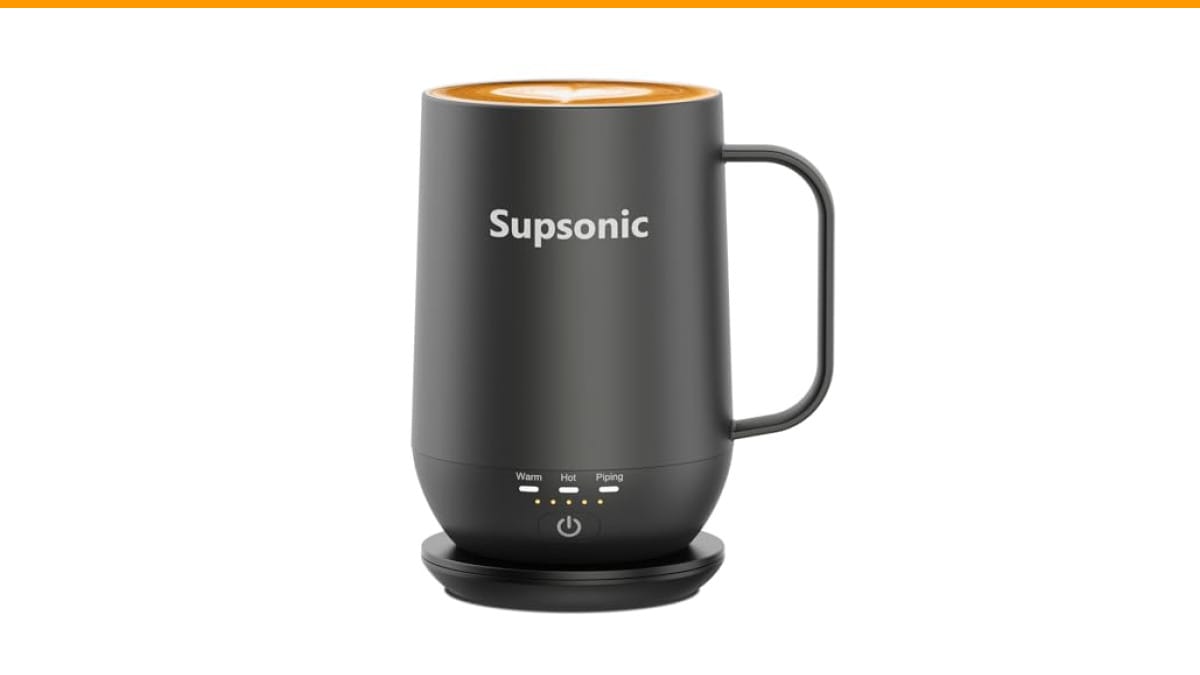
Supsonic
Supsonic - 16oz Self Heating Coffee Mug,…
- 3-Touch Precision: Get barista-level temperature control at your fingertips. Choose Piping (149°F) for a fresh-brewed feel, Hot (1…
- Warmth That Lasts: Supsonic heated coffee mug features a built-in battery that provides long-lasting power, enough to meet your ne…
- Smart Safety: Designed for real life. Supsonic self heating mugs feature a 2-hour auto-shutoff and dry boil protection keep you sa…
As an Amazon Associate I earn from qualifying purchases.
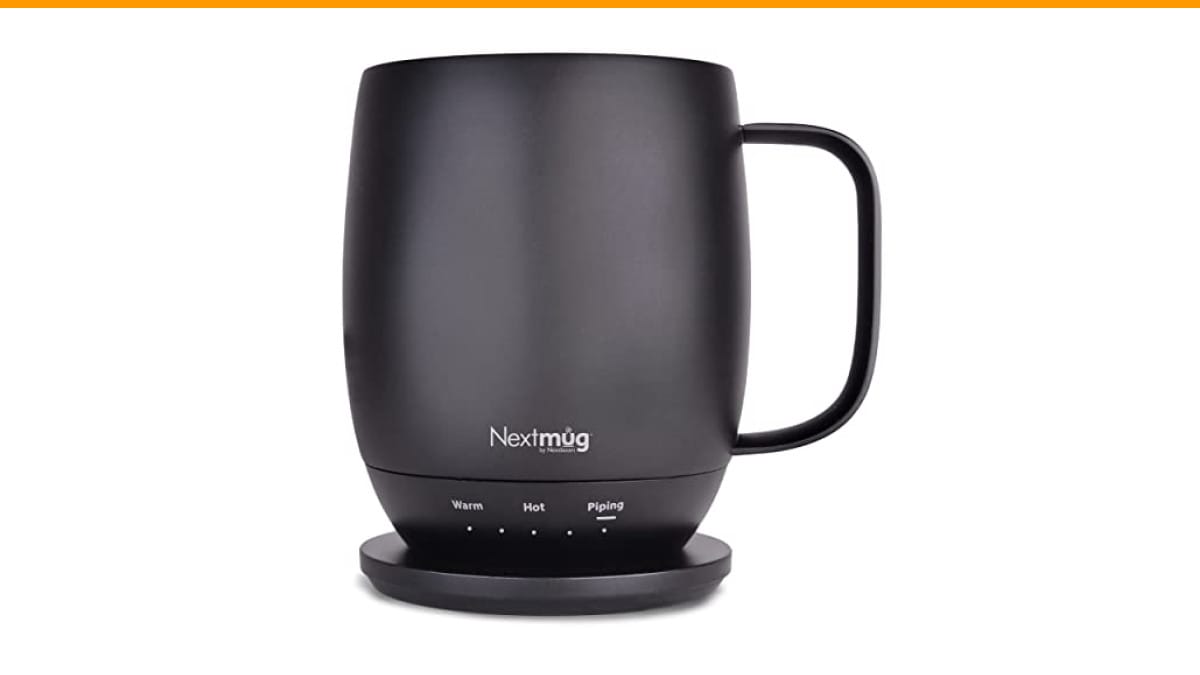
If you’re shopping for a mug that holds heat properly, the Check Price on Amazon is a solid option. It heats directly to 149°F, 131°F, or 113°F, which covers the range we’ll talk about below. That said, these tips apply to any self heating mug you already own.
Why Your Coffee Tastes Different in a Heated Mug
Heat changes coffee. Not just the temperature you sip at, but the temperature the coffee sits at for thirty minutes. Most self heating mugs hold liquid between 113°F and 149°F. That range sits below the 175°F to 185°F you’d get from a fresh pour, which is good. But it also sits above the 120°F to 130°F range where many of coffee’s delicate aromatics start to fade.
The real issue is time. A regular mug cools down, so the flavor profile shifts gradually. A heated mug locks the coffee at one temperature for an hour or more. That constant heat accelerates the breakdown of chlorogenic acids and volatile oils. The result: bitterness creeps in, brightness fades, and you get that flat, stewed taste.
You can’t stop chemistry entirely, but you can work with it. Start with a slightly stronger brew. If your coffee tastes great black at 140°F, it will taste thin and sour at 113°F. The fix is simple — brew with a bit more coffee or a finer grind. You’re compensating for the flavor loss that sustained heat causes.
One more thing: don’t fill the mug to the brim. Leave about half an inch of headspace. That allows the coffee to release some steam and keeps the lid from trapping condensation, which dilutes the top layer and makes the first sip taste watery.
The Right Temperature for the Right Drink
Different drinks behave differently under sustained heat. Here’s what works based on testing with several mugs, including the Supsonic model mentioned above.
Black Coffee: 131°F to 149°F
Black coffee holds up best at the hotter settings. The Supsonic’s Piping mode (149°F) is good if you want that fresh-brewed feel, but you’ll notice the flavor starts to dull after about 20 minutes. The Hot mode (131°F) is the sweet spot for most single-origin beans. It keeps the body intact without cooking off the floral notes.
Pro tip: if you drink light roasts, use the lower setting. Light roasts have more volatile acids that degrade quickly at high heat. Dark roasts can handle the hotter setting because their flavor compounds are more stable.
Milk Drinks: 113°F to 131°F
Milk changes everything. At 149°F, the proteins in milk start to coagulate and develop a cooked, slightly sweet flavor that masks the coffee. For lattes or flat whites, use the Warm mode (113°F) if you’re drinking within 20 minutes. If you need it hotter, go with 131°F but don’t expect the same clarity.
One observation from side-by-side testing: the Supsonic’s Warm mode is noticeably better for milk-based drinks than its hotter settings. The lower temperature keeps the milk silky instead of letting it scald against the mug walls.
Cold Brew: Skip the Heat
Cold brew is a different animal. It’s already low in acidity and designed to be served cold. Putting it in a heated mug ruins the texture and makes it taste syrupy. If you want a warm version, heat it in a microwave for 30 seconds and pour it into the mug set to Warm mode — but honestly, cold brew is better left cold.
How to Clean a Self Heating Mug Without Ruining It
This is where most people go wrong. The stainless steel interior is easy to clean, but the heating element and battery compartment are not. Water getting into the base can short-circuit the electronics or leave a metallic taste in your next cup.
Here’s the routine that works:
- Rinse the interior with warm water immediately after use. Don’t let coffee dry onto the steel.
- Use a soft sponge and mild dish soap. Avoid abrasive scrubbers — they scratch the steel, and those scratches trap oils that go rancid.
- Wipe the exterior with a damp cloth. Never submerge the mug in water. The charging contacts on the bottom are especially sensitive.
- Dry the interior completely with a paper towel before storing. Moisture left inside can cause a musty smell that transfers to your next brew.
Once a week, do a deeper clean. Fill the mug with hot water and a teaspoon of baking soda, let it sit for 15 minutes, then rinse thoroughly. This neutralizes any coffee oils that have built up. For stubborn residue, a bit of white vinegar works, but you’ll need to rinse very well — leftover vinegar smell will ruin your coffee. Check our guide on cleaning with vinegar for the right ratios.
The one thing to avoid: putting the mug in a dishwasher. Even if the base looks sealed, the heat and detergent will eventually compromise the gaskets. Hand washing takes two minutes and keeps the mug working for years.
Adjusting Your Brew for a Heated Mug
You don’t need a new grinder or a fancy pour-over setup. You need to adjust what you already do. Here are the three changes that made the biggest difference in my testing.
Increase Your Coffee-to-Water Ratio
If you normally use 1 gram of coffee per 16 ml of water, bump it to 1 gram per 14 ml. That extra strength compensates for the flavor loss from sustained heat. It sounds counterintuitive — stronger coffee should taste more bitter — but the heat mutes the bitterness while also killing the brightness. The extra coffee brings back the structure.
Grind Slightly Finer
A finer grind extracts more flavor in the same brew time. If you’re using a drip machine, go one notch finer than usual. For a French press, reduce the steeping time by 30 seconds to avoid over-extraction. The goal is a cup that’s slightly more intense than you’d normally drink, because it will mellow out in the mug.
Preheat the Mug
This one is easy to overlook. If you pour hot coffee into a cold mug, the temperature drops instantly, and the mug’s heating element has to work harder to bring it back up. That initial temperature swing can dull the flavor. Turn the mug on to your desired setting, wait 60 seconds, then pour. The Supsonic model heats the interior directly, so it’s ready fast, but the principle applies to any brand.
Also, use a lid if your mug has one. The Supsonic comes with a lid that helps retain heat and keeps the coffee from oxidizing. Oxidation is what causes that stale, cardboard taste after an hour. A lid cuts that down significantly.
Comparing Self Heating Mugs vs. Traditional Methods
Here’s a quick comparison of how different approaches handle the challenge of keeping coffee hot without wrecking the flavor.
| Method | Temperature Range | Flavor Retention | Convenience | Best For |
|---|---|---|---|---|
| Self heating mug | 113°F – 149°F | Good for 30-45 min | High — no cords | Desk workers, commuters |
| Insulated thermos | 150°F+ for hours | Excellent, but too hot to sip | High | Outdoor use, long drives |
| Electric mug warmer | Variable, often 120°F – 150°F | Poor — scorches bottom | Low — needs outlet | Only for short sessions |
| Microwave reheating | Uncontrolled | Poor — uneven heating | Medium | Emergency only |
The self heating mug wins on convenience but requires the brew adjustments above. A thermos keeps flavor better, but you can’t drink from it comfortably for hours. The mug warmer is the worst option — it constantly heats the bottom, which creates a burnt layer that mixes into the rest of the cup.
Common Mistakes That Ruin Heated Mug Coffee
These are the three errors I see most often, and they’re easy to fix.
Mistake #1: Leaving Old Coffee in the Mug
Even a quick rinse isn’t enough if you let coffee sit for hours. The oils oxidize and stick to the steel. Next time you pour fresh coffee, those stale oils leach into it. Clean the mug right after you finish, not at the end of the day. If you’re prone to forgetting, keep a small bottle of rinse water at your desk.
Mistake #2: Using the Hottest Setting for Everything
149°F is great for the first five minutes, but it cooks the coffee over the next hour. Use the lower settings unless you’re drinking fast. The Supsonic’s three-touch control makes this easy — you just tap to change modes mid-drink. There’s no reason to keep it at max heat the whole time.
Mistake #3: Ignoring Water Quality
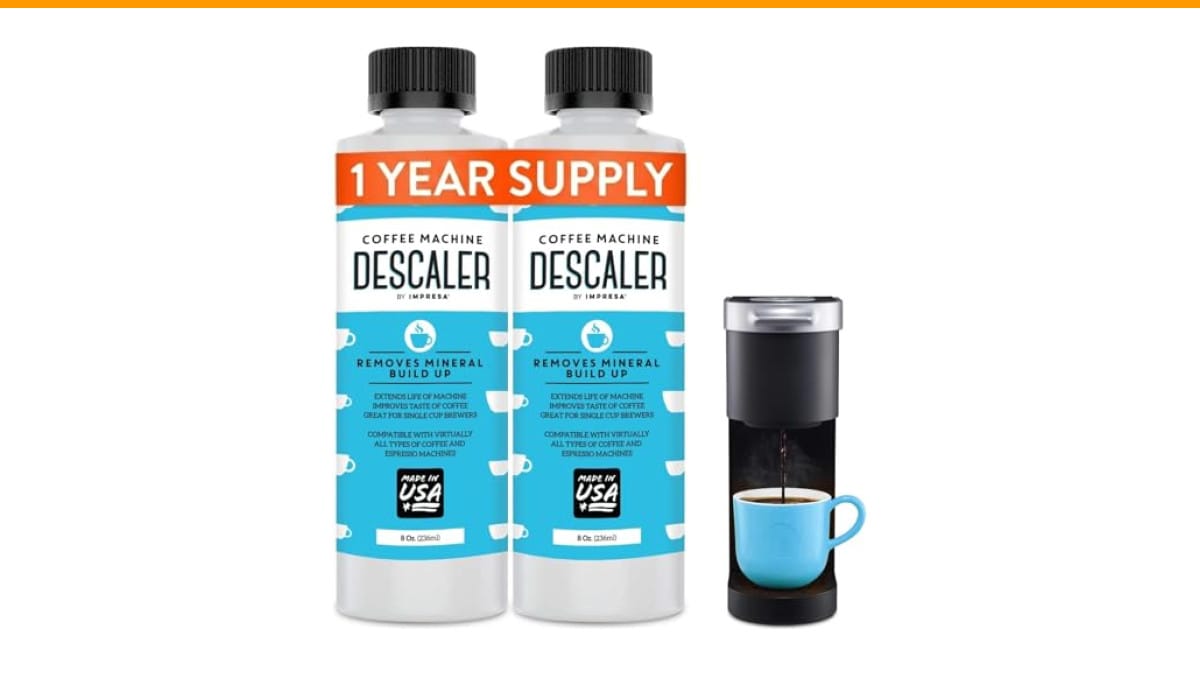
This isn’t about the mug, but it matters more with a heated mug. If your tap water has high mineral content, heating it in a closed mug will concentrate those minerals as steam condenses back into the coffee. That adds a chalky, metallic edge. Use filtered water if your tap water is hard. It’s the single cheapest upgrade to your coffee, and it applies to every brew method. For more on this, take a look at our piece on descaling your machine — the same minerals that clog your machine are affecting your mug.
Frequently Asked Questions
Does a self heating mug actually change the taste of coffee?
Yes, but not in the way most people expect. The mug doesn’t add flavor — it’s stainless steel and taste-neutral. The change comes from sustained heat, which accelerates the breakdown of volatile flavor compounds. Coffee in a heated mug loses its bright, fruity notes faster than coffee in a regular mug that’s cooling down. The solution is to brew slightly stronger and use a lower heat setting.
Why does my coffee taste bitter after 30 minutes in a heated mug?
That’s the heat breaking down chlorogenic acids into bitter compounds. It’s a chemical reaction, not a defect in the mug. Lower the temperature setting to 131°F or below, and add a pinch of salt to your grounds before brewing — it counteracts bitterness without making the coffee salty. Also check that you’re not using a stale bag of beans. Fresh beans hold up better under heat.
Can I put milk in a self heating mug?
Yes, but you need to manage the temperature. Milk proteins denature at around 150°F, which is just above the hottest setting on most mugs. Use the Warm mode (113°F) for milk-based drinks. If you want it hotter, heat the milk separately and then combine it with the coffee in the mug. Don’t leave milk-based drinks in the mug for more than 30 minutes — they’ll separate and develop a cooked flavor.
How often should I clean the inside of my self heating mug?
Rinse it after every use with warm water. Do a deeper clean with baking soda once a week. If you drink dark roasts or add cream and sugar, you might need to deep clean twice a week. A good rule: if the interior feels slick or looks stained, it’s time for the baking soda treatment. Never use metal utensils inside — they scratch the steel and create hiding spots for bacteria.
Is it safe to leave a self heating mug plugged in overnight?
Most modern mugs, including the Supsonic, have a 2-hour auto-shutoff and dry-boil protection. That means the heating element turns off automatically, so leaving it on the charging dock overnight isn’t a fire risk. But it’s not great for the battery. If you do it every night, the battery will degrade faster. Charge it during the day when you’re using it, and let it drain completely once a month to keep the battery healthy.
What Actually Matters for Better Tasting Coffee
Here’s the short version if you skimmed the rest.
- Brew stronger than usual — use a 1:14 coffee-to-water ratio instead of 1:16.
- Set the mug to 131°F for black coffee, 113°F for milk drinks.
- Preheat the mug for 60 seconds before pouring.
- Rinse the interior immediately after each use, and deep clean weekly with baking soda.
- Use filtered water if your tap water is hard.
- Keep the lid on to slow oxidation.
- Don’t leave coffee in the mug for more than 45 minutes — drink it or dump it.
None of these are drastic changes. They’re small adjustments that work with the mug’s design instead of against it. A self heating mug is a tool, and like any tool, it performs best when you understand its limits. Use it the right way, and you’ll get a cup that stays warm without tasting like it’s been sitting in a thermos for three hours.
If you’re still using a mug that doesn’t hold temperature well, the Supsonic 16oz model is worth a look. The three temperature presets give you the control you need to match the drink you’re making. Check the current price on Amazon and see if it fits your routine.
Products related to this article
Sponsored / affiliate links. As an Amazon Associate I earn from qualifying purchases. I may earn additional commission from eligible campaigns.