You bought a compact brewer for the apartment, the office, or the camper. Then you opened the box and realized the carafe is the size of a tall glass, and the manual is mostly pictures. Small coffee makers look simple, but they have their own quirks. A 5-cup machine is not just a bigger machine shrunk down; it brews faster, heats water differently, and punishes you if you overfill the basket.
This guide covers the practical side of using a small coffee maker. You’ll learn the correct water-to-coffee ratio for a 5-cup pot, how to use the pause-and-pour feature without flooding the basket, and why your brew tastes bitter even though you bought good beans. I’ll also walk through the cleaning routine that keeps these compact units alive, because scale builds up twice as fast in a tiny boiler.

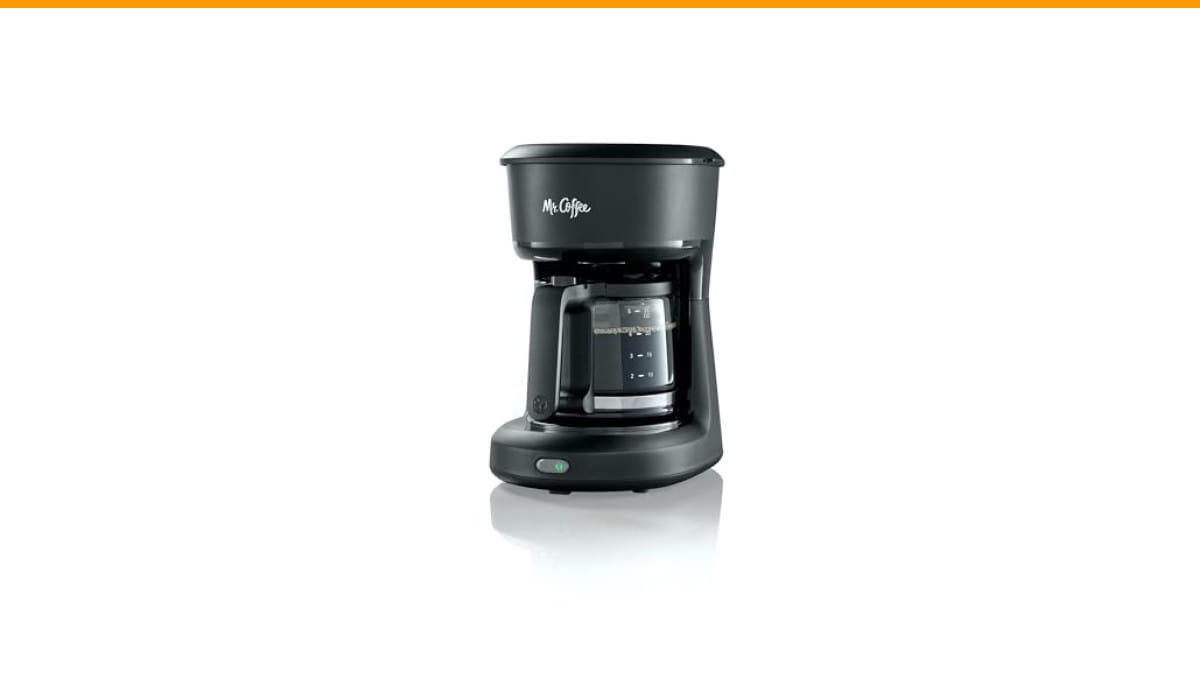
Mr. Coffee
Mr. Coffee® 5-Cup Mini Brew Switch Coffee…
- Please refer to user guide or user manual or user guide (provided below in PDF) before first use
- Grab-a-Cup Auto Pause lets you grab a cup before brewing is finished
- Lift & Clean Filter Basket makes for easy cleanup
As an Amazon Associate I earn from qualifying purchases.
If you are using a model like the Mr. Coffee 5-Cup Mini Brew Switch, the basics here apply directly. It has a simple on/off switch, a glass carafe, and a filter basket that lifts out for cleaning. No timers, no programming, just water and grounds.
Step 1: Measure Water First, Then Grounds
The biggest mistake people make with a 5-cup brewer is using the carafe markings to measure water but guessing the coffee amount. That produces a weak, watery cup that tastes like brown tea.
Here is the ratio that works in testing: use 1 tablespoon of ground coffee per 5 ounces of water. A standard 5-cup carafe holds about 25 ounces when filled to the top mark. That means you need 5 tablespoons of coffee for a full pot. If you prefer a stronger cup, go to 6 tablespoons, but do not exceed that. Overfilling the basket causes water to pool, overflow the filter, and dump sludge into your mug.
One practical tip: grind your beans on the coarser side of medium. Small machines use a faster drip cycle, and fine grounds extract too quickly, leaving a bitter, over-extracted taste. If your grinder has a setting dial, aim for something between sea salt and kosher salt.
Water Quality Matters More Than You Think
Tap water with high mineral content will leave white scale inside the boiler after a month. That scale insulates the heating element, making the water hotter than it should be, which burns the coffee. Use filtered water if you have it. Distilled water is not a good idea either, because it tastes flat and can confuse the machine’s sensors on some models.
Step 2: Load the Filter and Grounds Correctly
Most 5-cup machines accept either a #4 cone filter or a permanent mesh basket. The Mr. Coffee Mini Brew uses a basket-style filter. Lift the basket out, place a #4 paper filter inside, and fold the seams down so it sits flat against the walls.
Add your measured grounds and give the basket a gentle shake to level the surface. Do not tamp or press the coffee down. Unlike an espresso machine, a drip brewer needs loose grounds so water can pass through evenly. Pressing them down slows the drip and causes overflow.
Slide the basket back in until it clicks. If the basket sits crooked, the lid will not close properly, and steam will escape during brewing, which drops the water temperature and makes the coffee sour.
Step 3: Use the Pause-and-Pour Feature the Right Way
The Grab-a-Cup Auto Pause on this model stops the flow of water when you pull the carafe out mid-brew. That sounds convenient, but there is a catch. The pause mechanism holds hot water directly over the coffee bed. If you leave the carafe out for more than 30 seconds, the water keeps dripping slowly and over-extracts the grounds sitting at the bottom of the basket.
When you pour a cup mid-cycle, keep it quick. Pull the carafe, pour, and slide it back within 15 to 20 seconds. That gives you a cup without ruining the rest of the pot. If you need more time, just wait for the full cycle to finish. The difference in taste is noticeable.
Also, place the empty carafe back on the warming plate as soon as you finish pouring. The heating plate gets hot enough to burn the bottom of a glass carafe if left empty for more than a couple of minutes.
Step 4: Brew Time and Temperature Expectations
A 5-cup machine brews a full pot in about 5 to 7 minutes. That is slower per cup than a 12-cup model because the heating element is smaller. Do not panic if the first cup drips slowly. The water needs time to heat through the whole tube system.
The ideal brewing temperature is between 195°F and 205°F. Most small machines hit around 195°F on the first brew cycle, then climb slightly on the second. You cannot control this on a basic switch model, so adjust your grind size instead. If the coffee tastes weak, grind finer. If it tastes sharp or burnt, grind coarser.
| Brewing Situation | Water Amount | Coffee Grounds | Grind Size | Expected Result |
|---|---|---|---|---|
| Single strong mug | 10 oz (2 carafe marks) | 2.5 tbsp | Medium-fine | Bold, concentrated |
| Full pot, regular | 25 oz (top mark) | 5 tbsp | Medium | Balanced, drinkable |
| Full pot, mild | 25 oz (top mark) | 4 tbsp | Medium-coarse | Light, less acidic |
| Half pot for one | 12 oz | 2.5 tbsp | Medium | Good for a travel mug |
One thing to note about the carafe markings: they are not precise on most budget machines. The ounce marks on the Mr. Coffee carafe are close, but not exact. If you want consistency, measure your water with a liquid measuring cup once and note where the level actually sits on the carafe. Then use that mark going forward.
Step 5: Clean It After Every Few Uses
A small coffee maker gets gross fast. Coffee oils build up on the basket and carafe, and mineral scale collects in the boiler. You should rinse the basket and carafe after every use. Once a month, run a full descaling cycle with white vinegar.
To descale: fill the reservoir halfway with white vinegar and halfway with water. Run a full brew cycle without coffee. Let the machine cool for 30 minutes, then run two full cycles with plain water to rinse out the vinegar taste. If you skip this, your coffee will start tasting metallic, and the machine will brew slower over time. Regular cleaning matters more on a small unit because the water paths are narrower and clog faster than on a full-size brewer. For a detailed routine, check our cleaning frequency guide.
Common Mistakes That Ruin a Small Pot
Here is what I see people do wrong with these compact machines:
- Using pre-ground coffee that is too fine. Most supermarket pre-ground is fine enough for drip, but the cheap stuff is dusty. It clogs the basket and stalls the drip.
- Pouring water above the max fill line. The reservoir overflows into the base, which can damage the heating element. There is no forgiveness in a small tank.
- Leaving the carafe on the hot plate for over an hour. The bottom of the glass can crack, and the coffee turns to sludge.
- Forgetting to put the carafe in before turning the machine on. Without the carafe, the pause valve stays open, and hot water pours onto the warming plate.
If your machine stops brewing mid-cycle and the basket is full of water, the filter is clogged. Turn it off, dump the grounds, and use a coarser grind or less coffee. If the machine itself stops heating, check for scale buildup first. A clogged boiler is the most common failure point on these units. Our vinegar descaling steps can fix that before you spend money on a new unit.
How to Get the Best Cup From a 5-Cup Machine
Brew smaller batches more often. A 5-cup pot does not hold heat well, and the warming plate scorches the coffee after 20 minutes. Brew a half pot (2 to 3 cups) when you are the only one drinking, and brew a full pot only when you have company. The coffee tastes fresher, and you waste less.
Preheat your mug with hot water before brewing. The small carafe does not retain heat like a thermal model, and pouring into a cold ceramic mug drops the temperature by 10 degrees instantly. That makes the coffee taste dull and muted. A quick rinse with hot tap water fixes that.
Use a paper filter even if the machine has a mesh basket. Paper absorbs the bitter coffee oils that a mesh basket lets through. The difference is subtle but real, especially with dark roasts. If you prefer the mesh, clean it thoroughly after every use with soap and a soft brush.
Frequently Asked Questions
Why does my small coffee maker overflow the filter basket?
That happens when the grounds are too fine or you used too much coffee. The water cannot drain through the bed fast enough, so it backs up over the top of the basket. Switch to a coarser grind and reduce your dose by half a tablespoon. Also check that the paper filter is not folded over on itself, blocking the drain hole at the bottom of the basket.
Can I use a regular #4 filter in a 5-cup machine?
Yes, a #4 cone filter fits most 5-cup basket machines, but you need to fold the bottom seam and sides down so it sits flat in the basket. If the filter is too tall, it will poke up and interfere with the lid, preventing it from closing. Some machines work better with a #2 filter that you trim slightly. Check the manual for the exact size.
How much coffee do I use for a 5-cup pot?
Use 5 tablespoons for a full pot of water (25 ounces). That gives a standard strength. For a bolder cup, use 6 tablespoons, but no more. The basket on a 5-cup machine holds about 6 tablespoons max before it overflows. If you like strong coffee, buy a darker roast instead of adding more grounds.
Why does my coffee taste bitter even with fresh beans?
Bitter taste usually means over-extraction. The water is too hot, the grind is too fine, or the brew cycle runs too long. Small machines often brew slower, which exposes the grounds to water longer. Grind coarser, and try pulling the carafe out for a few seconds mid-brew to interrupt the flow. That mimics a longer bloom and reduces bitterness.
Is it safe to leave the coffee maker on after brewing?
It is safe for a short time, but not ideal. The warming plate stays hot and can crack the glass carafe if it runs dry. It also burns the coffee into a bitter sludge. Turn the machine off as soon as the brew cycle finishes, and pour the coffee into a thermal carafe if you need it to stay hot for a while.
What to Remember for Consistent Small-Batch Coffee
These compact brewers are not complicated, but they demand a bit more attention than their big brothers. Get the ratio right, keep the basket clean, and do not let the pause feature tempt you into slow pours. Here are the points that matter most:
- Measure water and coffee by weight or volume every time. 5 tablespoons for a full pot is the baseline.
- Grind medium, not fine. Small machines over-extract fine grounds.
- Keep the pause-and-pour quick. Under 20 seconds or you ruin the brew.
- Descale monthly with vinegar to prevent boiler scale and slow brewing.
- Brew half pots for solo drinking. Fresher taste, less waste.
- Use a paper filter to cut bitter oils, even if you have a mesh basket.
- Turn the machine off after brewing to protect the glass carafe.
If your machine starts acting up despite regular care, the issue might be a clogged internal line. Run a vinegar cycle first. If that does not fix it, check our troubleshooting guide for brewer not brewing issues, since the same principles apply across most brands. A small coffee maker can deliver a genuinely good cup. It just needs a little respect for its limits.
Products related to this article
Sponsored / affiliate links. As an Amazon Associate I earn from qualifying purchases. I may earn additional commission from eligible campaigns.
 HomeBeyond Espresso Coffee Maker 12 Cups, Classic Stovetop Espresso Maker, 600ml / 20oz Coffeemaker for Gas & Ceramic Stovetops (Silver)
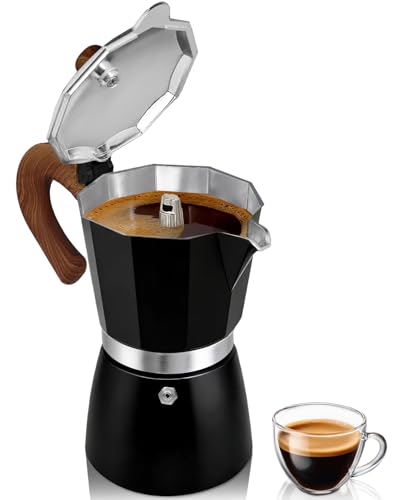 Belly Moka Coffee Maker Stovetop Espresso Maker 9 Cup Aluminum Moka Pot Percolator 15oz 450ml Easy Brewing for Electric Ceramic Stoves Home Camping Italian Cuban Café Classic Black
 Belly Moka Coffee Maker Stovetop Espresso Maker 6 Cup Aluminum Moka Pot Percolator 10oz 300ml Easy Brewing for Electric Ceramic Stoves Home Camping Italian Cuban Café Classic Silver