You just brewed your morning cup, and now you’re staring at the wet filter full of grounds. The compost bin is right there. But a little voice asks: will this actually break down, or will it sit in the pile for a year looking like a soggy ghost?
That’s a fair question. Coffee filters look like paper, but they’re treated differently than printer paper. Some are bleached white. Some have crimped edges that feel almost waxy. And the answer to whether they’re compostable isn’t a simple yes or no — it depends on the filter, your compost method, and how patient you are.
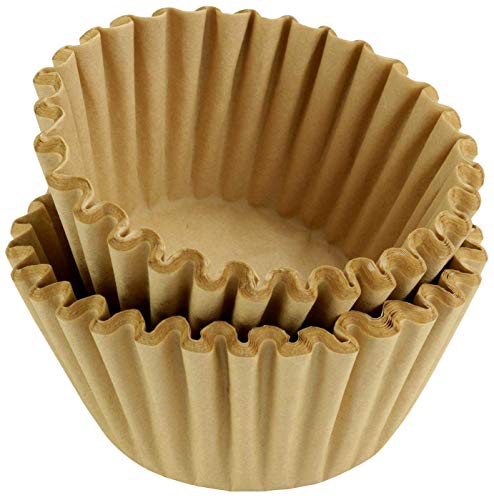
Rupert and Jeoffrey's Trading Co.
8-12 Cup Basket Coffee Filters, 200 Count,…
- FITS 8-12 CUP BASKET COFFEE MAKERS: Standard flat-bottom basket coffee filters for 8 to 12 cup drip coffee makers and coffee pots…
- STURDY WALLS, NO GROUNDS IN YOUR CUP: Fluted paper sides hold their shape while hot water flows through, so the filter does not fo…
- SMOOTHER, LESS BITTER COFFEE: Paper traps most of the oils and fine particles that make coffee taste bitter or muddy, which metal…
As an Amazon Associate I earn from qualifying purchases.
Here’s what you’ll walk away knowing: which filters break down reliably, which ones you should keep out of the pile, and how to compost them so they don’t turn into a matted mess. I’ve tested this in my own backyard bin and talked to enough compost nerds to give you the honest version, not the marketing version.
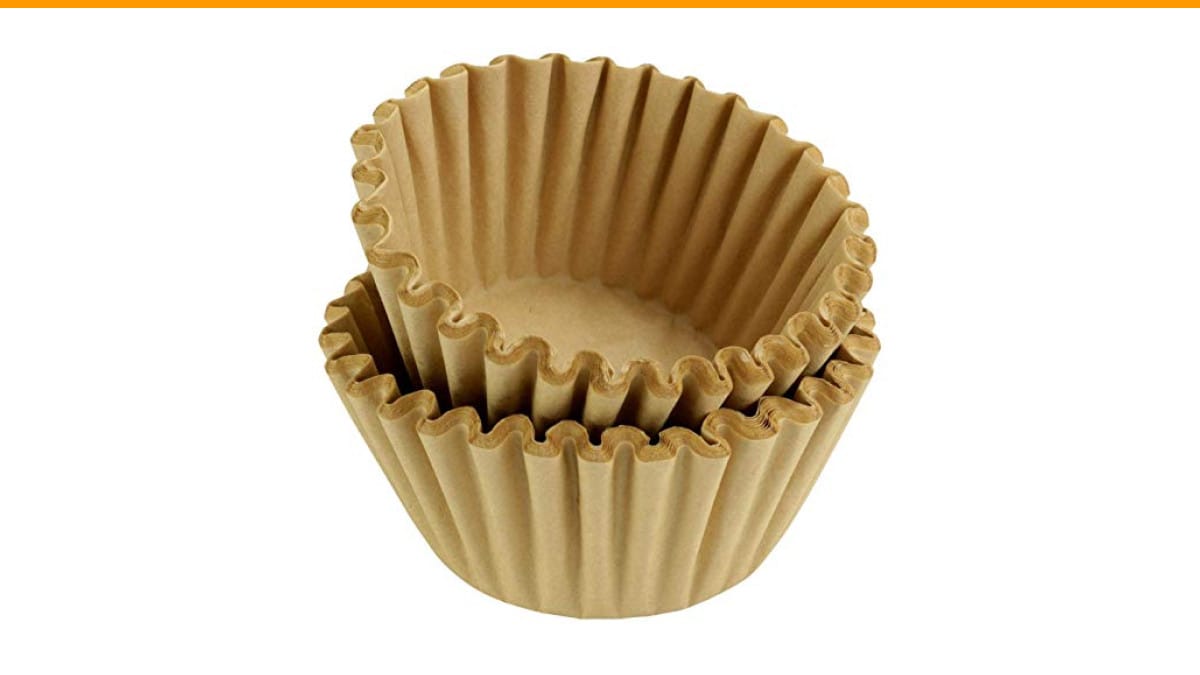
If you’re using a standard basket-style paper filter, you’re already on the right track. A pack like the 8-12 Cup Basket Coffee Filters from Rupert and Jeoffrey's is made from unbleached paper, which is one of the easiest types to compost. The natural brown color means it skipped the chlorine bleaching step, so there’s less chemical residue to worry about in your pile.
What Coffee Filters Are Actually Made Of
Most coffee filters are made from abaca fiber (a type of banana plant) or wood pulp. Abaca is common in higher-end filters because it’s strong when wet and doesn’t tear easily. Wood pulp filters are cheaper and more common in grocery store brands.
Both are natural plant materials. Both will compost. The difference comes down to what’s added during manufacturing.
Unbleached filters are just the raw fiber, pressed into shape. They’re brown, they smell faintly of paper, and they break down relatively quickly in a compost pile.
Bleached filters are treated with chlorine dioxide or oxygen to make them white. Oxygen-bleached filters are fine for compost. Chlorine-bleached filters contain trace amounts of dioxins, which you don’t want concentrating in your garden soil over time.
The problem? Most brands don’t tell you which bleaching method they use. If the box just says “bleached” without specifying oxygen or chlorine-free, assume it’s chlorine-based. That’s the safer assumption for your compost.
Composting Paper Filters: Home Bin vs. Municipal Facility
Here’s where people get confused. A filter labeled “biodegradable” or “compostable” might still not break down in your backyard bin. Those labels are often tested for industrial composting conditions, which run at much higher temperatures than a home pile.
In a municipal facility, the pile heats up to 130-160°F. That heat, combined with regular turning, breaks down paper filters in 2-4 weeks. In a home bin that sits at 70-100°F, the same filter takes 3-6 months, sometimes longer.
I’ve pulled recognizable filter pieces out of my compost after four months. They were brittle and lacy, but still identifiable. That’s not failure — it’s just slower kinetics. The fibers were still breaking down, just not on my preferred timeline.
So the honest answer: yes, coffee paper filters are compostable in both systems, but home composters need to manage expectations. You’re not looking at a two-week turnaround.
How to Compost Coffee Filters Without Making a Mess
Wet coffee filters clump. If you toss a whole filter into the bin, it forms a dense mat that blocks airflow. That mat goes anaerobic, smells bad, and takes forever to decompose.
Fix that with one simple habit: tear the filter into a few pieces before you toss it. You don’t need to shred it into confetti, but ripping it into four or five chunks increases surface area and lets oxygen reach the fibers.
Mix the filter pieces with brown material. Coffee grounds are nitrogen-rich (green material), while the paper filter is carbon-rich (brown material). They balance each other out. If you add wet grounds and a filter without mixing in dry leaves or cardboard, you’re creating a wet pocket that won’t compost properly.
Your compost pile needs roughly a 2:1 or 3:1 ratio of browns to greens by volume. Coffee grounds are one of the few kitchen scraps that count as green, so pair them with extra browns like shredded cardboard or dead leaves.
One more tip: let the filter dry out before composting if you can. A dry filter is easier to tear and less likely to clump. I keep a small paper bag on the counter, toss used filters in it, and dump the whole thing in the bin every few days. The bag counts as brown material too.
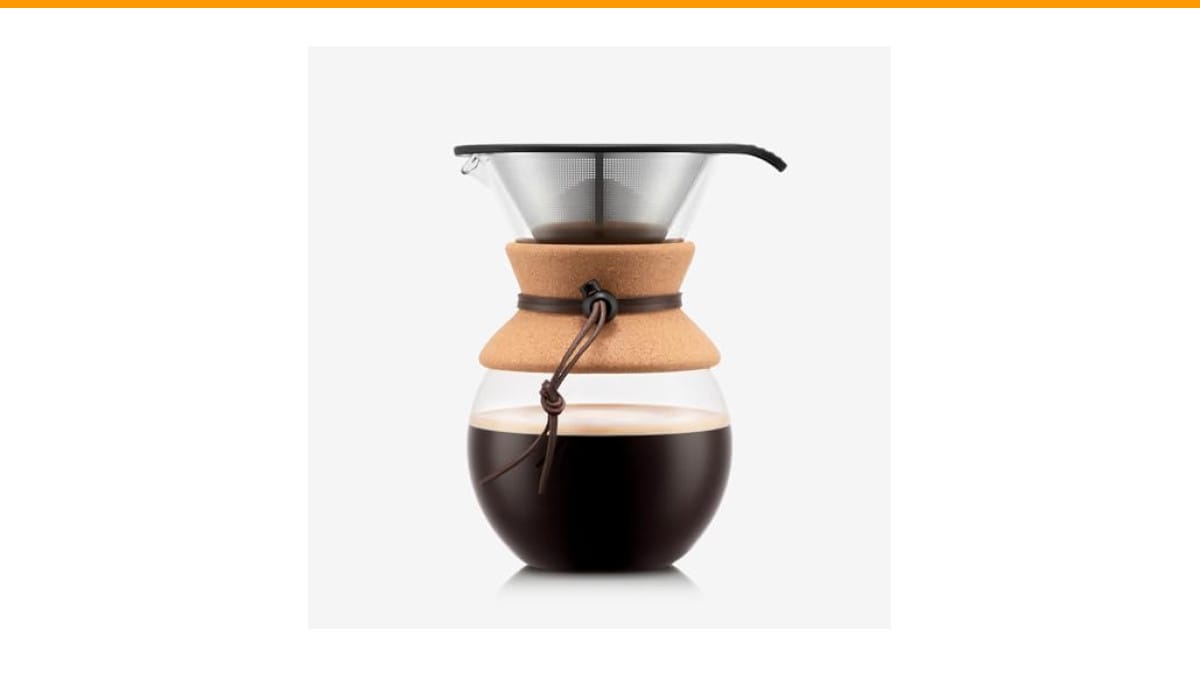
If you’re using a Chemex-style filter, the same rules apply. Those are thicker and take even longer to break down, so tear them aggressively.
Comparing Filter Types for Compostability
| Filter Type | Compostable? | Time to Break Down (Home Bin) | Notes |
|---|---|---|---|
| Unbleached paper | Yes | 3-5 months | Best choice for home compost. No chemical treatment. |
| Oxygen-bleached white paper | Yes | 4-6 months | Safe for compost. Hard to confirm the bleaching method. |
| Chlorine-bleached white paper | Technically yes | 4-6 months | Breaks down, but trace dioxins remain. Avoid for food gardens. |
| Reusable cloth (cotton) | Yes, but slow | 1-2 years | Better to wash and reuse for years, then compost at end of life. |
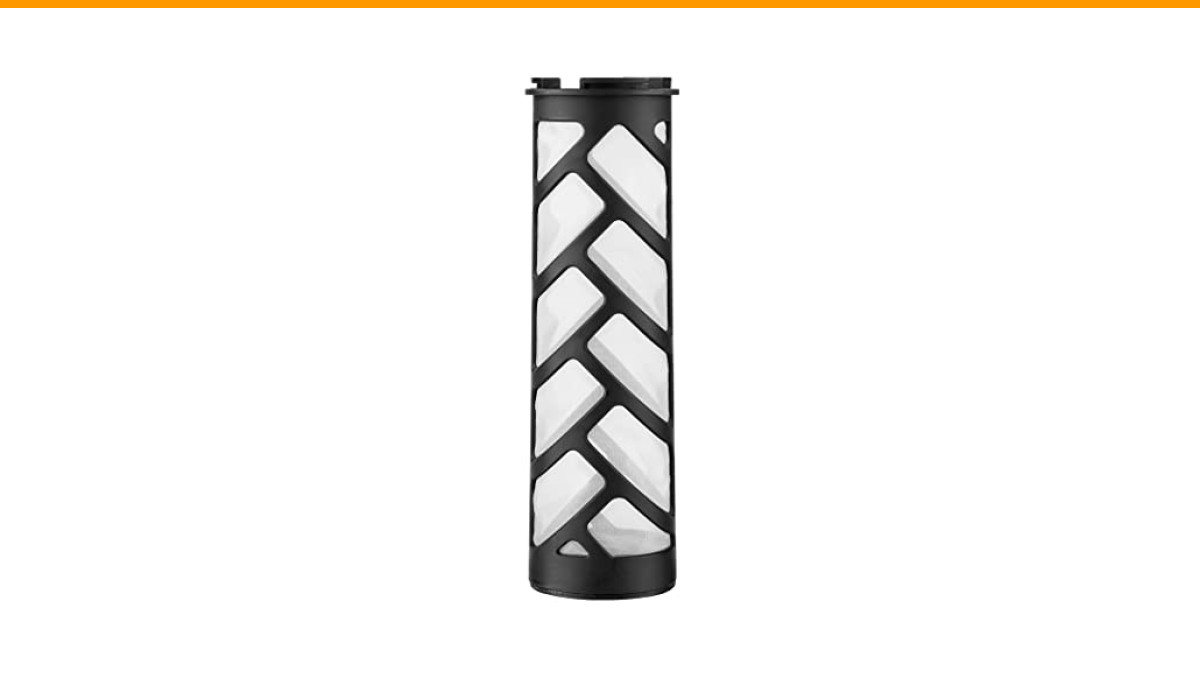
| Reusable metal mesh | No | N/A | Not compostable. Recycle as scrap metal at end of life. |
| Plastic-coated paper | No | N/A | Rare, but some travel filters have a plastic lining. Do not compost. |
That table sums up the practical reality. Unbleached paper is your best bet, and it’s what most specialty coffee brands use. The grinder you use doesn’t affect compostability, but it does affect how much coffee ends up in the filter, and that’s worth thinking about.
What About the Coffee Grounds Themselves?
Grounds are the easy part. They’re rich in nitrogen, which feeds the microbes that drive composting. They also help aerate the pile when mixed in properly.
But there’s a catch. Coffee grounds are acidic when fresh, and dumping a lot of them in one spot can lower your pile’s pH. Most compost piles handle regular coffee additions fine, but if you’re adding a pound of grounds a day from a family habit, spread them out rather than dumping them in a single layer.
Worm bins are a different story. Red wigglers love coffee grounds, but they don’t love the paper filter. The worms will eat the filter eventually, but it takes time. If you’re vermicomposting, tear the filter into small strips and bury them in the bedding. Worms process shredded paper much faster than whole sheets.
One thing I’ve learned the hard way: don’t compost filters from coffee that had creamer or sugar in it. If you’re brewing directly into a mug and dumping the filter after, that’s fine. But if you’re composting filters from a French press or a pour-over that had milk or flavored syrup added, you’re introducing fats and sugars that attract pests. Rinse the filter first or keep those out of the pile.
Frequently Asked Questions
Can I put coffee paper filters in my municipal green bin?
Yes, most municipal composting programs accept coffee filters and grounds. Check your local rules, but paper filters are generally welcome. The industrial process handles them quickly, and the high heat kills any residual mold or bacteria.
Are unbleached coffee filters better for compost than bleached ones?
Yes. Unbleached filters have no chemical treatment, so they break down cleanly. Bleached filters work too, but the chlorine-based ones leave trace compounds you don’t want in your garden. If a box doesn’t specify “oxygen bleached” or “chlorine-free,” assume it’s chlorine.
How long does a coffee filter take to decompose in a backyard compost bin?
Expect 3 to 6 months in a typical home pile. Tearing the filter into pieces, keeping the pile moist but not soggy, and turning it regularly speeds things up. In a cold pile that you rarely turn, it can take closer to a year.
Can I compost coffee filters in a worm bin?
Yes, but shred them first. Worms will eat the paper, but they prefer it in small strips. Bury the strips in the bedding rather than leaving them on top, where they’ll dry out and become tough.
Do coffee filters add any nutrients to compost?
They add carbon, which is the energy source for decomposing microbes. That’s not a nutrient in the plant-feeding sense, but it’s essential for balancing the nitrogen from coffee grounds. Without enough carbon, your pile turns into a smelly, slimy mess.
What I’d Do Different Next Time
I used to toss whole filters into my compost and wonder why they were still there months later. Now I tear them up, mix them with dry leaves, and turn the pile more often. The difference is night and day.
If you’re just starting out, don’t overthink it. Use unbleached filters, tear them into pieces, and balance them with brown material. Your compost will be fine, and you’ll keep a surprising amount of waste out of the landfill.
One caveat: if you’re dealing with a drain clog from coffee grounds, that’s a separate issue. Composting is the right move for grounds, but never put them down the sink.
Quick Rules to Remember
- Unbleached paper filters are the safest bet for home compost. They skip the chlorine treatment entirely.
- Tear filters into 4-5 pieces before adding them. Whole filters mat together and slow down decomposition.
- Pair coffee grounds with dry browns. A 2:1 or 3:1 ratio of browns to greens keeps the pile healthy.
- Municipal compost handles filters fast. Home bins take 3-6 months, so be patient.
- Keep filters with creamer or syrup out of the pile. Fats and sugars attract pests.
- Reusable metal filters aren’t compostable. If you switch to cloth or metal, you’re trading compostability for reusability.
- When in doubt, check the box. “Oxygen bleached” or “unbleached” are what you want. Plain “bleached” is a gamble.
Composting coffee filters isn’t complicated, but it does require a little attention. Tear them, mix them, and give them time. Your garden will thank you, and you’ll stop feeling guilty about that morning ritual.
Products related to this article
Sponsored / affiliate links. As an Amazon Associate I earn from qualifying purchases. I may earn additional commission from eligible campaigns.
 Wooden Coffee Mixing Spoons, 3PCS Long Handle Wooden Mixing Spoon, Cooking Long Handle Tasting Spoons for Kitchen Soup Coffee Cocktail Honey Mixing Stirring
 Unomor 3Pcs Long Handle Wooden Coffee Spoon Set Small Wooden Stirring Spoons for Coffee Tea Honey and Dessert Mixing Natural Material
 Long Handle Wooden Spoon For Mixing Coffee Tea Jam and Bath Salt In Kitchen, Environmentally Friendly Table Spoon, 8.6 Inches,4 Pieces…