Coffee often tastes best a few weeks after roasting, can stay drinkable for a long time if stored well, and becomes a safety issue mainly after brewing: discard coffee left at room temperature after several hours. I see people confuse staling with spoilage all the time, and that mistake leads to two bad outcomes, dumping usable coffee early or drinking cups that taste flat, oxidized, or sour. Below is a simple matrix for beans, grounds, instant, pods, brewed coffee, and espresso, split into peak flavor, still-fresh, and safety-risk timelines.
What ‘lasts’ means for coffee: flavor, freshness, and safety


For coffee, “lasts” has three different meanings: peak flavor, acceptable freshness, and likely safety. In practice, dry coffee usually loses flavor long before it turns into a food-safety problem, while brewed coffee, especially with milk, runs on a much shorter safety clock.
The three timelines that matter
Peak flavor is the short window where aroma, sweetness, and clarity still feel lively. Acceptable freshness is broader. The coffee may taste flatter, but it is still worth drinking. Likely safety is different again, and matters most for brewed coffee or anything with dairy.
That split clears up most shelf-life confusion. A stale bean is disappointing. A milk-heavy latte left out too long is a different problem.
Why stale coffee and unsafe coffee are different problems
Dry coffee mostly loses volatile aromatics, then takes damage from oxygen, heat, light, and moisture. That shows up as flat, woody, papery, or rancid notes. Safety concerns rise once water enters the picture, and they rise faster when milk or creamer does.
That is why best-by dates on dry coffee are better read as flavor markers than hard danger lines. I treat them as packaging guidance first. For brewed coffee, smell, temperature history, and ingredients tell you more.
Roast date, best-by date, and opening date
Roast date helps estimate flavor peak. Best-by date gives a broader packaged-freshness target. Opening date often matters most in a home kitchen, because once the seal is broken, oxygen and humidity start working on the coffee every day.
A bag with a degassing valve usually protects beans better than a paper pouch without one. Aroma loss is another fast clue. If the coffee smells faint before brewing, the cup rarely gets better.
📊 Frozen roasted coffee beans can last 3–4 months. Source: How Long Does Coffee Last? How to Store Coffee.
How long does coffee last? The quick decision matrix

Coffee can last from minutes to years depending on its form and storage. Whole beans usually keep their flavor longer because less surface area touches air, instant lasts longest because it is very dry, pods age slowly because they are individually sealed, and brewed coffee has the shortest useful life, especially once milk is added.
Decision matrix: freshness window vs likely safety window
| Coffee form | Storage method | Freshness window | Likely safety window | Toss if |
|---|---|---|---|---|
| Whole coffee beans, unopened | Original sealed bag in a cool, dry, dark place | Until best-by date; unopened beans can last 6 to 9 months in the cupboard unopened | Usually still safe past best-by if dry and intact | Bag is damaged, beans show moisture, mold, or rancid oil smell |
| Whole coffee beans, opened | Sealed, airtight container at room temperature away from heat and light | 1–3 weeks | Often drinkable for much longer if kept dry; quality drops first | Aroma is mostly gone, flavor is cardboard-like, oily rancid smell, clumping from moisture |
| Whole coffee beans, frozen | Airtight, portioned, rarely opened freezer storage | 3–4 months | Generally safe if kept sealed and dry | Condensation in package, freezer odor pickup, frost damage, wet beans after thawing |
| Ground coffee, unopened | Original sealed pack in a cool, dry, dark place | Until best-by date; grounds in the cupboard are alright for around 3 months | Usually still safe past best-by if dry | Torn package, moisture clumps, mold, rancid smell |
| Ground coffee, opened | Airtight container in pantry | 1–2 weeks | Often usable longer if kept dry, though flavor falls fast | Flat smell, stale flavor, damp clumps, visible spoilage |
| Ground coffee, fridge | Well sealed, odor-protected container | Up to 2 weeks | Usually safe if dry and sealed | Fridge odor pickup, condensation, clumping, dull cup |
| Ground coffee, freezer | Airtight, portioned, limited opening | About 1 month | Generally safe if sealed and dry | Condensation, freezer burn smell, moisture inside pack |
| Instant coffee | Sealed jar or pouch in a cool, dry, dark place | 2–20 years when stored properly; opened packages may last several years | Usually safe for a long time if dry | Moisture hardening, contamination, musty smell, visible mold |
| Coffee pods | Original sealed pods away from heat and light | Usually until best-by date | Usually safe if pod seal is intact | Bulging, punctured pod, stale smell, damaged seal |
| Brewed black coffee | On the counter | Best at about 20–30 minutes; may be OK to drink for up to 4 hours | Short same-day window; risk rises as it sits | Sour smell, off taste, long room-temperature holding |
| Brewed coffee with milk or creamer | On the counter or in a mug | Flavor drops quickly | Consume within a couple of hours | Sour milk smell, separation, curdling, off notes |
| Espresso shot | After pulling | Very short quality window; bitterness rises fast | Short same-session use is best | Harsh bitter taste, collapsed crema, cold, dull aroma |
How to use the matrix in a real kitchen
- Check the coffee form first. Beans, grounds, instant, pods, brewed coffee, and espresso age at different speeds.
- Check storage method second. Pantry, fridge, and freezer change the freshness window.
- Use freshness and safety separately. If dry coffee tastes flat, replace it for quality. If brewed coffee smells off or includes milk, use stricter toss rules.
- Look for toss signs. Moisture, mold, rancid oil smell, sour dairy smell, and damaged packaging matter more than the calendar alone.
The fastest read on best flavor
Whole beans usually give the longest good-cup window after opening. Grounds lose aroma fastest because far more surface area is exposed to air. Instant and pods trade some flavor potential for longer stability. Brewed coffee and espresso run on a same-day clock, with espresso changing fastest.
How long do whole coffee beans last?
Whole coffee beans last until their best-by date when unopened, and opened roasted coffee beans stay fresh for 1–3 weeks. Frozen roasted coffee beans can last 3–4 months, but only if sealed well and protected from condensation, odor pickup, heat, light, and moisture.
Unopened beans
Unopened roasted coffee beans should stay fresh until their best-by date. A cupboard can work for sealed bags, and coffee beans can last 6 to 9 months in the cupboard unopened. That does not mean every bag tastes equally good for that whole period, especially if the roast date is already old.
When I choose between two bags, roast date usually tells me more than best-by date. A newer roast with a proper valve usually wins.
Opened beans
Opened roasted coffee beans stay fresh for 1–3 weeks. That is the practical sweet spot for most home brewers. Some bags remain drinkable longer, and open coffee beans stored properly can last around 6 months, but that wider window is usually about usability, not best flavor.
Once opened, move beans into a sealed, airtight container or keep them in the original bag if it reseals tightly and can be pressed nearly airless. Store at room temperature, away from heat and light.
Freezer use for beans
Frozen roasted coffee beans can last 3–4 months. Freezing works best when beans are divided into small portions, sealed tightly, and thawed only once. Repeatedly opening a frozen container invites condensation, and that moisture pushes coffee downhill fast.
Avoid freezing the daily-use bag unless the kitchen is very hot and there is no better option. Pantry storage is simpler and usually better for beans that will be opened every morning.
How long does ground coffee last vs whole bean?
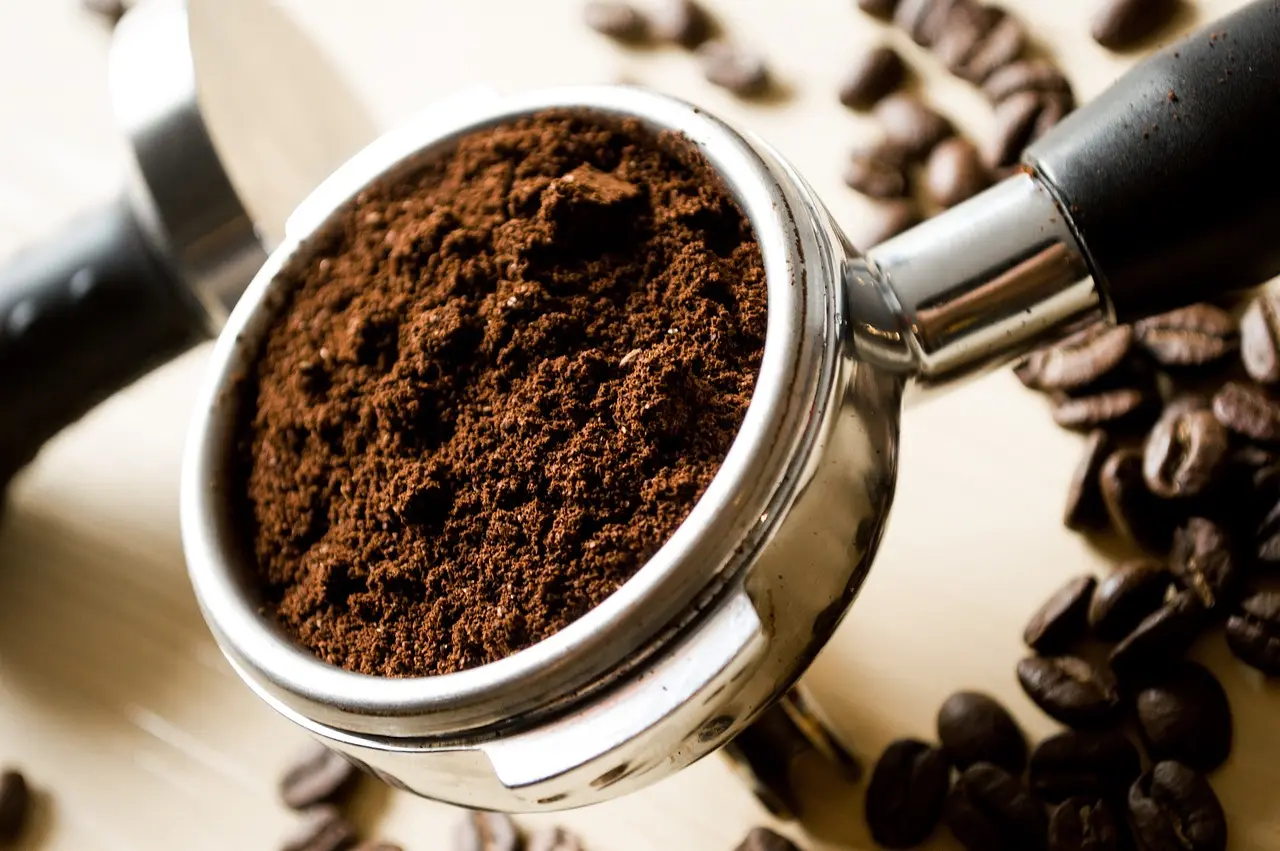
Ground coffee lasts less time than whole bean because grinding exposes far more surface area to oxygen. Unopened ground coffee stays fresh until its best-by date, but opened ground coffee typically stays fresh for 1–2 weeks, while opened whole beans usually hold for 1–3 weeks.
Why grounds fade faster
Grinding speeds up aroma loss. The same exposure that helps brewing also speeds oxidation. That is why a bag of grounds can smell muted even when a bag of whole beans roasted on the same day still smells lively.
The flavor shift shows up as flatter sweetness, less fragrance, and a papery or dusty finish. Safety is usually unchanged if the grounds stayed dry. Quality is what drops first.
Unopened and opened timelines for grounds
Unopened ground coffee should stay fresh until its best-by date. Coffee grounds in the cupboard are alright for around 3 months. Once opened, ground coffee typically stays fresh for 1–2 weeks if kept sealed and dry in a cool, dark place.
Opened-but-resealed bags can still work if the seal is tight and the bag is kept away from steam. In humid kitchens, flimsy zipper bags lose that fight faster. Transfer to a truly airtight container if clumping starts or the seal no longer grips.
Fridge and freezer guidance for grounds
Ground coffee in the fridge can stay fresh up to 2 weeks. Ground coffee in the freezer can stay fresh 1 month. Neither method is automatically better, though. If the container is not well sealed, grounds absorb odors and moisture quickly.
For homes with high humidity, a fridge can help opened grounds for short periods if the container is very tight and only opened briefly. Freezing works better for backup portions than for the everyday tub.
How long do instant coffee and coffee pods last?
Instant coffee lasts far longer than beans or grounds because it is low-moisture and shelf-stable, while coffee pods stay fresh longer than loose coffee because each pod is individually sealed. Both still need cool, dry, dark storage and protection from heat and light.
Why instant coffee lasts so long
Instant coffee may last 2–20 years when stored properly. Opened packages may last several years if moisture stays out. The big enemy is not oxygen alone. It is water vapor sneaking into the jar, hardening the granules, and flattening the aroma.
Store instant coffee sealed in a cool, dry, dark place. Do not scoop it with a wet spoon. I have seen one damp morning ruin a jar faster than months on the shelf.
Why pods stale more slowly
Coffee pods usually stay fresh until their best-by date because the coffee sits in individual sealed chambers. That slows staling compared with a large bag of pre-ground coffee opened again and again.
Pods still dislike heat and light. Keep them away from a sunny counter and from steam near the kettle. If a pod is punctured or swollen, discard it.
How long does brewed coffee last in the fridge or on the counter?
Brewed hot coffee usually tastes best within a short time after brewing, and black coffee may still be okay to drink for a few hours. Refrigeration slows the decline after brewing, but flavor still drops hard. Add milk or creamer, and the safe drinking window gets much shorter.
Hot black coffee on the counter
Freshly brewed hot coffee changes quickly. Aroma escapes first. Acidity shifts. Bitterness stands out more as the cup cools. For taste, the best window is short. For likely safety, brewed coffee may be OK to drink for up to 4 hours.
That does not mean it will still be enjoyable at the end of that span. If the coffee smells flat and tastes ashy, it has crossed into “safe but not worth it.”
Refrigerated brewed coffee
Cooling leftovers in the fridge can help if the goal is to save black coffee for later the same day. It does not keep the fresh-brewed profile. Chilled leftovers often taste woody or hollow compared with purpose-brewed iced coffee.
For better results, chill promptly in a sealed container so the coffee spends less time warm and exposed. Keep fridge odors away. Coffee picks them up easily.
Milk, creamer, and sweetened drinks
Coffee with milk should be consumed within a couple of hours. Dairy shortens the safe window, and sweet add-ins do not help. If a latte, cappuccino, or drip coffee with creamer smells sour, shows separation, or tastes off, toss it.
This is where I get stricter. Dry coffee can outlast its best flavor by a wide margin. Milk drinks do not get the same grace.
How long does an espresso shot last before it tastes bad?
Espresso has the shortest quality window of the common coffee formats. It starts losing balance almost immediately after pulling, with bitterness rising as it sits, crema collapsing, and aroma fading much faster than a pot of brewed coffee.
Why espresso changes so fast
Espresso is concentrated, hot, and exposed in a small cup. That makes its aroma bloom fast, then disappear fast. As it cools, bitterness becomes more obvious, sweetness softens, and the texture turns less pleasing.
The crema is not a freshness guarantee by itself, but when it collapses and the shot tastes harsh, the cup has usually moved well past its best moment.
When an older shot is still usable
An older espresso shot may still be usable in a milk drink where nuance matters less. It will rarely shine on its own after sitting. For straight espresso, the answer is simple: drink it promptly or expect a sharp drop in quality.
Where should you store coffee for the longest freshness?
The best storage for most dry coffee is a sealed, airtight container in a cool, dry, dark place. Room temperature beats the fridge for daily use in many kitchens, while freezer storage works best for sealed backup portions, not containers opened over and over.
Airtight containers, original bags, and valves
Coffee can be stored in a sealed, airtight container. A cool, dry, dark place is recommended for storage. Original bags with a degassing valve can work well if they reseal tightly. If they do not, move the coffee to a better container.
Keep the container away from the stove, dishwasher vent, sunny windows, and the top of the fridge. Heat, moisture, and light all speed up staling.
Pantry vs fridge vs freezer
For beans used daily, the pantry usually makes the most sense. For grounds in a humid kitchen, the fridge can help short-term if the seal is strong. For bulk coffee, freezing is useful when packed into small portions and left closed until needed.
The repeated-open freezer mistake is common. Each trip in and out invites condensation. That matters more than the theoretical gain from colder storage.
Adjustments for humid climates
Humidity changes everything. Coffee that stores well in a dry pantry can clump and dull quickly near tropical air, a boiling kettle, or a dish rack. In those kitchens, smaller containers, tighter seals, and less headspace matter more than fancy gear.
If opened-but-sealed packaging feels soft, no longer zips cleanly, or shows tiny moisture clumps, transfer the coffee immediately. Dry coffee wants darkness, low heat, and low moisture above all.
When should you toss coffee?
Coffee should be tossed when signs point to spoilage, contamination, or severe flavor collapse. For dry coffee, that means moisture, mold, rancid oil smell, or obvious contamination. For brewed coffee, toss at the first sour dairy smell, separation, curdling, or clear off notes.
Dry coffee warning signs
Look for mold, damp clumps, wet-looking grounds, or beans with a sharp rancid oil smell. Cardboard flavor and faded aroma usually mean stale, not unsafe, but stale enough can still make replacement the better call.
Pods with punctures, torn foil, or swelling belong in the trash. Instant coffee that has hardened from moisture or smells musty should also go.
Brewed coffee warning signs
For brewed coffee, sour milk smell is the big red flag. Separation, curdling, or a yogurt-like note means toss it. Black coffee without dairy gets more leeway, but if it smells off or sat warm for too long, discard it.
Keep-or-toss checklist
- Keep and use soon if the coffee is dry, sealed, and only smells a bit muted.
- Keep for lower-stakes use if it is stale but clean, such as for cold brew experiments or baking.
- Toss now if there is mold, moisture clumping, rancid oil smell, sour milk smell, separation, or any obvious off note that suggests spoilage.
Frequently asked questions
How long does coffee last in the fridge?
Dry coffee in the fridge can hold freshness for a limited time if sealed very well: ground coffee in the fridge can stay fresh up to 2 weeks. Brewed black coffee can also be chilled, but flavor fades fast. Milk-added coffee needs stricter handling and a much shorter usable window.
How long does coffee last in your system?
Coffee’s caffeine effects often outlast the cup itself, but the exact timing varies by person, dose, food intake, and sensitivity. For most readers, the practical answer is that caffeine can still be felt for several hours after drinking, even when the coffee itself is long gone.
How long does coffee last in the body?
Caffeine does not leave every body at the same speed. Age, medications, sleep, and metabolism all matter. As a simple guide, coffee can affect the body for hours after drinking, and some people still notice alertness or sleep disruption well after the energy lift feels weaker.
How long does coffee last after the expiration date?
For dry coffee, best-by or expiration dates are mainly freshness markers, not automatic safety cutoffs. Unopened roasted coffee beans should stay fresh until their best-by date, and coffee stored well after that may still be drinkable. Toss it if moisture, mold, rancid smell, or damaged packaging show up.
How long does coffee last unopened?
Unopened coffee usually lasts until its best-by date if stored in a cool, dry, dark place. Coffee beans can last 6 to 9 months in the cupboard unopened, while instant coffee may last 2–20 years when stored properly. Pods also tend to hold until their best-by date.
How many hours does coffee last for energy?
The energy effect of coffee usually fades before caffeine fully leaves the body. Many people feel the main lift for a few hours, then a gentler tail after that. Timing depends on dose and personal sensitivity, so treat late-day coffee carefully if sleep is easily disrupted.
Products related to this article
Sponsored / affiliate links. As an Amazon Associate I earn from qualifying purchases. I may earn additional commission from eligible campaigns.
 HouseGem Large Candle Warmer Plate - Coffee Cup Mug Warmer for Desk, Candle Melter, Electric Mug Heater for Beverages, Milk & Tea, Coffee Accessories Ideal Gifts Keep Cup Warm (Black)
 8 Pcs Wooden Coffee Spoon, Long Handle Wwood Spoons for Eating
 Long Handle Wooden Spoon For Mixing Coffee Tea Jam and Bath Salt In Kitchen, Environmentally Friendly Table Spoon, 8.6 Inches,4 Pieces…