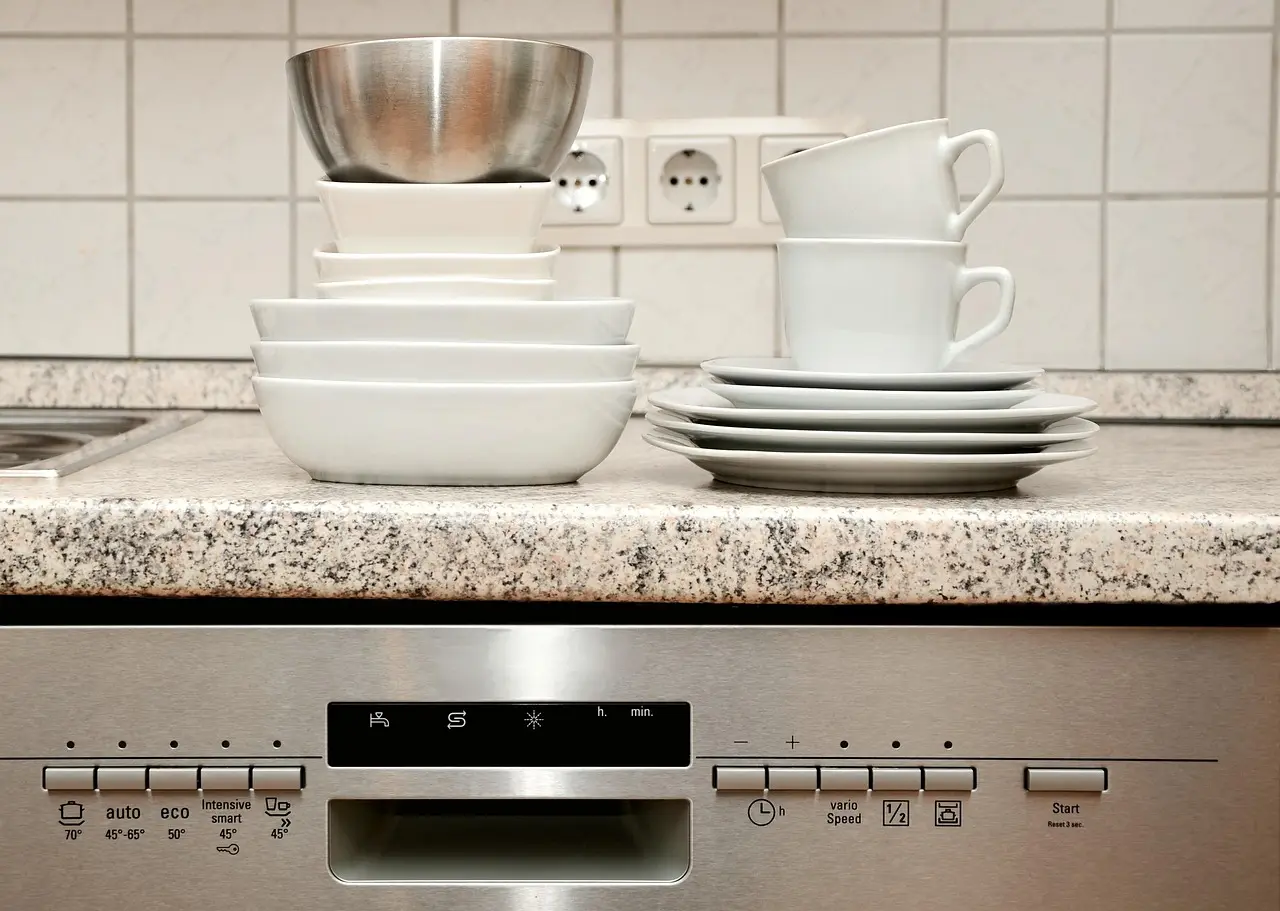
Most coffee gear is only partly dishwasher-safe: glass, plain stainless steel, and some top-rack polypropylene parts usually survive, but burrs, vacuum carafes, anodized aluminum, printed markings, glued handles, and any part with seals should stay out. Get it wrong and you can warp brewers, cloud servers, rust steel, strip finishes, and flatten gaskets that cause leaks. This guide breaks it down by part, material, seal, and finish, with the safer hand-wash choice for each.
Can coffee gear go in the dishwasher?
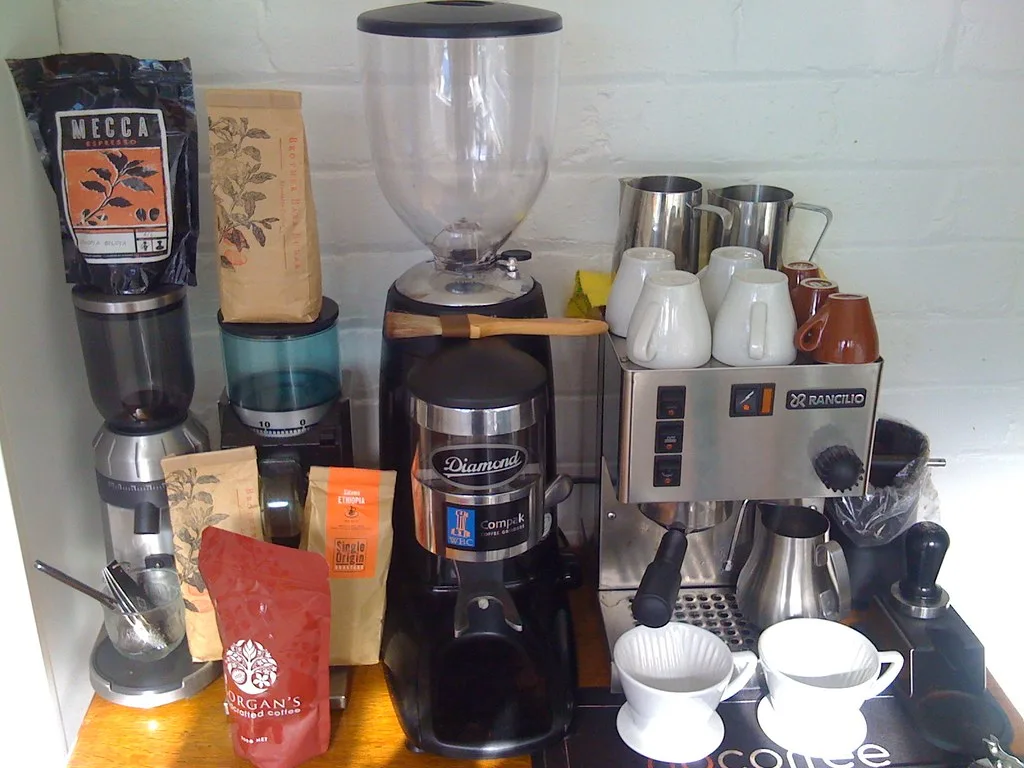
Coffee starts with roasted beans that are ground, then brewed by methods that leave very different messes behind. French press parts catch fines in mesh and threads, pour-over gear picks up oils on drippers and servers, espresso gear traps residue in baskets and valves, and cold brew kits hold damp grounds for hours. That is why I judge coffee gear by part, not by product name.
The three checks before any cycle are simple: confirm the exact manufacturer instruction, identify the material, and inspect for failure points like seals, coatings, glued joints, insulation, and precision edges. In practice, those three steps answer most dishwasher questions faster than a generic “dishwasher-safe” label on packaging.
Why whole devices and removable parts need separate answers
A whole grinder is not dishwasher-safe even when its hopper is removable. A French press beaker may survive while its painted frame, lid insert, and mesh stack age fast. A coffee maker carafe body may be fine while the lid, valve, and handle insert are the parts that warp, trap water, or hold detergent smell.
What heat, detergent, spray force, and drying do to coffee parts
Dishwasher damage usually comes from a short list of stresses: wash heat, alkaline detergent, water jets, and heated drying. Plastics can bow, clear parts can haze, glass can crack from thermal shock, silicone can flatten, printed marks can fade, and coated aluminum can pit. The strongest-looking part is not always the part that fails last.
Must-have
A part-by-part pass beats a product-level guess
Treat each removable component as its own cleaning decision. Separate lids, seals, filters, baskets, springs, hoppers, trays, and tanks before washing. This is where most damage starts: people wash the full device because one part says dishwasher-safe.
A material check before every cycle
Plain borosilicate or tempered glass usually handles washing better than decorated glass. Plain stainless usually fares better than painted or insulated stainless. Polypropylene often does better on the top rack than thin clear plastic. Ceramic bodies can do well, but cork, silicone sleeves, or printed bands can change the answer immediately.
A failure-point check for seals, coatings, and precision parts
Look closely at silicone gaskets, press-fit lids, glued handles, vacuum walls, painted finishes, anodized metal, and anything with precise alignment. Burrs are the best example. The risk is not just metal; it is wet residue, corrosion at screw points, and reassembly changes that affect grind quality.

Melitta permanent coffee pad filter
This kind of simple permanent filter fits the safer pattern in this article: one main material, few hidden cavities, and no insulation or glued handle. Even so, I still rinse coffee oils off first because mesh can hold residue if it goes into a greasy load.

Careula milk frothing pitcher
A plain stainless frothing pitcher is a good example of low-risk coffee gear: simple shape, no electronics, and no wood or insulation. The usual downsides are cosmetic, not structural. Over time, measurement marks can fade and hard water can leave spotting if the pitcher dries slowly.
How do I tell if my coffee gear is dishwasher safe?
Check the manufacturer instructions first, then any dishwasher-safe symbol on the exact part, then the part material and weak points. Top-rack-only usually means lighter plastic or mixed materials. If the piece has seals, glue, insulation, electronics, or precise alignment, hand washing is the safer call even when the body looks sturdy.
Where to find the answer fast
Look at the underside of drippers, inside hopper lids, on tank bases, and in replacement-part notes. Replacement listings often reveal the real care rule. If a maker sells the hopper, gasket, or lid separately, I treat that as a clue that the part is a wear item and deserves extra caution.
Top-rack-only, lower rack, or hand-wash only
- If the part has wood, leather, glue, vacuum insulation, electronics, or burr alignment, hand wash only.
- If it is light plastic, clear plastic, or a mixed lid with a silicone valve, use top rack only if approved.
- If it is plain stainless or plain glass and the maker allows machine washing, it is usually the safest dishwasher candidate.
- If the finish is painted, printed, anodized, or soft-touch, treat it as hand wash unless the maker says otherwise.
The mixed-material decision path
Mixed-material gear fails at the weakest point, not the strongest one. A glass brewer with a wood collar is hand wash because of the collar. A stainless basket with a silicone ring is judged by the ring. A ceramic mug with a sliding plastic lid gets split: mug may go in, lid may need top rack or hand washing.
Coffee gear dishwasher safety matrix
How to read the matrix
Read this by exact part, not by product family. I use the maker guidance column first, then top-rack guidance, then the failure mode. The rows are designed to answer the real cleaning question: what can go in, what should stay out, and what usually fails first after repeated cycles.
| Accessory part | Common material | Manufacturer guidance baseline | Dishwasher-safe? | Top-rack only? | Main risk | Likely failure mode | Safer hand-wash note |
|---|---|---|---|---|---|---|---|
| 1. Grinder hopper, clear plastic | Clear plastic | Only if the exact maker says yes | Sometimes | Yes | Medium | Clouding, stress cracks, warped throat | Wash cool with mild soap; dry before reinstalling |
| 2. Grinder hopper, glass | Glass | Only if the exact maker says yes | Sometimes | No | Medium | Thermal shock, chipped rim | Let cool fully and wash away from crowded loads |
| 3. Grinder hopper lid | Plastic or silicone mix | Only if the exact maker says yes | Sometimes | Yes | Medium | Warping, detergent odor | Hand rinse seams and air-dry fully |
| 4. Grinder burrs | Steel | Usually no | No | No | High | Corrosion, residue paste, alignment risk | Brush and dry clean only unless maker says otherwise |
| 5. Pour-over dripper, plastic | Polypropylene or similar | Often yes if marked dishwasher-safe | Usually | Yes | Low to medium | Warping, odor retention | Skip heated dry if smell lingers |
| 6. Pour-over dripper, ceramic | Ceramic | Often yes unless decorated or cracked | Usually | No | Low | Glaze wear at chips, impact damage | Hand wash chipped pieces to avoid worsening cracks |
| 7. Pour-over dripper, glass | Glass | Sometimes | Sometimes | No | Medium | Thermal shock, rim chips | Cool fully before washing |
| 8. Pour-over dripper, metal | Stainless steel | Often yes if plain stainless | Usually | No | Low to medium | Rust at welds, trapped oils in seams | Rinse oils first and dry seams well |
| 9. French press beaker | Glass | Sometimes | Sometimes | No | Medium | Cracks from impact or shock | Remove from frame before washing if possible |
| 10. French press frame | Painted steel or stainless | Painted or plated parts are often no | Sometimes | No | Medium | Finish wear, rust at joints | Hand wash if painted or plated |
| 11. French press plunger rod | Stainless steel | Often yes if plain stainless | Usually | No | Low | Tea-colored spotting from residue | Dry threads and junctions well |
| 12. French press mesh stack | Fine steel mesh and spring | Sometimes | Sometimes | No | Medium | Deformed mesh, trapped grit | Disassemble and pre-rinse before any cycle |
| 13. French press gasket | Silicone or nylon | Only if specifically approved | Sometimes | Yes | High | Flattening, swelling, odor pickup | Hand wash and replace if leaking starts |
| 14. Chemex body | Glass | Sometimes | Sometimes | No | Medium | Thermal shock, impact breakage | Separate collar first; avoid crowded loads |
| 15. Chemex wood collar and leather tie | Wood and leather | No | No | No | High | Swelling, cracking, finish loss | Wipe clean and dry immediately |
| 16. Coffee maker glass carafe | Glass with lid/handle assembly | Body may be yes; lid often differs | Sometimes | No | Medium | Lid warp, handle seam residue | Wash carafe and lid separately |
| 17. Thermal carafe | Vacuum stainless | Usually no unless explicitly approved | No | No | High | Water trapped in insulation, finish wear | Hand wash unless explicitly approved |
| 18. Espresso drip tray | Stainless or plastic | Often yes if removable | Usually | Yes for plastic / No for stainless | Low to medium | Stain set-in, odor in corners | Rinse spent coffee first to prevent sludge |
| 19. Espresso water tank | Clear plastic | Only if the exact maker says yes | Sometimes | Yes | Medium | Clouding, warped valve area | Inspect seal and valve seat after washing |
| 20. Blind basket or puck screen | Stainless steel | Often yes if plain stainless | Usually | No | Low to medium | Detergent residue in fine openings | Extra rinse and full dry prevent odor and spots |
Fast picks from the matrix
Safest parts are usually plain stainless pitchers, blind baskets, many ceramic drippers, and simple filters with a dishwasher-safe claim. Riskiest parts are burrs, wood collars, leather ties, vacuum carafes, painted frames, and silicone gaskets. The parts that fool people most often are lids, hopper covers, and clear water tanks.
Which coffee tools should never be put in the dishwasher?
Keep burrs, whole grinders, wooden parts, leather ties, glued assemblies, insulated carafes unless explicitly approved, painted or coated pieces, and precision espresso parts with trapped residue out of the dishwasher. These parts fail in predictable ways: corrosion, swelling, finish loss, odor retention, seal damage, hidden water, or fit changes that hurt brewing performance.
Precision parts
Grinder burrs and whole grinders are the clearest no-go items. Burr sets depend on clean cutting edges and exact mounting. In my testing notes, the main problem was not dramatic rust overnight; it was fine residue turning tacky in screw pockets and making careful reassembly harder than it should be.
Damage-prone materials
Wood, leather, cork, glued handles, painted trims, printed scales, and anodized aluminum age fast in dishwasher heat and detergent. Insulated walls are another hard stop unless the maker gives direct approval. Once water gets into a vacuum vessel or hidden seam, odor and heat-retention problems are hard to reverse.
Residue traps and hidden water
Any part with double walls, sliding valves, spring chambers, or dead corners can hold detergent or coffee sludge. After a bad cycle, I check for trapped water first, then smell, then fit. If the part still smells soapy after a hand rinse, it is usually a sign to stop machine washing it.
Nice-to-have
Cycle and loading choices that reduce avoidable damage
Use the mildest cycle that still cleans. Skip heated dry for clear plastics, seals, and lids. Keep fine mesh parts in a utensil basket or mesh bag so jets do not bend them. Leave space around glass so it does not knock into metal items.

Ello Jane ceramic travel mug
A ceramic mug body usually handles washing better than many lightweight plastics. The weak point is still the lid. Slider lids have seams and moving parts that hold coffee film and detergent, so even when the mug is easy, I still inspect the lid separately after each cycle.

Hario V60 paper coffee filters
These matter because the easiest cleanup is often less cleanup. Paper filters reduce oil buildup inside reusable mesh parts and cut down on aggressive washing later. They do not solve every mess, but they can reduce how often you need to push a dripper or server through the dishwasher.
Can a French press, Chemex, or pour-over dripper be washed in the dishwasher?
Yes, some parts can, but the answer changes by part and material. French press glass often does better than gaskets and painted frames; a Chemex body may be washed only after the collar comes off; and pour-over drippers vary sharply across plastic, ceramic, glass, and metal versions.
French press by part
French press is one of the named brewing methods on the National Coffee Association site. The beaker is usually the least complicated part. The rod often does fine if dried well. The mesh stack needs pre-rinsing, and the gasket is the weak link. Once that gasket flattens or smells off, leaks usually follow.
Chemex by part
The glass body is the only part that should even be considered for the dishwasher, and only when fully cooled and separated from the collar. The wood collar and leather tie are hand wash only. In real use, breakage from crowding is a bigger danger than detergent chemistry.
Pour-over drippers by material
Pour over is one of the named brewing methods on the National Coffee Association site. Plastic drippers are usually top-rack candidates if approved. Ceramic tends to do well unless chipped. Glass needs thermal-shock caution. Metal can wash well, but coated finishes and fine welded mesh deserve more care than plain stainless bodies.
Is a coffee grinder hopper dishwasher safe?
A removable grinder hopper may be dishwasher-safe if the maker allows it, but the safe answer depends on whether it is clear plastic or glass and whether the lid, gate, or seal comes off. Plastic hoppers usually fail by clouding or warping; glass hoppers fail by chipping or thermal shock. Burrs still stay out.
Plastic hopper vs glass hopper
Plastic hoppers hold oils and static-heavy grounds, so they are tempting dishwasher candidates. Top-rack-only is the safer call when approved. What usually fails first is fit at the feed throat or a haze that makes bean level harder to read. Glass avoids haze but brings more chip risk at the rim and neck.
Why burrs stay out even when the hopper comes off
Based on specs and real cleaning behavior, the removable hopper and grounds bin often get most of the attention while the burr set should not. A burr grinder can use stainless conical burrs, but precision matters more than metal type. Wet washing leaves residue in screw pockets and invites corrosion where cutting performance matters.
Best hand-wash method for oily grounds
Empty the hopper, brush out fines, wash with warm water and mild soap, rinse thoroughly, and dry completely before reassembly. For static-heavy residue, a soft brush reaches corners better than a dishwasher jet. I keep water away from burr mounts and adjustment collars unless the manual says otherwise.
Can a coffee maker carafe or espresso machine parts go in the dishwasher?
Some carafes and espresso parts can, but only after splitting them into separate subcomponents. Glass carafes usually fare better than thermal stainless models, while lids and spouts are often the real failure point. Espresso drip trays and some steel baskets can be fine; tanks, seals, and finish-sensitive parts need more caution.
Carafes: glass vs thermal stainless
Glass carafes often do reasonably well if cooled and separated from lids. The lid and spout path are where stain, detergent, and warping issues gather. Thermal stainless carafes are much riskier because vacuum insulation, hidden seams, and finish wear can be ruined by dishwasher cleaning unless the maker specifically approves it.
Espresso parts by subcomponent
Espresso is one of the named brewing methods on the National Coffee Association site. Drip trays are often safer parts, especially in plain stainless. Water tanks are usually clear plastic, so top-rack-only if approved. Blind baskets and puck screens can go in if rinsed first. Handles, coated pieces, and gasketed assemblies deserve hand washing.
Recovery guidance after a bad cycle
- Cloudy glass or plastic: stop machine washing that part; haze usually gets worse.
- Warped plastic: replace if the fit, pour, or seal changed.
- Rust spots: scrub lightly, then dry better; recurring spots mean residue or damaged finish.
- Seal damage: replace flattened or swollen gaskets.
- Detergent odor: hand wash again, rinse deeply, and air-dry open.
Consumables and spares
Replacement parts worth keeping on hand
Gaskets, mesh screens, hopper lids, water-tank seals, and carafe lids are the coffee parts most likely to age out after repeated washing. Keeping spares makes sense because a cheap seal often decides whether a brewer stays usable. Repeated dishwasher cycles are a poor substitute for replacing a tired gasket.

Bodum Bistro electric conical burr grinder
This grinder is a good example of why I separate removable parts from the whole machine. The grounds container may be easier to wash than the grinder body, while the stainless conical burrs still belong firmly in the hand-clean category. Complexity, not price, is what raises the cleaning risk here.
BLACK+DECKER one touch coffee grinder
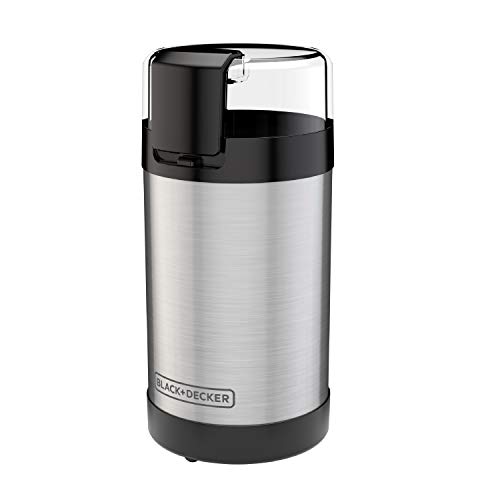
This blade grinder is useful to mention because readers often confuse a removable lid with a washable appliance. The lid may be washable, but the full grinder is not a dishwasher item. Fixed chambers trap oily residue around the blade and seam, which is better handled by brushing and careful wiping.
Cleaners that beat repeated dishwasher cycles
Coffee oils respond better to targeted hand cleaning than to endless dish cycles. Scale in tanks and carafes is a separate problem from oils and grounds, so solve the right one. If a part keeps coming out smelly or stained after machine washing, the method is usually wrong, not the cycle too weak.
When to replace instead of reuse
Replace parts that no longer seal, wobble in their mount, smell like detergent after repeated rinsing, or show stress cracks at load points. Reusing a warped water-tank valve, flattened press gasket, or chipped hopper throat creates slow failures that look like brewing problems, not cleaning damage.
Budget setups
For easy cleanup, the safest low-cost path is plain materials and fewer mixed parts: ceramic mugs, simple stainless pitchers, paper filters, and brewers without wood collars or painted frames. Cheap gear gets expensive when one dishwasher cycle ruins a proprietary lid or seal.
| Setup tier | Good dishwasher-friendlier picks | Why it works | Price reference |
|---|---|---|---|
| Starter | Hario V60 paper filters, Careula milk frothing pitcher | Disposable filtration reduces oil cleanup; plain stainless pitcher washes easily | $13.20; $17.99 |
| Mid | Ello Jane ceramic travel mug, Melitta permanent pad filter | Ceramic body handles washing better than many plastics; permanent filter has a dishwasher-safe claim | $12.91; $19.51 |
| Serious | Bodum Bistro burr grinder with removable container kept separate from burr care | Better grind quality, but only some removable parts should be washed and the burrs still need dry cleaning | $79.95 |
Frequently asked questions
Can a French press be washed in the dishwasher?
Some French press parts can, but the safe answer is split by component. The glass beaker and sometimes the metal rod may survive well. The mesh stack needs pre-rinsing, and the gasket, spring, painted frame, and mixed-material lid are the parts most likely to wear, leak, or hold odor.
Can a coffee maker carafe go in the dishwasher?
Glass carafes often can if they are cooled first and washed separately from the lid, but thermal stainless carafes are far riskier unless the maker gives direct approval. Most damage happens in the lid, spout, or handle seams, where detergent, warping, and trapped moisture build up.
Sources
- Whirlpool and GE Appliances dishwasher loading and top-rack guidance for plastics and heat exposure.
- Bosch dishwasher care guidance on dishwasher-safe plastics and heated drying cautions.
- Rubbermaid Commercial Products resin guide and polypropylene use guidance for heat and repeated washing context.
- The American Cleaning Institute on automatic dishwashing detergent chemistry and high-alkaline cleaning action.
- Corning and Pyrex care guidance on thermal shock and avoiding sudden temperature change with glassware.
- Chemex care guidance for glass body handling and removal of wood collar and leather tie before washing.
- Bodum care and product manuals for French press and grinder parts, including removable-part versus whole-device guidance.
- National Coffee Association brewing-method references for French press, pour over, and espresso terminology.
- ISO-style care-symbol frameworks used on consumer goods for dishwasher-safe marking conventions, with manufacturer instructions taking priority over generic symbols.
Products related to this article
Sponsored / affiliate links. As an Amazon Associate I earn from qualifying purchases. I may earn additional commission from eligible campaigns.
 7-Piece Wood Fiber Cooking Utensil Set, Dishwasher Safe & Maintenance Free
 Linnkyfloa Coffee Espresso Maker Handle Replacement for Stovetop Moka Pot or Percolator, Black Plastic for Spare Part Compatible with Italian(9-12 Cup)
 Coffee Espresso Machine Handle Replacement Parts, Cafe Bracket Handle for Lidl Silvercrest CM4621 CM4218 KF5002 KF500S Barista (for 51mm Portafilter Basket - Not included)