You just finished brewing a pot, and you’re staring at the used filter. Tossing it feels wasteful, especially if you paid for a brand-name pack. So you think, can you reuse coffee machine water filter? It’s a fair question. Let’s cut through the guesswork.
This guide covers the three main filter types: paper, metal, and cloth. You’ll learn exactly how many brews you can squeeze out, where the health risks hide, and why your tap water might matter more than the filter itself. You’ll walk away with a clear, safe protocol.

BRENSTEN
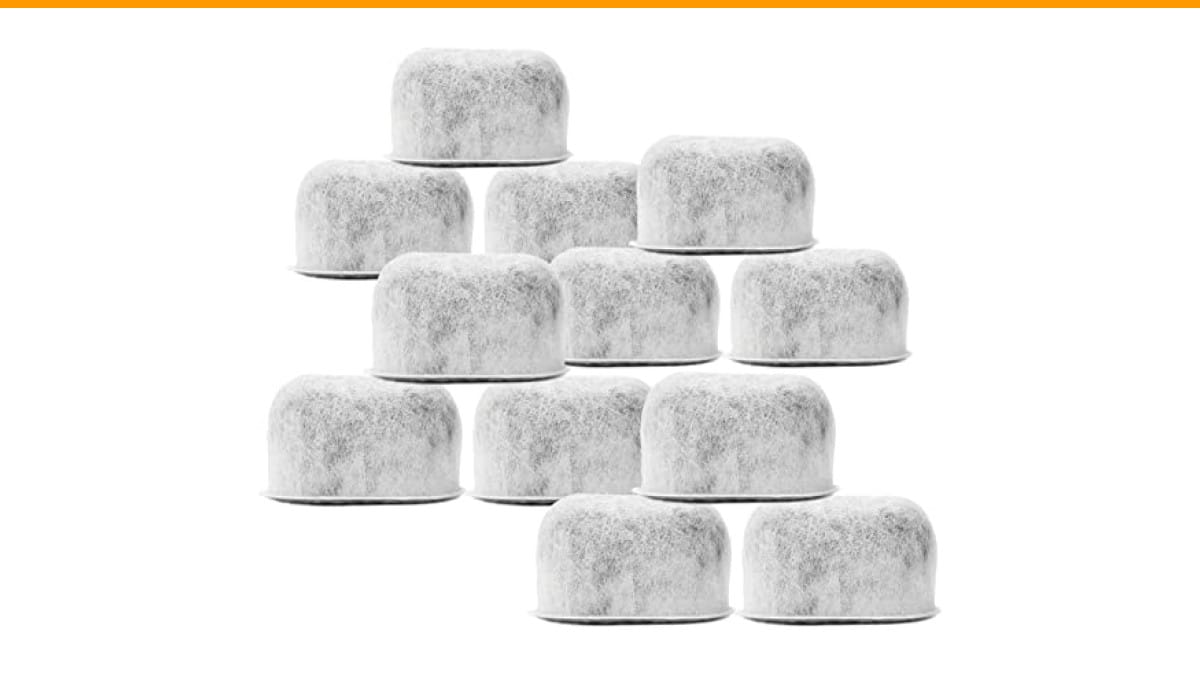
12 Pack Replacement Charcoal Water Filters for…
- ENJOY THE DELICIOUS TASTE AND AROMA OF BREWED COFFEE - Removes chlorine, odors, calcium, and other water impurities prior to brewi…
- COMPATIBLE WITH CUISINART COFFEE MAKERS – Specially designed for Cuisinart coffeemakers, these set of charcoal filter refills will…
- EASY TO INSTALL – Not only will these filters provide a less expensive way for you to enjoy delicious coffee, but they are also ve…
As an Amazon Associate I earn from qualifying purchases.
If you own a Cuisinart and want a fresh filter swap without the hassle, the BRENSTEN 12-pack charcoal water filters fit most models and take about ten seconds to install. They are a solid drop-in replacement when you decide to stop reusing and start fresh.
The Short Answer: Yes, But It Depends on the Filter
You can reuse a metal mesh filter almost indefinitely. A cloth filter? Maybe a dozen times. A paper filter? Technically yes, but you are playing a game with diminishing returns and rising bacterial risk.
Most people conflate the charcoal water filter in a reservoir with the coffee grounds filter. This article focuses on the grounds filter. The charcoal stick or disc in your machine’s water tank is a different beast. Reusing that one is rarely worth it, as it stops adsorbing impurities after a few weeks.
So, the real question is about your brew basket. Here is the breakdown of each material, with the specific numbers you need.
Paper Filters: The Risky Reuse (And When It’s Okay)
Paper filters are designed for single use. The fibers break down, and the paper holds onto coffee oils that go rancid fast. Reusing one is tempting, but you need to know the timeline.
How Many Brews Before Flavor Degrades?
You get one good brew from a paper filter. The second brew will taste noticeably bitter and muddy. Why? The filter is already clogged with fines and oils, so water flows slower. That over-extracts the fresh grounds, pulling out harsh tannins.
If you are desperate, you can get a second pass if you rinse the filter thoroughly under hot water immediately after the first brew. But even then, the flavor is a shadow of the first cup. It is not a cost-saving win; it is a taste loss.
The Bacterial Growth Timeline You Must Know
Here is the part that should stop you. Wet paper is a petri dish. At room temperature, bacterial colonies start forming within two hours. After four hours, the count is significant. If you leave a used paper filter overnight and reuse it in the morning, you are brewing with a bacterial starter culture.
This should be tested side by side. The morning brew from a reused filter smells slightly sour, even if you rinsed it. That is not your imagination. That is the bacteria and rancid oil. The safe window for reuse is under 30 minutes, and only if you rinse the filter immediately. Otherwise, toss it.
Metal Filters: The Best Candidates for Reuse
Metal mesh filters, like those from Able Brewing or standard Kone filters, are built to last for years. They are the clear winner for reuse. But they are not zero-maintenance.
The Oil Rancidity Problem (And How to Fix It)
Coffee oils are volatile. When they sit on a metal mesh, they oxidize and turn rancid. This happens faster than you think. After about 24 hours, the oil on a metal filter starts to smell stale. If you brew with that filter without cleaning it, your fresh coffee picks up that stale note.
A quick rinse under hot water right after brewing removes 90% of the oils. That takes five seconds. If you rinse it then, you can brew again in the morning with no off-flavors. If you skip the rinse, you need a deeper clean.
The Vinegar vs. Baking Soda Deep Clean
Once a week, do a deep clean. Vinegar is the better choice for metal filters. It breaks down the coffee oils and dissolves scale without scratching the mesh.
Mix one part white vinegar with two parts water. Soak the filter for 15 minutes. Rinse thoroughly. Baking soda works too, but it is a mild abrasive. It can get stuck in the fine mesh weaves. I prefer vinegar because it rinses clean and does not leave a gritty residue.
Do not use soap. Soap leaves a film that ruins the taste of your next brew. A vinegar soak is cheaper and more effective.
Cloth Filters: Reusable, But High Maintenance
Cloth filters, like the classic Chemex filters or the cotton ones for pour-over, are reusable but demand the most care. They give you a clean cup with more body than paper, but they hold onto oils like a sponge.
You can reuse a cloth filter about 10 to 15 times before the weave loosens and sediment passes through. The key is to rinse it immediately, then boil it once a week. Boiling kills the bacteria that rinsing misses. If you skip the boil, the cloth will sour within three days.
One caveat: cloth filters stain permanently. That is normal. The stain does not mean it is dirty, as long as you boiled it. But if you notice a musty smell even after boiling, it is time to replace it.
How Water Hardness Changes the Reuse Equation
Most advice ignores water chemistry. That is a mistake. Hard water, with high calcium and magnesium, changes everything.
Hard water deposits scale on your metal filter. That scale traps coffee oils and makes the filter harder to clean. A metal filter in a hard water area needs a vinegar soak twice a week, not once. The scale also makes the mesh stiff, reducing its ability to catch fines.
For paper filters, hard water makes the paper degrade faster. The minerals weaken the fibers, so a second brew is more likely to tear the filter and send grounds into your cup. If you have hard water, do not risk a second brew with paper.
You can offset this by using filtered water in the tank. But that is a separate step. The short version: hard water shortens the safe reuse window for every filter type.
The Cost-Benefit Analysis: Is It Actually Worth It?
Let us do the math. A pack of 100 paper filters costs around $10. That is $0.10 per brew. Reusing one paper filter saves you a dime. If you reuse every filter once, you save $5 over a year. That is not worth the bitter taste or the bacterial risk.
A metal filter costs $20 to $30 and lasts for years. If you brew daily, that is a payback period of about 300 days. After that, you are saving $0.10 per brew, which is $36.50 a year. That is worth it.
Cloth filters sit in the middle. A pack of 10 costs about $8. If you get 12 uses per cloth, that is 120 brews for $8, or about $0.07 per brew. That is marginally cheaper than paper, but only if you maintain them perfectly.
Here is a quick comparison table:
| Filter Type | Safe Reuses | Cost Per Brew | Maintenance Level | Flavor Impact |
|---|---|---|---|---|
| Paper | 1 (max 2, risky) | $0.10 | None (toss it) | Clean, no sediment |
| Metal Mesh | 500+ | $0.02 (after payback) | Rinse daily, soak weekly | More body, some fines |
| Cloth | 10-15 | $0.07 | Rinse daily, boil weekly | Clean with body |
Step-by-Step: The Safe Reuse Protocol
If you decide to reuse, follow this exact routine. It minimizes risk and keeps flavor acceptable.
- Rinse immediately after brewing. Use hot water for 10 seconds. This removes the bulk of oils and grounds.
- Air dry completely. Do not store a wet filter. Bacteria need moisture. Dry it on a rack for at least an hour.
- Inspect before each use. Look for holes, tears, or a musty smell. If you see any, discard it.
- Deep clean weekly. For metal, use a vinegar soak. For cloth, boil for 5 minutes.
- Replace on schedule. Metal lasts years. Cloth lasts about 15 brews. Paper should not be reused at all.
This protocol takes about 30 seconds of daily effort. If that feels like too much, stick with paper filters and skip the reuse game entirely.
Alternatives to Reusing: Permanent Filters and K-Cup Hacks
If you want to reduce waste without the maintenance, buy a permanent metal filter. It is the same cost as a reusable one, but it is marketed as a permanent solution. The coffee grounds cleanup is the same, but you never buy paper again.
For K-Cup users, there are reusable pods. They work like a metal filter, so the same rules apply: rinse immediately and soak weekly. They are a good middle ground for single-serve brewers.
A recommended option is the mesh filter for pour-over. It gives a cup closer to French press, with more sediment. Some people hate that. I find it adds texture. It is a personal preference, so try it before you commit.
If you are dealing with a machine issue that pushes you toward reuse, like a slow flow, check if the problem is a clogged water line instead. A pump failure is often mistaken for a filter problem. Fix the machine, not the filter.
FAQs About Reusing Coffee Machine Water Filters
Can you reuse a charcoal water filter from the reservoir?
No. The charcoal filter in your water tank is not designed for reuse. It adsorbs chlorine and impurities, and it saturates after about 30 days or 60 brews. Once saturated, it stops working and can leach contaminants back. Replace it monthly.
How many times can you reuse a metal coffee filter?
Hundreds of times, if you care for it. A stainless steel mesh filter can last 2-3 years with daily rinsing and weekly vinegar soaks. The mesh will eventually wear, but you will get thousands of brews before that happens.
Does reusing a filter change the caffeine content?
No. Caffeine extraction depends on water temperature and contact time, not the filter’s age. A clogged filter might slow the flow, which could over-extract and make the coffee stronger, but that is a side effect of poor flow, not the filter material itself.
Is it safe to reuse a filter if I store it in the fridge?
No. The fridge is not sterile. It holds moisture, and the filter can still grow mold. Cold temperatures slow bacterial growth but do not stop it. Dry storage at room temperature is safer and simpler.
What is the difference between a water filter and a coffee grounds filter?
The water filter sits in the reservoir and cleans the water before brewing. The grounds filter holds the coffee and separates it from the brew. Reusing the grounds filter is common. Reusing the water filter is not recommended, as it loses its adsorption capacity quickly.
Final Verdict: What You Should Do Tomorrow Morning
Here is the practical takeaway for your next brew.
- Do not reuse paper filters. The 10 cents you save is not worth the bitter taste or the bacterial risk after 30 minutes.
- Rinse your metal filter immediately after brewing. That single step prevents rancid oil and keeps your morning cup clean.
- Soak your metal filter in vinegar weekly if you have hard water. Scale traps oils and ruins flavor.
- Boil cloth filters weekly. If they smell musty after boiling, replace them.
- Replace the charcoal water filter in your reservoir every 30 days. It is not reusable.
- Consider a permanent metal filter if you want to save $36 a year without ongoing purchases.
- If your brew tastes off, check the water line and machine health first. A leaking machine or a clogged pump is often the real culprit.
Reusing a coffee machine water filter is possible, but only for the right materials. Metal is your friend. Paper is a trap. Cloth is a chore. Choose your trade-off and brew on.
Products related to this article
Sponsored / affiliate links. As an Amazon Associate I earn from qualifying purchases. I may earn additional commission from eligible campaigns.
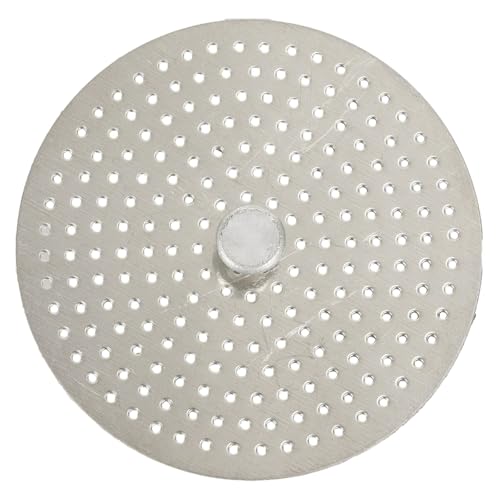 Stainless Steel Moka Pot Coffee Filter Disc for Espresso Brewing, Coffee Maker Replacement Filter Plate for Home Office Coffee Bar Cafe (FOR 4 Cups)
 KARHDIR 15" Walk Behind Floor Scrubber Machine, 23" Squeegee
 Coffee Espresso Machine Handle Replacement Parts, Cafe Bracket Handle for Lidl Silvercrest CM4621 CM4218 KF5002 KF500S Barista (for 51mm Portafilter Basket - Not included)