You bought a reusable filter to save money and stop tossing paper cones. Then the first brew happened: coffee grounds floating in your mug, a muddy ring around the carafe, and a filter that slipped sideways when you poured water. You are not alone. Most people run into the same mess because they treat a steel basket like a paper one. It is not the same tool.
This guide walks through the exact setup, fill, and rinse routine that keeps grounds where they belong. You will learn why the filter sits crooked, how to keep fines out of your cup, and what to do when the basket clogs. No guesswork, just the method I have used for over a year of daily brewing.

Tronmei
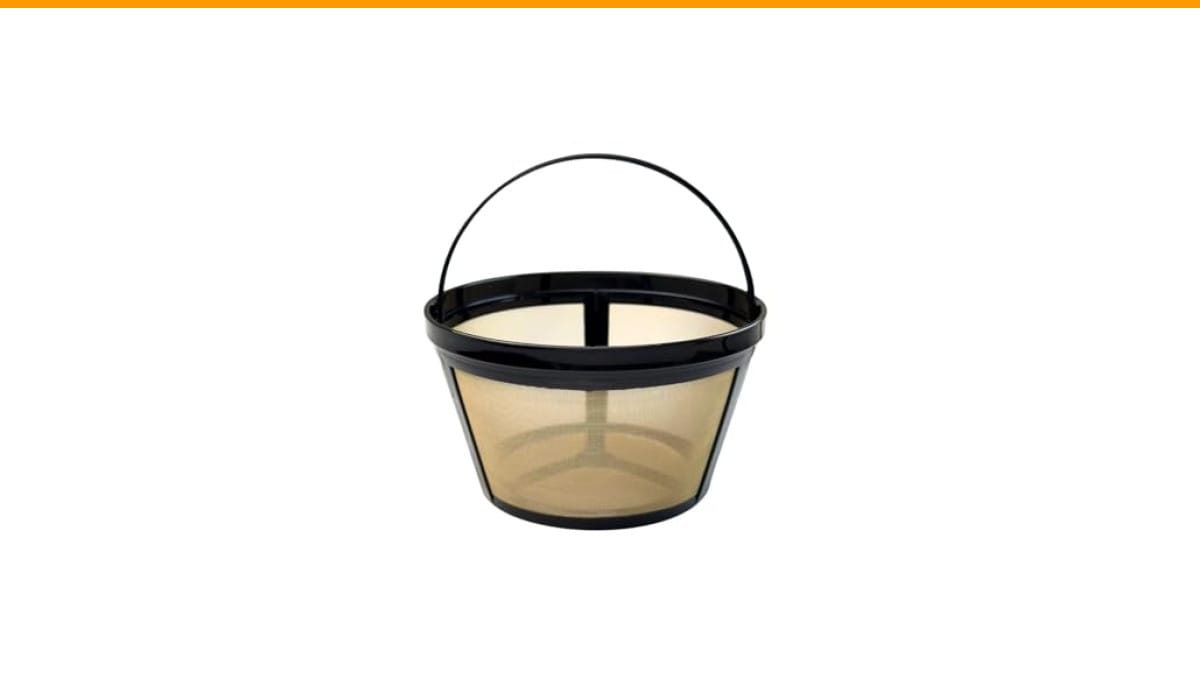
Tronmei 8-12 Cup Reusable Coffee Filter for…
- 【⚠️ FOR 8-12 CUP MACHINES ONLY (NOT 4-6 CUP)】 Perfectly fits most standard 8-12 cup basket-style brewers, including top brands lik…
- 【Size + Materials】 Size: 4.5" (Top) | 3.2" (Base) | 2.5" (Height) Materials: Food-Grade 304 Steel (Mesh) + BPA-Free Plastic (Frame…
- 【SAVE MONEY + CUT WASTE】 Reusable steel filter = no more paper filter restocks. 8-12 cup users toss 600+ paper filters/year – swap…
As an Amazon Associate I earn from qualifying purchases.
If you are shopping for a filter, the Tronmei 8-12 Cup Reusable Coffee Filter is a solid choice for standard basket brewers. It fits Mr. Coffee, Black+Decker, and Proctor Silex machines that take the 8-12 cup size. The 304 steel mesh lets coffee oils through, which paper traps, so the cup tastes richer. It is not the only option, but it is the one I keep coming back to.
Why Reusable Filters Make a Mess in the First Place
The mess comes from three specific mistakes: wrong grind size, overfilling the basket, and pouring water too fast. Each one creates a different kind of disaster.
Paper filters catch everything, including the fine dust that comes off beans during grinding. Steel mesh has holes. Those holes are about 0.1 to 0.2 millimeters wide. Coffee grounds smaller than that—the powdery fines—wash straight through into your carafe. That is the sludge at the bottom of your mug.
Overfilling is the second culprit. A basket filter holds about 2 tablespoons of coffee per 6 ounces of water. That is roughly 10 to 12 tablespoons for a full 12-cup carafe. Scoop more than that and the grounds expand when wet, pushing the filter basket out of its seat. Water then runs around the edges instead of through the coffee, leaving you with weak brew and grounds in the pot.
Fast pouring is the third issue. Dump a full carafe of water into the reservoir in one go and the water hits the grounds with force, stirring them up and forcing fines through the mesh. Slow, steady pouring gives the coffee time to saturate and extract properly.
The Right Grind Size for a Steel Basket
Grind size is the single biggest factor in whether your reusable filter works cleanly. You want a medium grind, similar to table salt or beach sand. Not powdery like espresso, not chunky like cold brew.
If your grinder has numbered settings, aim for the middle range. On a Baratza Encore, that is around setting 15 to 18. On a cheap blade grinder, pulse in short bursts and stop before the beans turn to dust. You want pieces that feel gritty between your fingers, not smooth.
Why does this matter? Medium grounds are heavy enough to stay in the basket when water hits them. Fines are light and get pushed through the mesh. Coarse grounds leave big channels where water rushes through without extracting flavor, giving you weak coffee and a mess of floating chunks.
Here is a quick test: brew a half pot and look at the carafe after it finishes. Clear coffee with a few tiny specks on the bottom is normal. Muddy brown water means your grind is too fine. Back off two settings and try again.
Step-by-Step: How to Load and Brew Without Spills
Follow this exact sequence and you will cut most of the mess. It takes about 20 seconds longer than using a paper filter, but the cleanup is faster.
- Place the filter in the basket while it is dry. The Tronmei filter has a heat-resistant handle. Use it to seat the basket firmly. Give it a slight twist to make sure the rim sits flush against the brew basket walls.
- Scoop the coffee grounds in slowly. Use a spoon, not the scoop that came with your machine. A spoon lets you distribute grounds evenly across the bottom. A scoop dumps everything in one pile, which leaves dry spots and causes channeling.
- Level the grounds with a gentle tap. Tap the side of the basket twice with your finger. Do not shake it. Shaking settles the fines to the bottom, where they clog the mesh.
- Slide the basket into the machine. Make sure it clicks or sits flat. A tilted basket is the most common reason grounds end up in the carafe.
- Pour water into the reservoir slowly. Aim for a steady stream, not a dump. If your machine has a removable reservoir, fill it at the sink and carry it carefully. Pouring from a pitcher directly into the machine works too, just keep the stream narrow.
- Brew and watch the first few seconds. When water first hits the grounds, watch the basket. If you see water pooling on top and not draining, your grind is too fine. Turn the machine off, stir the grounds with a spoon, and restart.
That last step sounds fussy, but it saves a full pot. A clogged basket backs up and overflows the filter, sending grounds down the sides. Stirring breaks the seal and gets water flowing again.
Cleaning the Filter So It Stays Mess-Free
The filter needs a rinse after every brew and a deep clean once a week. Skipping the rinse is how coffee oils build up, turn rancid, and start clogging the mesh.
For the daily rinse: pull the filter out immediately after brewing, while it is still warm. Hold it under running tap water and use your thumb to rub the mesh in a circular motion. Most grounds fall off in 10 seconds. Do not use soap daily—it leaves a residue that makes your next cup taste like detergent.
For the weekly deep clean: soak the filter in a solution of one part white vinegar to three parts water for 15 minutes. Then scrub gently with a soft brush. A toothbrush works well. Rinse thoroughly and let it air dry. This removes the oils that tap water cannot.
One thing to avoid: putting the filter in the dishwasher every day. The high heat and detergent can warp the plastic frame over time. The Tronmei is dishwasher safe on the top rack, but hand washing is gentler and keeps the mesh taut. A loose mesh lets grounds slip around the edges.
If you notice the mesh sagging or a tear starting, replace the filter. A damaged screen will never brew cleanly, and patching it with tape is not a real fix.
Paper vs. Reusable: A Side-by-Side Comparison
Here is how the two filters stack up in daily use. I tested both in the same machine, same beans, same grind setting.
| Factor | Paper Filter | Reusable Steel Filter |
|---|---|---|
| Grounds in cup | None, catches all fines | A few fines on the bottom, normal |
| Flavor | Cleaner, lighter body | Richer, more oils, heavier body |
| Cost per year | $50-80 for daily use | $15-25 one-time, then free |
| Waste | 365+ paper cones in the trash | Zero daily waste |
| Cleanup time | Lift and toss, 5 seconds | Rinse and rub, 15-20 seconds |
| Clog risk | Rare | Higher, needs grind size management |
| Best for | Convenience and no fuss | Budget, eco-friendly, flavor |
The tradeoff is real. Paper is easier, but it costs money and fills landfills. Steel gives you a better cup and saves cash, but it demands a bit of attention. For most home users, the reusable filter is worth the extra 15 seconds of cleanup.
Fixing Common Problems Without Throwing the Filter Away
Even with the right technique, things go wrong. Here is how to fix the three most common issues.
Grounds in the carafe. This usually means the filter basket is not seated flat. Pull it out, wipe the rim of the brew basket, and reseat the filter. If it still leaks, check the mesh for a tear. A pinhole tear lets a stream of grounds through—replace the filter.
Slow brewing or overflow. Your grind is too fine or the mesh is clogged with oil. Fix the grind first. If that does not help, do the vinegar soak described above. A clogged mesh can cut brew speed by half.
Bitter or sour taste. This is a ratio problem, not a filter problem. Too much coffee makes it bitter, too little makes it sour. Use 2 tablespoons per 6 ounces of water and adjust from there. Write down what works so you do not have to guess next time.
These fixes handle 90% of the complaints I see about reusable filters. The other 10% are people who bought the wrong size. Check your machine’s manual before ordering. The Tronmei fits 8-12 cup machines, but a 4-6 cup brewer needs a smaller basket.
Frequently Asked Questions
Can I use a reusable filter in any coffee maker?
No. Reusable filters come in two main shapes: cone and basket. Your machine takes one or the other. Basket filters fit flat-bottomed brewers like Mr. Coffee and Black+Decker. Cone filters fit pour-over style machines. Check your current paper filter’s shape and match that. A basket filter will not seal in a cone brewer, and you will get grounds everywhere.
Why are there coffee grounds in my cup every time?
Three likely causes: your grind is too fine, the filter basket is tilted, or the mesh has a small tear. Start with the grind—go two settings coarser. Then reseat the filter and brew a test pot. If grounds still appear, hold the filter up to a bright light and look for a pinhole. Replace it if you find one.
How often should I replace a reusable coffee filter?
With daily use and proper rinsing, a steel mesh filter lasts 1 to 2 years. The plastic frame can crack sooner if you drop it or run it through the dishwasher constantly. Inspect the mesh monthly for sagging or holes. The moment you see grounds slipping through a visible gap, it is time for a new one.
Does a reusable filter change the taste of coffee?
Yes, noticeably. Paper filters absorb coffee oils, which carry flavor and aroma. Steel lets those oils pass through, so the cup tastes fuller and more complex. Some people find it too heavy and switch back. Most find the richer taste is the reason they stay with reusable. It is a personal preference, not an objective upgrade.
Can I use a reusable filter with pre-ground store coffee?
You can, but most store-bought pre-ground coffee is ground for paper filters, which means it is medium-fine. That works fine in a steel basket. The problem is pre-ground coffee has more fines than freshly ground beans, so you will see more sediment in your cup. Grinding your own beans with a burr grinder gives you control over the particle size and cuts the sludge. If you are stuck with pre-ground, shake the bag before scooping to distribute the fines evenly.
What I Wish I Knew Before Switching
I switched to a reusable filter two years ago and never went back. But there are a few things I learned the hard way.
- Grind coarser than you think. Medium is the sweet spot for basket brewers.
- Rinse the filter immediately after brewing. Cold grounds are miserable to clean.
- Keep a spare filter on hand. When one breaks, you will not want to wait for shipping.
- Do not use soap on the daily rinse. Vinegar soak weekly is enough.
- Your first few brews will have more sediment. It settles down as you dial in your grind.
- If you brew less than a full pot, use the same coffee-to-water ratio, not the same scoop count.
- Check your machine’s manual for the exact basket size before buying. The Tronmei filter is for 8-12 cup machines only.
Reusable filters are not a set-and-forget tool. They need a little attention to grind size and cleaning. But once you get the routine down, they brew a better cup than paper ever did, and you stop throwing money in the trash every morning. The 20 seconds of rinsing is a fair trade for that.
If you want to keep your whole coffee setup running clean, check our guide on cleaning with vinegar and the one on how often to clean. A clean machine makes any filter work better.
Products related to this article
Sponsored / affiliate links. As an Amazon Associate I earn from qualifying purchases. I may earn additional commission from eligible campaigns.
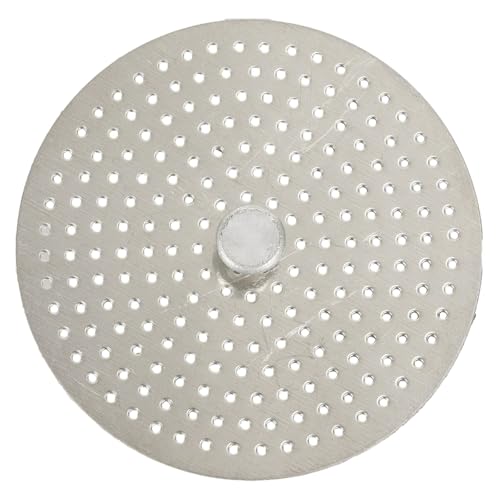 Stainless Steel Moka Pot Coffee Filter Disc for Espresso Brewing, Coffee Maker Replacement Filter Plate for Home Office Coffee Bar Cafe (FOR 4 Cups)
 HomeBeyond Espresso Coffee Maker 12 Cups, Classic Stovetop Espresso Maker, 600ml / 20oz Coffeemaker for Gas & Ceramic Stovetops (Silver)
 Coffee Espresso Machine Handle Replacement Parts, Cafe Bracket Handle for Lidl Silvercrest CM4621 CM4218 KF5002 KF500S Barista (for 51mm Portafilter Basket - Not included)