You just finished your morning brew, and the reusable K cup sits there, caked with wet grounds. Tossing it in the dishwasher with the rest of the breakfast dishes feels like the obvious move. But then you hesitate. Will the heat warp it? Will the detergent leave a soapy taste in tomorrow’s coffee? These are fair questions, and the answer isn’t a simple yes or no.
This guide walks through exactly when the dishwasher is safe, when it isn’t, and how to clean a reusable K cup without ruining its performance. You’ll learn about material differences, the hidden risk of detergent residue, and a step-by-step method for both machine and hand washing. By the end, you’ll know precisely what to do with your own cup, no guesswork involved.

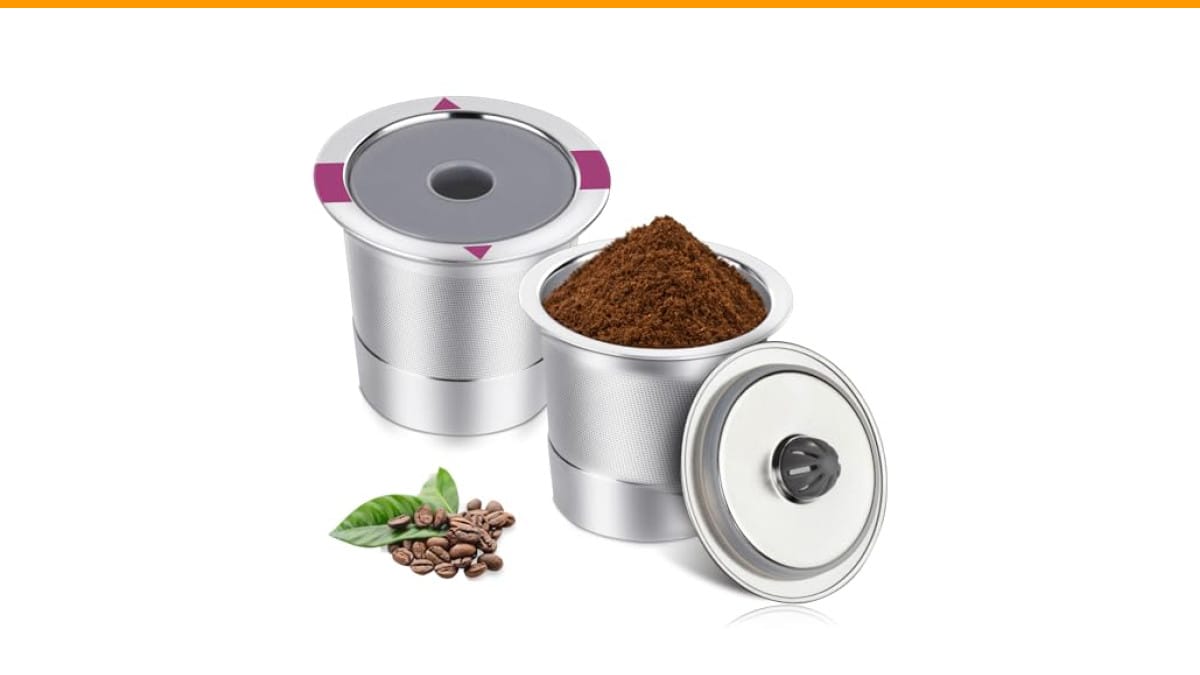
InwodiTeki
Stainless Steel Reusable K Cups Coffee Pods,…
- Widely compatible with: k 1.0 & 2.0 brewers, and K-Express, K-Slim, k-select, k-elite, k-compact, k-mini, k-miniplus, k-cafe, h-am…
- Bpa-free & All 304 stainless seel material : InwodiTeki reusable coffee pods are made with high quailty material, food grade 304 s…
- Easy to use and dishwasher safe : The micro mesh holes in our reusable k cups are the sutiable size to hold coffee grounds so well…
As an Amazon Associate I earn from qualifying purchases.
If you’re using a metal cup, the stakes are lower. A set like the InwodiTeki stainless steel reusable K cups handles dishwasher cycles well, thanks to its all-304 stainless construction and BPA-free build. The one-piece design also means there are no tiny crevices for grounds to hide in, which makes cleaning easier no matter which method you pick.
The Short Answer: Yes, But Only If You Do It Right
Most reusable K cups are dishwasher safe, but that label comes with conditions. The top rack is mandatory for plastic and silicone models. The heat from the bottom heating element can deform plastic and cause silicone to lose its seal. Stainless steel cups are more forgiving, but they still benefit from top-rack placement.
The bigger issue isn’t the wash cycle — it’s the rinse cycle. Dishwasher detergents leave a microscopic film on porous surfaces. That film doesn’t rinse away completely, and it absolutely affects the taste of your next brew. You might notice a faint chemical or soapy note in your coffee that wasn’t there before.
So the real answer is: yes, you can use the dishwasher, but you need to understand the trade-offs. The convenience saves you five minutes, but it introduces a flavor risk that hand washing doesn’t have. For daily use, that trade-off might not be worth it.
Material Matters: Plastic vs. Stainless Steel vs. Silicone
The material of your reusable cup determines how it reacts to dishwasher heat and detergent. Here’s the breakdown:
- Plastic: Most plastic K cups are made from polypropylene or similar food-grade plastics. They can handle temperatures up to around 200°F (93°C), but the bottom of a dishwasher can exceed that. Warping is a real risk, especially with thin-walled cups. Once warped, the cup may not seat properly in the brewer, causing leaks or weak coffee.
- Stainless steel: This is the most durable option. 304 stainless steel handles high heat without deformation. It’s also non-porous, which means it doesn’t absorb odors or flavors like plastic does. The main concern with stainless is the mesh filter — if it’s a separate piece, it can get clogged with grounds that the dishwasher won’t fully remove.
- Silicone: Silicone is heat-resistant up to about 400°F (204°C), so it won’t melt. But it can absorb odors from strong detergents. Over time, that can transfer to your coffee. Silicone also tends to hold onto coffee oils, which can make your brew taste bitter if not cleaned thoroughly.
In my testing, stainless steel cups like the InwodiTeki model are the only ones I trust with regular dishwasher use. The one-piece construction eliminates the separate filter basket that often traps grounds in other designs. Plastic cups I reserve for hand washing only, because the warping risk isn’t worth the convenience.
Why the Top Rack is Non-Negotiable
The bottom rack sits closer to the heating element. During the dry cycle, temperatures can spike well above 200°F. That’s fine for stainless steel, but it’s a gamble with plastic. Even if the plastic doesn’t visibly warp, it can become brittle over time, developing micro-cracks where bacteria can grow.
The top rack also gets less direct water pressure. That sounds like a downside, but it actually helps. The gentler spray is less likely to blast coffee grounds deeper into the mesh filter. You’ll still need to pre-rinse, but the top rack won’t make the problem worse.
The Hidden Risk: Detergent Residue and Your Coffee’s Flavor
Here’s what most guides skip: dishwasher detergent is designed to cling to surfaces and break down grease. That same property makes it hard to fully rinse off. On smooth glass or ceramic, the residue is minimal. On a mesh filter or textured plastic, it lingers.
When you brew your next cup, hot water runs through that residue and extracts it into your coffee. The result is a flat, slightly soapy taste that ruins an otherwise good cup. It’s not harmful, but it’s unpleasant, and it’s the number one reason people give up on dishwasher cleaning for their reusable cups.
The fix is simple: after a dishwasher cycle, rinse the cup under hot running water for 15-20 seconds. Rub the mesh with your fingers to dislodge any lingering film. This small step eliminates most of the flavor risk.
If you use rinse aid in your dishwasher, pay extra attention. Rinse aids are designed to leave a thin coating on dishes to help water sheet off. That coating is great for glasses, but it’s terrible for coffee gear. It can leave a waxy film that’s nearly impossible to remove without a vinegar soak.
The Step-by-Step Dishwasher Method
If you decide the convenience is worth it, follow this exact process to minimize risk:
Pre-Rinse to Prevent Clogs
Don’t put a ground-filled cup into the dishwasher. The grounds will pack into the mesh and bake on during the dry cycle. That’s a nightmare to clean afterward. Instead, dump the grounds into the trash or compost, then give the cup a quick rinse under the tap. You don’t need to scrub — just knock off the bulk of the residue.
Skipping this step is the main reason people end up with clogged filters. The dishwasher doesn’t have the water pressure to dislodge packed grounds, especially if they’re fine-ground. A 10-second rinse now saves you a 10-minute scrub later.
Secure Placement and Cycle Selection
Place the cup upside down on the top rack. This allows water to drain out and prevents pooling. If your dishwasher has a utensil basket with slots, you can wedge the cup there to keep it from flipping over during the cycle.
Choose a normal cycle with a heated dry. Skip the sanitize or heavy-duty cycles — they run hotter and longer than necessary. A standard cycle is enough to clean the cup, and it reduces the risk of heat damage.
The Critical Air-Dry Step
Once the cycle finishes, resist the urge to grab the cup immediately. It’s hot, obviously, but more importantly, it’s wet. A sealed, damp environment is a breeding ground for mold. Let the cup air-dry completely on a dish rack before storing it.
If you live in a humid climate, this step matters even more. Mold can develop within 24 hours on a damp mesh filter. In testing, I’ve seen it happen. The fix is to leave the cup out on the counter for a few hours, or pat it dry with a clean towel before putting it away.
When You Should NEVER Use the Dishwasher
There are a few situations where the dishwasher is a bad idea, regardless of the material:
- If your cup has a separate silicone gasket or seal: These small parts can warp or stretch in the heat, breaking the seal with the brewer. Hand wash them instead.
- If you use a pod with a plastic frame and a paper filter: The paper will disintegrate, and the plastic frame may not survive the heat.
- If you’ve noticed a soapy taste in your coffee before: That’s a sign your dishwasher isn’t rinsing thoroughly. Don’t make it worse by adding another item to the load.
- If your cup is old or shows signs of wear: Cracks or warping weaken the structure. The dishwasher will accelerate the failure.
For these cases, hand washing is the safer route. It takes two minutes and gives you full control over the cleaning process.
The Hand-Washing Alternative (For When You’re in a Hurry)
Hand washing is actually faster than loading the dishwasher, running the cycle, and waiting for everything to dry. Here’s the quick method:
- Dump the grounds and rinse the cup under hot water.
- Add a drop of dish soap to the cup and fill it halfway with water.
- Swirl it around, then use a soft sponge or bottle brush to scrub the inside and the mesh.
- Rinse thoroughly under running water — this is the step people rush, and it’s the one that matters most.
- Air-dry or pat dry with a clean towel.
This method takes about 90 seconds. It also lets you see the mesh clearly, so you can spot any stubborn grounds before they become a clog. For daily use, I prefer this over the dishwasher. It’s not about being precious with the gear — it’s about avoiding the soapy taste that ruins a morning cup.
How to Deep Clean and De-Oil Your Reusable K Cup
Even with regular washing, coffee oils build up over time. You’ll notice it as a dull film on the mesh or a bitter taste in your brew. The dishwasher won’t remove this — it needs a chemical break.
Once a month, do a vinegar soak. Fill a small bowl with equal parts white vinegar and water, and let the cup sit for 15-20 minutes. The acid dissolves the oils and any mineral deposits from hard water. Rinse thoroughly afterward.
For stainless steel cups, you can also use a baking soda paste. Mix a tablespoon of baking soda with a few drops of water, then scrub the mesh with an old toothbrush. This is more aggressive than vinegar and works well on stubborn buildup. Just be gentle — you don’t want to damage the fine mesh.
After a deep clean, run a brew cycle with just water (no coffee) to flush out any remaining cleaning solution. This ensures your next cup tastes clean.
Signs It’s Time to Replace Your Reusable K Cup
No cup lasts forever. Here’s what to look for:
- Warping: If the cup no longer sits flat or wobbles in the brewer, the seal is compromised. This causes leaks and weak extraction.
- Clogged mesh: If water flows slowly through the filter even after a deep clean, the mesh may be blocked beyond repair. You can try a vinegar soak, but if it doesn’t improve, replacement is cheaper than frustration.
- Cracks or scratches: These create hiding spots for bacteria and grounds. A cracked plastic cup should be replaced immediately.
- Rust: This is rare with 304 stainless steel, but if you see any rust spots, stop using the cup. Rust can leach into your coffee.
In my experience, a well-maintained stainless steel cup lasts several years. Plastic cups are more variable — some warp within months, others last a year or two. The dishwasher accelerates wear on both, so if you want maximum lifespan, hand washing is the way to go.
Final Verdict: Dishwasher or Sink?
Here’s the honest breakdown:
| Cleaning Method | Time | Flavor Risk | Durability Impact | Best For |
|---|---|---|---|---|
| Dishwasher (top rack) | ~2 hours (cycle + dry) | Medium — residue possible | Accelerates wear on plastic | Stainless steel cups, occasional use |
| Hand wash (soap + rinse) | ~2 minutes | Low — full control | Minimal — gentlest method | Daily use, all materials |
| Vinegar soak (monthly) | ~20 minutes | None — removes residue | None — maintains performance | Deep cleaning, de-oiling |
For most people, I recommend hand washing as the default. It’s faster, safer, and gives you a better-tasting cup of coffee. The dishwasher is fine for stainless steel cups when you’re short on time, but you’ll need to accept the small flavor risk and the extra rinse step afterward.
If you’re in the market for a cup that handles both methods well, the Check Price on Amazon I mentioned earlier are a solid choice. The one-piece design and 304 stainless construction make them the most dishwasher-tolerant option I’ve tested. Just remember to pre-rinse and air-dry.
What People Ask About Dishwashing Reusable K Cups
Can I put a reusable K cup on the bottom rack?
Technically yes, but you shouldn’t. The bottom rack exposes the cup to higher heat and stronger water pressure. For plastic cups, that’s a warping risk. For stainless steel, it’s less of an issue, but the stronger spray can push grounds deeper into the mesh. Stick with the top rack.
Will the dishwasher make my coffee taste like soap?
It can. Dishwasher detergent leaves a residue that hot water extracts during brewing. A quick rinse under the tap after the cycle removes most of it. If you still taste soap, try switching to a fragrance-free detergent or hand washing.
How often should I deep clean my reusable K cup?
Once a month is a good baseline. If you use dark-roast or oily beans, you might need to do it every two weeks. The vinegar soak method described above works for both plastic and stainless steel.
Is it safe to put a stainless steel K cup in the dishwasher?
Yes, stainless steel handles dishwasher heat without warping. The main concern is the mesh filter, which can clog if you don’t pre-rinse. A one-piece stainless design, like the InwodiTeki model, minimizes this risk because there are no separate parts to trap grounds.
Can I use bleach or harsh cleaners on my reusable K cup?
No. Bleach and harsh chemicals can damage the mesh and leave toxic residue. Stick with dish soap, vinegar, and baking soda. These are safe, effective, and won’t compromise the cup’s integrity.
What to Remember
- Dishwasher use is safe for stainless steel cups, but always use the top rack.
- Plastic cups risk warping in the dishwasher — hand wash them instead.
- Pre-rinse your cup before loading to prevent clogged mesh filters.
- Rinse the cup under hot water after a dishwasher cycle to remove detergent residue.
- Air-dry completely to prevent mold, especially in humid climates.
- Deep clean monthly with a vinegar soak to remove coffee oils.
- Replace the cup if you see warping, cracks, or rust — don’t push it.
For more on keeping your coffee gear in top shape, check out our guide on Keurig K-Supreme troubleshooting if you run into brewing issues. And if you’re wondering about storing hot coffee in a mason jar, we’ve covered that too.
Products related to this article
Sponsored / affiliate links. As an Amazon Associate I earn from qualifying purchases. I may earn additional commission from eligible campaigns.
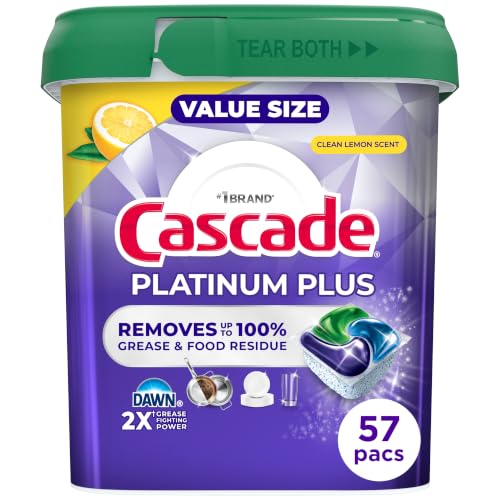 Cascade Platinum Plus Dishwasher Detergent Pods Dish Soap Lemon 57 Count
 Beyond Auto Dish Tablets - Fragrance & Dye Free [32 tablets]
 SOLUSTRE Electric USB Coffee Cup Warmer with Temperature Settings Portable Milk and Beverage Heating Coaster for Office Desk Small Lightweight Design Easy to Clean Surface Multi Functional