You just pulled a perfect shot of espresso. You steam your milk, pour the latte art, and take that first sip. Then you look at the pitcher sitting in the sink. There’s a thin film of dried milk on the inside, and you know tomorrow morning it’s going to smell a little sour. We’ve all been there.
That film isn’t just gross. It’s baked-on protein that ruins the taste of your next drink and shortens the life of your pitcher. The good news is that keeping a milk frothing pitcher in top shape takes about two minutes of daily effort and a deeper clean once a week. This guide walks you through exactly what to do, what not to do, and which cleaning agents actually work.
Urnex
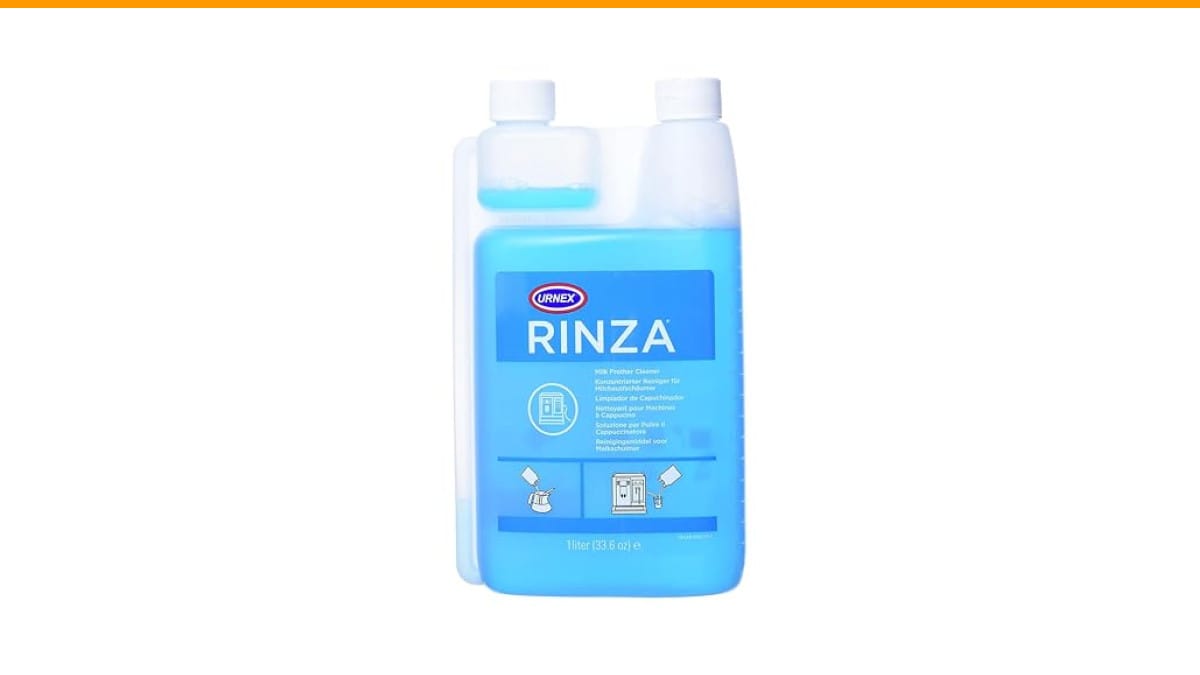
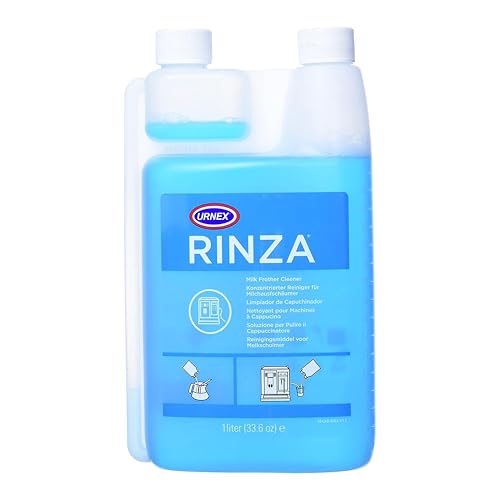
Urnex - Rinza Alkaline Formula Milk Frother…
- Milk frother cleaner breaks down milk protein buildup.
- Comes in a dual-chamber bottle that contains a built-in measuring device.
- Cycles through auto frothers for easy cleanup.
As an Amazon Associate I earn from qualifying purchases.
You’ll learn the difference between a quick rinse and a proper sanitization, how to deal with stubborn milk stone, and when your pitcher is past saving. No fluff, just the routine I use and recommend after years of testing stainless steel pitchers from brands like Motta, Rattleware, and the cheaper no-name ones.
One tool that makes the weekly deep clean noticeably easier is a dedicated milk frother cleaner. The Urnex Rinza Alkaline Formula Milk Frother Cleaner breaks down milk protein buildup that regular dish soap leaves behind. It comes in a dual-chamber bottle with a built-in measuring device, so you don’t have to guess how much to pour. It’s not magic, but it saves you from scrubbing for ten minutes.
Why Your Pitcher Gets That Chalky White Film
Milk contains two things that cling to metal: protein and fat. When you heat milk past 140°F, the proteins denature and stick to the stainless steel like glue. Fat leaves a greasy residue that regular soap doesn’t always cut through. Over time, these layers build up into what baristas call milk stone.
Milk stone is that white, chalky deposit you see on the inside of a pitcher that hasn’t been cleaned properly. It’s not just ugly. It harbors bacteria, and it insulates the metal, which means your milk heats unevenly next time. I’ve seen pitchers that looked fine on the outside but smelled like spoiled yogurt on the inside after a few weeks of neglect.
The other culprit is hard water. If your tap water has high mineral content, those minerals can leave spots and scale on the outside of the pitcher. That’s a cosmetic issue mostly, but it can also trap milk residue if you let it sit.
The Daily Routine: 60 Seconds After Every Use
Here’s the habit that separates people who replace pitchers every year from people who keep one for a decade. As soon as you finish pouring your drink, rinse the pitcher with hot water. Not warm. Hot. The hotter the water, the easier it washes away the protein film before it sets.
Swirl the hot water around for five seconds, dump it, then give the inside a quick wipe with a clean cloth or paper towel. That’s it. You don’t need soap every single time if you’re doing this immediately. The heat and mechanical action do the work.
If you’re at a cafe or making multiple drinks back to back, keep a dedicated rinse pitcher filled with hot water on your station. Dunk your steaming pitcher in it after each use, give it a shake, and move on to the next drink. This is standard practice in every specialty coffee shop I’ve worked with.
Once a day, usually at the end of service, wash the pitcher with warm soapy water. Use a mild dish soap and a soft sponge. Avoid abrasive pads like steel wool. They scratch the stainless steel, and those scratches become tiny hiding spots for milk residue and bacteria.
Dry the pitcher immediately with a towel. Letting it air dry in a rack leaves water spots, especially if you have hard water. A quick towel dry takes ten seconds and keeps the outside looking polished.
The Weekly Deep Clean: Removing Milk Stone and Lingering Odors
Even with a perfect daily routine, a thin layer of milk protein will eventually build up. That’s where the weekly deep clean comes in. You have a few options, and they’re not all equal.
The most effective method is using an alkaline cleaner specifically designed for milk residue. That’s what the Urnex Rinza is for. It dissolves the protein bonds that soap can’t touch. Mix the recommended dose with hot water in the pitcher, let it soak for 15 to 20 minutes, then rinse thoroughly. You’ll see the water turn cloudy as the film lifts off.
If you don’t have a commercial cleaner on hand, a DIY alternative works in a pinch: a paste of baking soda and water. Apply it with a soft cloth, scrub gently, and rinse. Baking soda is mildly abrasive and deodorizes, but it’s not as fast or as thorough as a dedicated cleaner. For heavy buildup, you might need two rounds.
Vinegar is a popular suggestion, but I’d steer you away from it for routine cleaning. Vinegar is acidic, and while it cuts through mineral scale, it doesn’t break down milk protein effectively. Plus, if you don’t rinse it completely, you’ll taste vinegar in your next latte. I’ve made that mistake once. It’s not pleasant.
For the outside of the pitcher, a stainless steel cleaner or a little white vinegar on a cloth will restore the shine. Just make sure you wash it with soap afterward to remove any residue.
Dealing With Scale and Stubborn Buildup
Hard water scale is a different problem from milk stone. You’ll notice it as white spots on the outside or a rough texture on the inside bottom of the pitcher. It’s mostly minerals, and it needs an acid to dissolve it.
For occasional descaling, fill the pitcher with a 50/50 mix of water and white vinegar. Let it sit for 30 minutes. The scale should wipe right off. Rinse thoroughly and wash with soap. This is a quarterly treatment, not a weekly one. Overusing acid on stainless steel can dull the finish.
If you have a burnt-on milk crust from a moment of distraction, don’t attack it with a metal scraper. Fill the pitcher with hot water and a drop of dish soap, then let it soak for 30 minutes. Most of the crust will soften and come off with a sponge. For the really stubborn bits, a plastic scraper or a non-scratch scrub pad works without gouging the metal.
| Method | Best For | Frequency | Time Needed |
|---|---|---|---|
| Hot water rinse | Daily residue after each use | Every use | 10 seconds |
| Soap and warm water | General cleaning, removing fats | Daily | 1 minute |
| Alkaline cleaner (Rinza) | Milk protein film, odors | Weekly | 15-20 minutes soak |
| Baking soda paste | Light buildup, DIY option | As needed | 5 minutes |
| Vinegar soak | Mineral scale, hard water spots | Quarterly | 30 minutes |
That table sums up the whole system. Match the method to the problem, and you won’t waste time or damage the pitcher.
Signs You Should Replace Your Pitcher
No pitcher lasts forever. Even with perfect care, the metal will eventually wear down. Here are the signs that it’s time to shop for a new one.
Dents are the biggest issue. A dented pitcher changes the way milk swirls when you’re texturing. It creates turbulence that makes it harder to get a consistent vortex. If your pitcher has a noticeable dent on the side, you’ll feel the difference in your milk texture immediately.
Deep scratches on the inside are another red flag. They trap bacteria and make cleaning nearly impossible. Run your finger along the inside. If you feel grooves, it’s time to retire it.
Rust spots are a clear failure. Quality stainless steel shouldn’t rust, but cheap pitchers or ones that have been scratched and neglected can develop rust. Once rust appears, it’s not safe to use. Replace it.
Finally, if you notice a persistent sour smell even after a deep clean, that means the metal has become porous and is holding onto bacteria. No amount of scrubbing will fix that. A new pitcher costs less than a few bags of coffee beans, so don’t hesitate.
Does the Brand or Material Matter?
Cheap pitchers work, but they don’t last. The thin steel on budget models dents easily and heats up fast, which can scald your milk before you finish texturing. A heavier gauge steel, like 18/10 stainless, holds temperature more evenly and resists dents.
That said, you don’t need a $60 pitcher to make great latte art. I’ve used a $12 pitcher that performed fine for two years. The key is the care routine, not the price tag. A well-maintained cheap pitcher beats a neglected expensive one every single time.
One thing to check when buying a new pitcher: the seam. Cheaper pitchers often have a visible seam on the inside where the metal is joined. That seam is a hiding spot for milk residue. Look for a seamless or welded interior if you can.
Common Mistakes People Make
I see the same handful of errors in home kitchens and even some cafes. Here’s what to stop doing.
Leaving milk in the pitcher overnight is the worst thing you can do. It dries into a cement-like layer that’s a nightmare to remove. If you absolutely can’t clean it right away, at least fill it with water to keep the milk from drying.
Putting the pitcher in the dishwasher is risky. The high heat and harsh detergents can discolor the metal and dull the finish. Many pitchers say dishwasher safe, but I’ve seen them come out with cloudy spots. Hand washing is safer.
Using bleach or harsh chemical cleaners is a mistake. They can corrode the metal and leave residues that are toxic. Stick to dish soap, alkaline cleaners, or baking soda.
Scrubbing with steel wool is another no. It scratches the surface, and those scratches are where bacteria thrive. Use a soft sponge or a non-scratch pad.
Quick Answers to Common Questions
Can I use regular dish soap on my milk frothing pitcher?
Yes, for daily cleaning. Dish soap removes fat and general grime. It won’t break down the baked-on milk protein film, so you still need a weekly deep clean with an alkaline cleaner or baking soda.
Is it safe to put my pitcher in the dishwasher?
Technically, many are labeled dishwasher safe, but I don’t recommend it. Dishwasher detergents are harsh and can dull the finish over time. The heat can also warp thinner steel. Hand washing takes one minute and keeps the pitcher looking new.
How often should I deep clean my pitcher?
Once a week if you use it daily. If you only make milk drinks on weekends, a monthly deep clean is fine. The visual cue is a chalky film on the inside. If you see it, it’s time.
What’s the best way to remove a burnt milk smell?
Soak the pitcher in a hot water and baking soda solution for 30 minutes. Rinse, then wash with soap. If the smell persists, use an alkaline cleaner like Rinza. A persistent odor after cleaning means the metal is compromised and you should replace the pitcher.
Does the size of the pitcher affect cleaning?
Not really, but smaller pitchers are easier to rinse thoroughly. The 12-ounce and 20-ounce sizes are the most common for home use. For cleaning, the only difference is the amount of water you need to fill it.
What to Do Next
- Rinse your pitcher with hot water immediately after every use. This is the single most important habit.
- Wash with soap and warm water once a day, then dry with a towel.
- Deep clean weekly with an alkaline cleaner or a baking soda paste to remove milk stone.
- Descale quarterly with a vinegar soak if you have hard water.
- Never use steel wool or harsh chemicals. They damage the metal.
- Replace your pitcher if it has dents, deep scratches, rust, or a lingering sour smell.
- Keep a dedicated rinse pitcher on your counter to make the daily habit easier.
That’s the whole routine. It takes about two minutes a day and one longer soak a week. Your milk will taste cleaner, your latte art will pour better, and your pitcher will last for years instead of months. If you’re also dealing with a gunked-up steam wand, the same principles apply, and I’ve covered that in detail in this steam wand cleaning guide. For the rest of your machine, a regular schedule helps too, and you can find that in this maintenance checklist. If your frother stops working entirely, it might not be a cleaning issue at all, so check this Aeroccino troubleshooting guide before you buy a new one.
Products related to this article
Sponsored / affiliate links. As an Amazon Associate I earn from qualifying purchases. I may earn additional commission from eligible campaigns.
 Steel Wool Soap Pads 30Pcs Red 2x2 Versatile Steel Wool Pads Effective Cleaning Metal Scouring Steel Wool Scrubber for Cleaning Pots, Pans, Ovens and Dishes
 Cascade Platinum Plus Dishwasher Detergent Pods Dish Soap Lemon 57 Count
 Meat Cutter Machine, Stainless Steel Electric Meat Slicer Machine with Three functional modes & Inclined Discharge Port Shredded Cutting Machine for Home Restaurants Supermarket (15mm)