You pull the portafilter, lock it in, flip the switch. The pump groans, water drips—but it’s cold. No crema, no steam, just a lukewarm puddle that tastes like brown water. If you own a compact espresso machine, this moment is frustrating because the whole point of a small machine is convenience. When it stops heating, you’re stuck with a countertop paperweight.
This guide walks you through the exact steps to diagnose why your machine isn’t heating, what parts fail most often, and how to fix them. You’ll learn to test a thermal fuse, descale properly, and spot a dying thermostat. We’ll also cover model-specific quirks for Breville, Gaggia, and Rancilio—because the fix differs. By the end, you’ll know whether it’s a $5 part or a call to a repair shop.

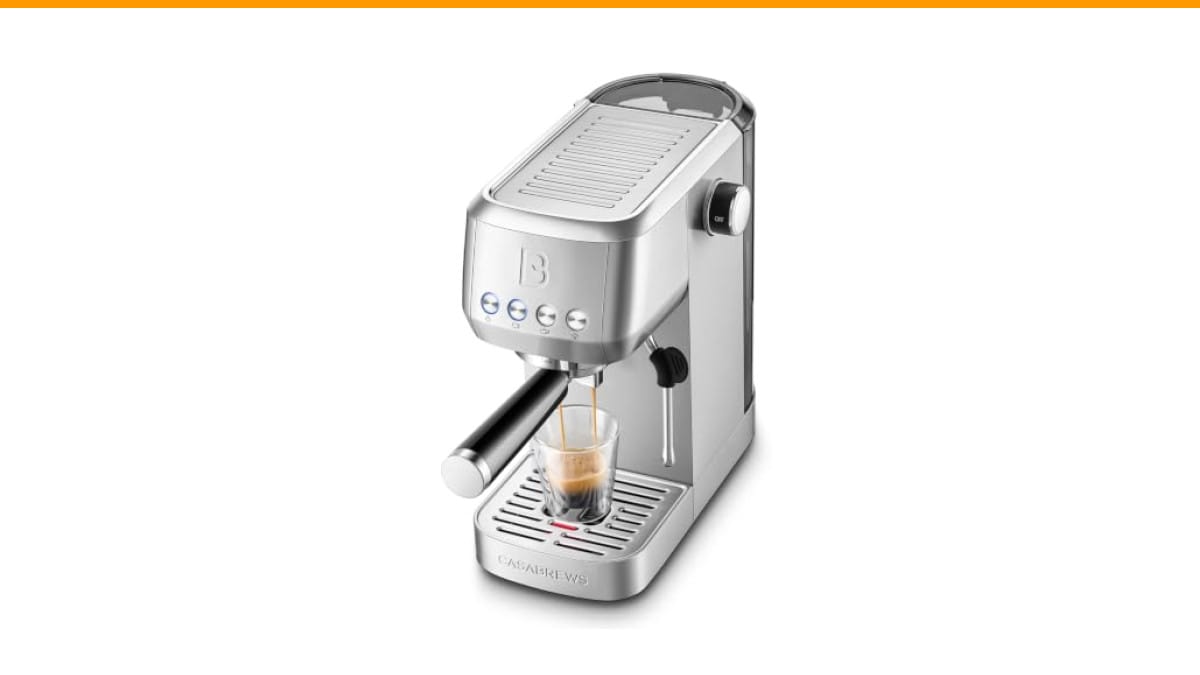
CASABREWS
CASABREWS 3700 Essential Stainless Steel Espresso Machine…
- Make Your Favorite Espresso Coffee At Home: The CASABREWS coffee machine with milk frother allows you to prepare all your favorite…
- Professional 20-Bar Pressure System: A semi-Automatic 2-in-1 Espresso Maker with a 20 bar professional pump and a 1350 W powerful…
- Milk Frothing System: Our espresso machine with milk frother has a powerful steam wand that creates a creamy and rich micro-foam m…
As an Amazon Associate I earn from qualifying purchases.
If you’re in the market for a reliable compact machine that heats fast and steams well, the CASABREWS 3700 Essential Stainless Steel Espresso Machine is a solid pick. It uses a 1350 W heating system and a 20-bar pump, which means quick heat-up and consistent extraction. But even the best machines can develop issues—here’s how to troubleshoot them.
First, Confirm the Problem: Is It Really Not Heating?
Before you open the chassis, check the obvious. Is the machine plugged in? Is the outlet live? Test with another appliance. If the outlet works, move on.
The Cold Portafilter Trap vs. Cold Water Test
Here’s a myth that wastes hours: a cold portafilter doesn’t mean the boiler is cold. The portafilter is metal; it sheds heat fast. You can touch it and feel cool while the water inside is steaming. So don’t judge by touch alone.
Run a blank shot (no coffee) into a cup. If the water comes out hot—over 180°F—the machine is heating fine. The problem might be your grind or puck prep. If the water is lukewarm or cold, you have a real heating issue.
Also, check the steam wand. If it produces weak steam or none, that’s another clue. The heating element or thermostat is likely failing.
The 5-Minute Diagnostic Flowchart (Start Here)
- Check power: Is the machine on? Any lights? If no lights, check the outlet, cord, and internal fuse.
- Thermal reset button: Some machines have a small red or black button on the bottom or back. Press it. If it clicks, the thermal overload tripped.
- Listen for the pump: When you pull a shot, do you hear a whirring sound? If yes, the pump works—so power reaches the board. If silent, the pump or wiring is dead.
- Feel the boiler: After 5 minutes on, touch the top of the boiler (careful—it might be hot). If it’s warm, the heating element is getting power. If cold, you’re looking at a thermal fuse, thermostat, or element.
- Check for error lights: Some machines flash a code. Consult your manual.
This order eliminates the cheapest fixes first. Don’t skip to replacing parts until you’ve done these steps.
Check Power & Thermal Reset Button
Many compact machines have a thermal overload protector that trips if the boiler overheats. It’s a small button, often near the power cord inlet. Press it firmly. If it clicks, you’ve found the issue—it tripped because the machine got too hot, often due to scale or a stuck thermostat.
If the button won’t stay in, the thermostat is probably dead. That’s a separate fix we’ll cover.
Listen for the Pump: Is the Boiler Filling?
If the pump runs but no water comes out, the boiler might be empty. A dry boiler can overheat and trip the thermal fuse. If you hear a gurgling but no water, check the water tank—some machines won’t heat if the tank is empty or not seated properly.
Also, if you recently ran the machine dry, that’s a common cause of a blown thermal fuse. The heating element gets red-hot without water to absorb the heat.
Cause #1: Blown Thermal Fuse (Most Common)
The thermal fuse is a one-time safety device. It’s a small ceramic or metal cylinder wired in series with the heating element. When the boiler exceeds a safe temperature—say, 240°F—the fuse blows, cutting power permanently. You can’t reset it; you must replace it.
This is the #1 reason compact espresso machines stop heating. It costs about $5 and takes 20 minutes to replace if you’re handy with a screwdriver.
How to Test with a Multimeter
First, unplug the machine. Remove the top or back panel (screws usually). Locate the thermal fuse—it’s near the boiler or heating element. Set your multimeter to continuity (the symbol that looks like a sound wave). Touch the probes to the fuse’s two terminals.
If the meter beeps, the fuse is good. If it shows infinite resistance (no beep), the fuse is blown. Replace it with the same temperature rating—usually 240°F or 250°F. You can find replacements online or at an appliance parts store.
Note: If the fuse blows again after replacement, you have a deeper issue—likely a stuck thermostat or heavy scale. Don’t just swap fuses repeatedly.
Cause #2: Scale Buildup (The Silent Insulator)
Hard water leaves calcium deposits inside the boiler. Over months, these deposits coat the heating element like a wool sweater. The element still gets hot, but the heat can’t transfer to the water. The result: lukewarm water, weak steam, and eventually a blown thermal fuse because the element overheats.
If your machine has been running fine but gradually got weaker over time, scale is the culprit. You’ll often hear a popping or hissing sound from the boiler—that’s steam trapped under scale.
How to Descale Properly (Vinegar vs. Citric Acid)
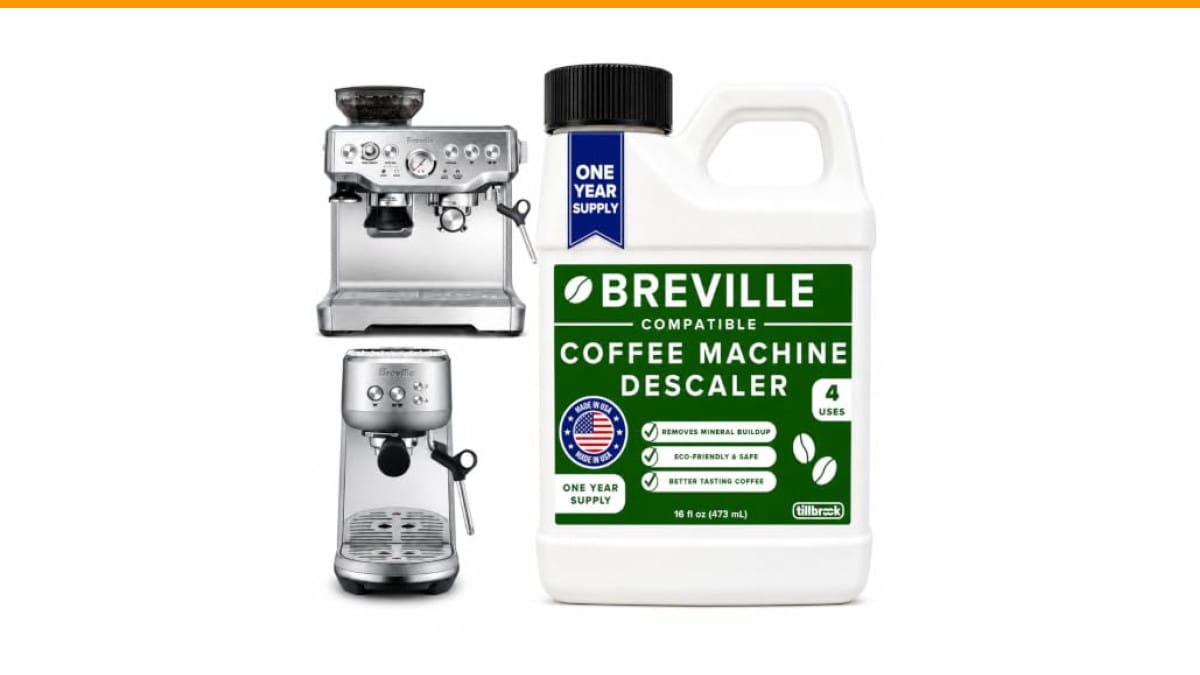
Vinegar works in a pinch, but it’s slow and leaves a smell. Citric acid is faster and food-safe. Mix 2 tablespoons of citric acid powder with 1 liter of water. Run half the solution through the machine as if brewing a shot, let it sit for 15 minutes, then run the rest. Follow with two full tanks of fresh water to rinse.
If you use vinegar, use a 1:1 ratio with water, run it through, let it sit for 30 minutes, then rinse thoroughly. The downside: vinegar can degrade rubber seals over time, so don’t use it monthly. Citric acid is gentler on seals.
After descaling, run a blank shot to test temperature. If it’s hot now, scale was the issue. If still cold, move on to the thermostat.
Cause #3: Failed Thermostat or Pressure Stat
The thermostat is a bimetallic switch that turns the heating element on and off to maintain temperature. When it fails, it either sticks open (no heat) or sticks closed (overheating, which blows the fuse).
Pressure stats are similar but used in machines with a boiler that holds steam pressure. They sense pressure and switch the heater. A failing pressure stat might cause the machine to heat too long or not at all.
Symptoms of a Drifting Thermostat
A drifting thermostat is one that’s out of calibration. It might heat to 200°F instead of 195°F, or it might cycle on and off erratically. You’ll notice inconsistent shot temperatures—sometimes hot, sometimes lukewarm. That’s not a broken thermostat; it’s a worn one.
To test, use a multimeter on the thermostat terminals. At room temperature, it should show continuity (closed circuit). If it reads open, it’s failed. If it reads closed but the machine doesn’t heat, the thermostat might be stuck closed—but then the fuse would blow.
Replacing a thermostat is straightforward: unscrew it from the boiler, note the temperature rating (e.g., 195°F), and order a replacement. It’s a $10-15 part.
Cause #4: Heating Element Failure (Rare but Fatal)
The heating element is a metal rod inside the boiler that heats up when electricity passes through. If it burns out—often due to scale or a dry boiler—the machine won’t heat at all. This is less common than fuse or thermostat failure, but it happens.
Testing for Continuity Safely
Unplug the machine. Remove the boiler cover. Locate the heating element—it has two or three terminals with wires attached. Disconnect the wires. Set your multimeter to ohms (Ω). Touch the probes to the two main terminals.
You should see a resistance reading between 10 and 50 ohms, depending on wattage. If you see infinite resistance (OL), the element is burned out. If you see near-zero, it’s shorted. Either way, replace the element.
Safety note: Before touching anything, discharge the capacitors if your machine has them. Some machines have a large capacitor that stores a charge even after unplugging. Use a screwdriver with an insulated handle to short the capacitor terminals briefly. Also, never work on a machine that’s still plugged in.
Cause #5: Breville Thermojet Specific Issues
Breville’s compact machines (like the Bambino) use a thermojet heating system, not a traditional boiler. It heats water on demand through a coiled tube. Common failures:
- Clogged thermojet: Scale blocks the narrow tube, causing weak flow and cold water. Descale regularly.
- Failed thermistor: The temperature sensor goes bad, so the machine doesn’t know it’s cold. It won’t heat. Test with a multimeter—should show resistance around 10k ohms at room temperature.
- Software glitch: Sometimes unplugging for 30 seconds resets the brain. Try that before opening anything.
If your Breville shows a flashing light pattern, check the manual—it often indicates a specific fault.
When to Stop DIY and Call a Professional
If you’ve tested the fuse, thermostat, and element—all good—but the machine still won’t heat, you might have a wiring harness issue or a failed control board. These are harder to diagnose without a schematic. Also, if you’re uncomfortable opening the chassis or testing live circuits, stop. A repair shop will charge $50-100 for diagnosis, but that’s cheaper than a new machine.
Also, if your machine is under warranty, opening it voids the warranty. Check that before you start.
Prevention: The 3-Month Maintenance Checklist
- Monthly: Descale with citric acid solution (or a commercial descaler) to prevent scale buildup.
- Monthly: Run a blank shot before pulling your first espresso to flush any residue and ensure the boiler is full.
- Quarterly: Check the thermal fuse and thermostat visually for corrosion or burn marks.
- Quarterly: Clean the portafilter and basket with a brush to avoid coffee oils clogging the group head.
- Yearly: Replace the water filter if your machine uses one.
Following this schedule prevents most heating failures. Scale is the #1 killer of compact espresso machines—stop it early.
FAQs: Why is my machine hot but water cold?
Why is my espresso machine running but not heating water?
That’s a classic symptom of a blown thermal fuse or a failed heating element. The pump runs because it’s on a separate circuit, but the heating circuit is broken. Test the fuse first—it’s the cheapest fix.
How do I know if my espresso machine’s thermal fuse is blown?
Use a multimeter on the continuity setting. Touch the probes to the fuse terminals. If no beep, it’s blown. Also, look for a visible break or burn mark on the fuse body.
Can I use vinegar to descale my espresso machine?
Yes, but it’s not ideal. Vinegar is acidic and can damage rubber seals over time. Citric acid is safer and works faster. Use a 1:1 vinegar-water solution if you must, and rinse thoroughly.
Why does my espresso machine turn off after a few minutes?
That’s the thermal overload protector tripping. It means the boiler is overheating, often due to scale or a stuck thermostat. Descale first, then test the thermostat.
Is it worth repairing a compact espresso machine?
If the machine is less than 5 years old and the repair is a thermal fuse or thermostat, yes—it’s a $15 part and 30 minutes of work. If the heating element is dead, weigh the cost: a new element might be $50, but a new machine could be $200. For a $100 machine, replacement might be smarter.
What to Do Next
- Start with the thermal reset button and a blank shot test—they cost nothing.
- Invest in a $10 multimeter; it’s the best tool for diagnosing any heating issue.
- Descale every month if you have hard water; every three months if you use filtered water.
- Replace a blown thermal fuse with the exact temperature rating—don’t guess.
- If you’re not comfortable opening the chassis, call a pro—it’s not worth the risk.
- For a reliable machine that’s less prone to these issues, consider the CASABREWS 3700, which has a robust 1350 W heating system.
- If you’re comparing machines, read our semi vs automatic guide to see which suits your routine.
For more troubleshooting, check our guides on loud noise fixes and leaking water issues—they often go hand-in-hand with heating problems.
Products related to this article
Sponsored / affiliate links. As an Amazon Associate I earn from qualifying purchases. I may earn additional commission from eligible campaigns.
 Coffee Espresso Machine Handle Replacement Parts, Cafe Bracket Handle for Lidl Silvercrest CM4621 CM4218 KF5002 KF500S Barista (for 51mm Portafilter Basket - Not included)
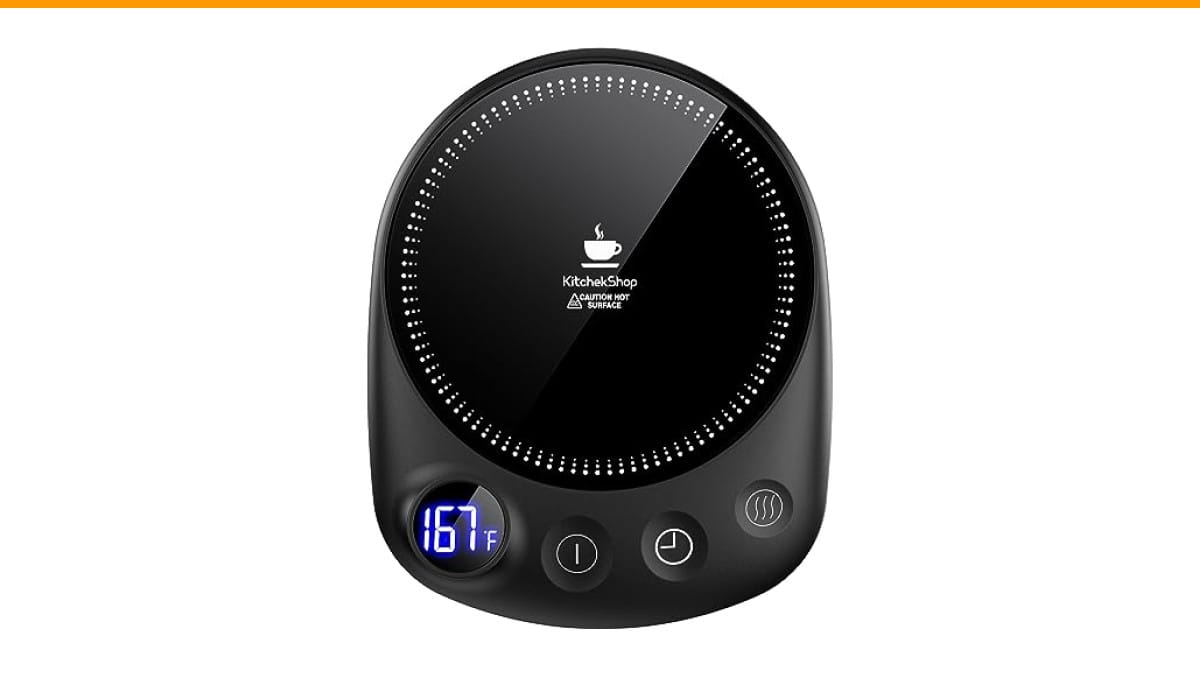
 Quick Heating Cup Warmer, Three Temperature Settings, Splashproof and Portable, for Coffee, Milk, Lightweight ABS Material
 Linnkyfloa Coffee Espresso Maker Handle Replacement for Stovetop Moka Pot or Percolator, Black Plastic for Spare Part Compatible with Italian(9-12 Cup)