You set your mug on the warmer, walk back to your desk, and take a sip ten minutes later. It’s lukewarm again. The heating plate feels hot to the touch, so you blame the mug or the electronics. But the real culprit might be invisible: hard water minerals left behind on the bottom of your cup.
Most people think hard water only ruins espresso machines or leaves spots on glass. That’s wrong. Your mug warmer suffers quietly, losing efficiency every single day you use tap water. This article explains exactly how calcium and magnesium destroy these devices, how to spot the damage early, and what to do about it.

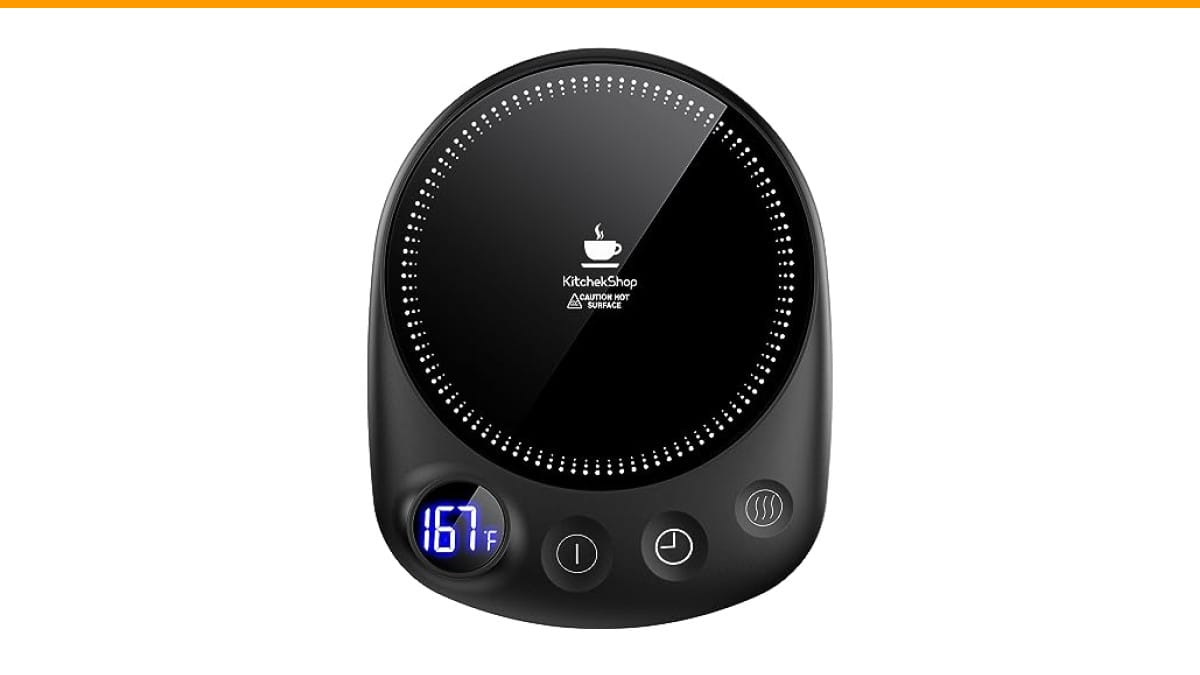
KitchekShop
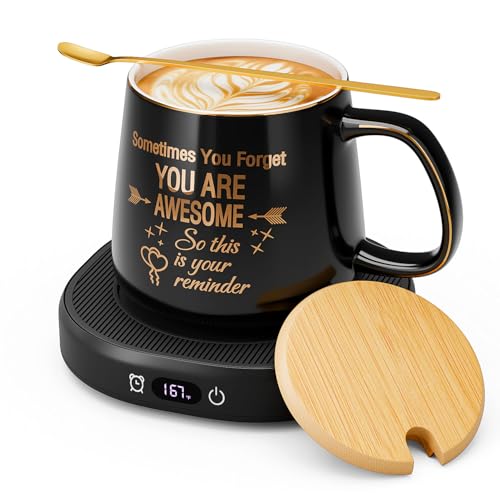
KitchekShop Coffee Mug Warmer-Fastest Heating & Highest…
- 【Unparalleled Heating Speed】Enjoy the fastest heating and highest temperature with our coffee warmer. Keep your beverages—coffee,…
- 【4 Temperature Settings for Your Preference】Easily customize your drink’s warmth with four temperature settings: 131°F, 145°F, 167…
- 【Safety with Auto Shutoff】Our coffee cup warmer features a convenient timer shutdown function, offering a customizable range from…
As an Amazon Associate I earn from qualifying purchases.
You’ll walk away knowing how scale acts as an insulator, why your mug develops hot spots, and a step-by-step rescue plan that takes under ten minutes.
If you’re dealing with a warmer that’s slowing down, the Check Price on Amazon handles this scenario well. Its flat, wide heating panel spreads heat evenly across the mug bottom, which reduces the chance of localized scale damage. The four temperature settings also let you drop to a lower heat if your water is very hard, giving the minerals less energy to bake onto the surface.
The Hidden Threat: Why Your Mug Warmer is a Magnet for Hard Water Scale
Hard water contains dissolved calcium and magnesium. When water evaporates from the bottom of your mug, those minerals stay behind as a chalky film. On a mug warmer, that film doesn’t just sit there. It bakes.
Think about what happens when you leave a wet glass on a wooden table. The ring dries, and minerals remain. Now imagine that process repeated hundreds of times, each time with heat applied. The residue hardens into a crust that bonds to the heating surface.
This is not a rare problem. According to the U.S. Geological Survey, over 85% of American homes have hard water. If your tap water leaves white spots on dishes or your shower glass, your mug warmer is already accumulating scale.
The damage compounds because the scale builds on both sides of the interface: the heating plate itself and the bottom of your mug. Most people only notice the mug stains. The plate is where the real harm happens.
For a deeper look at how mineral buildup affects other equipment, check our guide on coffee maker water issues. The same chemistry applies, just at a smaller scale.
The Science of Scale: How Minerals Turn into an Insulating Blanket
Scale is a terrible conductor of heat. Pure calcium carbonate has a thermal conductivity around 2.2 W/m·K. Compare that to aluminum, which sits near 205 W/m·K. That’s nearly 100 times better at moving heat.
When a layer of scale forms on your warmer’s plate, it blocks heat transfer. The heating element underneath still gets hot, but the energy can’t reach your mug. The result is a warmer that runs hot to the touch yet fails to heat your coffee properly.
This creates a vicious cycle. The warmer’s thermostat senses the plate isn’t reaching target temperature, so it pushes more power. More power means higher plate temperature. Higher temperature bakes the scale harder. The crust thickens, and the cycle repeats.
Why Scale Kills the Heating Element
The heating element in a mug warmer is designed to operate within a specific temperature range. When scale blocks heat transfer, the element runs hotter than intended. Over time, this thermal stress degrades the internal wiring and solder joints.
Most cheap warmers fail within 18 to 24 months under hard water conditions. A well-maintained unit can last five years or more. The difference isn’t the brand. It’s the maintenance.
You’ll notice the failure pattern: first the warmer takes longer to heat your drink. Then it stops reaching the highest temperature settings. Eventually it just stops working. Each stage corresponds to scale thickness increasing.
The Uneven Heating Problem: Hot Spots and Lukewarm Coffee
Scale never deposits evenly. Mineral buildup follows water droplet patterns and evaporation points. This creates microscopic hills and valleys on the heating surface.
Your mug only touches the high points of the scale. Air gaps form between the mug and the plate. Air is an excellent insulator. Your coffee now receives heat only through scattered contact points.
The result is uneven heating. One side of your mug feels warm, the other side stays cold. You rotate the mug, and the problem follows the scale pattern. This is not a defect in the warmer. It’s a maintenance issue.
Using a flat-bottomed mug helps, but it can’t overcome a crusted plate. The KitchekShop warmer’s large heating surface distributes heat better than smaller units, but even it needs a clean plate to work correctly.
The Mug Factor: How Hard Water Stains and Damages Your Ceramics
Your mug suffers too. Hard water leaves ring-shaped stains on the bottom that look like rust or dirt. These stains are actually mineral deposits that have fused with the ceramic glaze.
Once the glaze is compromised, the mug becomes porous in those spots. Coffee oils and acids penetrate the surface. The result is a permanent discoloration that no amount of scrubbing can remove.
Worse, these mineral deposits on the mug bottom create an uneven surface. The mug no longer sits flush on the warmer. That tiny gap, maybe a millimeter, is enough to disrupt heat transfer significantly.
Stainless steel mugs handle hard water better than ceramic. The metal surface doesn’t absorb minerals the same way. But steel conducts heat rapidly, which means scale on the plate still affects performance. If you use steel mugs, you’ll notice hot spots more quickly because the metal transfers heat unevenly from the scaled plate.
The Real Cost: Efficiency Loss vs. Replacement Price
Let’s talk numbers. A typical mug warmer draws about 15 to 25 watts. Under normal conditions, it runs for maybe 4 hours a day. That’s roughly 0.08 kWh daily, or about 30 kWh per year. At the average U.S. electricity rate of 16 cents per kWh, that’s under $5 annually.
Now add scale. The warmer runs longer because it can’t transfer heat efficiently. It might run 30% longer to achieve the same result. Your electricity cost jumps to $6.50 per year. The difference is negligible.
The real cost is the device itself. A decent warmer costs between $20 and $40. If scale kills it in 18 months instead of 5 years, you’re spending $13 to $27 per year on replacements.
Compare that to the cost of distilled water. A gallon costs about $1.50 and lasts a week if you use it for coffee. That’s $78 per year. Even bottled spring water at $1 per gallon runs $52 annually.
So the math is counterintuitive: it’s cheaper to replace the warmer than to buy bottled water. But that assumes you only use the warmer for one mug per day. If you drink multiple cups, or if you leave the warmer on for long stretches, the calculus shifts.
Here’s the better approach: use tap water for brewing, but wipe the mug bottom dry before placing it on the warmer. This simple habit prevents 90% of scale buildup because the minerals never get a chance to bake on.
If you’re dealing with a different kind of equipment failure, our article on espresso machine leaks covers related mineral damage in larger machines.
How to Test Your Water Hardness (Without a Lab Kit)
You don’t need test strips to know if you have hard water. Try the soap test.
- Fill a clear bottle with about 6 ounces of tap water.
- Add 5 drops of pure liquid soap (not detergent).
- Shake vigorously for 10 seconds.
- Look at the suds.
If you get a thick layer of fluffy suds, your water is soft. If the suds are thin and the water looks cloudy or milky, you have hard water. The cloudiness comes from soap reacting with calcium and magnesium to form scum.
A more precise test: boil a cup of water in a clean pot and let it cool. If white flakes float or settle, you have significant mineral content. Those flakes are precipitated calcium carbonate.
For a rough TDS (total dissolved solids) estimate, look at your local water quality report. Most municipalities publish these online. Anything above 120 ppm is considered moderately hard. Above 180 ppm is hard. Over 300 ppm is very hard.
If you live in the Midwest or Southwest, assume you have hard water. Cities like Phoenix, Las Vegas, and Indianapolis regularly exceed 300 ppm. Coastal cities like Seattle or Boston often sit below 50 ppm.
The Prevention Playbook: Water Choices and Daily Habits
You don’t need to switch to bottled water. You need to change two habits.
Habit one: dry the mug bottom. After rinsing your mug, wipe the bottom with a towel or paper towel. This removes the water film that carries minerals. It takes two seconds and eliminates most scale formation.
Habit two: wipe the heating plate weekly. Even with dry mugs, condensation and spills happen. Once a week, unplug the warmer and wipe the plate with a damp cloth. Dry it completely before the next use.
If your water is extremely hard (above 250 ppm), consider using filtered water only for the mug you place on the warmer. A simple pitcher filter with an ion-exchange resin removes most calcium and magnesium. You don’t need distilled water. Filtered tap water is enough.
One more tip: avoid placing a cold mug directly on a hot plate. The temperature difference causes condensation to form on the mug bottom. That condensation evaporates quickly, leaving a concentrated mineral deposit. Let the mug sit at room temperature for a minute before placing it on the warmer.
The Rescue Guide: How to Descale Your Mug Warmer Safely
If you already have scale buildup, here’s the fix. It takes about 10 minutes and costs pennies.
What you need:
- White vinegar (5% acetic acid)
- Water
- Soft cloth or sponge
- Cotton swabs
Step-by-step:
- Unplug the warmer and let it cool completely.
- Mix equal parts white vinegar and water in a small bowl.
- Dampen a soft cloth with the solution. Do not soak the warmer.
- Wipe the heating plate thoroughly. Focus on white or chalky areas.
- For stubborn scale, place the cloth over the plate and let it sit for 5 minutes. The vinegar dissolves calcium carbonate.
- Use a cotton swab dipped in the solution to clean corners and edges.
- Wipe the plate with a clean, damp cloth to remove vinegar residue.
- Dry completely before plugging in.
Do not use abrasive pads or metal scrapers. They scratch the plate, creating rough spots where scale attaches more easily.
For ceramic mugs with hard water stains, soak the mug bottom in vinegar for 30 minutes, then scrub gently with baking soda. This lifts mineral deposits without damaging the glaze.
If your warmer has a non-stick or coated surface, test the vinegar solution on a small corner first. Most coatings handle mild acid fine, but it’s worth checking.
Frequently Asked Questions
Can hard water permanently ruin a mug warmer?
Yes. If scale builds up thick enough, the heating element overheats and fails. The damage is irreversible once the element burns out. That’s why prevention matters more than descaling.
How often should I descale my mug warmer?
If you have hard water and use the warmer daily, descale every 4 to 6 weeks. With soft water, every 3 months is sufficient. If you wipe the plate weekly, you can stretch those intervals.
Does using a stainless steel mug prevent scale buildup?
No. Stainless steel doesn’t absorb minerals like ceramic, but scale still forms on the warmer’s plate. The metal mug transfers heat efficiently, which actually makes hot spots more noticeable when scale is present.
Is the scale on my mug warmer the same as limescale in my kettle?
Yes. Both are primarily calcium carbonate. The difference is temperature. A kettle reaches 212°F and bakes scale harder. A mug warmer operates between 131°F and 185°F, which produces softer scale that’s easier to remove.
Will a higher temperature setting cause more scale?
Yes. Higher plate temperatures accelerate mineral deposition and bake the scale harder. If you have hard water, use the lower settings (131°F or 145°F) when possible. The KitchekShop warmer’s adjustable settings let you match temperature to your water hardness.
The Bottom Line: Protect Your Warmer, Perfect Your Sip
Hard water scale is the silent killer of mug warmers. It insulates the heating element, creates uneven hot spots, and eventually destroys the device. But the fix is simple.
- Wipe your mug bottom dry before every use.
- Clean the heating plate weekly with a damp cloth.
- Descale with vinegar every 4 to 6 weeks if you have hard water.
- Use filtered water if your TDS exceeds 250 ppm.
- Let cold mugs warm up before placing them on the hot plate.
- Avoid abrasive cleaners that scratch the surface.
- Replace a scaled-up warmer rather than buying bottled water — the math works out better.
Your warmer doesn’t need fancy care. It needs consistent, basic maintenance. Do that, and it will keep your coffee hot for years. Ignore it, and you’ll be shopping for a replacement within 18 months.
For more on keeping your coffee gear running, check our guide on bitter coffee after cleaning — another maintenance issue that affects flavor more than most people expect.
Products related to this article
Sponsored / affiliate links. As an Amazon Associate I earn from qualifying purchases. I may earn additional commission from eligible campaigns.