You wake up, grind fresh beans, heat the kettle, and pour the water over your grounds. The aroma hits you. Then you take a sip and taste… flat, bitter, or just wrong. You blame the beans. But the real problem might be the water coming out of your tap.
Water makes up about 98% of a cup of coffee. That means the quality of your brew is almost entirely dependent on what comes out of your faucet. If you are wondering whether you can use filtered water from a pitcher for your morning coffee, the short answer is yes. The longer answer involves mineral content, filter types, and a few practical tricks to get café-level results at home.
BRITA
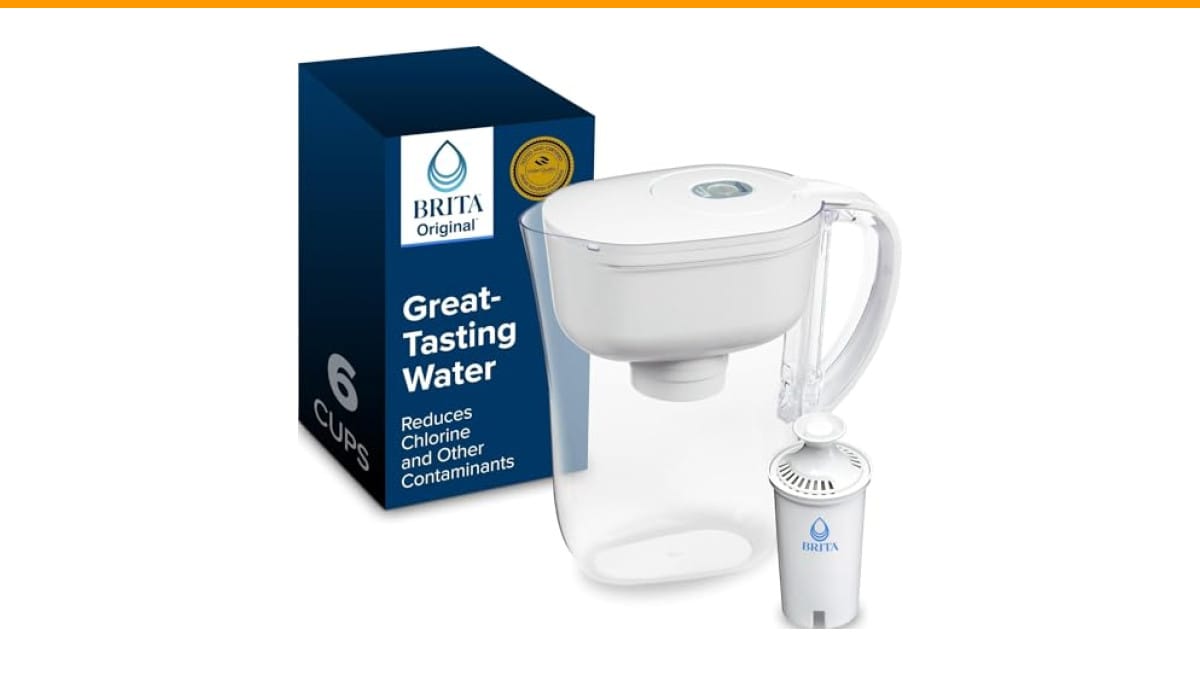
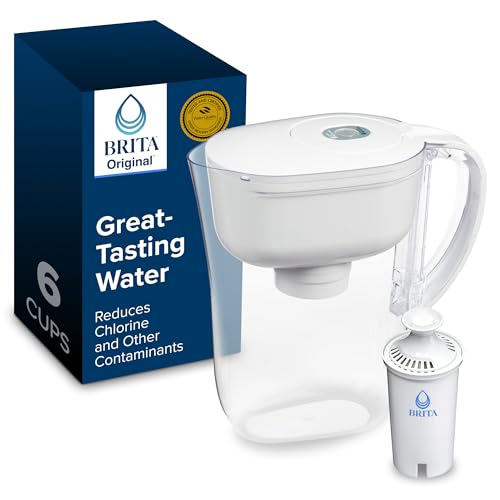
Brita Small 6-Cup Water Filter Pitcher, Includes…
- CERTIFIED WATER FILTRATION: WQA NSF/ANSI certified Brita Metro water filter pitcher reduces chlorine taste and odor, copper, mercu…
- SMARTLIGHT FILTER INDICATOR: Brita's most accurate and precise pitcher filter change indicator tells you exactly when to replace y…
- MINI-FRIDGE-FRIENDLY DESIGN: This 6-cup BPA-free water pitcher is space-efficient and fits in most mini-fridges; easy-fill lid mak…
As an Amazon Associate I earn from qualifying purchases.
This guide walks through what a pitcher filter actually does to your water, why some filtered water makes weak coffee, and how to adjust your routine. You will learn the exact steps to brew better coffee with the pitcher you already own.
If you are looking for a compact option, the Check Price on Amazon fits neatly in a mini-fridge and comes with one Standard filter. It is a solid starting point for anyone who wants better-tasting water without installing anything under the sink.
The Short Answer: Yes, But It Depends on Your Water
You can absolutely pour pitcher-filtered water into your coffee maker. Most people do. The caveat is that not all filtered water is created equal, and the type of filter you use changes the final flavor of your cup.
Standard pitcher filters use activated carbon. This material grabs chlorine, sediment, and some heavy metals like copper and mercury. What it does not do is remove dissolved minerals like calcium and magnesium. Those minerals are exactly what your coffee needs for proper extraction.
So if your tap water is hard (high mineral content), a pitcher filter will soften it slightly but leave enough minerals behind for a balanced brew. If your tap water is already soft, the filter will not change much. Either way, you are better off than using straight tap water in most cities.
The real issue appears when people use distilled or reverse osmosis water. Those methods strip out nearly everything, including the minerals that make coffee taste good. We will get to that in a moment.
Why Your Coffee Tastes Bad (It’s Probably the Water)
Chlorine is the most common culprit. Municipal water treatment plants add chlorine to kill bacteria. It does its job, but it also leaves a chemical taste and smell that carries straight into your cup. A pitcher filter with activated carbon removes most of that chlorine, which is why filtered coffee usually tastes cleaner right away.
Hard water is the second issue. High levels of calcium and magnesium cause scale buildup inside your coffee maker over time. That scale insulates the heating element, makes the machine work harder, and can leave a chalky film on your brew. If you have ever noticed white flakes floating in your coffee, that is scale.
Using filtered water from a pitcher reduces scale buildup compared to hard tap water. It will not eliminate it entirely, but it slows the process down significantly. You will still need to descale your machine every few months if you live in a hard water area.
The Role of Minerals and Total Dissolved Solids (TDS)
Total dissolved solids (TDS) is a measurement of everything dissolved in your water. This includes minerals, salts, and organic matter. Specialty coffee associations recommend a TDS range of 150 to 250 parts per million (ppm) for optimal extraction.
Below that range, coffee tastes flat and sour because the water cannot pull enough flavor compounds out of the grounds. Above that range, coffee tastes bitter and muddy because extraction goes too far. Most municipal tap water falls between 100 and 400 ppm, depending on where you live.
A pitcher filter typically reduces TDS by 10% to 30%. That means if your tap water is at 200 ppm, filtered water might drop to around 160 ppm. That is still within the sweet spot for coffee. The filter removes the bad stuff (chlorine, odors) while leaving the good stuff (minerals) mostly intact.
What a Pitcher Filter Removes (and What It Leaves Behind)
Activated carbon is the workhorse in most pitcher filters. It works through adsorption, which means contaminants stick to the surface of the carbon as water passes through. This process is excellent for removing chlorine, volatile organic compounds (VOCs), and any odd tastes or smells.
Some pitcher filters, including many Brita models, also use ion exchange resin. This catches heavy metals like lead and copper while releasing sodium ions into the water. The sodium amount is tiny and does not affect taste, but it does change the mineral balance slightly.
What a pitcher filter does not remove is fluoride, most pesticides, or dissolved minerals. You need reverse osmosis or distillation for that level of purity. For coffee, you do not want that level of purity anyway.
Chlorine vs. Hardness: The Real Culprits
Think of chlorine as the loud obnoxious guest at a party. It dominates every flavor it touches. A pitcher filter kicks that guest out, letting the subtle notes of your coffee beans finally show up.
Hardness is more like the furniture that is slightly too big for the room. It does not ruin the party immediately, but it causes damage over time. Scale buildup in your coffee maker is the furniture scratching the walls. Filtered water reduces that damage.
If you have very hard water (above 300 ppm), a pitcher filter alone may not be enough. You might need to blend filtered water with a small amount of tap water to keep mineral levels in the ideal range. More on that in the next section.
The “Over-Filtered” Trap: Why Distilled Water Makes Weak Coffee
Some people think distilled water is the purest choice for coffee. They are wrong. Distilled water contains zero minerals, which means it has no buffer for the acids in coffee. The result is a cup that tastes sharp, sour, and hollow.
Here is the science: coffee extraction relies on minerals in water to bind with flavor compounds. Without those minerals, the water acts like a solvent that pulls out only the most volatile acids. You get brightness without body, acidity without sweetness. It is a terrible cup.
Reverse osmosis (RO) water has the same problem. RO systems remove 90% to 95% of dissolved solids. Unless the system has a re-mineralization stage, the water is too aggressive for coffee. You would need to add a pinch of salt or a commercial mineral blend to make it work.
A pitcher filter never goes this far. It removes contaminants but leaves enough minerals behind. That is why it is a safe choice for coffee. You get the benefit of chlorine removal without the risk of over-filtering.
How to Use a Pitcher Filter for Coffee (Step-by-Step)
Using a pitcher filter for coffee is straightforward, but there are a few workflow tips that make a real difference.
- Fill the pitcher the night before. Filtering takes time. Most pitchers filter at a rate of about one cup per minute, and the water needs to pass through the reservoir. If you fill it right before brewing, you will wait longer than your coffee maker does.
- Use cold water. Hot water passes through the filter faster, but it can cause the carbon to release trapped contaminants. Always fill your pitcher with cold tap water and let it come to room temperature naturally.
- Shake or stir before pouring. Minerals can settle at the bottom of the pitcher overnight. A quick swirl redistributes them evenly.
- Pour into the coffee maker reservoir. Do not heat the filtered water in a kettle first unless your coffee maker is a pour-over setup. Most drip machines heat the water themselves.
Blending Tap and Filtered Water for the Perfect Brew
If your tap water is very soft (below 100 ppm), you might get better results by blending. Fill your pitcher with 75% filtered water and 25% tap water. The tap water adds back some minerals that the filter removed.
If your tap water is very hard (above 300 ppm), do the opposite. Use 75% filtered water and 25% tap water. This keeps total dissolved solids in the sweet spot while still reducing scale buildup.
This blending trick is a favorite among specialty coffee enthusiasts. It costs nothing and takes ten seconds. Try it side by side with straight filtered water and see which cup you prefer.
Pitcher Filter vs. Other Filtration Methods for Coffee
Pitcher filters are not the only option. Under-sink systems, countertop filters, and bottled water all have their place. The right choice depends on your budget, your space, and how much coffee you brew.
Under-sink systems like reverse osmosis give the purest water but require installation and often waste several gallons of water for every gallon filtered. Countertop filters sit on the counter and connect to your faucet, which works well but takes up space.
Bottled spring water is a convenient option, but it gets expensive fast. A 16.9-ounce bottle costs around a dollar. If you brew a 6-cup pot every morning, that is roughly $3 a day, or over $1,000 a year. A pitcher filter costs a fraction of that.
Cost, Speed, and Convenience Comparison
| Method | Upfront Cost | Ongoing Cost | Filter Speed | Best For |
|---|---|---|---|---|
| Pitcher filter | Low ($20–$40) | $5–$10 per filter (every 2 months) | 1–2 minutes per fill | Most home coffee drinkers |
| Under-sink RO | High ($200–$600) | $50–$100 per year for filters | Instant (storage tank) | People with very hard water |
| Countertop filter | Medium ($50–$150) | $30–$60 per year | Instant (direct connection) | Renters who cannot modify plumbing |
| Bottled spring water | Low ($5 for a case) | $1,000+ per year | Instant | Occasional brewing, not daily |
For most home users, a pitcher filter hits the sweet spot. It is cheap, requires no installation, and produces water that is good enough for excellent coffee. The main downside is speed. You need to plan ahead by filling the pitcher the night before.
Maintenance: Don’t Let Your Filter Ruin Your Morning
A neglected filter is worse than no filter at all. Once the activated carbon is saturated, it stops removing chlorine and can even release trapped contaminants back into the water. Your coffee will taste worse than if you used tap water.
Most pitcher filters last about 40 gallons or two months, whichever comes first. If you brew a full pot every day, you will likely hit the 40-gallon mark closer to six weeks. Set a reminder on your phone or use a filter with an indicator light.
Some Brita pitchers have a SmartLight indicator that tracks how much water has passed through. It changes color when it is time to replace the filter. If your pitcher does not have this feature, write the date on the filter when you install it.
Also, rinse the pitcher itself every couple of weeks. Mineral film can build up on the plastic, especially if you have hard water. A quick wash with mild soap and warm water keeps things fresh.
Bottom Line: Is It Worth It?
Yes, using filtered water from a pitcher for coffee is worth it, provided you understand the limitations. You get chlorine removal, reduced scale buildup, and better-tasting coffee for a low upfront cost. You do not get the mineral control of a specialty water recipe, but you do not need that for a great daily cup.
- Use cold tap water in your pitcher and fill it the night before brewing.
- Do not use distilled or RO water unless you add minerals back.
- Replace the filter every 40 gallons or two months, whichever comes first.
- If your water is very hard or very soft, blend filtered and tap water.
- Rinse the pitcher weekly to prevent mineral film.
- Check the current price of a Brita pitcher on Amazon if you do not own one yet.
Your coffee maker will thank you with fewer scale problems, and your taste buds will notice the difference immediately. It is not a miracle cure for bad beans, but it removes the water variable so you can actually taste what you are brewing.
For more troubleshooting, check out our guide on coffee maker issues if your machine stops working properly. And if you are curious about other kitchen hacks, see our take on microwave safety for common mistakes.
Products related to this article
Sponsored / affiliate links. As an Amazon Associate I earn from qualifying purchases. I may earn additional commission from eligible campaigns.
 Quick Heating Cup Warmer, Three Temperature Settings, Splashproof and Portable, for Coffee, Milk, Lightweight ABS Material
 SOLUSTRE Electric USB Coffee Cup Warmer with Temperature Settings Portable Milk and Beverage Heating Coaster for Office Desk Small Lightweight Design Easy to Clean Surface Multi Functional
 Stainless Steel Moka Pot Coffee Filter Disc for Espresso Brewing, Coffee Maker Replacement Filter Plate for Home Office Coffee Bar Cafe (FOR 4 Cups)