The morning routine hits a snag when your pour-over tastes flat or your drip machine takes forever to fill. You check the beans, the grind, the water temperature. Then it hits you: the water filter pitcher might be the problem. It happens more often than people think. A filter that looks fine can silently ruin a batch of coffee.
This guide covers the usual suspects behind a sluggish, noisy, or foul-tasting pitcher. You’ll learn what actually causes these failures, how to fix them without replacing the whole unit, and when it’s genuinely time for a new filter. I’ve tested these steps on multiple pitcher styles, including the compact models people keep on their counter next to the grinder.
BRITA
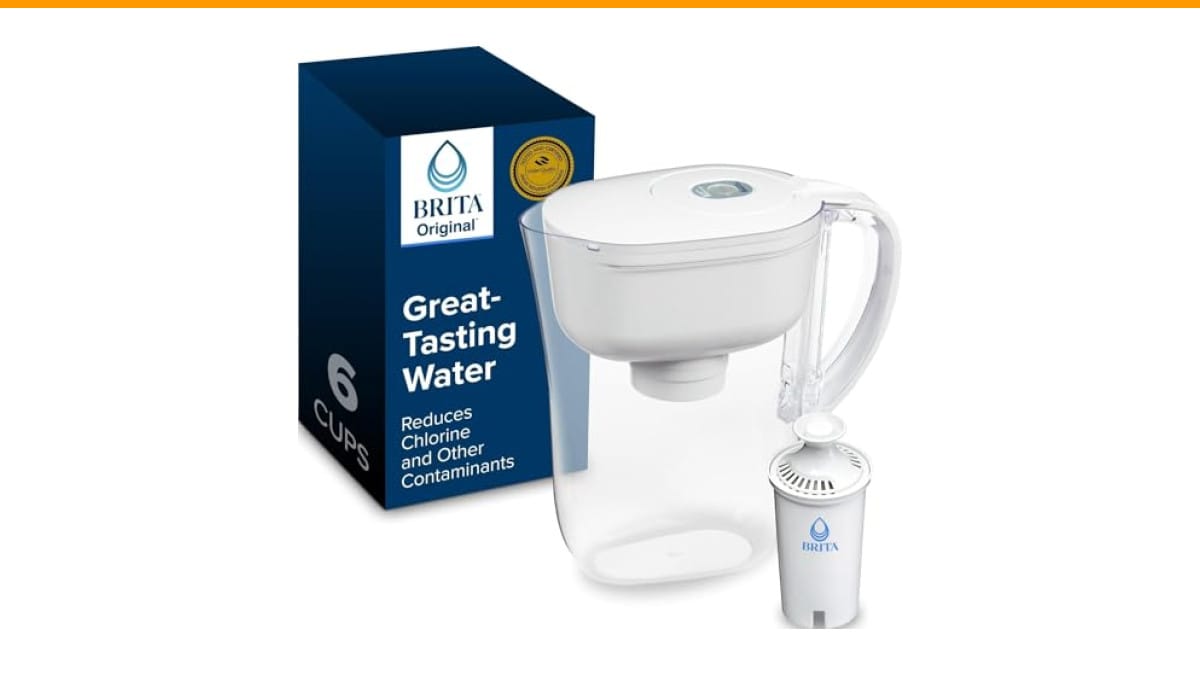
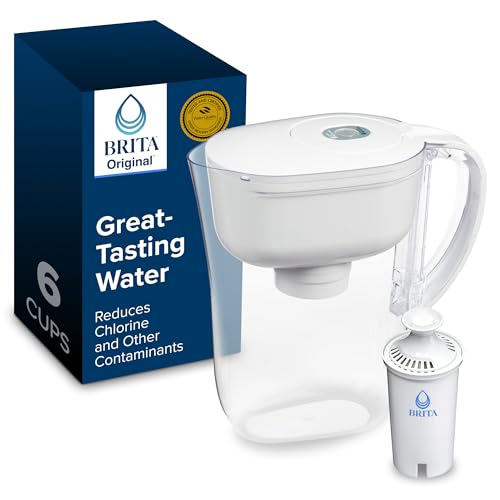
Brita Small 6-Cup Water Filter Pitcher, Includes…
- CERTIFIED WATER FILTRATION: WQA NSF/ANSI certified Brita Metro water filter pitcher reduces chlorine taste and odor, copper, mercu…
- SMARTLIGHT FILTER INDICATOR: Brita's most accurate and precise pitcher filter change indicator tells you exactly when to replace y…
- MINI-FRIDGE-FRIENDLY DESIGN: This 6-cup BPA-free water pitcher is space-efficient and fits in most mini-fridges; easy-fill lid mak…
As an Amazon Associate I earn from qualifying purchases.
Let’s get your water flowing again so you can get back to brewing.
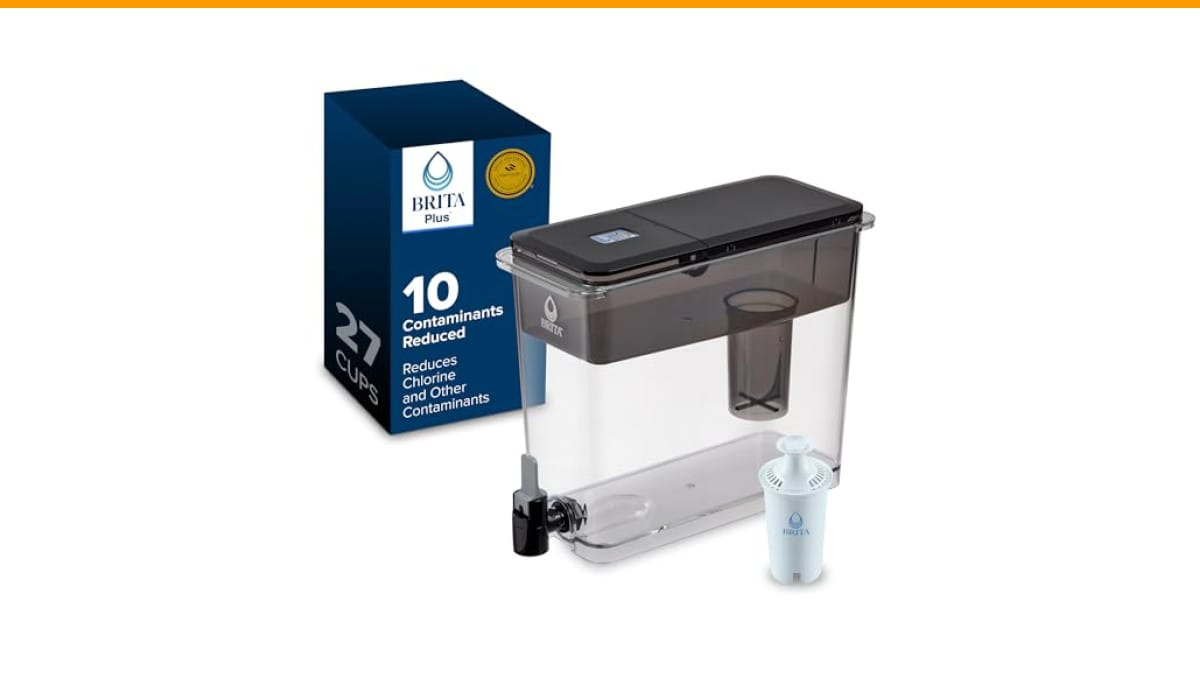
If you need a fresh start, the Brita Small 6-Cup Water Filter Pitcher is a solid choice for small kitchens and dorm rooms. It uses the same Standard filter as larger models, so you’re not locked into a weird proprietary cartridge.
Myth: A Slow Drip Means the Filter Is Dirty
Most people assume a slow filter equals a clogged filter. That’s often wrong. A brand-new filter can drip painfully slow for the first few pitchers. That’s normal. The carbon fines and air pockets inside the fresh media need to settle. You should run two full pitchers through it before you ever brew coffee with it.
If the filter has been in use for a few weeks and suddenly slows down, check the water temperature. Cold water below 50°F moves through carbon much slower than room-temperature water. Let the pitcher sit on the counter for ten minutes before filling it. You’ll see a noticeable difference in flow rate.
Another overlooked cause is air lock. When you pour water in too fast, air gets trapped under the filter head. The water pools on top and barely trickles through. Fix it by lifting the filter out, tilting it slightly, and re-seating it. Then pour water in a slow, steady stream.
Myth: You Can Wash the Filter to Make It Last Longer
Some people rinse the filter under the tap or scrub the outside mesh to restore flow. That does nothing for the internal media. The carbon block inside is what catches contaminants, and once it’s saturated, no amount of rinsing brings it back. You’re just wetting the outside plastic housing.
The real enemy is time, not just volume. Most standard filters are rated for 40 gallons or about two months. If you use the pitcher for coffee daily, you’ll hit that limit faster than you think. A typical 6-cup pitcher holds about 1.5 liters. That means roughly 100 fills before the filter is spent. Track your usage. If you’re filling it three times a day, two months is optimistic.
When the filter is exhausted, the water may taste flat or slightly metallic. That’s your cue to replace it, not to clean it. Trying to extend a dead filter will only make your coffee taste worse.
The Slow Flow Fix: A Step-by-Step Method
Here’s a process I use when a pitcher starts acting up. It covers the mechanical issues before you give up on the filter.
- Empty the reservoir. Dump out any standing water. Stale water can grow bacteria and slow the flow.
- Remove the filter cartridge. Shake it gently over the sink. If you hear rattling, the media has broken down. Replace it.
- Check the filter seat. Look for a rubber gasket or O-ring. If it’s warped or missing, water bypasses the filter and flows around it. That ruins your coffee quality and makes the pitcher look like it’s working when it isn’t.
- Soak the filter in cold water. Submerge it upside down for 10 minutes. This releases trapped air from the internal channels. Reinstall it and pour a test batch.
- Clean the pitcher lid. The easy-fill lid on models like the Brita Metro collects dust and coffee grounds if you’re not careful. A quick rinse with dish soap fixes any residue that might be blocking the vent hole.
If the flow is still painfully slow after this, the filter is likely exhausted. Don’t fight it. Replace the cartridge.
When the Water Tastes Bad: Filter vs. Pitcher Problem
A bad taste doesn’t always mean the filter is dead. Sometimes the pitcher itself is the culprit. Plastic pitchers absorb odors over time, especially if you’ve stored juice or tea in them. The plastic walls can hold onto those flavors and leach them back into your water.
Wash the pitcher with warm water and a mild detergent. Avoid harsh scrubbers that scratch the plastic. Scratches give bacteria a place to hide. If the plastic smells even after a good wash, try a vinegar rinse. Fill the pitcher with one part white vinegar to three parts water, let it sit for 30 minutes, then rinse thoroughly.
Also check your tap water. If your source water has high chlorine or sulfur content, the filter may be working overtime. You’ll notice the filter needs replacing more often. That’s not a defect; it’s a sign you need a more robust filtration system for your coffee setup.
For those dealing with persistent scale buildup in their coffee maker, the pitcher won’t solve that. You’ll need to address the machine directly. Check out our guide on descaling coffee machines for the proper procedure.
Here’s a quick comparison of what to check first when things go wrong:
| Symptom | Likely Cause | Quick Fix | Time to Fix |
|---|---|---|---|
| Very slow drip | Air lock in new filter | Run 2 pitchers through it | 10 minutes |
| Sudden slowdown | Cold water temperature | Let water warm to room temp | 5 minutes |
| Metallic taste | Exhausted filter media | Replace the cartridge | 2 minutes |
| Plastic smell | Odor absorption in pitcher | Vinegar soak and rinse | 30 minutes |
| Water bypasses filter | Warped gasket or seat | Re-seat or replace gasket | 5 minutes |
Why Your Coffee Still Tastes Off After Fixing the Pitcher
You’ve replaced the filter, cleaned the pitcher, and the flow is perfect. The coffee still tastes wrong. The problem might not be the pitcher at all. It could be your coffee maker’s internal lines. A dirty machine will ruin filtered water in seconds.
Mineral scale and old coffee oils build up inside the boiler and tubing. These deposits alter the water chemistry and add bitter, burnt notes to your brew. The pitcher can’t fix that. You need to clean the machine itself. We have a full guide on cleaning your coffee maker that covers the steps in detail.
Another angle: the filter may be removing too much. Some filters strip out beneficial minerals that give coffee its body and sweetness. If your coffee tastes hollow or flat, try a filter that preserves more minerals, or mix filtered water with a small amount of tap water. It sounds counterintuitive, but it works.
Also consider your grind size. A filter pitcher won’t fix a grind that’s too fine for your brew method. That’s a separate variable. Focus on one issue at a time.
Preventive Maintenance: Keep It Running Smooth
The best fix is the one you never need. Set a reminder to replace the filter every two months, not when you notice a problem. Write the date on the filter with a marker when you install it. That simple habit saves you from guessing.
Store the pitcher away from direct sunlight. UV rays degrade plastic and can promote algae growth inside the reservoir. Keep it in a cabinet or a shaded part of the counter.
If you only use the pitcher for coffee, consider dedicating one pitcher to that purpose. Don’t switch between juice and coffee in the same unit. The flavors will linger no matter how well you clean it.
Regular maintenance of your brewing equipment goes hand in hand with a good water source. If you’re dealing with scale issues in your machine, read our piece on maintaining your coffee machine for long-term care tips.
Frequently Asked Questions
How often should I replace the filter in my pitcher?
Every 40 gallons or about two months, whichever comes first. If you brew coffee daily, you’ll likely hit the two-month mark before the gallon count. Mark your calendar.
Why is my new filter making the water taste like charcoal?
That’s carbon fines. They’re tiny particles of activated carbon that wash off during the first use. Run two full pitchers through the filter and discard that water. The taste usually clears up after that.
Can I put my water filter pitcher in the dishwasher?
No. The heat and detergent will warp the plastic and destroy the filter cartridge. Hand wash only with mild soap and warm water.
Does cold water filter slower than warm water?
Yes. Cold water is more viscous, so it moves through the carbon block slower. If your tap runs very cold, let the water sit in the pitcher for a few minutes before expecting a fast flow.
Is it safe to use a filter past its expiration date?
It won’t make you sick, but it won’t filter anything either. The carbon becomes saturated and stops removing contaminants. You’re basically drinking unfiltered tap water at that point. Replace it.
What to Remember Next Time
- Slow flow on a new filter is normal. Flush it twice before brewing.
- Air locks cause sudden slowdowns. Re-seat the filter and pour slowly.
- You can’t clean a spent filter. Replace it on a schedule.
- Bad taste often comes from the pitcher plastic, not the filter. Vinegar soak fixes it.
- Check the gasket. A warped seal lets unfiltered water through.
- If coffee still tastes off, clean your coffee maker, not just the pitcher.
- Keep one pitcher dedicated to water only. Don’t cross-contaminate flavors.
Water quality is half the battle in making good coffee. The other half is consistent brewing habits. A working pitcher gets you most of the way there. The rest is up to your technique.
Products related to this article
Sponsored / affiliate links. As an Amazon Associate I earn from qualifying purchases. I may earn additional commission from eligible campaigns.
 Cascade Platinum Plus Dishwasher Detergent Pods Dish Soap Lemon 57 Count
 SOLUSTRE Electric USB Coffee Cup Warmer with Temperature Settings Portable Milk and Beverage Heating Coaster for Office Desk Small Lightweight Design Easy to Clean Surface Multi Functional
 Quick Heating Cup Warmer, Three Temperature Settings, Splashproof and Portable, for Coffee, Milk, Lightweight ABS Material