You just finished dialing in a new bag of beans. The grind looked perfect, the shot pulled at 28 seconds, and then you noticed it: the scale’s display is smudged with dried coffee oils, and the buttons feel a little sticky. It’s a small tool, but it’s the one you trust for every brew. A dirty scale isn’t just an eyesore; it can actually throw off your measurements if the sensors get clogged or the touchpad starts acting up.
This guide covers the safe way to clean a coffee scale with a built-in timer. You’ll learn what to use, what to avoid, and how to keep the internal electronics dry. We’ll also touch on why regular cleaning matters for consistency, not just looks.

IMPRESA
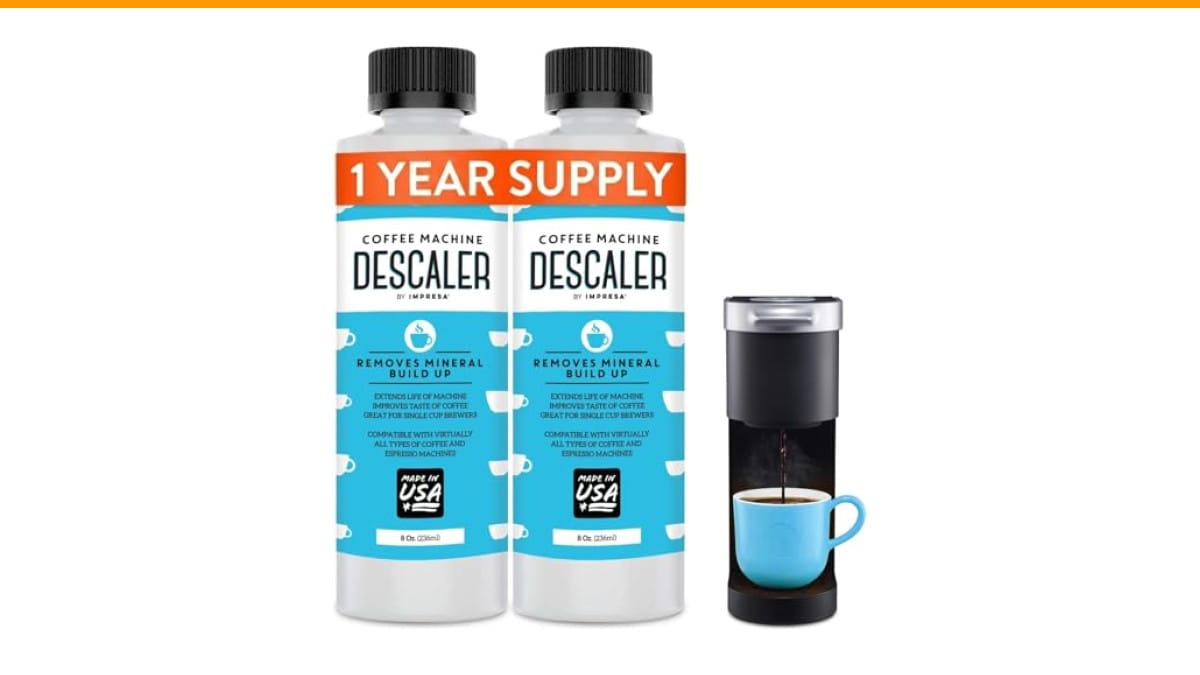
IMPRESA Coffee Machine Descaler, 2-Pack (1-Year Supply)…
- 2-Pack Coffee Descaler and Cleaner - Clean and rinse away residue and oil buildup in your coffee maker with Impresa's Coffee Desca…
- Highly Effective, Made in USA Formula - Unlike most common solutions, our coffee machine cleaner uses just 4 ounces (1/2 bottle) p…
- Preserves Your Machine - Using a coffee descaling solution eliminates limescale and mineral build-up to prevent corrosion, signifi…
As an Amazon Associate I earn from qualifying purchases.
Why a Dirty Scale Messes With Your Coffee
Most people don’t think about scale maintenance until something goes wrong. But coffee grounds and fine dust get under the weighing platform. Water from a rinsed portafilter can seep into the seams. Over time, that buildup affects the load cells, which are the tiny components that measure weight.
You might notice the reading drifts. You zero out the scale, add 18 grams, and it shows 18.2. Then you remove the portafilter, put it back, and it reads 17.8. That’s a classic sign of debris interfering with the sensor. A clean scale gives you consistent readings, which means your brew ratio stays on point.
There’s also the timer function to consider. The buttons on these scales are usually membrane switches or touch-sensitive pads. If coffee syrup gets under the button, it can stick or stop registering presses. Cleaning the surface regularly prevents that sticky-button problem from ever starting.
The Right Way to Clean a Coffee Scale with Timer
First, check your scale’s manual if you still have it. Some brands have specific instructions. If you don’t have the manual, this general method works for most models on the market, from cheap pocket scales to pricier barista versions.
Here’s the step-by-step process I use after testing several different scales side by side:
- Power it off and remove batteries. This is non-negotiable. You don’t want a short circuit while you’re wiping down the board.
- Dry dust first. Use a soft, dry brush or a can of compressed air to blow out loose grounds from the crevices around the platform and buttons.
- Dampen a microfiber cloth. Not wet. Damp. Wring it out until no water drips. Wipe the entire surface, including the display and the weighing platform.
- Use a cotton swab for the edges. Dip a swab in a tiny bit of isopropyl alcohol (70% or higher) and run it along the seams where the platform meets the body. This cuts through coffee oil that water won’t touch.
- Let it air dry completely. Leave it on a counter for at least 15 minutes before putting the batteries back in. If you’re impatient, you’ll risk moisture inside.
That’s the core routine. It takes about five minutes and should happen every couple of weeks if you brew daily. If you’re a weekend-only brewer, once a month is probably fine.
For a deeper clean, you can remove the weighing platform if it’s detachable. Some scales have a top plate that lifts off. If yours does, wash that piece in warm soapy water, rinse it, and dry it thoroughly before snapping it back on. Never submerge the main body of the scale.
What Not to Use on a Coffee Scale
I’ve seen people grab a spray bottle of kitchen cleaner and go to town. That’s a mistake. Most all-purpose cleaners are too aggressive and can strip the coating on the display or leave a residue that attracts more dust.
Avoid these things entirely:
- Submerging in water — even if the scale claims to be water-resistant, the timer buttons and internal electronics aren’t sealed like a phone.
- Bleach or ammonia-based cleaners — these can discolor plastic and corrode metal contacts.
- Paper towels — they’re abrasive and leave lint behind. Microfiber is the only thing that should touch the display.
- Scouring pads — you’ll scratch the surface and create little grooves where coffee dust collects forever.
The alcohol and damp cloth approach works for 99% of situations. If you have a truly sticky mess, like dried honey or syrup, let the damp cloth sit on the spot for a minute to soften it before wiping.
One thing I learned the hard way: don’t use a degreaser on the weighing platform. It can seep into the load cell mechanism and mess with calibration. Stick to mild soap and water if you remove the platform, and dry it completely.
Comparing Cleaning Methods for Different Scale Types
Not all coffee scales are built the same. Some have sealed touch panels, others have physical buttons, and a few have exposed screw holes on the bottom. Here’s a quick comparison of how to approach each type.
| Scale Type | Cleaning Method | Drying Time | Risk Level |
|---|---|---|---|
| Sealed touch panel (flat surface) | Damp microfiber cloth + alcohol swab on edges | 10 minutes | Low |
| Physical rubber buttons | Dry brush first, then damp cloth; use toothpick to clean button grooves | 15 minutes | Medium |
| Detachable weighing platform | Remove top, wash in soapy water, wipe base with damp cloth | 30 minutes (platform must dry fully) | Medium |
| Budget pocket scale (no seals) | Careful wipe only; avoid liquid near the bottom seam | 20 minutes | High |
If you’re unsure which type you own, look at the bottom. Screws visible on the underside mean it’s not sealed. Treat it gently. For sealed models, you have more leeway, but you still shouldn’t soak it.
I’ve tested scales from $15 to $200, and the cleaning routine doesn’t change much. The expensive ones have better seals, but they still fail if you leave wet coffee grounds sitting on them overnight. A quick wipe after each session is the cheapest insurance you can buy.
How Descaler Fits Into the Picture
Your scale doesn’t need descaling — that’s for the machine itself. But if you’re already cleaning your espresso machine, it’s smart to do the scale at the same time. That way, you’re not handling wet tools twice.
For the machine, a good descaler like the IMPRESA Coffee Machine Descaler handles limescale and mineral buildup that water alone can’t touch. It’s a two-pack, which covers about a year of regular descaling sessions. The scale just needs a dry wipe and an alcohol swab, not a chemical treatment.
If you’re curious about the full routine for your coffee maker, check our descaling guide for the step-by-step process. The scale is a separate tool, but it lives in the same workflow, so keeping both clean means your whole setup is consistent.
Common Questions About Cleaning a Coffee Scale with Timer
Can I wash the weighing platform in the sink?
Only if it detaches completely. Many scales from brands like Acaia and Felicita have removable tops. If yours comes off without tools, wash it in warm water with a drop of dish soap. Dry it with a towel and let it sit for 20 minutes before reattaching. If the platform doesn’t come off, don’t force it — you’ll bend the load cell.
What if coffee gets inside the button openings?
Turn the scale upside down and tap it gently to dislodge loose grounds. Then use a dry toothbrush to brush out the openings. For sticky residue, dip a toothpick in isopropyl alcohol and carefully scrape around the button edges. Let it dry before using the scale.
How do I know if my scale needs recalibration after cleaning?
Place a known weight on it — a nickel weighs exactly 5 grams. If the scale reads 5.0, you’re fine. If it reads 5.1 or 4.9, you may have gotten moisture in the sensor. Let it dry for another hour and test again. If it’s still off, check the manual for a calibration mode, which usually involves holding a button and placing a weight.
Is it safe to use a vinegar solution on the scale?
No. Vinegar is acidic and can damage the plastic housing and the display coating. Use isopropyl alcohol for oil and a damp cloth for general dirt. Vinegar belongs in your coffee maker, not on your scale. For more on that, read our guide on cleaning a coffee maker with vinegar.
How often should I clean the scale if I brew daily?
Wipe the surface with a dry cloth after every use. Do a full damp wipe-down with alcohol once a week. If you pull multiple shots a day, you’ll see buildup faster, so adjust to every five days. The goal is to never let coffee oils dry onto the surface.
What to Remember for a Longer-Lasting Scale
- Always power off and remove batteries before any wet cleaning.
- Use a damp microfiber cloth, not a soaking wet one.
- Isopropyl alcohol on a cotton swab handles the tough coffee oil around buttons and seams.
- Dry the scale completely — at least 15 minutes — before reinstalling batteries.
- Never submerge the body, even if the platform is removable.
- Test calibration with a nickel after deep cleaning.
- Pair your scale cleaning with a deep clean of your coffee machine to keep the whole workflow hygienic.
Cleaning a coffee scale with timer isn’t complicated. It’s a five-minute habit that prevents sticky buttons, drifting readings, and premature sensor failure. Your scale is the most accurate tool on your counter. Treat it like one, and it’ll stay reliable for years.
Products related to this article
Sponsored / affiliate links. As an Amazon Associate I earn from qualifying purchases. I may earn additional commission from eligible campaigns.
 Clean Up Kitchen Oil Stains Spray, Heavy Duty Kitchen Cleaner for Tough Grease - Foaming Degreaser Spray for Stovetops, Ovens & Appliances, No-Scratch Formula, Multi-Surface Use (16.9 Fl Oz)
 HomeBeyond Espresso Coffee Maker 12 Cups, Classic Stovetop Espresso Maker, 600ml / 20oz Coffeemaker for Gas & Ceramic Stovetops (Silver)
 Coffee Espresso Machine Handle Replacement Parts, Cafe Bracket Handle for Lidl Silvercrest CM4621 CM4218 KF5002 KF500S Barista (for 51mm Portafilter Basket - Not included)