You pull a shot that looks perfect. Golden crema, thick stream, proper weight. Then you taste it. Sour, bitter, or just flat. The machine is fine. The beans are fresh. The problem is the film of rancid coffee oil coating the group head and the stale residue inside the portafilter. That’s what happens when cleaning gets pushed to ‘later’ one too many times.
This article lays out a practical, machine-agnostic maintenance plan. You’ll get specific timelines for daily, weekly, monthly, and quarterly tasks. You’ll learn the difference between backflushing and descaling, and why mixing them up ruins equipment. You’ll also see the actual repair costs that pile up when you skip a 10-minute routine. By the end, you’ll have a schedule you can stick to without obsessing over it.

Urnex
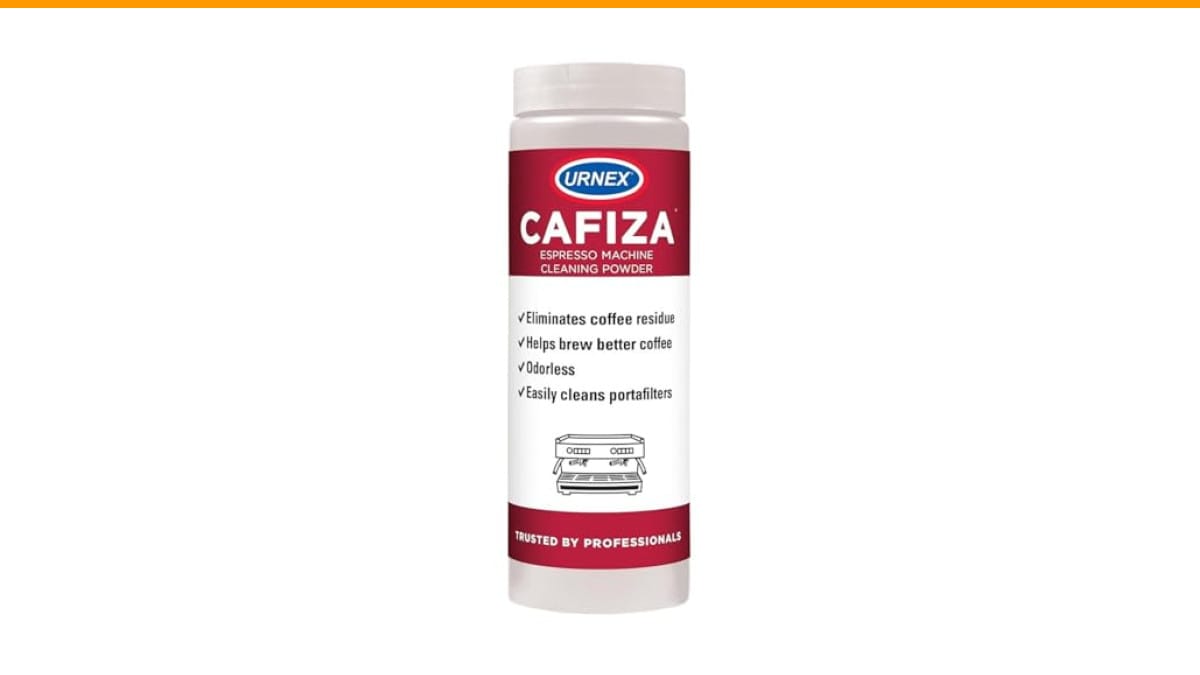
Urnex Espresso Machine Cleaning Powder - 566…
- Eliminates coffee residue and oils from espresso machine group heads, valves and lines
- Specially formulated to clean heavily soiled equipment in a professional setting
- Powder format allows for easy and controlled dosing
As an Amazon Associate I earn from qualifying purchases.
For the weekly backflush, a dedicated cleaning agent makes the job faster and more effective. The Check Price on Amazon is the standard in most cafes for a reason. It breaks down coffee oils on group heads, valves, and lines without scratching metal parts. A small scoop in a blind basket handles the heavy lifting.
Why Your Espresso Machine Fails (The Real Cost of Skipping Cleanings)
Espresso machines don’t die from old age. They die from neglect. Coffee oils oxidize into a sticky, tar-like residue that hardens inside the group head and on the shower screen. That buildup restricts water flow, which throws off your brew pressure and extraction time. The result is inconsistent shots that taste hollow or burnt.
Milk residue is another killer. Steam wands that aren’t purged and wiped after every use develop a crust of dried milk protein. That crust blocks steam pressure, making frothing weak and slow. Worse, it harbors bacteria that can spoil your milk pitcher’s contents before you even pour.
Here’s the financial reality. A new shower screen costs about $15. A replacement gasket runs $10 to $20. A full descaling service at a repair shop? That’s $100 to $200 in labor alone. A blown three-way valve or a cracked boiler from scale buildup? That’s a $300 to $500 repair bill. Compare that to a $12 jar of cleaning powder and 30 minutes of your time each month.
| Neglect Scenario | Typical Repair Cost | Preventive Cost |
|---|---|---|
| Clogged shower screen and group head | $80 – $150 labor | $12 cleaner + 10 min/week |
| Scale-clogged boiler or thermoblock | $200 – $400 parts & labor | $15 descaler + 1 hour/quarter |
| Burnt-out steam wand tip | $40 – $70 part replacement | 5 sec purge after each use |
| Hardened gasket causing leaks | $25 part + $50 labor | $5 food-grade grease + yearly check |
The math is simple. Routine cleaning costs less than one service call. And it keeps your shots tasting like the beans, not like the inside of an old oil pan.
The Ultimate Cleaning Schedule (Daily, Weekly, Monthly, Quarterly)
This schedule works for manual lever machines, semi-automatics like a Gaggia Classic, and super-automatics. The times are real-world estimates, not marketing numbers.
Daily (2 Minutes): Purge, Wipe, and Rinse
Right after your last shot, pull the portafilter out and knock the puck into the knock box. Run a blank shot (no coffee) through the group head for 3 to 4 seconds. This flushes loose grounds and oils off the shower screen.
Steam wand first. Purge it for 2 seconds into a rag to blow out any milk that got sucked back in. Then wipe the entire wand down with a damp cloth. If your machine has a dedicated steam tip cleaning hole, use the pin tool that came with it to clear any clogs.
Leave the portafilter locked in the group head but empty. That keeps the gasket compressed and prevents it from drying out and cracking.
Weekly (10 Minutes): Backflush and Portafilter Soak
If your machine has a three-way solenoid valve (most semi-automatics do), you need to backflush. Put a blind basket in the portafilter, add a half scoop of cleaning powder, and lock it in. Run the brew cycle for 10 seconds, stop, wait 30 seconds, then run it again. Repeat this cycle 4 to 5 times. The last cycle should run until the water runs clear.
Remove the blind basket and soak it in warm water with a drop of dish soap. Also soak the regular basket and the shower screen if you can pop it out. Scrub the group head gasket gently with a soft brush to remove any film. Rinse everything thoroughly and reassemble.
If your machine doesn’t have a three-way valve (like some entry-level models), skip the backflush. Instead, just run a few blank shots and wipe the group head area with a damp cloth.
Monthly (30 Minutes): Deep Clean and Descaling Prep
Take the shower screen off completely. Soak it in a small bowl with warm water and a drop of dish soap for 15 minutes. Scrub it with a soft toothbrush to get the coffee oils out of the tiny holes. Check the gasket for cracks or hardening while it’s off.
Fill the water tank with a descaling solution diluted per the manufacturer’s instructions. Run a full tank through the machine as if you were making a large pot of hot water, but stop halfway and let the machine sit for 20 minutes. This loosens scale inside the boiler or thermoblock. Then continue running the tank through, followed by two full tanks of fresh water to rinse.
This monthly descale is critical if you live in an area with hard water. If you use a water softener or filtered water, you can stretch this to every 6 to 8 weeks.
Quarterly (1 Hour): Gasket Inspection and Full Descaling
Once every three months, do a complete descaling with a commercial descaler, not just a mild solution. Remove the shower screen and soak it separately. Run the full descaling cycle as described above, but let the solution sit in the boiler for a full 30 minutes before flushing.
Inspect the group head gasket closely. If it’s flat, cracked, or shiny, replace it. A worn gasket causes water to leak around the portafilter and ruins your pressure. While you’re in there, apply a thin layer of food-grade silicone grease to the gasket to keep it pliable.
Check the water filter inside the reservoir. If it’s been 3 months, replace it. If you don’t use one, consider it—filtered water dramatically reduces scale buildup.
How to Backflush (Step-by-Step for 3-Way Valve Machines)
Backflushing is the single most important habit for espresso machine longevity. It cleans the internal valve that releases pressure after each shot. If that valve gets clogged with oil, your machine will stop releasing pressure properly, and you’ll get a messy, watery portafilter after every shot.
- Insert the blind basket into your portafilter. It has no holes, so water backs up into the group head.
- Add a small scoop (about 1 gram) of espresso cleaning powder. Don’t overdo it—too much creates excessive foam that can overflow.
- Lock the portafilter into the group head.
- Start the brew cycle. Let it run for 10 seconds.
- Stop the cycle. Wait 30 seconds. This lets the solution soak the internal valve.
- Repeat steps 4 and 5 four to five times total.
- On the last cycle, let it run until the water coming out is completely clear.
- Remove the portafilter, rinse the blind basket, and run a final blank shot with no powder to flush the system.
That’s it. Ten minutes once a week. Your shots will taste cleaner and your machine will pull consistent pressure for years.
Descaling 101: How Often and Which Solution to Use
Descaling is separate from backflushing. Backflushing removes coffee oil; descaling removes mineral scale. You need both.
How often depends on water hardness. Soft water (under 60 ppm) needs descaling every 3 months. Hard water (over 150 ppm) needs it every 4 to 6 weeks. Most municipal tap water in the US falls in the 100-200 ppm range, so monthly is a safe bet.
What solution should you use? Commercial descalers like Urnex Dezcal or Cafiza’s descaling powder use a blend of acids that dissolve scale quickly and rinse clean. Citric acid works too, and it’s cheaper, but it’s slower and can leave a faint citrus residue if not rinsed thoroughly. Vinegar is the worst choice—it’s weak, it leaves a smell, and it can damage rubber seals over time.
My honest take: spend the few extra dollars on a commercial descaler. The results are more consistent, and you don’t have to worry about residue. Your machine’s manufacturer likely recommends a specific brand—use that one to avoid warranty disputes.
Cleaning Machines with Built-In Grinders (Avoid These Mistakes)
Machines like the Breville Barista Pro or the Philips 3200 have a grinder built into the top. The grinder is the most common point of failure on these units, and most of it comes from improper cleaning.
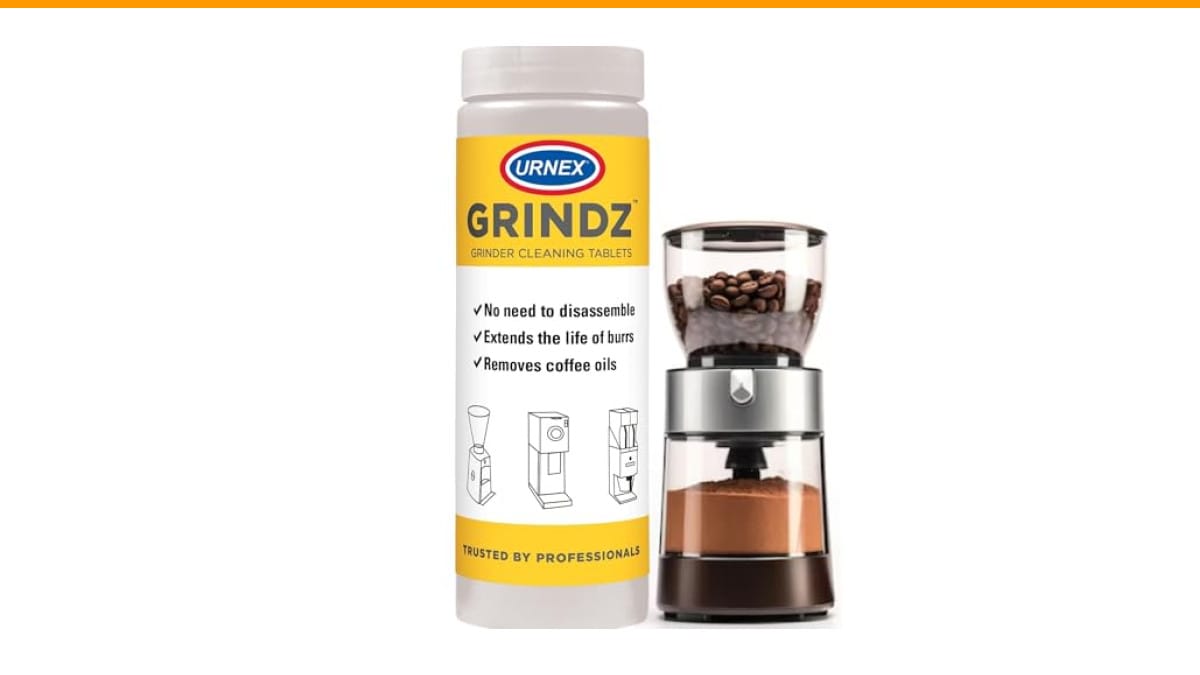
Never run water through the grinder. It’s not designed to handle moisture. Instead, use a grinder cleaning tablet (like Urnex Grindz) or a small amount of uncooked white rice. Run it through the grinder on a coarse setting to absorb and pull out old coffee oils. Then grind a few grams of fresh coffee to clear it out.
Empty the hopper and wipe it down with a dry cloth weekly. The burrs themselves need a deep clean every 2-3 months. Remove the upper burr and brush it with a stiff brush. Don’t use water or soap on the burrs—it causes rust.
The brew group on super-automatics also needs attention. It’s the removable plastic piece that holds the coffee grounds. Rinse it under warm water daily and let it air dry completely before reinstalling. Most models have a cleaning cycle you can run with a specific tablet—use it monthly.
The Warranty Trap: What NOT to Do
Most espresso machine warranties are voided by two things: using the wrong cleaning chemicals and failing to maintain the machine per the manual.
Don’t use a descaler that the manufacturer doesn’t approve. Many brands specify a particular type (citric acid vs. sulfamic acid). Using the wrong one can corrode the boiler or void the warranty. Check the manual’s exact wording.
Don’t ignore the water filter. If your machine has a built-in water filter and you don’t replace it, the machine can’t tell you. Scale will build up silently, and when it fails, the warranty claim gets denied because you didn’t follow the maintenance schedule.
Don’t use abrasive scrubbers on the group head or shower screen. They scratch the metal, which creates rough spots where coffee oils cling even harder. Stick to soft brushes and microfiber cloths.
Quick Troubleshooting: Bad Shots, Low Pressure, or Weird Noises
If your shots are running too fast or too slow, check the grind size first. If that’s fine, look at the shower screen. A clogged screen restricts water flow, making shots run slow and bitter. Clean it and see if the problem resolves.
Low pressure or a weak stream usually means the pump is struggling. That’s often caused by scale in the boiler or a clogged valve. A good descaling usually fixes it. If not, the pump itself may be failing—that’s a repair shop job.
Weird noises like gurgling or hissing after the shot indicate a vacuum issue or a partially clogged three-way valve. Backflush immediately. If the noise persists, the valve may need replacement.
Frequently Asked Questions (Cleaning Frequency by Machine Type)
How often should I clean a super-automatic espresso machine?
Daily rinse of the brew group and drip tray. Weekly backflush if the machine supports it (most do). Monthly descaling. The grinder needs a tablet clean every 2-3 weeks. Super-automatics have more moving parts, so they need more frequent attention than a simple semi-automatic.
Can I use vinegar to descale my espresso machine?
Technically yes, but I don’t recommend it. Vinegar is a weak acid, so it takes longer to work. It also leaves a strong smell that requires extensive rinsing. In my testing, commercial descalers dissolved scale noticeably faster and left zero residue. If you do use vinegar, use a 50/50 mix with water and flush at least three full tanks afterward.
How often should I replace the group head gasket?
Every 6 to 12 months, depending on use. If you backflush weekly, the gasket stays lubricated and lasts longer. Check it monthly for cracks or hardening. A leaking portafilter is the first sign it’s time to swap it out. The part itself is inexpensive, so don’t wait.
Does cleaning frequency change with hard water?
Yes, significantly. Hard water above 200 ppm requires descaling every 4-6 weeks. Soft water can stretch to every 3 months. If you don’t know your water hardness, buy a cheap test strip kit. It’s the single best investment for knowing your machine’s actual needs.
Is it okay to skip weekly backflushing if I only make one shot a day?
You can stretch it to every other week, but don’t skip it entirely. Even one shot a day leaves oil residue that polymerizes over time. That hardened residue is much harder to remove later. A 10-minute backflush every two weeks is a small price for a machine that lasts a decade.
Your 30-Day Maintenance Checklist (Printable)
Here’s a simple checklist to tape to the side of your machine or keep in your phone notes. It covers the first month of ownership and sets the rhythm.
- Day 1: Read the manual’s cleaning section. Note the recommended descaler brand and type.
- Day 1: Run a full water tank through the machine to flush any manufacturing residue.
- Day 2: Pull your first shot. Purge the steam wand and wipe it after every use.
- Day 7: Do your first weekly backflush with cleaning powder. Watch the water turn brown—that’s the oil leaving.
- Day 14: Clean the portafilter and basket with a soak in warm soapy water. Scrub the shower screen.
- Day 30: Do your first monthly descaling. Replace the water filter if your machine uses one.
- Ongoing: Check the drip tray and empty it daily. Mold grows fast in warm, wet trays.
Stick to this routine and your espresso machine will reward you with consistent shots and a longer life. The grinder on your machine needs care too—check our guide on cleaning coffee makers properly for broader tips. For deeper maintenance, our descaling guide covers the full process. And if your machine is acting up, read about loud noise troubleshooting before you panic.
Skipping a cleaning saves you 10 minutes today. It costs you $200 in repairs next year. The choice is pretty clear.
Products related to this article
Sponsored / affiliate links. As an Amazon Associate I earn from qualifying purchases. I may earn additional commission from eligible campaigns.
 Coffee Espresso Machine Handle Replacement Parts, Cafe Bracket Handle for Lidl Silvercrest CM4621 CM4218 KF5002 KF500S Barista (for 51mm Portafilter Basket - Not included)
 Linnkyfloa Coffee Espresso Maker Handle Replacement for Stovetop Moka Pot or Percolator, Black Plastic for Spare Part Compatible with Italian(9-12 Cup)
 Wrenmor Replacement Handle For Coffee Espresso Moka Stove Pot, Black Plastic Accessory Compatible With 1/3/6/9/12 Cup Sizes For Easy Installation And Long-Lasting Use(1 Cup)