You pull a shot and it takes twice as long as last week. The crema looks thin, and there’s a faint sour note that wasn’t there before. Your first thought is the beans. But more often than not, the real culprit is scale — that chalky mineral deposit building up inside your boiler and brew group.
Scale acts like insulation. It slows heat transfer, blocks water flow, and messes with your brew temperature. That’s why your shots run slow and taste off. This guide walks you through how to descale a home espresso machine properly, what mistakes to avoid, and which products actually work without damaging your gear.

Tillbrook
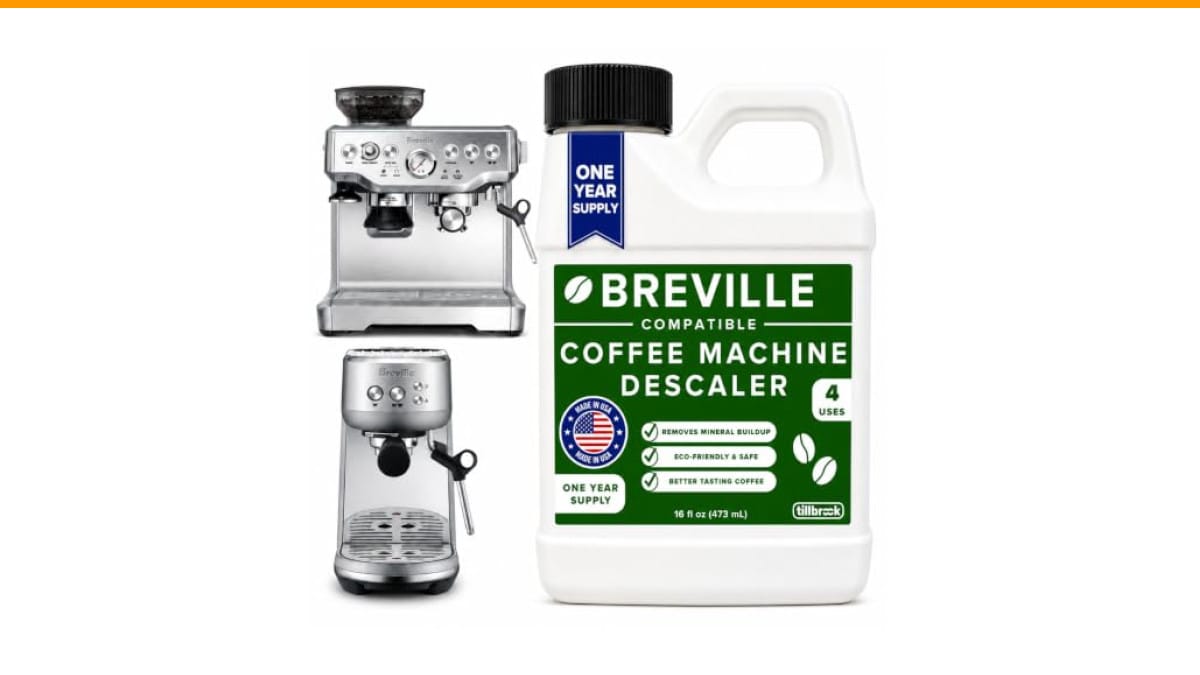
Breville Espresso Machine Compatible Descaler, 4 Uses,…
- EXCEPTIONAL RESULTS: Introducing Tillbrook Coffee Machine Descaler specifically formulated for Breville—the best choice for removi…
- 1 YEAR SUPPLY: Our concentrated formula is easy to use and provides remarkable value with 4 cleanings per bottle. Simply add 1/2 c…
- SCIENTIFICALLY ENGINEERED: Our advanced descaling solution is carefully crafted with powerful, all-natural ingredients that remove…
As an Amazon Associate I earn from qualifying purchases.
You’ll leave with a clear maintenance routine that takes about 30 minutes every few months and keeps your machine pulling clean, hot shots.
If your machine is due for a clean, a dedicated solution like the Tillbrook Breville-compatible descaler makes the job straightforward. It’s a concentrated formula that handles four descaling sessions per bottle — roughly a year of regular maintenance for most home users.
Why Most People Descale Wrong (And What Actually Happens Inside)
The biggest myth about descaling is that vinegar works just as well as commercial descaler. It doesn’t, and here’s why. Vinegar is acetic acid. It does dissolve limescale, but it’s aggressive on rubber seals, silicone gaskets, and brass fittings. Over time, vinegar eats those parts and leaves a lingering smell that takes dozens of flushes to clear.
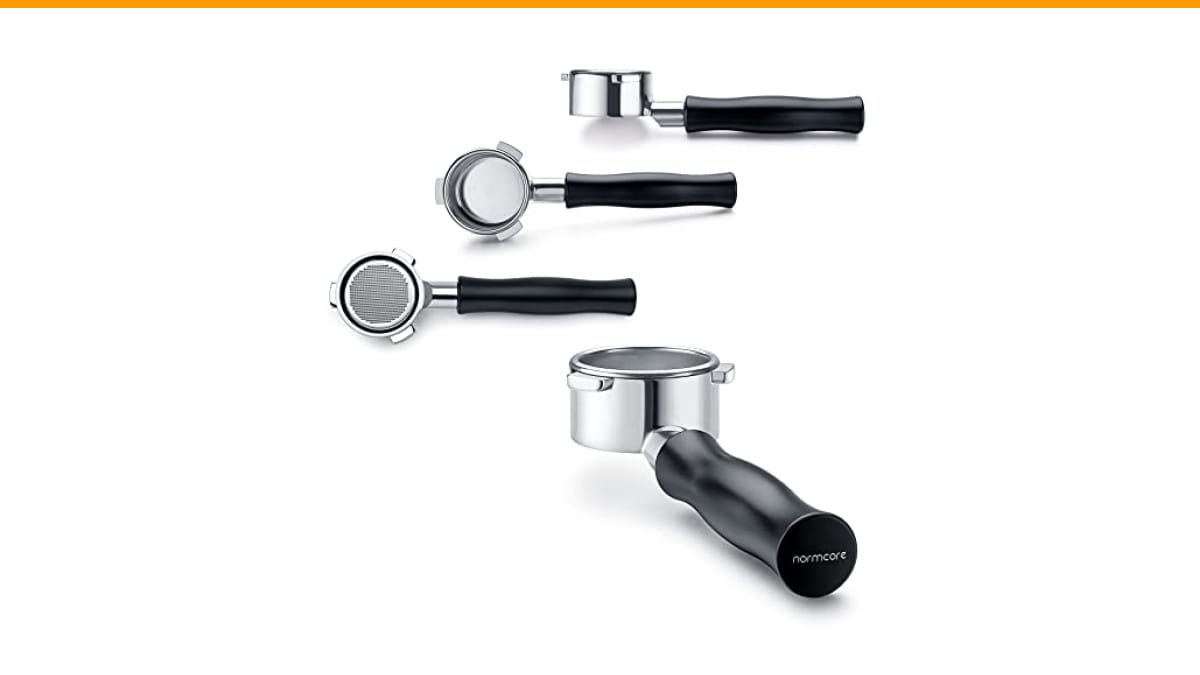
Another common mistake is running the descale cycle without removing the portafilter, basket, and water filter. Those parts trap scale and old coffee oils. If you leave them in, you’re just moving dirty water around the system.
Here’s what actually happens inside your machine when scale builds up. The heating element gets coated, so it has to work harder to reach temperature. That drives up energy use and stresses the thermostat. The boiler walls narrow, reducing water volume. Your pump then compensates by pushing harder, which wears it out faster. Every component works against itself until something fails.
The fix isn’t complicated. You need a descaler that dissolves minerals without damaging the machine’s internals, and you need to follow the right sequence. That’s the entire game.
How to Descale a Home Espresso Machine: Step-by-Step
Before you start, check your machine’s manual. Some models have a dedicated descale mode that cycles water automatically. Others require a manual process. Both work, but the steps differ slightly.
- Empty the machine. Remove the portafilter, basket, and any water filter. Run water through the group head without the portafilter attached to clear loose debris.
- Mix the solution. For concentrated descalers like Tillbrook, add about 4 ounces (half a cup) to the water tank, then fill the rest with fresh water. If your descaler is pre-mixed, skip this step.
- Run the descale cycle. If your machine has an automatic cycle, start it and let it run. If not, run water through the group head in 10-second bursts, then pause for 30 seconds. Repeat until the tank is half empty.
- Pause and soak. Let the solution sit in the boiler for 15 minutes. This gives the acid time to break down stubborn scale. Don’t skip this — a quick rinse won’t dissolve thick deposits.
- Finish the cycle. Run the remaining solution through the machine. If you have a steam wand, open the steam valve for 30 seconds to descale that line too.
- Rinse thoroughly. Fill the tank with clean water and run two full tanks through the group head and steam wand. This flushes out every trace of descaler. Leftover solution will make your coffee taste metallic.
That’s the whole process. It takes about 30 minutes total, most of which is waiting. If you’re dealing with heavy scale, you might need a second pass. But don’t run more than two descale cycles in a row — the acid can start wearing on seals if it sits too long.
The Truth About Descaling Frequency
Most manufacturers say to descale every three months. That’s a safe average, but your water hardness changes the math. If you live in a hard-water area, you might need to descale monthly. If you use soft or filtered water, you can stretch it to six months.
How do you know? Watch your machine. Slow extraction, weak crema, and a longer heat-up time are all early signs of scale. If your shots start tasting sour or bitter without a bean change, that’s another clue. Scale affects brew temperature, and temperature swings ruin flavor.
One trick worth using: dip a test strip in your water tank. Most hardware stores sell water hardness strips for a few dollars. If your water measures above 150 parts per million, plan on descaling every two months. Below that, every four months works fine.
The trade-off is real. Descaling too often exposes your machine to acid more frequently, which isn’t great for seals. Descaling too rarely lets scale harden into a crust that’s nearly impossible to remove. The sweet spot depends on your water, not a calendar date.
| Method | Effectiveness | Risk to Machine | Best For |
|---|---|---|---|
| Commercial descaler (citric or lactic acid based) | High — dissolves scale fast | Low if rinsed well | Most home espresso machines |
| Vinegar (acetic acid) | Moderate — works on light scale | High — degrades rubber seals | Emergency use only |
| Citric acid powder | High — similar to commercial | Moderate — can be harsh if over-concentrated | Budget users who measure carefully |
| Descaling tablets | Moderate — convenient | Low | Pod machines and drip brewers |
For espresso machines specifically, stick with a liquid descaler made for coffee equipment. Tablets often don’t dissolve fast enough in smaller boilers. And never use a descaler meant for kettles — those formulas are too aggressive for espresso internals.
What Most People Get Wrong About Descaling Products
There’s a widespread belief that stronger descaler works faster. It doesn’t. It just damages more. The acid concentration in commercial descalers is already calibrated to dissolve scale without eating soft metals. Doubling the dose doesn’t halve the time — it just shortens the lifespan of your machine’s seals and O-rings.
Another misconception: you need to descale more often if you use a water filter. Wrong. A water filter removes chlorine and improves taste, but most filters don’t soften water. If you’re using a standard carbon filter, you’re still getting hard water into the boiler. Only a water softener or a filter specifically rated for hardness reduction changes your descaling schedule.
There’s also confusion about what “food-safe” means in this context. A descaler can be food-safe and still leave a chemical aftertaste if not rinsed properly. The label doesn’t guarantee your coffee will taste good. You have to flush thoroughly — that’s on you, not the product.
One thing I’ve noticed testing different descalers side by side: the cheap ones work fine on light scale, but they leave a chalky residue if you don’t rinse aggressively. The better formulas like Tillbrook’s are engineered to rinse clean with less water. That’s worth something when you’re trying to get back to your morning routine quickly.
When to Call It Quits and Replace Parts
Descaling fixes most performance issues, but not all of them. If you’ve descaled and your shots still run slow, the problem might be a clogged solenoid valve or a failing pump. Those parts don’t respond to descaling — they need physical cleaning or replacement.
Similarly, if you notice water leaking from the group head when the machine is off, that’s a worn gasket, not scale. Replacing a group gasket is a 10-minute job you can do at home. It costs about $10. Don’t descale your way out of a part that needs replacing.
Your machine’s manual usually lists expected part lifespans. Most home espresso machines need new seals every couple of years, regardless of descaling. Budget for that. Regular descaling won’t prevent normal wear — it just stops scale from accelerating it.
Frequently Asked Questions
Can I use vinegar to descale my espresso machine?
You can, but you shouldn’t. Vinegar’s acetic acid attacks the rubber and silicone seals inside your machine. It also leaves a smell that lingers through multiple rinses. Use a commercial descaler made for espresso machines instead. It’s designed to dissolve scale without damaging the parts that keep your machine watertight.
How often should I descale my home espresso machine?
Every three months is the standard recommendation for average water hardness. If your water is hard (above 150 ppm), drop that to every two months. If you use softened water, you can stretch it to four or five months. Watch for slow extraction or sour shots as signs you’re overdue.
What happens if I never descale my espresso machine?
Scale builds up on the heating element and boiler walls. Heat transfer slows, extraction times stretch, and your shots taste inconsistent. Eventually, the pump works harder and can fail. The heating element can also overheat and burn out. Regular descaling costs 30 minutes every few months; replacing a boiler costs hundreds.
Do I need to remove the portafilter before descaling?
Yes. The portafilter, basket, and any water filter should come out before you start the descale cycle. These parts trap coffee oils and scale that the descaler will just push around. Clean them separately with warm soapy water while the machine runs its cycle.
Is it safe to run a descale cycle with a water filter installed?
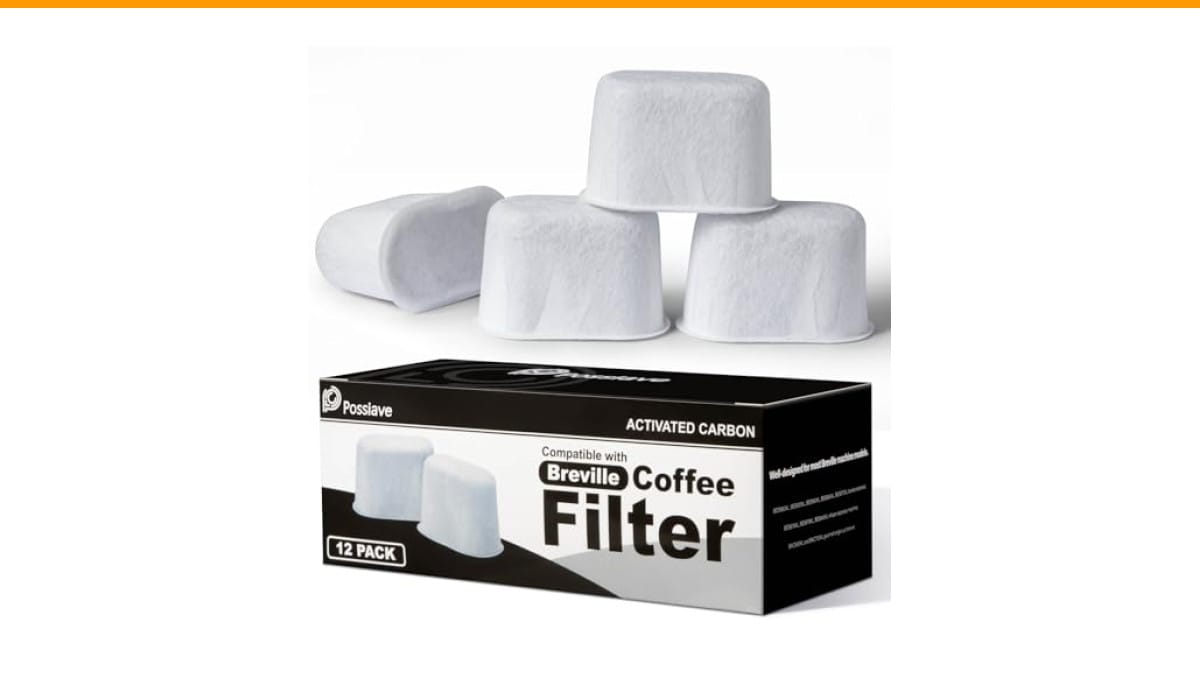
No. The descaler will saturate the filter and release the acid back into your next batch of water. Remove the filter before descaling and put in a fresh one after you’ve rinsed the machine completely. Most filters last about two months, so if you’re due for a filter change, do both at the same time.
What to Remember for Next Time
- Descale every 2–4 months depending on your water hardness — test strips tell you for sure.
- Use a liquid descaler made for espresso machines, not vinegar or kettle descaler.
- Always remove the portafilter, basket, and water filter before starting.
- Let the solution soak for at least 15 minutes — that’s where the real cleaning happens.
- Rinse with two full tanks of fresh water so no chemical taste lingers.
- If descaling doesn’t fix slow shots, check the gaskets and pump before assuming it’s scale.
- Keep a bottle of concentrated descaler on hand so you don’t skip maintenance when you’re busy.
For more on keeping your gear in shape, check out our guides on removing limescale and long-term maintenance. If you’re comparing machine types, our breakdown of automatic vs. semi-automatic covers which one fits your routine.
Products related to this article
Sponsored / affiliate links. As an Amazon Associate I earn from qualifying purchases. I may earn additional commission from eligible campaigns.
 Coffee Espresso Machine Handle Replacement Parts, Cafe Bracket Handle for Lidl Silvercrest CM4621 CM4218 KF5002 KF500S Barista (for 51mm Portafilter Basket - Not included)
 Linnkyfloa Coffee Espresso Maker Handle Replacement for Stovetop Moka Pot or Percolator, Black Plastic for Spare Part Compatible with Italian(9-12 Cup)
 Quick Heating Cup Warmer, Three Temperature Settings, Splashproof and Portable, for Coffee, Milk, Lightweight ABS Material