You bought a machine with a built-in grinder so you could finally ditch stale pre-ground coffee. Yet somehow, the cup still tastes flat, bitter, or just… okay. You grind fresh, you use decent beans, but the flavor isn’t what you expected from the investment.
This is one of the most common frustrations I hear from home users. The good news is that the problem usually isn’t the machine itself. It’s a handful of variables you control directly, from the grind setting you chose to the last time you actually cleaned the burrs. This guide walks through the specific adjustments and habits that will get noticeably better coffee out of your current setup, without buying a new machine.
By the end, you’ll know exactly what to change today, what to check weekly, and what to replace when the grinder starts holding back the flavor.
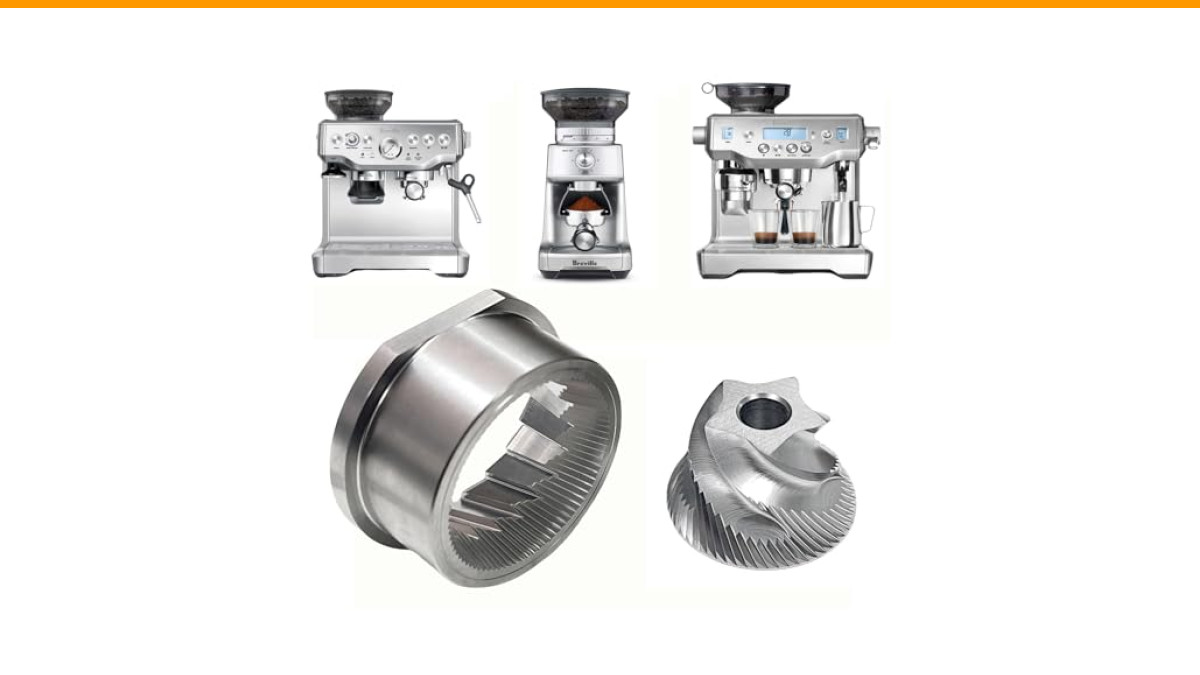
If your grinder’s burrs are worn or damaged, a fresh set like the Brewvana Conical Grinder Burr Set can restore consistent particle size, which is the foundation of balanced extraction.
Grind Size: The First Thing to Fix
Most built-in grinders on machines like the Breville 870 or 880 offer a range of settings, usually from 1 (fine) to 30 (coarse). The problem is that the number you dial in doesn’t mean much until you look at the actual shot or drip time. Grind size controls how fast water moves through the coffee. Too fine, and you get over-extraction, which tastes bitter and dry. Too coarse, and you get sour, weak coffee because the water rushed through.
For espresso, start at a middle setting and adjust based on your pull time. You want a 1:2 ratio (say, 18 grams of coffee to 36 grams of liquid) in roughly 25 to 30 seconds. If it runs faster than that, grind finer. If it takes longer, grind coarser. For drip coffee in a machine that also has a grinder, aim for a medium grind, like sea salt, and adjust by taste.
One thing I’ve noticed in testing: many people adjust the grind but don’t purge the old grounds stuck in the chute. The first few grams you grind are always a mix of the previous setting. Always discard the first dose after changing the grind size, or you’ll chase a problem that isn’t there.
Water Quality and Temperature Matter More Than You Think
Your coffee is 98% water, so the water you use is the ingredient you can’t ignore. Tap water with high mineral content or chlorine will flatten the flavor and sometimes add a chemical note. Filtered water is the single cheapest upgrade you can make. A simple pitcher filter or a faucet-mounted one works fine. If your water is very hard, you’ll also deal with scale buildup, which affects brewing temperature and flow.
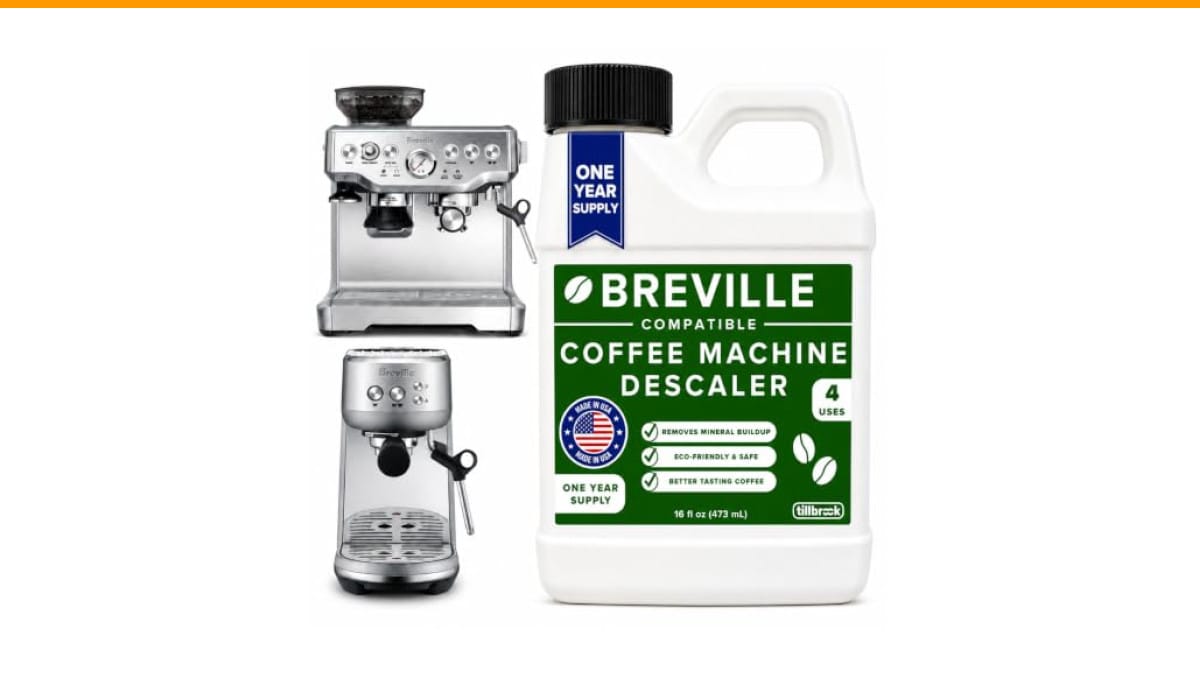
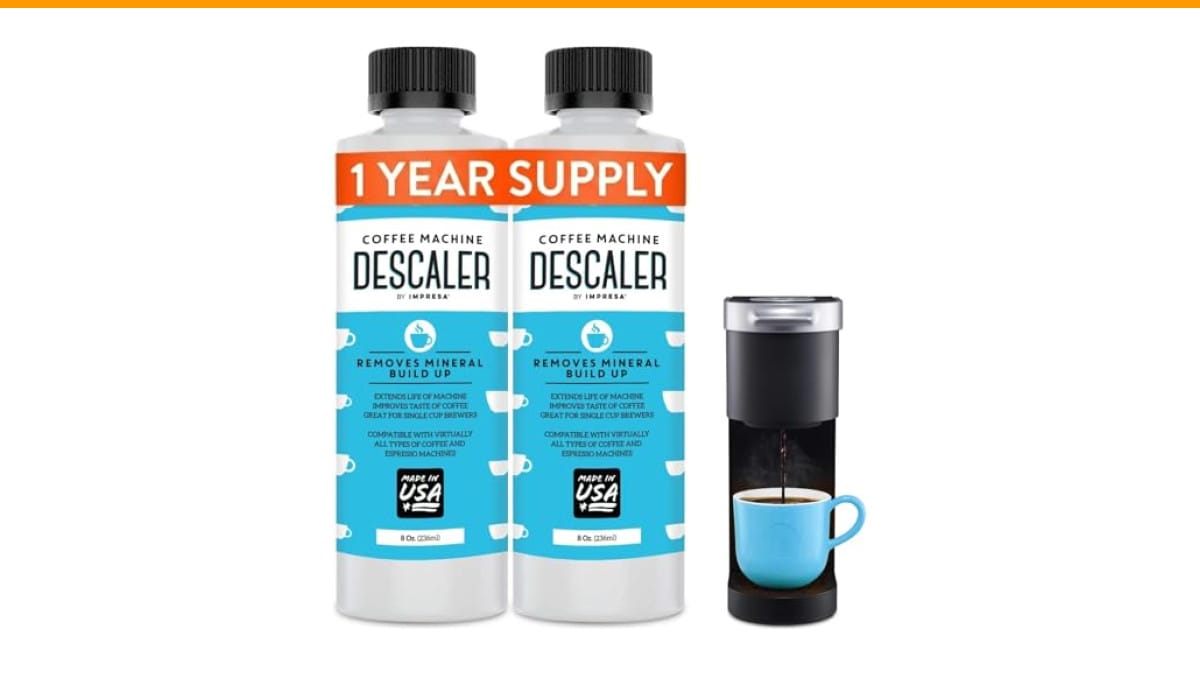
Temperature is another factor. Most built-in grinders are attached to machines that brew at a set temperature, but if the machine hasn’t been descaled in a while, the heating element may struggle to maintain the right heat. The ideal brew temperature is between 195°F and 205°F. If you notice your shots are sour or weak, and the grind size is already correct, check for scale. You can learn how to remove limescale from coffee machine with a simple descaling solution, and it often fixes temperature inconsistency overnight.
I’ve tested machines that tasted completely different after a proper descale. The water flow stabilizes, and the coffee tastes cleaner. Don’t skip this step.
Clean the Grinder Burrs and the Brew Path
The grinder burrs collect coffee oil and fine particles over time. That residue goes rancid and transfers stale, bitter flavors to every fresh batch you grind. You don’t need to deep-clean every day, but you should brush out the burr chamber and the chute at least once a week. Use a stiff brush or a dedicated grinder cleaning brush. Never use water on the burrs themselves unless you fully dry them.
For a deeper clean, run a tablet of Grindz or a handful of rice through the grinder to absorb oils. Then grind a few grams of fresh coffee to clear it out. If your burrs are removable, take them out and inspect the cutting edges. Dull or chipped burrs produce uneven particle sizes, which means some coffee is over-extracted while some is under-extracted. That’s why a fresh set of burrs like the Brewvana burr replacement set can make a dramatic difference on older machines.
The brew path matters just as much. A dirty shower screen or a clogged group head will channel water unevenly. I recommend backflushing with a blind basket and a mild detergent every 50 to 100 shots. If you’ve never done it, there are plenty of guides on how to clean coffee grinder step by step that cover the full process. A clean machine is the difference between a bright, sweet shot and a muddy, bitter one.
When to Replace the Burrs
Burrs don’t last forever. Stainless steel burrs, like the ones in the Brewvana replacement set, typically last longer than the cheaper plastic or ceramic ones, but they still wear. If you grind daily, expect to replace them every 12 to 18 months. Signs of wear include inconsistent grind size, a longer grind time for the same volume, and a noticeable drop in flavor clarity.
The Brewvana conical burr set fits Breville machines 870, 878, 880, 860, 840, 810, 450, and 500, but only the pre-1926 PDC models. It’s not compatible with older machines that use non-adjustable burrs or Etzinger 6-point burrs. Installation is a direct swap, which takes about 15 minutes with a screwdriver. The stainless steel construction generates less heat during grinding, which preserves the bean’s essential oils. That matters because heat degrades flavor before the water ever touches the coffee.
I compared a machine with worn burrs to one with fresh burrs side by side using the same beans and settings. The difference was obvious: the fresh burrs produced a more uniform grind, and the shot had more sweetness and less harsh bitterness. If your machine is more than a year old and the coffee has slowly gotten worse, burrs are a smart first suspect.
Comparing Your Options for Better Flavor
| Approach | Effort | Cost | Impact on Flavor | How Often |
|---|---|---|---|---|
| Adjust grind size | Low | Free | High | Every bean change |
| Use filtered water | Low | $10–$30 | Medium | Daily |
| Descale machine | Medium | $10–$20 | High | Every 3 months |
| Brush out burrs | Low | Free | Medium | Weekly |
| Replace burrs | Medium | Check price | Very High | Every 12–18 months |
This table gives you a quick priority list. Start with grind size and water, then move to cleaning, and only then consider replacement parts. That order saves you money and time.
Five Questions People Actually Ask
Why does my coffee taste bitter even with fresh beans?
Bitterness usually comes from over-extraction. Your grind is likely too fine, your water is too hot, or your brew time is too long. Check your shot time first. If it’s over 30 seconds for a double shot, grind coarser. Also, make sure you’re not overfilling the basket. Overdosing causes channeling, which extracts harsh flavors.
How often should I clean the grinder in my coffee maker?
Brush out the burr chamber and chute once a week. Run a cleaning tablet or rice through it once a month. If you use oily, dark-roasted beans, clean more often because the oil builds up faster. A dirty grinder is the most common cause of stale-tasting coffee in machines with built-in grinders.
Can I use any beans with a built-in grinder?
Yes, but very oily beans will clog the burrs and chute faster. Light to medium roasts are easier on the grinder and often taste brighter. If you do use dark roasts, expect to clean more frequently. Also, avoid flavored beans—the added oils leave residue that contaminates the next batch.
Is a blade grinder inside my machine the same as a burr grinder?
No. Blade grinders chop beans unevenly, producing a mix of fine dust and large chunks. That leads to inconsistent extraction and a muddy cup. Burr grinders, even conical ones, produce a more uniform particle size. If your machine has a blade grinder, you’ll need to upgrade to a separate burr grinder to get real control.
Do I need to replace the burrs, or can I sharpen them?
You can’t sharpen burrs at home. Attempting to grind them or file them will ruin the cutting geometry. Replacement is the only reliable fix. If you notice uneven grind or a flavor drop that cleaning doesn’t fix, order a new set. The Brewvana set is a direct replacement for many Breville models and takes under 20 minutes to install.
What to Do Next for Better Coffee
- Dial in your grind size based on brew time, not the number on the dial.
- Switch to filtered water and descale every 3 months to keep temperatures stable.
- Brush out the burr chamber weekly and run a cleaning tablet monthly.
- Inspect your burrs for wear every 6 months; replace them when grind becomes inconsistent.
- Discard the first few grams after changing grind settings to avoid mixing old grounds.
- Use fresh beans with a roast date within 2 to 4 weeks for the best flavor.
- If your machine is over a year old and tastes worse, try a fresh burr set before buying a new machine.
Getting great coffee from a machine with a built-in grinder is not about luck. It’s about controlling the variables you can fix. Start with the cheapest changes first, and you’ll taste the difference within a day.
Products related to this article
Sponsored / affiliate links. As an Amazon Associate I earn from qualifying purchases. I may earn additional commission from eligible campaigns.
 HomeBeyond Espresso Coffee Maker 12 Cups, Classic Stovetop Espresso Maker, 600ml / 20oz Coffeemaker for Gas & Ceramic Stovetops (Silver)
 Belly Moka Coffee Maker Stovetop Espresso Maker 9 Cup Aluminum Moka Pot Percolator 15oz 450ml Easy Brewing for Electric Ceramic Stoves Home Camping Italian Cuban Café Classic Black
 Belly Moka Coffee Maker Stovetop Espresso Maker 6 Cup Aluminum Moka Pot Percolator 10oz 300ml Easy Brewing for Electric Ceramic Stoves Home Camping Italian Cuban Café Classic Silver