You just unboxed a shiny new single-serve brewer. You fill the reservoir with tap water, pop in a pod, and hit brew. The result is often a cup that tastes flat, slightly bitter, or has a faint chemical note you can’t place. You blame the coffee, but the coffee isn’t the problem. The water is.
This article covers the practical reality of using filtered water in a single-serve coffee maker. We’ll talk about why mineral content matters for extraction, how different filters affect the machine’s internal timing, and exactly what happens to the heating element when you ignore water quality for six months. You’ll walk away knowing how to choose a filter, when to descale, and whether bottled water is ever worth the plastic waste.

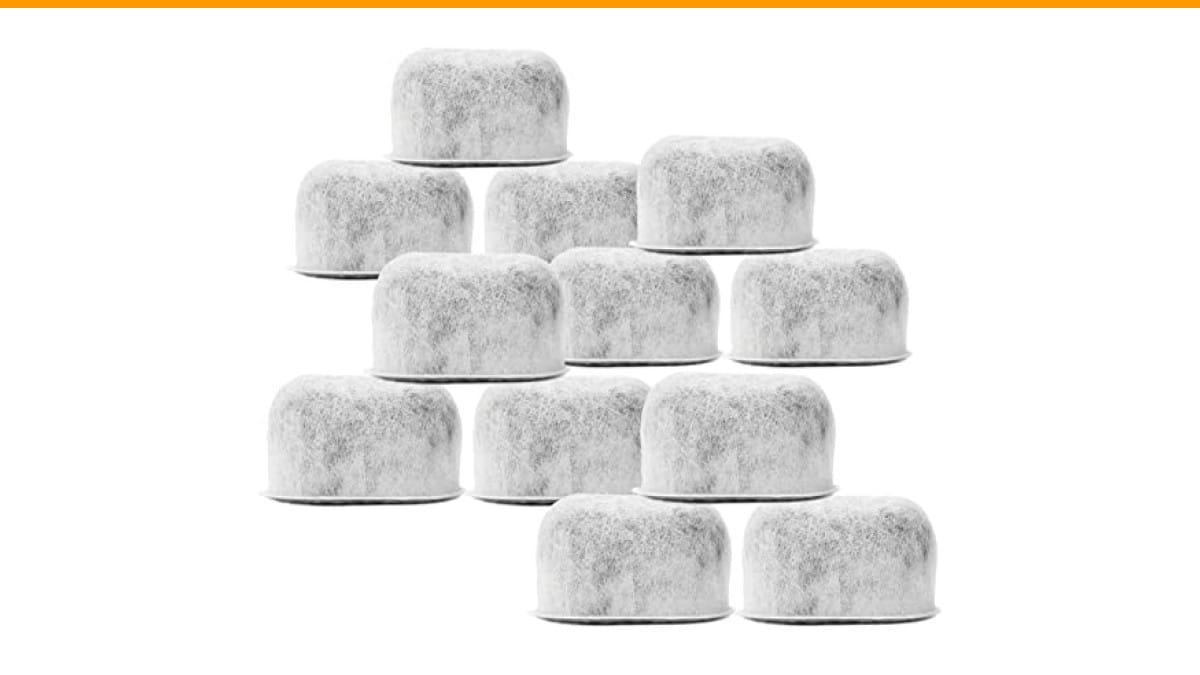
BRENSTEN
12 Pack Replacement Charcoal Water Filters for…
- ENJOY THE DELICIOUS TASTE AND AROMA OF BREWED COFFEE - Removes chlorine, odors, calcium, and other water impurities prior to brewi…
- COMPATIBLE WITH CUISINART COFFEE MAKERS – Specially designed for Cuisinart coffeemakers, these set of charcoal filter refills will…
- EASY TO INSTALL – Not only will these filters provide a less expensive way for you to enjoy delicious coffee, but they are also ve…
As an Amazon Associate I earn from qualifying purchases.
Water is the largest ingredient in your cup. Treating it like an afterthought is the fastest way to shorten your machine’s lifespan and ruin a good pod.
If you own a Cuisinart single-serve or drip model that takes a charcoal filter, a simple swap like the 12 Pack Replacement Charcoal Water Filters for Cuisinart removes chlorine and odors before brewing. It’s a cheap insurance policy for the internal parts, and it takes about ten seconds to install.
Why Water Quality Matters More Than the Bean
Specialty coffee roasters obsess over water. The Specialty Coffee Association recommends a Total Dissolved Solids (TDS) range of 150–250 ppm for ideal extraction. That number represents dissolved minerals, mostly calcium and magnesium. These minerals bind to coffee oils and pull out the flavor compounds responsible for sweetness and body.
Distilled or reverse osmosis water sits near 0 ppm. It extracts coffee aggressively, resulting in a sour, sharp cup that tastes hollow. On the flip side, hard tap water with 400+ ppm delivers a muted, bitter brew because the minerals clog the extraction process.
Your single-serve machine is a tiny, automated barista. It heats water to a target temperature, pumps it through the pod under pressure, and relies on that water to dissolve the grounds. If the water chemistry is off, the machine’s timing won’t adjust. It will just produce a bad cup.
The Short Answer: Yes, But Here’s Why
Yes, you can use filtered water in a single-serve coffee maker. In fact, you should. The question isn’t whether filtered water works, but which type of filtration you need and what it costs over time.
A standard pitcher filter like a Brita or PUR brings most tap water into the 100–200 ppm range. That’s well within the ideal extraction zone. It removes chlorine, which is responsible for that medicinal taste, and it catches sediment that can clog the needle on a Keurig or Nespresso.
The mechanical benefit is just as important as the taste. Sediment and scale are the two leading causes of premature pump failure and heating element burnout. Filtered water means fewer particles flowing through the internal lines, which translates to fewer clogs and less frequent descaling.
That said, not all filtered water is equal. A carbon filter does nothing for hardness. If you live in an area with hard water, you’ll still get scale buildup, just slower. You might also notice the machine takes longer to brew over time. That’s a flow rate issue we’ll dig into later.
What Happens When You Use Tap Water?
Tap water is a gamble. Municipal supplies vary wildly. Some cities deliver soft, clean water. Others pump out liquid chalk.
The Scale Problem (Limescale Buildup)
Hard water contains dissolved calcium carbonate. When you heat that water to 190°F plus, the calcium precipitates out of solution and sticks to whatever surface it touches. In a single-serve machine, that means the heating block, the internal tubing, and the needle assembly.
Scale is an insulator. It coats the heating element, forcing it to work harder to hit the target temperature. That extra effort consumes more electricity and shortens the component’s life. A heavily scaled machine might brew at 185°F instead of 200°F, which changes the extraction profile. The coffee tastes sour because the water never got hot enough.
The fix is descaling, but that’s a reactive measure. Using filtered water is proactive. It doesn’t eliminate scale entirely, but it dramatically slows the accumulation rate.
The Taste Problem (Chlorine and Minerals)
Chlorine is added to municipal water to kill bacteria. It does its job, but it also makes coffee taste like a swimming pool. A carbon filter removes chlorine effectively. That’s the single biggest flavor upgrade you can make without buying new beans.
Excess minerals, particularly iron and sulfur, add off-flavors that no amount of roasting can mask. You might notice a metallic aftertaste or a rotten egg smell. Those come from the water, not the coffee.
Filtered water solves both issues. It strips the chlorine and reduces the mineral load to a level where the coffee’s natural flavors come through cleanly.
Filtered vs. Bottled vs. Tap: The Real Cost Breakdown
Let’s talk money. Bottled water is convenient, but it’s the most expensive way to feed your machine. A 24-pack of 16.9-ounce bottles costs around $5 at most big-box stores. That’s roughly 21 cents per 8-ounce cup. Over a year, brewing one cup a day, that’s over $75 spent on water alone.
A pitcher filter costs $30–$40 upfront, and replacement filters run about $7 each. A single filter lasts 40 gallons, which is roughly 640 cups. That’s about 1.1 cents per cup, or $4 per year. The math isn’t close.
Tap water is nearly free, but it carries hidden costs. The descaling solution you’ll need to buy every few months costs $10–$15 per bottle. If scale damages the machine, a replacement single-serve brewer runs $80–$200. The ‘free’ tap water can become the most expensive option in the long run.
| Water Source | Cost Per Cup | Scale Risk | Taste Impact | Environmental Impact |
|---|---|---|---|---|
| Tap Water | ~$0.00 | High (if hard) | Variable, often chlorinated | Low |
| Pitcher Filter (Brita/PUR) | ~$0.01 | Moderate (reduces, not removes) | Good, removes chlorine | Low (replaceable cartridges) |
| Bottled Water | ~$0.21 | Low (if ‘spring’ or ‘purified’) | Good, but inconsistent brands | High (plastic waste) |
| Inline / Built-in Filter (Cuisinart) | ~$0.02 | Low | Excellent, tailored for machines | Low |
| Third Wave Water Packs | ~$0.30 | Very Low | Best, optimized for extraction | Low |
Bottled water also has a consistency problem. Not all bottled water is the same. Some brands are just repackaged municipal tap water with a fancy label. The mineral content varies, so your brew may taste different from bottle to bottle. A pitcher filter gives you consistent chemistry at a fraction of the cost.
If you’re concerned about the environment, the plastic waste from daily bottled water is hard to justify when a pitcher filter solves the same problem.
Choosing the Right Filter for Your Single-Serve Machine
You have a few options, and each has trade-offs. Your choice depends on your budget, your tap water’s starting quality, and how much effort you want to spend.
Pitcher Filters (Brita/PUR)
This is the most common approach. Fill the pitcher, wait a few minutes, and pour it into the machine’s reservoir. It’s simple, requires no installation, and works with every single-serve model on the market.
The downside is capacity. A standard pitcher holds about 8 cups. If you brew multiple cups a day, you’ll refill it constantly. Also, the filter only treats what’s in the pitcher. You must remember to refill it, or you’ll default back to tap water when you’re in a hurry.
I’ve tested several pitcher filters side by side. The Brita Longlast filter is the best for chlorine removal, but the PUR filter does a better job at catching particulate matter. Neither does much for hardness. If you have hard water, you’ll still need to descale, just less frequently.
Faucet-Mount and Inline Filters
A faucet mount filters water at the source. It’s convenient because you don’t need to maintain a separate pitcher. Turn the valve, fill the reservoir, done. These filters use the same carbon block technology as pitchers but often have a higher capacity.
Some machines, like many Cuisinart models, have a built-in charcoal filter compartment. These inline filters are small, cylindrical, and sit directly in the water reservoir. They’re designed specifically for the machine’s flow rate. The BRENSTEN 12-pack compatible filters are a solid replacement option, and they’re easy to swap out every 30 days. They don’t soften water, but they remove chlorine and sediment effectively.
The catch with inline filters is remembering to replace them. A clogged, old filter restricts flow, which we’ll get to next.
The “Third Wave” Mineral Pack Option
This is the premium path. Third Wave Water sells mineral packets designed to be added to a gallon of distilled water. Each packet recreates the ideal water profile for coffee extraction. You get precise control over hardness and alkalinity.
It sounds like overkill, and for many people it is. But if you’re chasing a specific flavor profile from a light roast single-origin bean, this is the only way to get laboratory-grade consistency. It’s also useful if your tap water is so bad that even a carbon filter can’t fix it.
The cost is higher than a pitcher filter, but it’s less than bottled water. One packet costs about $1.50 and treats a gallon. That’s roughly 12 cents per 8-ounce cup. It’s a niche solution, but it exists for a reason.
The Hidden Risk: Filter Flow Rate vs. Brew Cycle
Here’s something most people never consider: the flow rate of the water through the filter affects the machine’s brewing cycle.
A single-serve machine is a timed system. It pumps a set volume of water through the pod over a specific duration. If the water flows slower than the machine expects, the contact time between water and coffee changes. The result is over-extraction, which tastes bitter and dry.
This happens with old, clogged pitcher filters. As the carbon media gets saturated, it compacts and restricts water flow. You pour water into the reservoir, but the machine struggles to pull it through. I’ve seen this cause a Keurig to stall mid-brew and flash an error code.
It also happens with inline filters left in place for months. The media gets fouled with sediment, and the water has to squeeze through a narrower path. The machine’s pump works harder, which wears it out faster.
The fix is simple: replace filters on schedule. A fresh filter flows freely. A neglected one is a ticking time bomb for your pump.
How to Descale Your Machine (Step-by-Step)
Even with perfect filtration, you’ll eventually need to descale. All water contains some minerals. Here’s the protocol I use, and it works for both Keurig and Cuisinart single-serve machines.
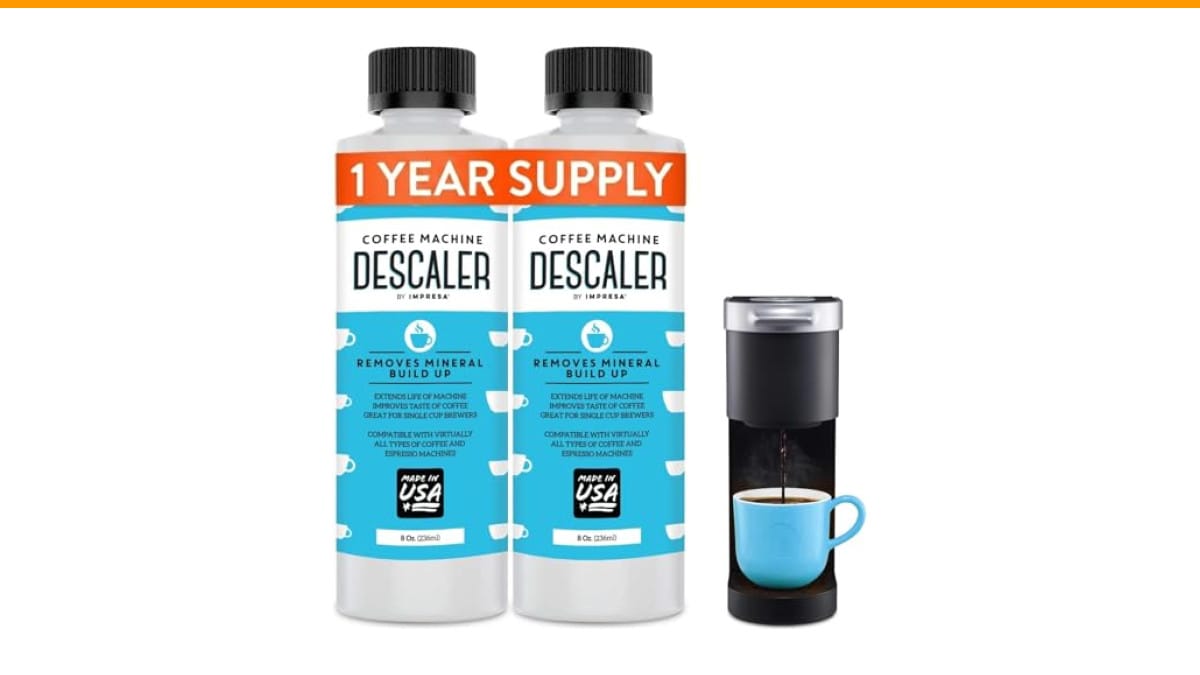
- Mix the solution. Use a commercial descaling solution or a 50/50 mix of white vinegar and water. You’ll need about 32 ounces.
- Fill the reservoir. Pour the descaling solution into the empty water reservoir.
- Run a brew cycle without a pod. Place a large mug or bowl under the spout. Run a regular brew cycle. Do not add a coffee pod.
- Let it sit. After the cycle finishes, turn the machine off and let the solution sit inside for 30–45 minutes. This dissolves the scale clinging to the heating element.
- Run a second cycle. Turn the machine back on and run another brew cycle with the remaining solution.
- Rinse thoroughly. Empty the reservoir, refill it with fresh filtered water, and run at least three full brew cycles with no pod. This flushes out any residual vinegar or chemical taste.
How often? If you use filtered water, descale every 3–4 months. If you’ve been using hard tap water, do it monthly until the scale clears. You’ll know it’s working when the machine’s brew time returns to normal. If you notice your Mr. Coffee is not pumping water, a descale is the first thing to try before you replace any parts.
Common Myths About Water and Single-Serve Machines
Let’s clear up a few misconceptions we see all the time.
Myth: Distilled Water is the Best for Your Machine
Distilled water is pure H2O with zero minerals. It won’t cause scale, but it also won’t extract coffee properly. The water is too aggressive, pulling out harsh, sour compounds. It also tastes flat. Your machine will brew faster, but the cup will be disappointing. Don’t use distilled water for brewing.
Myth: You Don’t Need to Descale If You Use Filtered Water
Filtered water reduces scale, but it doesn’t eliminate it. Pitcher filters don’t soften water. If your tap water is hard, the calcium is still there, just in slightly lower concentrations. Scale will still form, just slower. Keep a descaling schedule.
Myth: All Bottled Water is the Same
Some bottled water brands have TDS levels over 300 ppm. Others are essentially filtered tap water. You have no control over this unless you read the label closely. A pitcher filter gives you consistent, predictable water every time.
The Verdict: Is It Worth the Hassle?
Yes, using filtered water in a single-serve coffee maker is worth the small amount of effort. It’s not about being a coffee snob. It’s about protecting a $100–$200 appliance and making sure the coffee you paid for actually tastes like it should.
A $30 pitcher filter pays for itself in a few months compared to bottled water. It also extends the time between descaling sessions, saving you money on cleaning solutions and preventing premature pump wear. The coffee maker cleaning guide on our site goes deeper into the maintenance schedule if you want the full picture.
If you own a Cuisinart, the built-in charcoal filter is the most convenient option. You don’t need to think about it beyond a monthly swap. The BRENSTEN replacement pack is a cost-effective way to keep that system running.
Here’s what you can act on right now:
- Use a pitcher filter or inline carbon filter for daily brewing.
- Replace carbon filters every 30–40 days, or when the flow rate slows.
- Descale every 3–4 months, even with filtered water.
- Skip bottled water; it’s expensive and inconsistent.
- Avoid distilled water for brewing; it ruins extraction.
- If your tap water is very hard, consider a water softener pitcher or Third Wave packets.
- Listen to your machine. Slower brew times mean scale or a clogged filter.
Your coffee maker is a simple machine. Give it clean water, and it will give you years of reliable service. Neglect the water, and you’ll be shopping for a replacement sooner than you’d like.
Products related to this article
Sponsored / affiliate links. As an Amazon Associate I earn from qualifying purchases. I may earn additional commission from eligible campaigns.
 HomeBeyond Espresso Coffee Maker 12 Cups, Classic Stovetop Espresso Maker, 600ml / 20oz Coffeemaker for Gas & Ceramic Stovetops (Silver)
 SOLUSTRE Electric USB Coffee Cup Warmer with Temperature Settings Portable Milk and Beverage Heating Coaster for Office Desk Small Lightweight Design Easy to Clean Surface Multi Functional
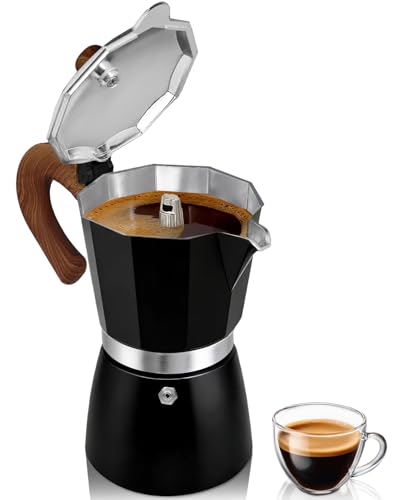 Belly Moka Coffee Maker Stovetop Espresso Maker 9 Cup Aluminum Moka Pot Percolator 15oz 450ml Easy Brewing for Electric Ceramic Stoves Home Camping Italian Cuban Café Classic Black