You pull a shot every morning, maybe two on weekends. The machine sits on your counter, compact and tidy. You rinse the portafilter, wipe the steam wand, and close the lid. That feels like enough, right? Not quite.
Compact espresso machines hide a lot of residue in a small space. Coffee oils, mineral scale, and milk film build up in places you can’t see: the group head, the solenoid valve, the boiler. Left alone, that buildup turns your bright espresso bitter and slows your shot flow to a trickle. I’ve tested machines that ran beautifully for two years and ones that choked after six months of neglect. The difference was always the cleaning schedule, not the brand.

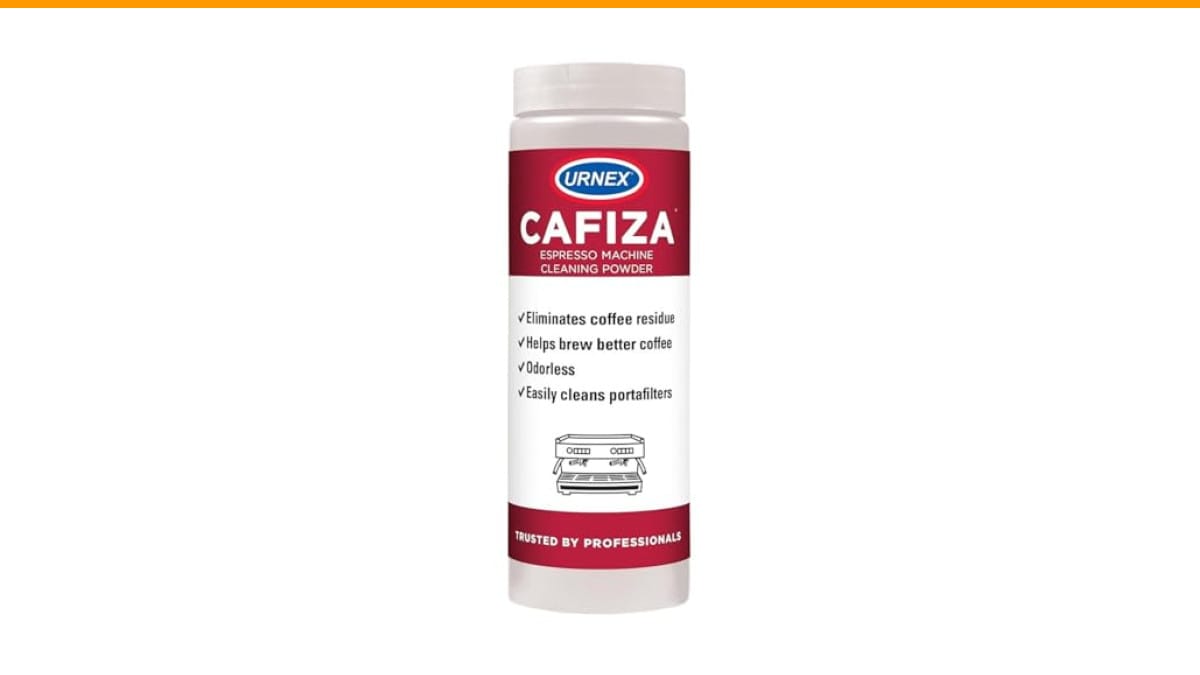
Urnex
Urnex Espresso Machine Cleaning Powder - 566…
- Eliminates coffee residue and oils from espresso machine group heads, valves and lines
- Specially formulated to clean heavily soiled equipment in a professional setting
- Powder format allows for easy and controlled dosing
As an Amazon Associate I earn from qualifying purchases.
This article gives you a usage-based calculator for cleaning frequency, not a one-size-fits-all calendar. You’ll learn exactly what to do daily, weekly, monthly, and quarterly based on how many shots you pull and what kind of water you use. You’ll also get a rescue protocol for machines that have been ignored for months, plus the real cost of skipping maintenance.
For a compact machine, a dedicated cleaner like Urnex Cafiza makes the weekly backflush far easier. It’s a powder that dissolves coffee oils and residue from the group head, valves, and lines—things plain water won’t touch. You’ll use a small scoop per backflush, so the 566-gram jar lasts a long time for home use.
Why “How Often” Depends on Your Machine and Usage
Most cleaning guides give you a fixed schedule: backflush every Monday, descale every three months. That works for a commercial cafe with consistent volume, but your home machine doesn’t follow a punch clock. A retired couple pulling four shots a day needs a different routine than a bachelor who makes one latte on Sundays.
Here’s the core principle: cleaning frequency scales with the number of shots you pull and the amount of milk you steam. Coffee oils start oxidizing and turning sticky within hours after a shot. Milk residue dries into a film that traps bacteria and smells sour. The more shots, the more residue, the more often you clean.
Let’s define three usage tiers:
- Light: 1–2 shots per day, occasional milk drinks
- Medium: 3–5 shots per day, milk daily
- Heavy: 6+ shots per day, multiple milk drinks
Your tier determines everything that follows. A light user can backflush with detergent weekly and descale quarterly. A heavy user needs detergent backflushing every 3–4 days and descaling monthly if the water is hard.
Machine type also matters. Semi-automatic machines let you control the group head, so you can rinse and backflush properly. Super-automatics have internal brew units that need their own cleaning cycle, often with a dedicated tablet. Manual lever machines have fewer parts but still need group head care. We’ll cover each type in a dedicated section later.
One more variable: water hardness. Hard water creates scale faster than soft water, so descaling frequency varies wildly. I’ll show you a simple test to determine your hardness level in the descaling section.
The Daily Non-Negotiables (2–3 Minutes)
These are the habits that keep your machine from turning into a science experiment. They take less time than waiting for your toast to pop.
After Every Shot: The Portafilter and Group Head Rinse
Immediately after pulling a shot, knock out the puck, then lock the empty portafilter back in and run water through the group head for 3–5 seconds. This flushes loose coffee particles and oils off the shower screen. I’ve seen group heads that looked clean on the outside but had a thick brown sludge on the screen because nobody rinsed after shots. That sludge goes rancid and adds a bitter, sour note to your next shot.
Don’t leave the portafilter sitting with a wet puck overnight. Knock it out, rinse it under hot water, and let it air dry. A portafilter basket that stays wet develops a gray film that’s hard to scrub off later.
After Milk: The Steam Wand Purge
Milk is the single biggest source of stubborn residue on any espresso machine. When you finish steaming, wipe the wand with a damp cloth immediately, then purge steam for 2 seconds to clear milk from the tip. That’s it. The purge pushes any milk that got sucked back up into the wand out before it dries into a crust.
If you skip the purge and just wipe, milk residue stays inside the wand and can clog the steam holes. A clogged steam wand produces weak, wet steam that won’t froth milk properly. You’ll end up with flat lattes and a thin film of dried milk on the tip. I’ve rescued wands that took a soak in hot water and a pin to clear the holes. That takes ten minutes you could have avoided with a 2-second purge.
For a deeper clean of the steam wand, check out our steam wand care guide.
The Weekly Routine (Backflush and Deep Wipe Down)
Once a week, you need to backflush with a detergent. This is the step most home users skip, and it’s the one that makes the biggest difference in espresso taste. Backflushing forces water and detergent through the group head and solenoid valve, dissolving coffee oils that rinse water can’t remove.
Backflushing with Detergent vs. Water Only
Water-only backflushing (running a blind basket with no detergent) helps dislodge loose grounds but does nothing for the sticky oils that coat the inside of the group head and the solenoid valve. Those oils polymerize over time, turning into a dark, tacky residue that can clog tiny passages and make your shots run slow. Detergent backflushing breaks that residue down chemically.
Here’s the process for a semi-automatic machine:
- Put a blind basket (one with no holes) in the portafilter.
- Add a small scoop of espresso machine cleaning powder—about 1 gram for a single group. The Urnex Cafiza jar comes with a scoop that makes dosing easy.
- Lock the portafilter in and run the brew cycle for 10 seconds.
- Stop, wait 10 seconds, then run again. Repeat for a total of 5–6 cycles.
- Remove the portafilter, rinse it thoroughly, and run two or three blank shots (water only, no basket) to flush any remaining detergent.
Do this every 7 days for light users, every 4–5 days for medium, and every 3 days for heavy. The detergent is NSF-certified and safe for your machine, but you still need to rinse thoroughly—leftover detergent tastes awful and can foam out of the group head.
Some machines (like certain super-automatics) don’t have a blind basket. They have a dedicated cleaning cycle that uses a tablet placed in the brew unit. Check your manual. The principle is the same: detergent breaks down oils, then you rinse.
After backflushing, wipe down the exterior, the drip tray, and the steam wand. A damp microfiber cloth is enough. Don’t use abrasive cleaners on stainless steel—they’ll scratch the finish.
The Monthly/Quarterly Deep Clean (Shower Screen and Water Tank)
Once a month, remove the shower screen and soak it in hot water with a drop of dish soap or a bit of cleaning powder. You’ll be surprised how much brown gunk accumulates on the back of the screen, even if you rinse after every shot. Use a small brush to scrub the group head gasket area while the screen is off.
Also, empty and wash the water tank. Stagnant water grows bacteria and can leave a slimy film on the walls. Wash it with mild soap and warm water, then rinse thoroughly. Don’t put it in the dishwasher—the heat can warp the plastic.
Every three months, do a deeper clean: pull the steam wand tip off and soak it in hot water with cleaning powder, wipe down the solenoid valve if accessible, and check the group head gasket for cracks or wear. A worn gasket leaks water around the portafilter, which wastes coffee and makes a mess.
For a full walkthrough of deep cleaning steps, see our deep cleaning guide.
Descaling: The Variable Schedule
Descaling removes mineral scale (calcium and magnesium) that builds up inside the boiler and pipes when you use hard water. Scale acts as an insulator, making your machine work harder to heat water. It can also clog the solenoid valve and cause the machine to leak or overheat.
How often you descale depends entirely on water hardness and how much water you run through the machine. A soft-water user might go a year without scaling. A hard-water user who pulls 6 shots a day could need descaling every 6–8 weeks.
How to Test Your Water Hardness at Home
You don’t need a lab. Buy a simple water hardness test strip from a pool supply store or online. Fill a glass with tap water, dip the strip, wait 10 seconds, and compare the color to the chart. The result is usually in grains per gallon (gpg) or parts per million (ppm).
Here’s how to interpret it:
- Soft: 0–3 gpg (0–50 ppm) – descale every 6–12 months
- Moderate: 3–7 gpg (50–120 ppm) – descale every 3–6 months
- Hard: 7–10 gpg (120–180 ppm) – descale every 2–3 months
- Very hard: 10+ gpg (180+ ppm) – descale monthly, or use filtered water
If your water is hard, I recommend using filtered or bottled water in the tank. It’s cheaper than descaling more often and prevents scale from forming in the first place.
Signs You Need to Descale Now
Scale doesn’t announce itself with a warning light on most machines. You have to notice the symptoms:
- Shot flow is slower than usual, even with a clean group head
- The pump sounds strained or makes a higher-pitched whine
- Steam output is weak or inconsistent
- The machine takes longer to heat up than it used to
- There’s a faint white or gray film on the drip tray or inside the water tank
If you see any of these, descale immediately. Waiting only makes the scale harder to remove and increases the risk of permanent damage.
The “Rescue” Protocol: Fixing a Neglected Machine
Maybe you bought a used machine that sat in a garage for a year. Or you’ve been lazy for six months and now your shots taste like burnt rubber. Don’t panic—most machines can be brought back with a thorough cleaning.
- Backflush with detergent multiple times. Run 3–4 detergent backflushes back-to-back, letting the machine sit with the detergent solution for 15 minutes between cycles. This loosens years of coffee oils.
- Soak the portafilter and basket. Remove the basket and soak both in hot water with a tablespoon of cleaning powder for 30 minutes. Scrub with a brush.
- Soak the shower screen. Remove it and soak in the same solution. Use a toothpick to clear any clogged holes.
- Run a descaling cycle. Use a commercial descaler (not vinegar—see FAQ) and follow the machine’s instructions. If the machine has a lot of scale, you may need to run the descale cycle twice.
- Clean the steam wand. Soak the tip in hot water with cleaning powder, then use a pin to clear the holes.
- Replace the group head gasket. If it’s hard or cracked, a new gasket costs a few dollars and makes a huge difference in sealing.
After this rescue, your machine should taste noticeably better. If it still has issues, there may be internal scale that didn’t dissolve. In that case, a professional service might be worth it—but try the DIY route first.
Machine Type Matters: Super-Automatic vs. Semi-Automatic
The schedule above assumes a semi-automatic machine, which is what most compact home espresso machines are. But super-automatics and manual lever machines have different needs.
Super-automatic: These machines (like the Philips 3200 or De’Longhi Magnifica) have an internal brew unit that you can remove and rinse under the tap. They also have a dedicated cleaning cycle that uses a tablet. Run the cleaning cycle every 2–3 weeks, or after about 200 shots. Descale every 2–3 months if you use hard water. The brew unit itself should be removed and rinsed weekly, and the drip tray cleaned daily.
Semi-automatic: You have full control, so the daily rinse, weekly backflush, and monthly deep clean apply directly. This is the most common type for enthusiasts because it offers the best balance of control and convenience.
Manual lever: These have no pump or solenoid valve, so backflushing isn’t possible. Instead, you rinse the group head after every shot and periodically remove the shower screen for soaking. The boiler still needs descaling based on water hardness. The lack of a solenoid valve means fewer parts to clog, but also less protection against scale.
For a detailed comparison of machine types, read our automatic vs. semi-automatic breakdown.
The Cost of Skipping: What Breaks and What It Costs
Skipping cleaning is a gamble. The house always wins—except here, the house is your wallet.
Here’s what neglect actually costs:
- Solenoid valve clogged with coffee oils: $50–$150 part plus labor if you can’t fix it yourself. A $10 jar of cleaning powder would have prevented it.
- Boiler scale buildup: The boiler can overheat and shut down permanently. Replacing a boiler runs $200–$400 on a compact machine. Descaling solution costs $15.
- Steam wand clogged with dried milk: The wand tip needs replacing ($10–$30) or the wand itself may need professional cleaning ($50). A 2-second purge after each milk drink prevents it.
- Group head gasket failure: A $5 gasket that you replace during a monthly deep clean. If it fails, you’ll get leaks and water dripping into the drip tray constantly.
- Bitter, sour espresso: Not a repair cost, but it makes you waste coffee. A bag of specialty beans costs $20. If you pull 2 shots a day and half taste bad because of a dirty machine, that’s real money.
I’ve seen people spend $500 on a new machine because their old one was beyond saving. A $30 cleaning kit and 15 minutes a week would have kept it running for years. That’s the math that matters.
The Final Schedule: A Simple Chart for Real Life
Here’s a quick-reference table that ties everything together. Use your usage tier to find your cleaning frequency.
| Cleaning Task | Light (1–2 shots/day) | Medium (3–5 shots/day) | Heavy (6+ shots/day) |
|---|---|---|---|
| Rinse portafilter & group head | After every shot | After every shot | After every shot |
| Purge steam wand | After every milk drink | After every milk drink | After every milk drink |
| Wipe down exterior & drip tray | Daily | Daily | Daily |
| Backflush with detergent | Weekly | Every 4–5 days | Every 3 days |
| Deep clean shower screen & tank | Monthly | Monthly | Every 2–3 weeks |
| Descale (soft water) | Every 6–12 months | Every 6–9 months | Every 4–6 months |
| Descale (hard water) | Every 2–3 months | Every 6–8 weeks | Monthly |
Print this table, stick it to your fridge, and follow it. Your machine will thank you with better espresso and a longer life.
FAQs (Vinegar vs. Descaler, Cleaning Tablets, and Grinder Care)
Can I use vinegar to descale my espresso machine?
I don’t recommend it. Vinegar is a weak acid that leaves a residual smell and taste that’s hard to rinse out. It can also attack rubber gaskets and seals over time. Commercial descalers are formulated to dissolve scale quickly and rinse clean. They cost a few dollars more, but they’re worth it for the peace of mind.
How often should I use cleaning tablets instead of powder?
Cleaning tablets are convenient for super-automatic machines that have a tablet slot. For semi-automatics, powder is easier to dose and dissolves faster. Use whatever your machine’s manual recommends. Tablets are fine for weekly backflushing, but they’re more expensive per use than powder.
Do I need to clean the grinder too?
Yes, but less often. Grinder burrs accumulate coffee oils that go rancid and affect flavor. Clean your grinder every 2–4 weeks by removing the hopper and brushing the burrs. Some grinders allow you to run a cleaning tablet (like Urnex Grindz) through them. For a step-by-step, see our grinder cleaning guide.
What’s the difference between backflushing and descaling?
Backflushing removes coffee oils and residue using detergent. Descaling removes mineral scale using an acid-based descaler. You need both. Backflushing keeps the brew path clean; descaling keeps the boiler and pipes clear. Skipping either one leads to different problems.
My machine has a self-cleaning cycle. Do I still need to do all this?
Self-cleaning cycles vary by brand. Some do a thorough backflush with a tablet; others just rinse the brew unit. Read your manual carefully. If your machine has a tablet cleaning cycle, run it weekly. You still need to wipe down the steam wand and clean the drip tray. Descaling is rarely automated—you’ll need to do that manually.
What to Do Next (and What Not to Do)
You now have a complete picture of how often to clean a compact espresso machine. Here are the key points to act on:
- Rinse the group head and portafilter after every shot. It takes 5 seconds and prevents most buildup.
- Purge the steam wand after every milk drink. This one habit saves you from a clogged wand and sour milk smells.
- Backflush with detergent weekly (or more often for heavy use). Use a powder like Urnex Cafiza for best results.
- Deep clean the shower screen and water tank monthly. Remove the screen, soak it, and wash the tank.
- Descale based on water hardness, not a fixed calendar. Test your water at home and set a reminder accordingly.
- Don’t use vinegar for descaling. Buy a proper descaler.
- Invest in a cheap water hardness test strip. It takes 30 seconds and tells you exactly how often to descale.
Cleaning your espresso machine isn’t glamorous, but it’s the difference between a machine that lasts 10 years and one that dies in 3. You don’t need a commercial setup or a chemistry degree—just a consistent routine and the right products. Your coffee will taste better, and your wallet will stay fuller.
Products related to this article
Sponsored / affiliate links. As an Amazon Associate I earn from qualifying purchases. I may earn additional commission from eligible campaigns.
 Coffee Espresso Machine Handle Replacement Parts, Cafe Bracket Handle for Lidl Silvercrest CM4621 CM4218 KF5002 KF500S Barista (for 51mm Portafilter Basket - Not included)
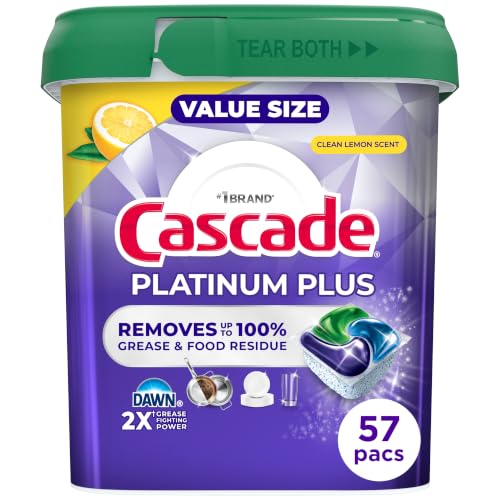 Cascade Platinum Plus Dishwasher Detergent Pods Dish Soap Lemon 57 Count
 MRS. MEYER'S CLEAN DAY Automatic Dishwasher Pods, Lavender, 20 Count - Pack of 3 (60 Total Pods)