You know that morning when the coffee tastes a little off? Not bad, just dull, with a faint oily bitterness that wasn’t there last week. You rinse the carafe, but the problem persists. That is the classic sign of a French press that needs more than a quick splash of water. The mesh screens trap coffee oils, and those oils go rancid. They coat the metal and turn your next brew bitter.
This guide covers the full maintenance routine for a French press. You will learn the daily habit that takes ten seconds, the weekly deep clean that removes hidden residue, and the monthly inspection that catches worn parts before they ruin a brew. We will also cover when to replace the filter assembly and how to do it. By the end, you will know exactly how to keep your press producing bright, clean coffee for years.
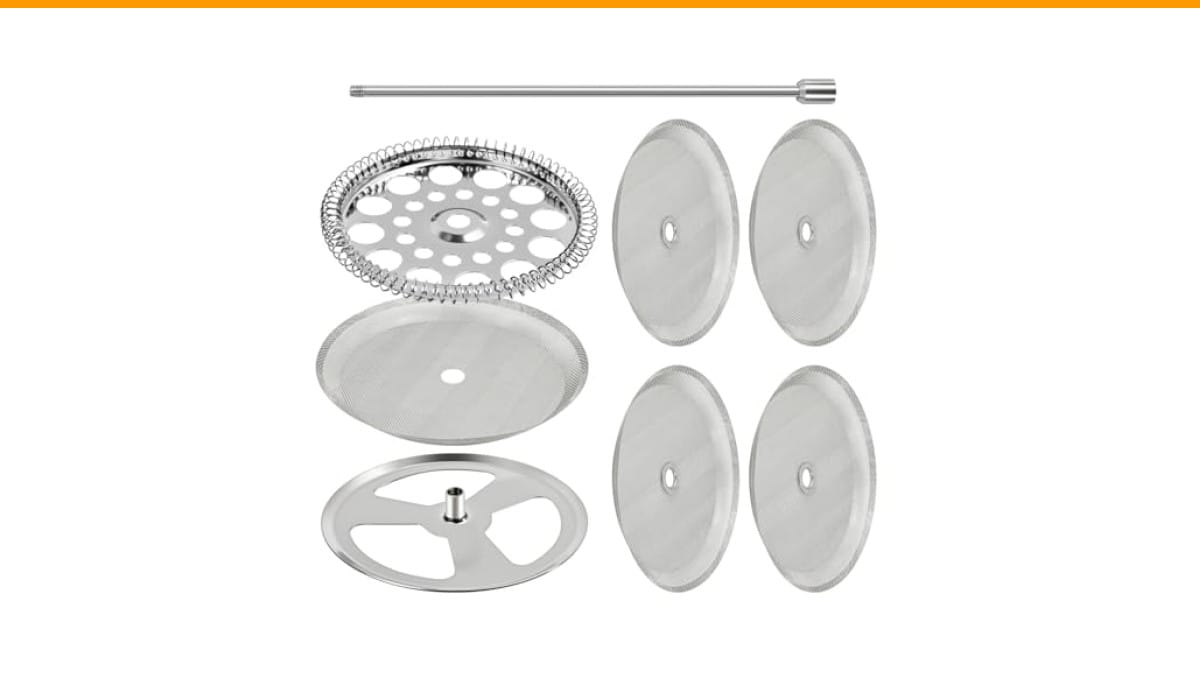
If you find your current press is past saving, or you just want spare parts on hand, the AUUTI 9-Piece French Press Filter Replacements Set is a practical option. It includes five mesh filters, two disc types, a plunger rod, and a nut, so you can swap out the worn pieces instead of buying a whole new carafe.
The Daily Rinse: Ten Seconds That Prevent 90% of Problems
Most French press issues start with a lazy rinse. Coffee oils cling to the metal mesh and the glass walls. Left to dry, they oxidize and stick harder. The fix is simple: rinse immediately after pouring your coffee.
Here is the routine I follow every single day:
- Remove the plunger assembly and set it aside.
- Dump the spent grounds into the trash or compost bin.
- Rinse the carafe under hot tap water. Swirl it around to dislodge loose oils.
- Hold the plunger mesh under the running water for five seconds. Rub the mesh gently with your fingers to push out trapped grounds.
- Set both pieces on the drying rack. Let them air dry completely before reassembling.
That is it. No soap needed for daily use. Hot water handles the fresh oils. The key is doing it before the residue dries. Once coffee dries on metal, it bonds like cement.
One detail most people miss: dry the plunger rod too. Water sits in the threads where the nut screws on. Over time, that moisture causes corrosion on cheaper steel rods. A quick wipe with a towel prevents that.
The Weekly Deep Clean: Removing the Invisible Film
Even with daily rinsing, a thin film of coffee oil builds up. You cannot see it, but you can taste it. That film is why your coffee slowly loses its clarity over a week of use. The weekly deep clean strips it away.
You have two solid options: baking soda or a dedicated coffee cleaner. I prefer baking soda because it is cheap, food-safe, and has mild abrasiveness that lifts the film without scratching glass.
Here is the weekly process:
- Disassemble the entire press. Remove the plunger rod, the top cap, the mesh discs, and the spring or spiral disc.
- Fill the carafe with warm water. Add one tablespoon of baking soda.
- Let it soak for fifteen minutes. This loosens the oils.
- Scrub the inside of the carafe with a soft sponge. Pay attention to the bottom corners where grounds settle.
- Scrub each mesh disc and the spiral disc with the same sponge. Rinse them under running water.
- For the plunger rod, wipe it down with a damp cloth. Check the threads for any buildup.
- Rinse everything thoroughly. You do not want any baking soda residue in your next brew.
If you use a chemical cleaner like Cafiza, follow the manufacturer’s dilution ratio. Usually, one teaspoon per liter of hot water works. Soak for ten minutes, then rinse well.
Pro tip: if your glass carafe has stubborn brown stains on the bottom, make a paste of two tablespoons of baking soda and a splash of water. Rub it in with your fingers. The stains lift almost instantly.
The Monthly Inspection: Catching Wear Before It Ruins Your Coffee
French press parts wear out. It is not a matter of if, but when. The mesh screens stretch, the spiral disc loses tension, and the plunger rod threads strip. A worn filter lets grounds slip through into your cup. That gritty mouthfeel is the first sign.
Once a month, do a quick inspection. Look at the mesh under bright light. Hold it up and see if light passes through evenly. If you see thin spots or holes, replace it. Check the spiral disc for flat spots where it has lost its springiness. A flat disc means the mesh does not seal against the carafe walls, so grounds escape.
Check the plunger rod for rust, especially around the threads. Surface rust on the rod is a health red flag. Replace the rod immediately if you see any orange spots.
When the time comes, you have two choices. Buy a complete replacement set or buy a new press. If the glass carafe is still intact, replacing just the filter assembly costs less and keeps a perfectly good carafe out of the landfill. The AUUTI replacement set covers the common 34-ounce size and fits most 3.75-inch wide plungers. That covers the vast majority of presses on the market.
Replacing the filter takes two minutes. Unscrew the bottom nut, slide off the old mesh and discs, and reassemble with the new parts. The set includes both a spiral disc and a cross disc, so you can match the original configuration of your press.
Comparing Cleaning Methods: What Actually Works
Not all cleaning methods are equal. I tested several approaches side by side to see which removes the most residue without damaging the parts. Here is the honest breakdown:
| Method | Time Needed | Residue Removal | Risk to Parts | Best For |
|---|---|---|---|---|
| Hot water rinse only | 10 seconds | Light, fresh oils | None | Daily use |
| Baking soda soak | 15 minutes | Moderate film buildup | Low, safe on glass and steel | Weekly deep clean |
| Vinegar soak | 20 minutes | Good on mineral scale, weaker on oils | Can corrode cheap steel if left too long | Monthly descaling |
| Dishwasher | Full cycle | Good on glass, poor on mesh | High, mesh can warp or bend | Not recommended |
| Commercial cleaner (Cafiza) | 10 minutes | Excellent on all residue | Low if rinsed well | Monthly deep clean |
My recommendation: stick with hot water daily, baking soda weekly, and a commercial cleaner monthly if you drink dark roasts. Dark roasts leave more oil than light roasts, so they need the stronger cleaning. If you mostly drink light roasts, skip the commercial cleaner and save the money.
Three Common Mistakes That Shorten a French Press’s Life
These are the errors I see most often. Avoid them and your press will last a decade.
Mistake 1: Putting the mesh in the dishwasher. The high heat and aggressive water jets warp the fine mesh. Once warped, the mesh no longer seals against the carafe wall. Grounds pass through. Hand washing takes two minutes. Do that instead.
Mistake 2: Overtightening the bottom nut. People crank it down to stop leaks. That strips the threads on the rod. The nut should be snug, not torqued. Hand-tighten it, then give it a quarter turn with a wrench if needed. That is plenty.
Mistake 3: Storing the press fully assembled. Moisture gets trapped between the mesh layers. That leads to mold in the crevices you cannot see. Store the plunger separate from the carafe, or at least leave the plunger out so air circulates.
If you catch any of these issues early, a replacement part fixes it. But if the rod is stripped or the mesh is warped, do not try to bend it back. Metal fatigue makes it worse. Just replace the part. You can find the full details in our coffee maker cleaning guide for more general cleaning habits.
Frequently Asked Questions
How often should I replace the mesh filter on my French press?
With daily use and proper cleaning, expect to replace the mesh every six to twelve months. The exact timeline depends on how aggressively you scrub. If you use a stiff brush, the mesh wears faster. Check monthly for thin spots or holes. The moment you see grounds in your cup, replace the filter.
Can I use soap on my French press?
Yes, a mild dish soap is fine for the glass carafe and the metal parts. The concern with soap is residue, not damage. Rinse thoroughly after washing. Soap residue leaves a bitter taste in your next brew. If you rinse until the parts feel squeaky clean, you are fine.
Why does my French press coffee taste bitter?
Bitterness usually comes from old coffee oils on the mesh, not from the beans. Those oils oxidize and turn rancid. A deep clean with baking soda or a commercial cleaner usually fixes it. If the taste persists after cleaning, check your grind size. Too fine a grind over-extracts and causes bitterness.
Is it safe to clean a French press with vinegar?
Vinegar is safe for the glass carafe and safe for stainless steel if you do not soak too long. Limit vinegar soaks to twenty minutes. Longer soaks can corrode cheaper steel alloys. After the soak, rinse with hot water and wash with soap to remove the vinegar smell. For regular oil removal, baking soda works better than vinegar.
What is the white film on my French press mesh?
That is mineral scale from hard water. It builds up when water evaporates and leaves calcium behind. Vinegar dissolves it easily. Soak the mesh in a 50/50 vinegar and water solution for ten minutes, then rinse. If you have hard water, you will see this film return every few weeks. A quick vinegar soak once a month keeps it in check.
What to Remember When You Walk Away
French press maintenance is not complicated, but it is consistent. The daily rinse takes less time than brushing your teeth. The weekly clean takes one coffee break. The monthly inspection takes two minutes. Here is the short version:
- Rinse the plunger and carafe immediately after pouring your coffee. Do not let oils dry.
- Deep clean weekly with baking soda to strip the invisible oil film.
- Inspect the mesh monthly for holes or thin spots. Replace it at the first sign of grounds in your cup.
- Never put the mesh in the dishwasher. Hand wash only.
- Store the plunger separate from the carafe so air circulates and moisture escapes.
- Replace worn parts instead of buying a new press. A replacement set costs less and keeps the glass carafe in use.
- If you notice recurring bitterness, clean the mesh first. Nine times out of ten, that fixes the problem. Check our guide on regular cleaning importance for more context on why this matters.
Stick to this routine and your French press will outlast your patience for buying new gear. The coffee will taste cleaner, brighter, and closer to what the roaster intended. That is the whole point of owning a French press in the first place.
Products related to this article
Sponsored / affiliate links. As an Amazon Associate I earn from qualifying purchases. I may earn additional commission from eligible campaigns.
 HomeBeyond Espresso Coffee Maker 12 Cups, Classic Stovetop Espresso Maker, 600ml / 20oz Coffeemaker for Gas & Ceramic Stovetops (Silver)
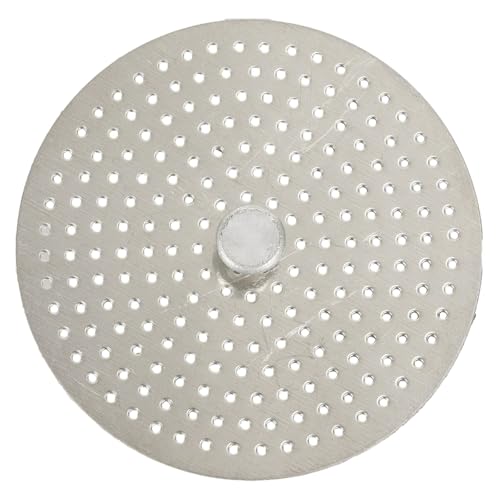 Stainless Steel Moka Pot Coffee Filter Disc for Espresso Brewing, Coffee Maker Replacement Filter Plate for Home Office Coffee Bar Cafe (FOR 4 Cups)
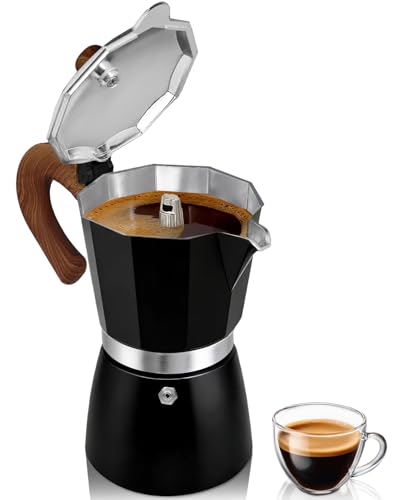 Belly Moka Coffee Maker Stovetop Espresso Maker 9 Cup Aluminum Moka Pot Percolator 15oz 450ml Easy Brewing for Electric Ceramic Stoves Home Camping Italian Cuban Café Classic Black