You bought a moka pot because you wanted rich, bold coffee, but your first brew came out thin, sour, or bitter. You’re not alone. Most people blame the pot, but the real problem is usually technique. The moka pot is a simple device, but it has specific rules. Break them, and you get weak, over-extracted, or burnt coffee.
This guide walks you through the exact variables that control strength: grind size, coffee dose, water temperature, heat level, and even the coffee beans themselves. You’ll learn what to change, what to keep consistent, and how to fix common mistakes. By the end, you’ll know how to make stronger coffee with a moka pot that rivals your local café’s espresso-based drinks. No guesswork, just results.

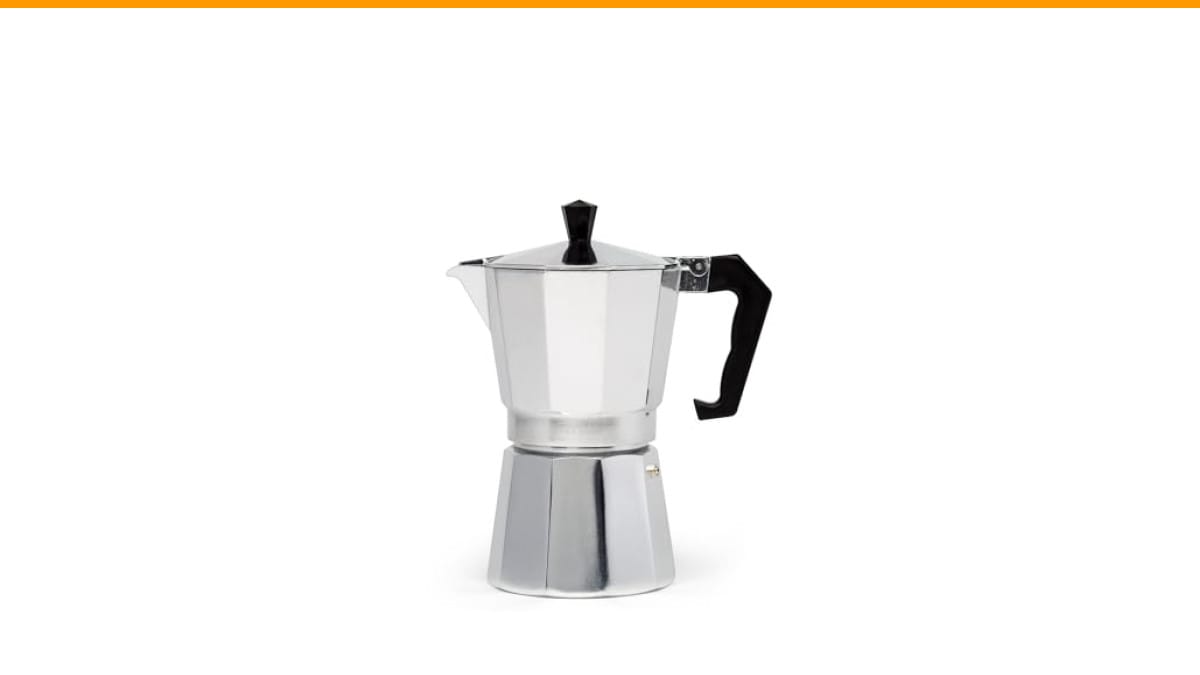
Primula
Primula Classic Stovetop Espresso and Coffee Maker,…
- CRAFT COFFEE AT HOME: Produces six demitasse/espresso servings of rich, smooth espresso coffee in minutes. Craft your own espresso…
- DURABLE DESIGN: Carefully crafted with cast aluminum for long-lasting durability. Provides thorough and even heat distribution for…
- EASY TO USE: Simply fill the lower chamber with water, add ground coffee or espresso to the filter and place on stovetop. Within m…
As an Amazon Associate I earn from qualifying purchases.
If you’re using a standard aluminum moka pot, the Primula Classic Stovetop Espresso and Coffee Maker is a solid, budget-friendly option. It’s made of cast aluminum, heats evenly, and works on gas, electric, ceramic, and propane stovetops. With a 6-cup capacity, it’s perfect for testing the techniques below without investing in an expensive machine.
Myth #1: More Coffee Always Means Stronger Coffee
People often pack the basket to the brim, thinking that will solve everything. It won’t. Overfilling the basket changes the water-to-coffee ratio, but it also blocks water flow. The result is a slow, choked brew that tastes bitter and muddy, not strong.
The basket has a specific capacity. For a 6-cup moka pot, that’s about 18–20 grams of coffee. Use a scale to measure. If you don’t have one, fill the basket level with the rim, but don’t tamp. Tamping creates a dense puck that water can’t penetrate, which leads to under-extraction and a weak, sour shot.
So, the fix is not more coffee. It’s the right amount of coffee, ground correctly.
Myth #2: Boiling Water Makes Stronger Coffee
Some people swear by starting with boiling water in the lower chamber. That’s a mistake. Boiling water hits the coffee grounds at over 212°F, which scalds the grounds and extracts harsh, bitter compounds. Your coffee will taste burnt and thin, not strong.
The ideal brewing temperature for moka pot is between 195°F and 205°F. That’s just below boiling. To achieve this, use hot tap water or water from a kettle that’s been off the boil for 30 seconds. Fill the lower chamber to just below the safety valve. Don’t fill past that line, or you’ll get a watery brew.
If you want a bolder flavor, you can increase the coffee dose slightly, but never increase the heat. High heat is the enemy of strength. It extracts the bitter compounds first and leaves the sweet, rich flavors behind.
Grind Size: The Single Biggest Factor
Grind size is the most important variable in moka pot brewing. Too coarse, and water rushes through, producing a weak, sour cup. Too fine, and water barely passes, over-extracting and making a bitter, harsh brew.
The sweet spot is a medium-fine grind, similar to table salt. It should feel slightly gritty, not powdery. If you’re using pre-ground coffee, look for one labeled ‘espresso’ but not ‘Turkish.’ Turkish is too fine. If you have a burr grinder, set it between 10 and 15 on a scale of 1 to 40, depending on your grinder.
Here’s a quick test: after brewing, check the puck. If it’s dry and crumbly, your grind was too coarse. If it’s wet and muddy, it was too fine. Adjust accordingly. You’ll know you nailed it when the coffee flows out in a slow, steady stream, not a sputter.
Water-to-Coffee Ratio: The Real Strength Lever
Most moka pot recipes call for 1:10 coffee to water. That’s 18 grams of coffee to 180 grams of water. But if you want a stronger cup, you can push that to 1:7 or even 1:6. That means 20 grams of coffee to 140 grams of water. The result is a more concentrated brew that you can drink straight or dilute to your taste.
How to do it: fill the lower chamber with water to the valve, then add your coffee to the basket. If you want a stronger ratio, use less water, not more coffee. The lower chamber has a fixed capacity, so you can’t add more water than it holds. But you can reduce the water amount to increase concentration. Just make sure the water level stays above the valve, or the pot won’t build pressure.
Another trick: brew a double batch and then heat it gently to reduce volume. This concentrates the flavors without over-extracting. It’s a common practice in Cuban coffee, where strong, sweet espresso is the norm.
Heat Management: Low and Slow Wins
Moka pots work best on low to medium heat. High heat causes the water to boil violently, which forces steam through the coffee bed too quickly. That results in a thin, bitter brew. Low heat allows the water to percolate slowly, extracting more flavor compounds.
Start with the burner on medium-low. Once coffee starts flowing, reduce the heat to low. The brew should take 3–5 minutes for a 6-cup pot. If it finishes in under 2 minutes, your heat is too high. If it takes more than 6 minutes, your grind is too fine or your heat is too low.
When you hear a gurgling sound, that’s the sign to remove the pot from the heat. The gurgle means the water is running out and steam is pushing through the grounds. If you leave it on, you’ll get a burnt, bitter aftertaste.
Comparison: Moka Pot vs. Espresso Machine vs. French Press
| Method | Strength Level | Brew Time | Grind Size | Control |
|---|---|---|---|---|
| Moka Pot | Medium to high (concentrated) | 3–5 minutes | Medium-fine | Moderate |
| Espresso Machine | Very high (30–40 ml shot) | 25–30 seconds | Fine | High |
| French Press | Medium (full-bodied) | 4–5 minutes | Coarse | Low |
If you’re used to espresso machine shots, a moka pot won’t match that intensity, but it gets close. The moka pot produces a brew that’s about 1/3 the strength of espresso by volume. You can drink it straight or dilute it with hot water for an Americano.
Common Mistakes That Weaken Your Brew
- Using stale beans: Coffee loses flavor within weeks of roasting. Buy whole beans and grind them fresh.
- Not preheating water: Cold water takes longer to heat, which can cause over-extraction.
- Leaving the pot on too long: The gurgle means stop. Leaving it on burns the coffee.
- Not cleaning the pot: Old coffee oils go rancid and ruin the taste. Rinse with warm water after each use.
- Using a fine grind: Fine grind clogs the filter and stalls the brew. Stick to medium-fine.
Five Questions People Ask About Moka Pot Strength
Why is my moka pot coffee weak?
Usually, it’s because the grind is too coarse or the water is too hot. Both lead to under-extraction. Check your grind size and use water that’s just below boiling.
Can I use espresso beans in a moka pot?
Yes, but the roast matters. Darker roasts produce a bolder, stronger flavor. Lighter roasts can taste sour or acidic. Use a medium-dark roast for balanced strength.
Should I tamp the coffee in a moka pot?
No. Tamping creates a dense puck that water can’t flow through, leading to weak, sour coffee. Just level the grounds with a finger.
How do I make Cuban coffee with a moka pot?
Brew a strong moka pot, then whip sugar with a few drops of the hot coffee until it forms a creamy paste. Then pour the rest of the coffee over it and stir. That’s café cubano.
Does cleaning the moka pot affect strength?
Yes. A dirty pot has old oils that taste bitter and mask the fresh coffee. Clean it properly after each use. For a deep clean, check out our vinegar cleaning guide.
Final Tips for Consistently Strong Moka Pot Coffee
- Use a scale to measure coffee and water every time.
- Grind medium-fine, just shy of espresso fineness.
- Start with hot water (not boiling) to control temperature.
- Keep the heat low after the brew starts.
- Stop at the gurgle and immediately cool the pot base under cold water.
- Clean the pot after each use and dry it thoroughly.
- If you want an even stronger cup, brew a double batch and heat it to reduce volume.
Master these variables, and you’ll never settle for weak moka pot coffee again. For more brewing tips, see our coffee machine maintenance guide to keep your equipment in top shape.
Products related to this article
Sponsored / affiliate links. As an Amazon Associate I earn from qualifying purchases. I may earn additional commission from eligible campaigns.
 Belly Moka Coffee Maker Stovetop Espresso Maker 9 Cup Aluminum Moka Pot Percolator 15oz 450ml Easy Brewing for Electric Ceramic Stoves Home Camping Italian Cuban Café Classic Black
 Belly Moka Coffee Maker Stovetop Espresso Maker 6 Cup Aluminum Moka Pot Percolator 10oz 300ml Easy Brewing for Electric Ceramic Stoves Home Camping Italian Cuban Café Classic Silver
 Supvision 3 Cup Moka Pot Aluminum 150ml Italian Coffee Maker