You just pulled a perfect shot from your moka pot, the crema is thick, and the coffee tastes like dark chocolate. Then you rinse the pot under the tap, scrub the inside with soap, and wonder why next week’s brew tastes like burnt metal. The moka pot is a simple machine, but it has specific cleaning rules that most people ignore.
This guide covers the full routine: after every use, weekly maintenance, and deep descaling. You’ll also learn why soap is a problem, what to do about that white film, and when to replace the gasket. By the end, you’ll know exactly how to keep your pot brewing clean coffee for years.

Astonish
Astonish Descaling Powder for Kettles, Limescale Remover…
- Kettle And Coffee Maker Descaler – Fast acting foaming powder dissolves limescale and mineral buildup that accumulates inside dail…
- Lifts Tea And Coffee Stains – Removes stubborn tea tannin stains, coffee residue, and cloudy film from coffee mugs, tea pots, hydr…
- Simple Soak And Rinse Formula – Add powder, fill with warm water, wait 5 to 10 minutes as the foam works, empty, and rinse thoroug…
As an Amazon Associate I earn from qualifying purchases.
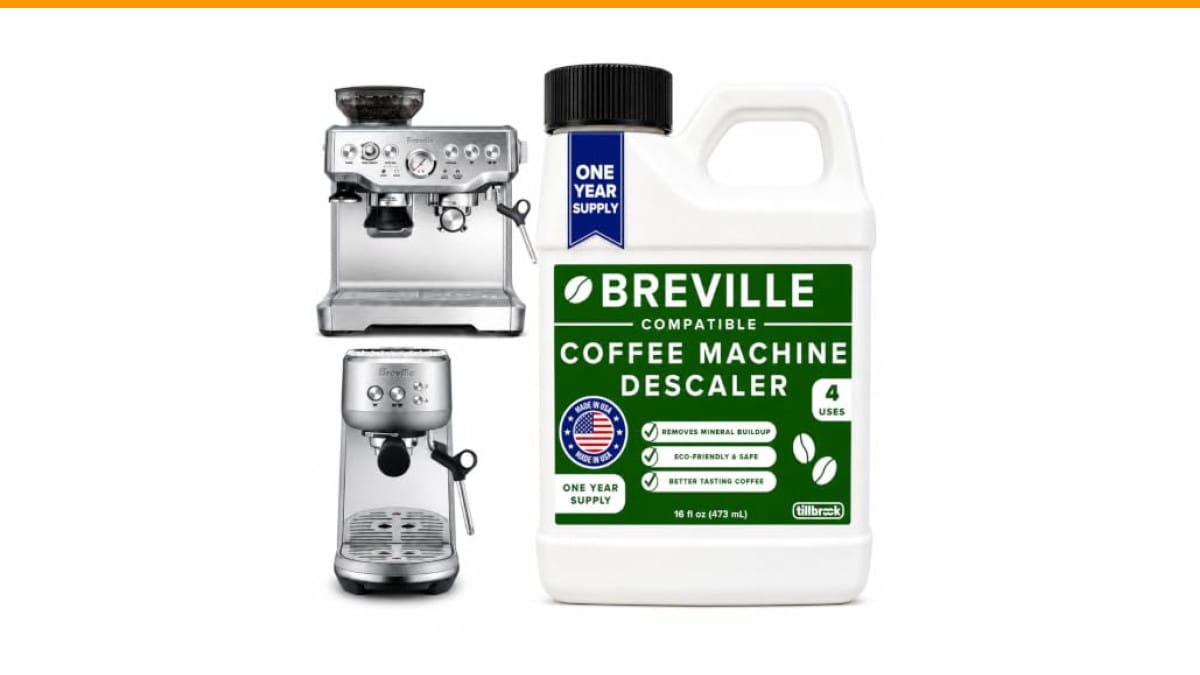
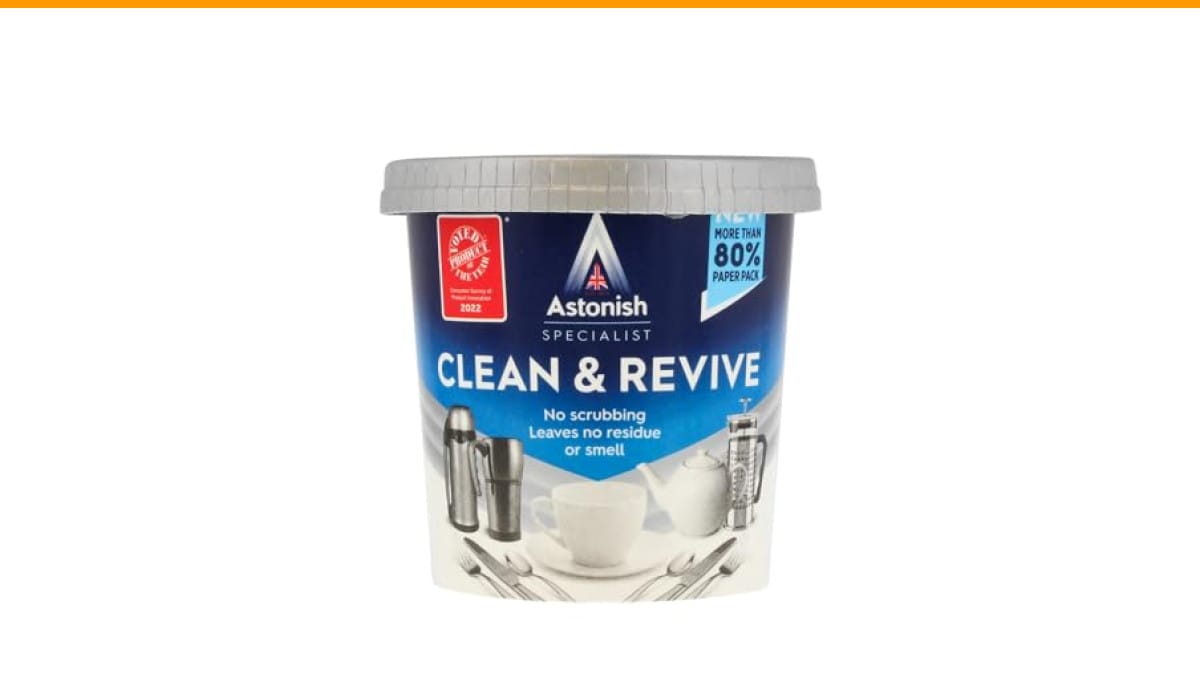
Before we get into the steps, one tool saves you a lot of elbow grease. The Astonish Descaling Powder is a foaming descaler that works on limescale and mineral buildup in steel pots and coffee makers. It’s not for aluminum, so check your pot’s material first, but for stainless steel models it makes the deep clean much easier.
Why Your Moka Pot Tastes Bad (And It’s Not the Coffee)
The moka pot has three metal chambers. Coffee oils and bitter compounds stick to the aluminum or steel surfaces. Over time, those oils go rancid. That’s the metallic, sour taste you notice in the third or fourth brew after a proper cleaning.
Most people scrub the pot with dish soap. That strips the oils, but it also leaves a soapy residue in the porous metal. The next brew picks up that residue, and you get a flat, soapy cup. The fix is simple: rinse with hot water only after normal use.
Another culprit is hard water. Calcium and magnesium build up inside the boiler chamber. That white scale not only affects taste but also slows down the brewing time. A pot that used to finish in 4 minutes might take 6, and the coffee over-extracts.
The Daily Routine: 60 Seconds After Every Brew
Do this immediately after you pour your coffee. The pot is hot, so run it under warm tap water first to cool it down. Then follow these steps:
- Unscrew the top chamber and dump the spent grounds into the trash or compost.
- Rinse the filter basket under running water. Flick it with your finger to dislodge stuck grounds.
- Rinse the top chamber and the boiler. Use your thumb to wipe the inside surfaces. Hot water alone removes most of the coffee oils.
- Dry everything with a clean towel. Don’t leave water sitting in the boiler, especially if you have hard water.
- Leave the pot disassembled until completely dry. Storing it assembled traps moisture and promotes mold.
That’s it. No soap, no scrubbing. The coffee oils form a seasoning layer, similar to a cast iron skillet. A thin layer of oil actually improves the flavor over time, as long as you don’t let it go rancid.
If you brew daily, this routine takes less than a minute. Skip it once and you’ll notice the difference in the next cup.
Weekly Deep Clean: When Water Isn’t Enough
Once a week, give the pot a deeper rinse. You’ll still avoid soap, but you’ll use a bit more force and maybe a soft brush.
Start by disassembling the pot completely. Remove the gasket and the upper filter plate. These parts trap old coffee oils and need individual attention.
Rinse the gasket and filter plate under warm water. Use a soft toothbrush to scrub the mesh filter gently. You want to remove the brown film, but not bend the metal.
For the boiler chamber, fill it halfway with warm water, put the filter plate back in, and screw the top on. Run a brew cycle without coffee. This flushes the internal channels and removes loose oils. Discard the water.
If you use your moka pot every day, do this weekly flush. If you only brew on weekends, do it after every third or fourth use. The goal is to prevent oil buildup before it turns sticky.
Descaling: The Deep Clean That Actually Removes Scale
Every 1 to 3 months, depending on your water hardness, you need to descale. This removes the mineral scale that water alone can’t touch. White vinegar works, but it leaves a strong smell that takes multiple rinses to remove. Citric acid powder is cleaner and more effective.
The Astonish Descaler is a solid choice for stainless steel pots. It foams on contact, which helps lift scale from the corners of the boiler. For aluminum pots, stick to a mild citric acid solution or a descaler specifically labeled safe for aluminum.
Here’s the descaling process:
- Mix the descaler with warm water in the boiler chamber. Follow the product instructions for the ratio. For vinegar, use a 1:2 ratio of vinegar to water.
- Run the pot through a full brew cycle without coffee. Let the solution sit in the boiler for 10 to 15 minutes halfway through the cycle.
- Discard the solution. Rinse the pot thoroughly with fresh water three or four times.
- Run two full cycles with plain water to flush out any remaining descaler.
- Wash the gasket and filter plate by hand, then reassemble.
You’ll know it’s time to descale when the brew time increases noticeably, or when you see white flakes in your cup. Don’t wait until the pot is completely blocked. Scale hardens over time and becomes much harder to remove.
One caveat: never descale a moka pot with a damaged or worn gasket. The descaler can degrade the rubber. Check the gasket for cracks or loss of flexibility before you start.
Comparing Cleaning Methods: Soap, Vinegar, Baking Soda, and Descaler
| Method | Best For | Risks | Frequency |
|---|---|---|---|
| Hot water rinse | Daily oil removal | None, if done right | After every use |
| Dish soap | Removing sticky residue | Soapy taste, damages seasoning | Only when needed, then rinse 5x |
| White vinegar | Descaling aluminum pots | Strong smell, can corrode if left too long | Every 1-3 months |
| Citric acid | Descaling steel pots | Safer than vinegar, no smell | Every 1-3 months |
| Commercial descaler (Astonish) | Steel pots, heavy scale | Not for aluminum | Every 1-3 months |
| Baking soda paste | Polishing exterior stains | Abrasive, can scratch aluminum | Occasional |
For daily use, hot water is the winner. For monthly descaling, choose based on your pot material. Aluminum pots are more sensitive, so stick to vinegar or a dedicated aluminum-safe product. Steel pots handle commercial descalers like Astonish without issue.
Common Mistakes That Ruin a Moka Pot
Some mistakes are hard to reverse. Here are the ones I see most often, and how to avoid them.
Putting it in the dishwasher. The detergent and high heat strip the seasoning, corrode the aluminum, and warp the gasket. Your pot will never brew the same again. Always hand wash.
Scrubbing with steel wool. The abrasive scratches the metal, creating tiny crevices where coffee oils hide and go rancid. Use a soft sponge or a nylon brush.
Using soap on the inside. I covered this above, but it’s worth repeating. The porous metal traps soap. Even a tiny amount ruins the next brew.
Ignoring the gasket. The gasket seals the two chambers. When it wears out, your pot leaks steam and the coffee comes out weak. Replace it every 12 to 18 months, or when it feels hard and brittle.
Descaling too often. Descaling removes scale, but it also strips the protective oxide layer on aluminum. Over-descaling leads to a metallic taste. Only descale when you see signs of scale buildup.
If you’re dealing with a clogged pot or a clogged coffee maker that won’t brew, the same descaling principles apply. Scale is the enemy in any brewing device.
Frequently Asked Questions
Can I use soap on my moka pot?
You can, but you’ll regret it. The soap gets trapped in the porous metal and ruins the flavor of your next brew. If you must use soap to remove a sticky residue, rinse the pot at least five times with hot water afterward. For normal cleaning, hot water is enough.
Why does my moka pot taste metallic?
That’s usually old coffee oils that have gone rancid, not the metal itself. It can also happen if you’ve descaled too aggressively and stripped the oxide layer. Do a deep clean with a mild descaler, then season the pot by running a full brew cycle with coffee and discarding it.
How often should I replace the gasket?
Every 12 to 18 months with regular use. Check it every month. If it’s hard, cracked, or doesn’t spring back when you press it, replace it. A worn gasket causes pressure leaks and weak coffee.
Can I put my moka pot in the dishwasher?
No. Dishwasher detergent is too harsh, and the heat can warp the aluminum. The pot will lose its seasoning and may develop a white, chalky film. Hand wash only.
What’s the best way to descale an aluminum moka pot?
Use white vinegar diluted with water at a 1:2 ratio. Run it through a brew cycle without coffee, let it sit for 10 minutes, then rinse thoroughly. Avoid commercial descalers that are not labeled safe for aluminum — they can corrode the metal.
What to Remember for a Clean Moka Pot
- Rinse with hot water after every use. No soap, no scrubbing.
- Disassemble and dry the pot completely before storing.
- Do a water-only brew cycle weekly to flush internal channels.
- Descale every 1-3 months with a descaler suited to your pot material.
- Replace the gasket every 12-18 months or when it feels brittle.
- Never use a dishwasher or steel wool on any moka pot.
- Check your water hardness — if it’s high, descale more often.
Cleaning a moka pot isn’t complicated, but it’s specific. Skip the soap, embrace the rinse, and descale on a schedule. Your coffee will taste better, and your pot will last a decade or more.
For more on keeping your brewing gear clean, check out our guide on steam wand cleaning and the full coffee maker cleaning routine. Different devices need different care, but the principle is the same: oils and scale are the enemies of good coffee.
Products related to this article
Sponsored / affiliate links. As an Amazon Associate I earn from qualifying purchases. I may earn additional commission from eligible campaigns.
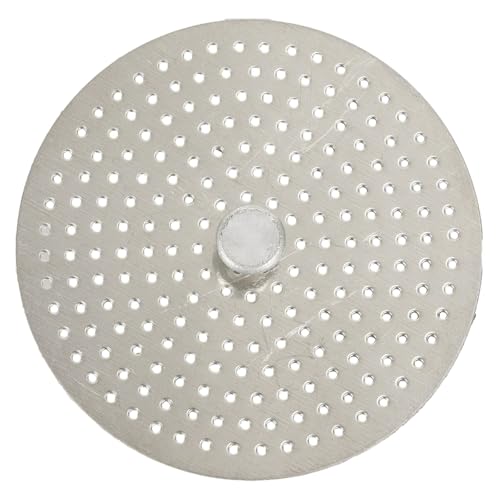 Stainless Steel Moka Pot Coffee Filter Disc for Espresso Brewing, Coffee Maker Replacement Filter Plate for Home Office Coffee Bar Cafe (FOR 4 Cups)
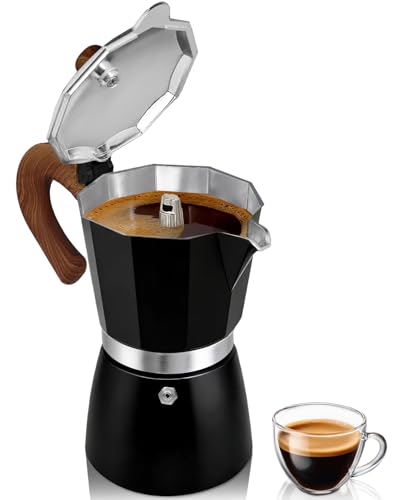 Belly Moka Coffee Maker Stovetop Espresso Maker 9 Cup Aluminum Moka Pot Percolator 15oz 450ml Easy Brewing for Electric Ceramic Stoves Home Camping Italian Cuban Café Classic Black
 Belly Moka Coffee Maker Stovetop Espresso Maker 6 Cup Aluminum Moka Pot Percolator 10oz 300ml Easy Brewing for Electric Ceramic Stoves Home Camping Italian Cuban Café Classic Silver