You bought a good coffee maker, you use filtered water, and you swapped the little charcoal puck once when you first got it. Then you forgot about it. Six months later, your coffee tastes flat, and a white crust is building up inside the reservoir. That’s the filter talking, and it’s not saying anything good.
Most manufacturers print “replace every 30 days” on the box, but that’s a one-size-fits-all number. The real interval depends on your water hardness, how many pots you brew per day, and whether you actually let the filter sit in water between brews. This article walks through the actual math, the signs you’ve waited too long, and the one exception where you can stretch the schedule.

BRENSTEN
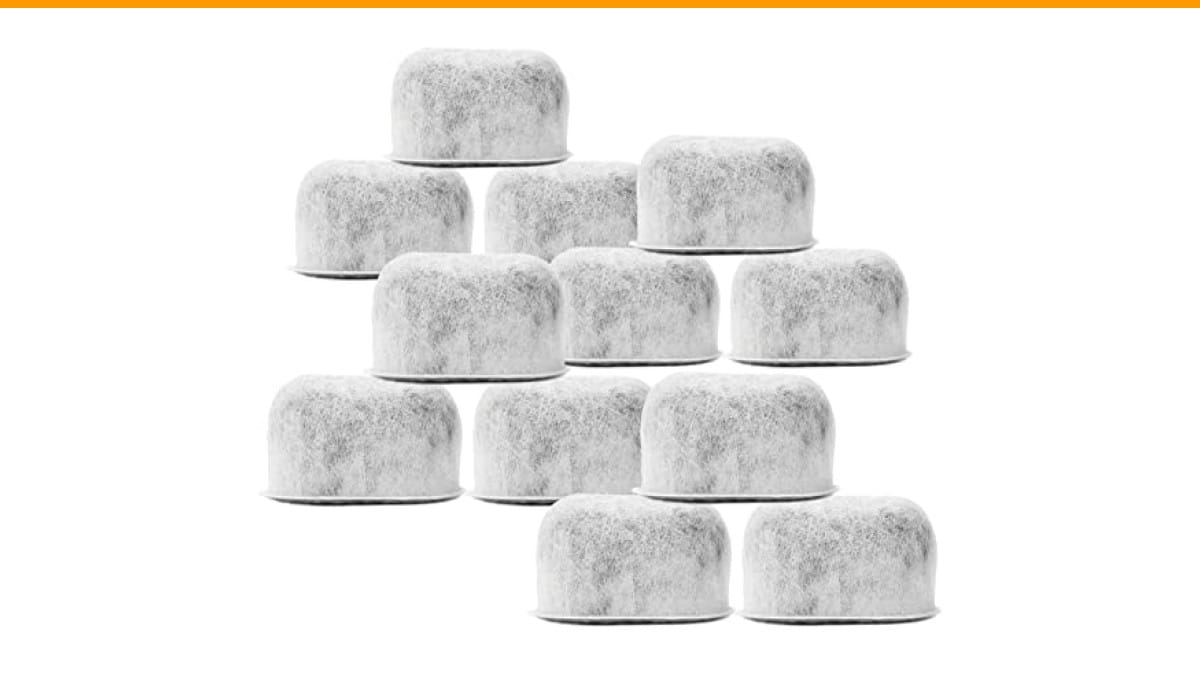
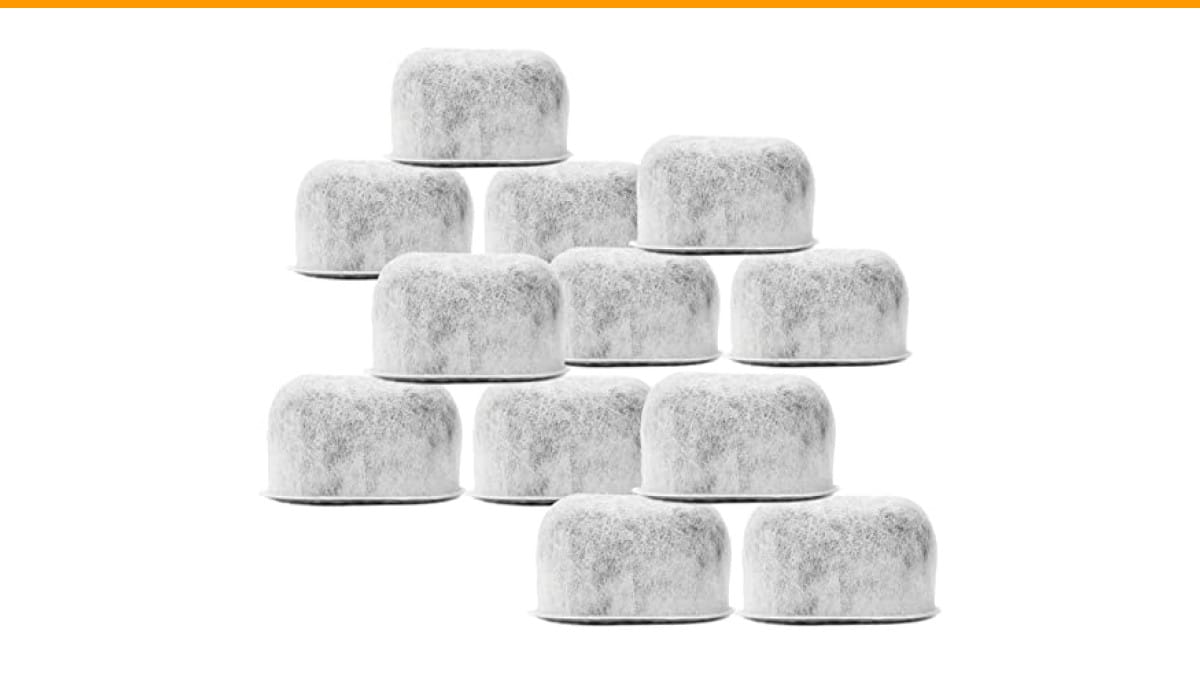
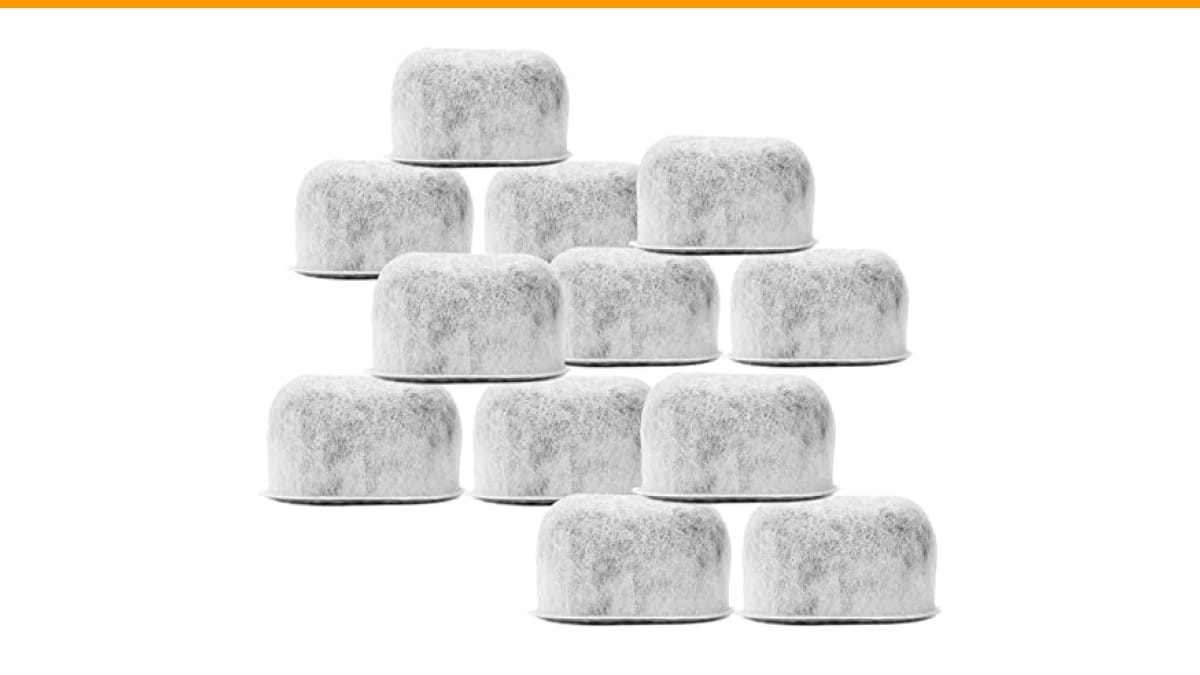
12 Pack Replacement Charcoal Water Filters for…
- ENJOY THE DELICIOUS TASTE AND AROMA OF BREWED COFFEE - Removes chlorine, odors, calcium, and other water impurities prior to brewi…
- COMPATIBLE WITH CUISINART COFFEE MAKERS – Specially designed for Cuisinart coffeemakers, these set of charcoal filter refills will…
- EASY TO INSTALL – Not only will these filters provide a less expensive way for you to enjoy delicious coffee, but they are also ve…
As an Amazon Associate I earn from qualifying purchases.
By the end, you’ll know exactly when to swap yours, and you’ll stop guessing.
If you’re using a Cuisinart machine, the BRENSTEN 12-pack charcoal water filters are a direct replacement for the OEM discs. They fit every Cuisinart model that takes a filter, and a 12-pack means you’re not ordering a single filter every month. It’s the kind of thing you buy once and forget about for a year.
The 30-Day Rule Is a Baseline, Not a Law
The 30-day recommendation comes from the manufacturer assuming average tap water and one or two pots per day. That’s a reasonable starting point, but it’s not a hard deadline. Activated charcoal stops adsorbing impurities once its pores fill up. That happens faster with hard water, slower with soft water.
Think of it like a sponge. A sponge soaks up water until it can’t hold any more. The charcoal does the same with chlorine, calcium, and odor compounds. Once saturated, it stops filtering and just sits there. Worse, it can become a breeding ground for bacteria if it stays wet and warm in the machine.
So the real question isn’t “what day of the month” — it’s “how much water has passed through this filter?”
What Actually Changes the Replacement Interval
Three factors matter more than the calendar.
Water hardness. Hard water contains calcium and magnesium ions that clog the charcoal pores quickly. If you see white scale on your kettle or faucet, you have hard water. Expect to replace the filter every two to three weeks, not four. If you have a whole-house softener, you can stretch to five or six weeks.
Brewing volume. A single-serve machine that brews one cup a day passes maybe 20 gallons through the filter in a month. A 12-cup drip machine brewing two full pots daily pushes three times that volume. Volume, not time, exhausts the charcoal.
Standing water. Some machines keep the filter submerged in the reservoir at all times. That’s fine for a week, but after three weeks, the water sitting against the charcoal starts to stagnate. If your machine holds water for days between brews, change the filter more often, even if you haven’t brewed much.
Here’s a rough guide based on real usage patterns:
| Usage Pattern | Water Hardness | Recommended Interval |
|---|---|---|
| 1 pot per day | Soft (below 60 ppm) | Every 6 weeks |
| 1 pot per day | Hard (above 180 ppm) | Every 3 weeks |
| 2+ pots per day | Soft | Every 4 weeks |
| 2+ pots per day | Hard | Every 2 weeks |
| Occasional (weekends only) | Any | Every 8 weeks |
These numbers assume you’re using a standard charcoal disc filter. Carbon block filters and inline filters last longer, but most home drip machines use the small disc type.
The Myth: “I Can’t Tell When It’s Worn Out”
You can absolutely tell. The filter doesn’t fail silently. The first sign is a change in taste — not necessarily bad, just flatter. The coffee loses its brightness. Chlorine notes start coming through, especially if you brew with tap water. That’s the charcoal quitting.
The second sign is visual. Take the filter out and look at it. A fresh one is dark black. A spent one looks gray or brownish, and the surface feels slimy if bacteria have started growing. If it looks like anything other than black, replace it.
The third sign is scale buildup. If you see white flakes in your carafe or a chalky ring at the water line, your filter stopped catching calcium long ago. That’s also a warning that your machine needs descaling.
One more thing people get wrong: rinsing the filter under the tap. A quick rinse to remove loose charcoal dust is fine. But holding it under running water for a minute doesn’t “recharge” it. Charcoal doesn’t work that way. Once the pores are full, water just flows past.
What Happens If You Never Replace It
Nothing dramatic happens overnight. The machine still brews. But over months, you get three problems.
First, the coffee tastes worse. You might blame the beans or the grinder, but the filter is the silent culprit. Second, scale builds up inside the heating element and the internal tubing. That restricts water flow, makes the machine run hotter, and eventually leads to weak, under-extracted coffee. Third, a wet, saturated filter can grow mold or bacteria. That’s not a taste issue — it’s a health issue.
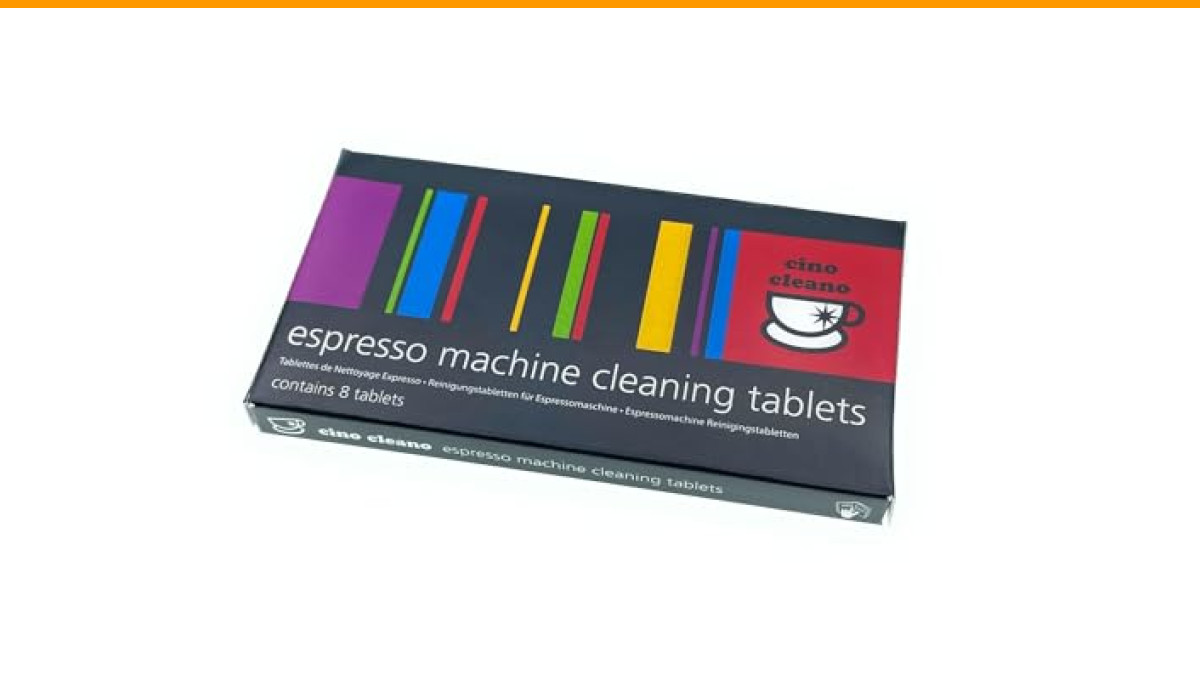
If you’ve neglected the filter for months, don’t just swap it and move on. Run a cleaning cycle with a descaling solution to flush the scale and any biofilm out of the system. Our deep cleaning guide covers the full process step by step.
Does the Filter Brand Matter?
OEM filters from Cuisinart, Mr. Coffee, and others work fine. Aftermarket filters like the BRENSTEN pack work fine too, and they cost less per filter. The key is that they fit properly and contain real activated charcoal, not just a plastic disc with a coating.
Cheap no-name filters sometimes use lower-grade carbon that exhausts faster. You’ll notice it because the coffee starts tasting off after two weeks instead of four. Stick with brands that list the model compatibility clearly and have actual customer reviews.
Five Questions People Actually Ask
Can I reuse a coffee machine water filter after drying it out?
No. Drying it doesn’t restore the charcoal’s adsorption capacity. Once the pores are full, they stay full. Drying might also crack the carbon structure, making it less effective. Buy a new one.
Does using bottled water mean I can skip the filter?
You can skip the filter if you use distilled or purified bottled water, but you don’t need to. Most bottled water still contains minerals, and the filter also removes odors and improves mouthfeel. If you skip it, make sure your machine doesn’t require it for warranty purposes — some manufacturers void coverage if the filter isn’t in place.
Why does my filter turn brown after a week?
Brown discoloration usually means your water has high iron or manganese content. It’s not harmful, but it means the filter is working hard. Replace it more frequently, and consider a whole-house sediment filter if the discoloration is severe.
Do espresso machines need water filters changed more often?
Espresso machines with a built-in water tank and filter use the same charcoal disc, but they heat water to higher temperatures, which can accelerate bacterial growth in a saturated filter. Change it every three to four weeks if you pull shots daily. If you own a plumbed-in machine with an inline filter, those typically last six months.
Is it safe to drink coffee from a machine with an old filter?
It’s not going to poison you, but it’s not ideal. A saturated filter can harbor bacteria, and the scale it lets through isn’t great for your stomach. The bigger risk is to the machine itself — scale buildup leads to leaks and heating failures. If your machine is acting up, check the filter first. Sometimes that’s the whole problem.
What to Do Right Now
Pull the filter out of your machine and look at it. If it’s gray, slimy, or you can’t remember when you last changed it, replace it today. Write the date on the new filter with a permanent marker, or set a recurring reminder on your phone.
- Replace every 30 days as a default, but adjust for your water hardness and brew volume.
- Hard water means more frequent changes — every 2 to 3 weeks is normal.
- If you brew more than two pots a day, cut the interval in half.
- Rinse a new filter under cold water for 15 seconds before installing it.
- Don’t dry and reuse filters. Once spent, they stay spent.
- If you see scale in your carafe, the filter is exhausted and your machine needs maintenance.
- A 12-pack of filters means you can set a monthly alarm and never think about it again.
One last thing: a filter is cheap insurance. A new coffee maker costs a hundred dollars or more. A pack of filters costs less than a bag of beans. Changing it on schedule protects both your coffee and your equipment. That’s the whole game.
Products related to this article
Sponsored / affiliate links. As an Amazon Associate I earn from qualifying purchases. I may earn additional commission from eligible campaigns.
 HomeBeyond Espresso Coffee Maker 12 Cups, Classic Stovetop Espresso Maker, 600ml / 20oz Coffeemaker for Gas & Ceramic Stovetops (Silver)
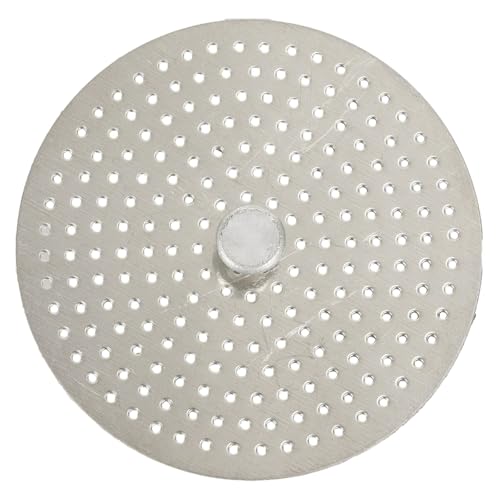 Stainless Steel Moka Pot Coffee Filter Disc for Espresso Brewing, Coffee Maker Replacement Filter Plate for Home Office Coffee Bar Cafe (FOR 4 Cups)
 Coffee Espresso Machine Handle Replacement Parts, Cafe Bracket Handle for Lidl Silvercrest CM4621 CM4218 KF5002 KF500S Barista (for 51mm Portafilter Basket - Not included)