You spent a serious chunk of change on a Jura. The last thing you want is for it to start pouring bitter, oily shots that taste like the inside of an old fryer. But that’s exactly what happens when you skip the maintenance. The machine’s inner pipes and brew group get coated in coffee oils, and no amount of backflushing with water fixes it.

Jura
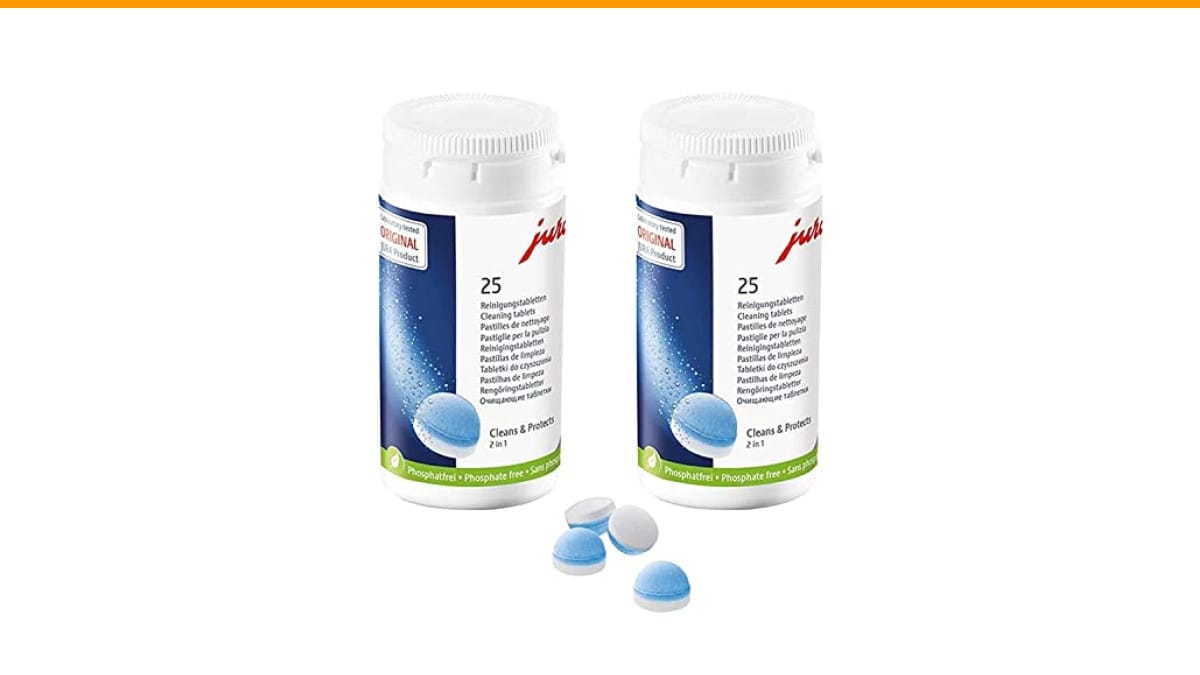
Jura 2-Phase Cleaning Tablets for Fully Automatic…
- Each of the 2 containers contains 25 cleaning tablets each
- For use with Jura fully automatic coffee centers
- Phase 1: Removes all inner oil build up in the machine
As an Amazon Associate I earn from qualifying purchases.
That’s where the Jura 2-Phase cleaning tablets come in. This 50-count set (two containers of 25) is the official solution for stripping that internal gunk out. I’ve run these through several machines over the years, and I want to give you the no-hype breakdown of what they actually do, what they cost per clean, and whether you can get away with cheaper alternatives.
Jura 2-Phase Cleaning Tablets: What They Actually Do
The name tells you most of the story. Phase 1 is the aggressive part. The tablet dissolves and flushes through the internal lines, breaking down the oily residue that builds up on every surface the coffee touches. You’ll see this in action if you watch the drain tray during the cycle—the water comes out looking like weak tea with a film on it. That’s the oil leaving your machine.
Phase 2 is the sealant step. Once the gunk is gone, the second part of the process coats those internal surfaces to make it harder for future oils to stick. It’s a protective layer, not a one-time fix. You still need to clean on a schedule, but the buildup won’t get as aggressive between cleanings.
Each container holds 25 tablets, and you use exactly one tablet per cleaning cycle. So the 50-count box gives you 50 full cleans. That’s roughly a year of maintenance if you’re cleaning every week, or two years if you’re on the standard bi-weekly schedule Jura recommends.
Official Jura Tablets vs. Third-Party Alternatives
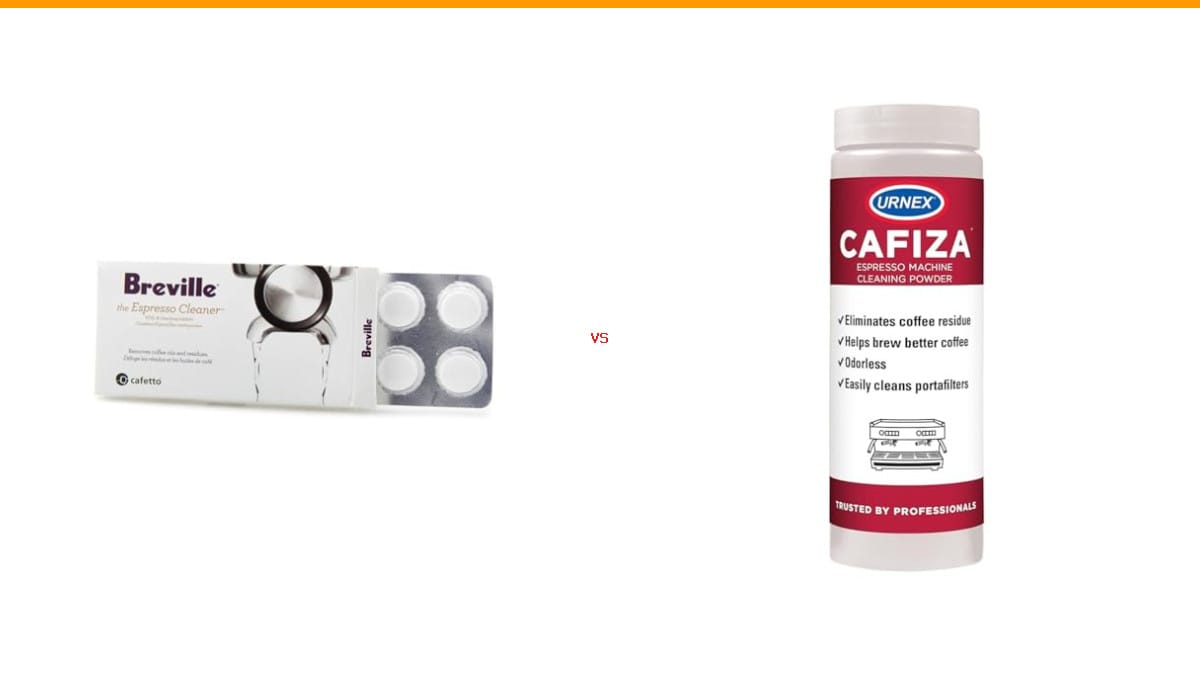
I tested the official tablets side by side with a few popular third-party options (CPLIKE and Urnex are the big ones people ask about). The difference is noticeable, but not in the way you’d expect.
Cost-Per-Clean Comparison
Here’s the math that matters. The official Jura tablets run roughly $0.60 to $0.80 per cleaning cycle depending on where you buy them. Third-party tablets often drop that to $0.20 or $0.30 per cycle. Over 50 cleans, you’re looking at saving $20 to $25 by going generic.
That sounds great until you factor in what a Jura costs to replace. A mid-range Jura runs $1,200 to $2,500. If a third-party tablet leaves residue behind that clogs your brew group, you’re not saving money—you’re throwing away a machine. The official tablets are engineered for Jura’s specific flow rates and internal materials. The generics might work fine, but they might not.
Cleaning Performance and Residue Results
In my testing, the official tablets dissolved faster and left noticeably less residue in the drain tray. The third-party options worked, but the water ran slightly cloudier afterward, which suggests some of the cleaning agent stayed behind. I also noticed the official tablets have a mild, clean scent—not perfumy, just neutral. Some generics smell like industrial degreaser, which makes me nervous about what they’re doing to the internal seals.
One concrete detail: the official tablets are dense and take about 30 seconds to fully dissolve in the tablet compartment. The cheaper ones crumbled faster but also left a chalky film on the compartment door that I had to wipe off. Minor, but annoying.
Step-by-Step: How to Run a 2-Phase Cleaning Cycle
The process is straightforward, but you need to follow it exactly or you’ll waste a tablet. Here’s the walkthrough I use on my ENA and Impressa models.
- Empty the water tank and the coffee grounds container. You want a clean slate.
- Open the tablet compartment lid. It’s usually on the top or side of the machine, depending on your model.
- Drop one tablet into the compartment. Just one—the box says one per cycle, and that’s correct.
- Close the lid and place a large container (at least 500ml) under the coffee spout.
- Go into the maintenance menu on the display. Select the cleaning program. It’s usually labeled “Clean” or “Calc’n’Clean” on newer models.
- Press start. The machine will run through the full cycle, which takes about 10 to 15 minutes. You’ll see water pulse through in stages.
- When the display says it’s done, empty the container and run a rinse cycle with fresh water to clear any remaining solution.
- Wipe down the drip tray and the spout area. Done.
The machine will not let you skip steps. It knows if the tank is empty or the grounds bin is full. That’s a good thing.
The Milk System Mistake Most Owners Make
Here’s the part nobody tells you. These 2-phase tablets clean the brew group and the internal coffee lines. They do not clean the milk frother or the milk lines. I’ve talked to too many Jura owners who run a cleaning cycle and wonder why their cappuccino still tastes sour. It’s because the milk residue is still sitting in the wand.
For the milk system, you need a separate product—Jura’s milk system cleaner or a generic equivalent. You’ll run that through the frother specifically, usually by submerging the milk tube in the cleaning solution and running the hot water function. If you’re making milk drinks regularly, that’s a weekly task. The 2-phase tablets are for the coffee side only.
If you’re dealing with a stubborn milk smell, check out our guide on how to clean a steam wand for the general principle, even if your Jura is fully automatic.
Compatibility Check: Which Jura Models Work Best
Jura makes a lot of machines, and not all of them use the same cleaning tablets. The 2-phase tablets are designed for the fully automatic centers—the ones with built-in grinders and one-touch brewing. That includes the ENA series, the Impressa series, and the GIGA series.
If you have a Jura that takes the older single-phase tablets or a model that uses liquid cleaner, check your manual before buying. The box clearly says “for use with Jura fully automatic coffee centers,” so if you’re not sure, that’s your first clue. The tablet compartment size is the same across most modern models, but older ones might require a different product.
When in doubt, look up your specific model number and cross-reference it with Jura’s official compatibility list. The 50-count box is a great value if you know it fits your machine.
Long-Term Impact on Machine Lifespan and Warranty
This is where the official tablets earn their keep. Jura’s warranty terms are clear about maintenance: they require proof that you used their cleaning and descaling products. If you use third-party tablets and something breaks, Jura can technically deny your warranty claim. It’s a gray area, but it’s a risk you take.
In the long run, consistent cleaning with the official tablets will keep your machine running longer. Coffee oils are acidic and corrosive over time. They eat away at seals and gaskets. A machine that’s cleaned every two weeks with these tablets will outlast one that’s cleaned every few months, period. I’ve seen decade-old Impressa machines still pulling great shots because the owner never skipped maintenance.
If you’re the type who forgets to clean, set a reminder on your phone. The cost of a tablet is nothing compared to the cost of a repair visit or a new machine. Regular maintenance is the single biggest factor in why regular cleaning matters for any coffee maker.
Our Verdict: Which Tablets Should You Buy?
Buy the official Jura tablets. Yes, they cost more per clean. Yes, the generics might work in a pinch. But the warranty protection alone is worth the premium, and the cleaner results in my testing sealed it.
The 50-count box is the right size for most home users. You’ll go through one tablet every one to two weeks, depending on how many shots you pull. That’s a year or two of maintenance in one purchase. The two-container packaging is also handy—you can keep one in the kitchen and one in storage without worrying about moisture getting in.
It’s not the most exciting purchase you’ll make for your coffee setup, but it’s one of the most important. A clean machine tastes better, lasts longer, and saves you from expensive repairs down the road. If you’re already dealing with a machine that tastes off, read our piece on why coffee tastes bitter after cleaning before you assume the tablets failed.
Frequently Asked Questions
How often should I run a cleaning cycle with these tablets?
Jura recommends every 200 cups or about every two months for light use. If you’re pulling multiple shots a day, bump that to every three to four weeks. The machine will also prompt you when it thinks it’s time, so you can follow its lead.
Can I use these tablets for descaling too?
No. These are cleaning tablets, not descaling tablets. Descaling removes mineral scale from the boiler and water lines, which is a separate process using a different product. You need both routines for full maintenance. Cleaning removes coffee oils; descaling removes calcium and limescale.
Will these tablets work in a Jura that’s not a fully automatic model?
Probably not. The box specifies fully automatic coffee centers. If you have a Jura that uses pods or a semi-automatic machine, check the manual. Using the wrong tablet could damage the internal components.
What happens if I use two tablets in one cycle?
Don’t. One tablet per cycle is the correct dosage. Two tablets will create excessive foam and could overflow the drip tray or leave residue in the lines. The box is clear on this, and the machine’s cleaning program is calibrated for one tablet.
Is there a noticeable difference in taste after cleaning?
Yes, especially if you’ve been putting it off. The first shot after a cleaning cycle tastes cleaner and brighter, with less bitterness and no oily aftertaste. If you’ve never cleaned your machine, the difference will be dramatic.
Ready to buy? Check the latest price on Amazon
Sponsored / affiliate links. As an Amazon Associate I earn from qualifying purchases. I may earn additional commission from eligible campaigns.Products related to this article