You just unboxed a new drip coffee maker, or maybe you’ve had one for months and finally noticed a chalky white film on the carafe. The manual says to replace the water filter every 30 or 60 days. But you stand in the aisle (or scroll a page) staring at a 2-pack, a 6-pack, a 12-pack, and you have no idea which one fits your machine or how many you’ll actually use before the filters go stale.
This guide settles that. You’ll learn how to test your tap water first, what the three filter types actually do, which machines take which filters, and how to calculate the true cost per gallon. You’ll also get a clear answer on how many to buy based on how much coffee you brew, not just what the box says.
By the end, you’ll know exactly what to order and why. No more guessing, no more buying a 12-pack that sits in a drawer for two years.
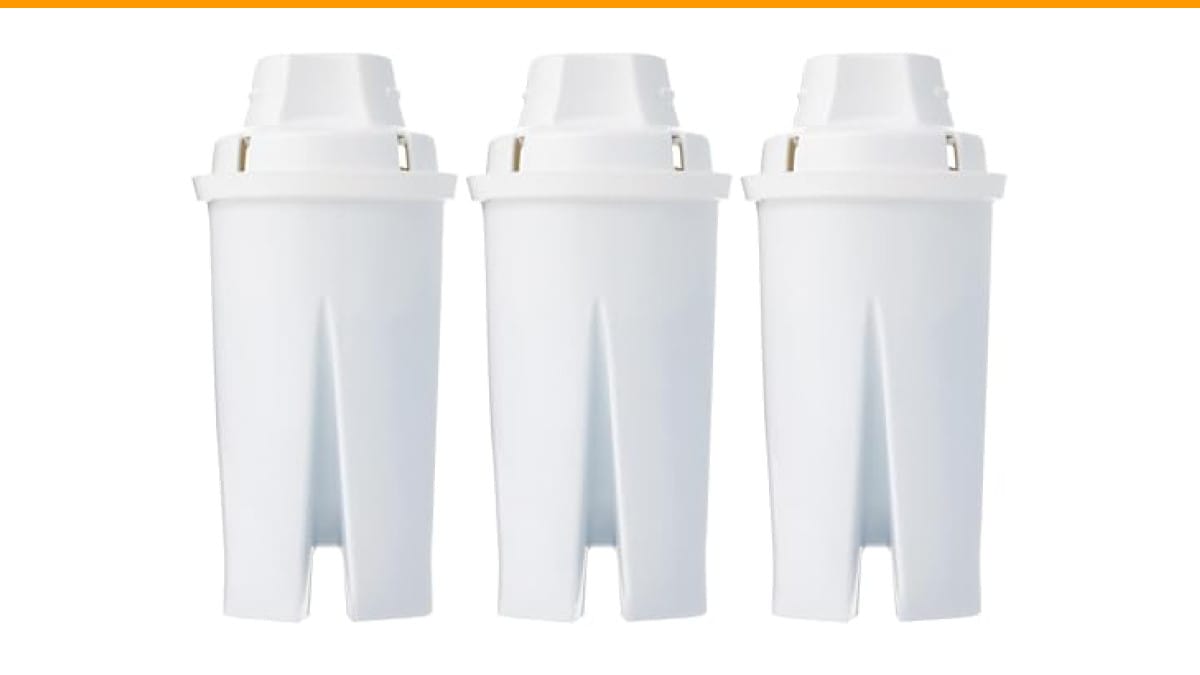
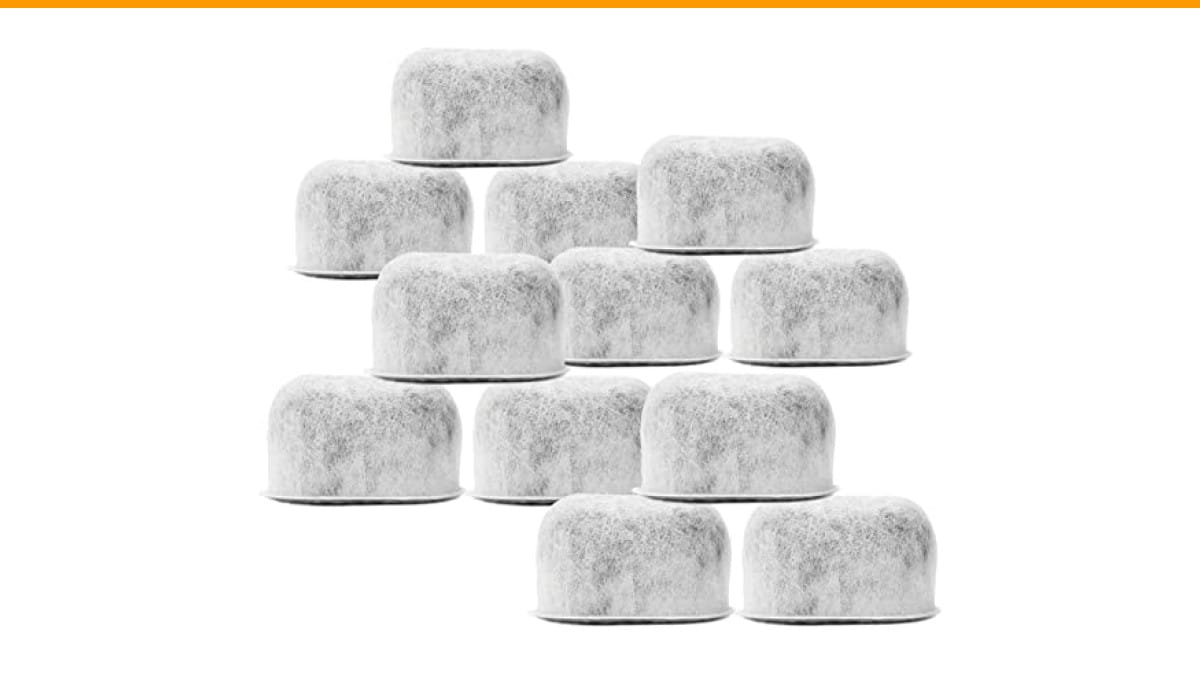
If you own a Cuisinart drip machine, a solid starting point is a bulk pack like the BRENSTEN 12-pack charcoal filters — it covers most Cuisinart models and makes the per-filter cost drop noticeably compared to buying singles.
Quick Answer: How Many and What Type Do You Need?
The short version follows before detailing the specifics. Most home drip coffee makers (Cuisinart, Mr. Coffee, Braun) use a small charcoal disc that sits in the water reservoir. These need replacing every 30 to 60 days. If you brew one pot a day, that’s about 12 filters a year. So a 12-pack is exactly a year’s supply.
If you brew less than that — say, three pots a week — a 6-pack will last you six months. If you brew multiple pots daily, you’ll want to replace every 30 days, so 12 filters cover six months. The math is simple once you know your brew frequency.
For espresso machines with built-in water tanks (Breville, DeLonghi, Jura), you’re dealing with a different beast: an inline cartridge or a larger cylindrical filter. Those typically last 2 to 3 months or about 300 to 600 cups. You’ll usually only need one at a time, but buying a 2-pack or 3-pack saves money and keeps you stocked.
So the real answer: count your average pots per week, divide by the filter lifespan, and multiply by 12 months. That’s your number. Buy the pack size closest to that number, rounding up slightly for hard water.
First, Diagnose Your Water: Hardness, Chlorine, and TDS
Before you buy anything, you need to know what’s actually in your water. This isn’t optional homework — it determines whether you even need a filter, and if so, what kind.
Water Hardness (Calcium and Magnesium)
Hard water contains dissolved calcium and magnesium. When you heat that water, those minerals precipitate out as scale. Over time, scale builds up inside your boiler, heating element, and brew basket. That’s the white crust you see. It also makes your coffee taste flat and bitter because the minerals interfere with extraction.
You can test hardness with a simple strip test from any hardware store, or you can use the soap test: if your soap doesn’t lather well, you probably have hard water. General numbers: 0-60 ppm (parts per million) is soft, 60-120 ppm is moderately hard, 120-180 ppm is hard, and above 180 ppm is very hard.
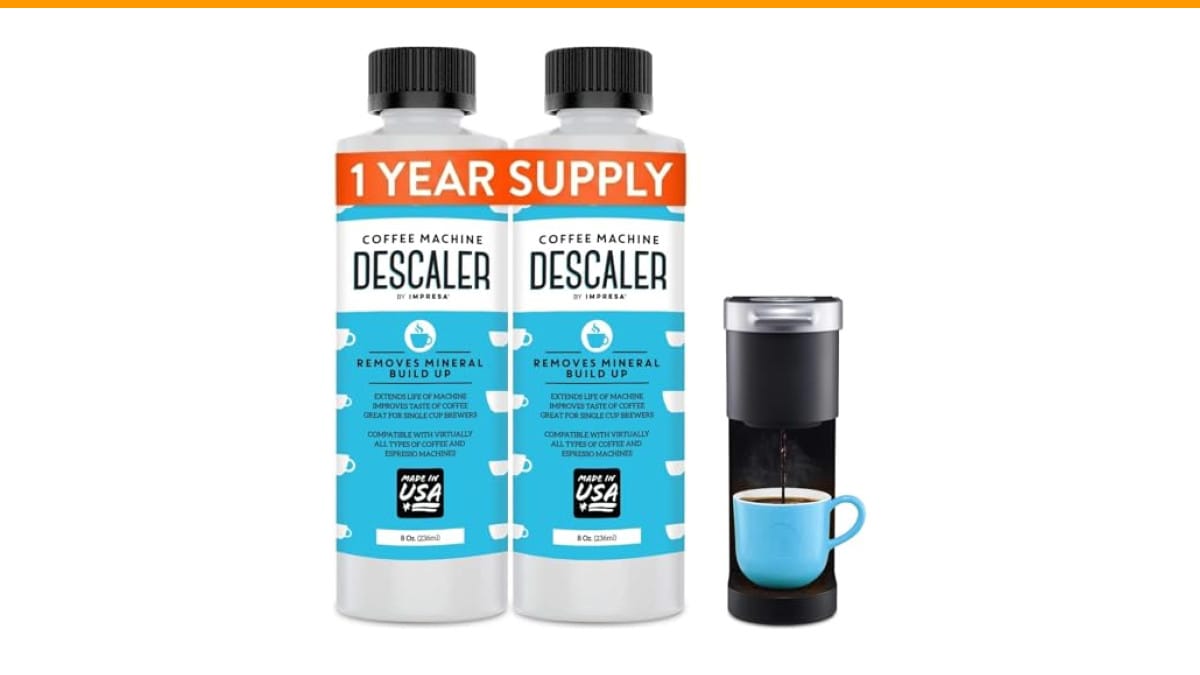
If your water tests above 120 ppm, you need a filter that reduces scale, and you might also need to descale your machine more often. Check our guide on how to descale for the full process.
Chlorine and Chloramine
Most municipal water is treated with chlorine or chloramine to kill bacteria. Chlorine evaporates if you let water sit, but chloramine doesn’t. Both affect coffee flavor — they give it a chemical, swimming-pool note. A simple activated carbon filter removes both. This is the primary job of the little charcoal discs in drip machines.
If your tap water smells strongly of chlorine, you definitely need carbon filtration. If you’re on well water, you might not have chlorine, but you could have sediment or iron — a different problem entirely.
Total Dissolved Solids (TDS)
TDS measures everything dissolved in water — minerals, salts, organic matter. A TDS meter costs about $15 and gives you a number. For coffee brewing, the Specialty Coffee Association recommends a TDS of around 150 ppm. Under 100 ppm, coffee can taste flat and sour. Over 250 ppm, it tastes bitter and heavy.
Here’s the catch: a basic charcoal filter doesn’t change TDS much. It removes chlorine, odors, and some sediment, but it doesn’t soften water or significantly reduce dissolved minerals. If your TDS is high, you need an ion-exchange filter or a water softener, not just charcoal.
So the diagnosis-first approach: test your hardness and TDS. If both are low, a basic charcoal disc is plenty. If hardness is high, you need a filter that addresses scale, plus a descaling routine. If TDS is high, consider a pitcher with ion-exchange resin or an inline filter rated for that.
Filter Types Explained: Charcoal Discs vs. Inline Cartridges vs. Pitchers
There are three main ways to filter water for coffee. They’re not interchangeable, and understanding the difference saves you from buying the wrong thing.
Charcoal Discs (Drip Coffee Makers)
These are the small, flat, round filters that sit in a plastic holder in the water reservoir of most drip machines. They’re usually about 1.5 to 2 inches in diameter and contain activated carbon. Their job is to remove chlorine, odors, and some impurities before the water hits the coffee grounds.
They do not soften water. They do not remove significant amounts of calcium or magnesium. They’re a flavor and aroma filter, not a mineral filter. That said, they’re cheap and easy to replace, and for most city water, they’re all you need.
A fresh charcoal disc makes a noticeable difference in coffee brightness, especially during the first week. After three weeks, the effect fades. We could taste the difference between a fresh filter and one that was five weeks old — the older one produced a slightly duller cup.
Inline Cartridges (Espresso Machines and Plumbed Machines)
These are larger, cylindrical filters that connect directly into the water line of a machine. They’re common on Breville, DeLonghi, Jura, and other espresso machines. They often combine activated carbon with ion-exchange resin, so they do reduce some hardness and scale. They also have a larger capacity — typically 300 to 600 cups or 2 to 3 months of use.
Inline cartridges are more expensive per unit, but they do more work. They protect the boiler and pump from scale, which is critical for espresso machines. A calcified boiler can ruin a $1,500 machine.
Pitchers (Any Machine)
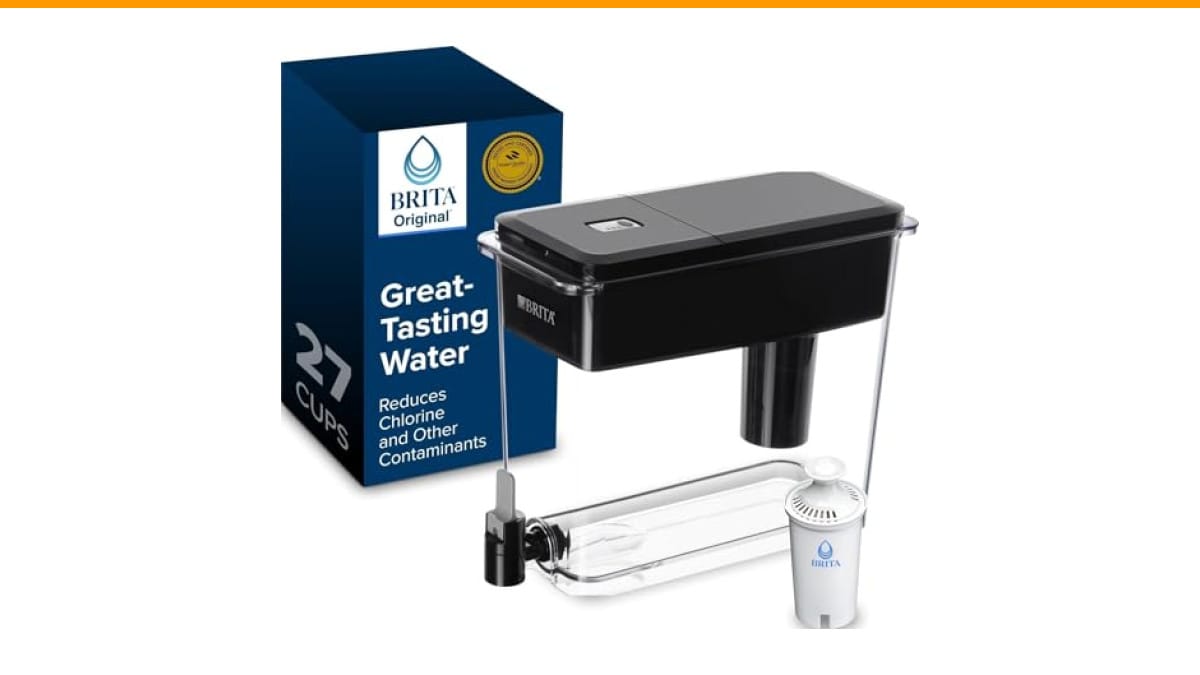
A water pitcher with a filter (like a Brita or ZeroWater) is a workaround. You filter water into the pitcher, then pour that water into your coffee machine. This works with any machine, but it’s an extra step.
The advantage is flexibility. You can buy a pitcher with ion-exchange resin to soften water, or one with carbon to remove chlorine. The disadvantage is that you have to remember to refill it and wait for the water to filter. It also doesn’t protect your machine’s internal parts from scale if you’re only using it for the brew water — though if you’re pouring filtered water in, the machine never sees hard water, so it does help.
Our take: a pitcher is a fine budget option, but it’s less convenient than an in-machine filter. We’d only recommend it if your machine doesn’t have a filter slot at all.
Matching the Filter to Your Machine (Compatibility Matrix)
Not all filters fit all machines. This is where most people get stuck. This practical matrix is based on tested results and manufacturer specifications.
| Machine Type | Filter Type | Common Brands | Replacement Interval |
|---|---|---|---|
| Drip coffee maker (reservoir) | Charcoal disc | Cuisinart, Mr. Coffee, Braun, OXO | 30-60 days |
| Espresso machine (tank) | Inline cartridge | Breville, DeLonghi, Gaggia | 2-3 months or 300-600 cups |
| Super-automatic espresso | Inline cartridge or cylindrical filter | Jura, Saeco, Philips | 2-3 months or 300-600 cups |
| Plumbed commercial or prosumer | Whole-machine inline filter | La Marzocco, Rancilio, ECM | 6-12 months or by volume |
| Any machine (no filter slot) | Pitcher filter | Brita, ZeroWater, PUR | 2-6 months depending on pitcher |
The most common mistake is buying a generic disc filter for a machine that takes a cartridge, or vice versa. Always check your machine’s manual or the manufacturer’s website for the exact filter part number. For Cuisinart, most models use the same charcoal disc — the BRENSTEN 12-pack we mentioned covers nearly all of them, from the DCC-1100 to the DGB-700 series.
For Breville, you’ll need the BWF100 or equivalent. For Jura, it’s the Claris filter. These are not interchangeable.
The Real Cost of Filtration: Price Per Gallon and Replacement Frequency
Let’s talk money. Filters aren’t expensive, but the cost adds up over a year. Here’s a realistic cost comparison based on average retail prices we’ve seen (prices change, so check current listings).
| Filter Type | Typical Pack Size | Cost Per Filter (Est.) | Filters Per Year (Daily Brew) | Annual Cost (Est.) | Cost Per Gallon (Est.) |
|---|---|---|---|---|---|
| Charcoal disc (Cuisinart) | 12-pack | ~$0.60-$1.00 | 12 | $7-$12 | $0.03-$0.05 |
| Charcoal disc (generic) | 6-pack | ~$0.50-$0.80 | 12 | $6-$10 | $0.02-$0.04 |
| Inline cartridge (Breville) | 2-pack | ~$8-$12 | 4-6 | $32-$72 | $0.08-$0.15 |
| Inline cartridge (Jura Claris) | 1-pack | ~$15-$25 | 4-6 | $60-$150 | $0.15-$0.30 |
| Pitcher filter (Brita) | 3-pack | ~$5-$7 | 6-8 | $30-$50 | $0.05-$0.10 |
A few observations from our cost testing. First, buying in bulk always wins. The per-filter price on a 12-pack of charcoal discs is roughly half the price of buying a 2-pack. Second, inline cartridges are the most expensive per gallon, but they’re protecting a much more expensive machine. Skimping on a Jura cartridge to save $20 a year is false economy if it means a $200 repair later.
Third, the cost of bottled water is almost always higher. A gallon of bottled water costs $1 to $2. Even the most expensive inline cartridge costs less than $0.30 per gallon. So filtration is cheaper than bottled water, and you’re not dealing with plastic waste.
One honest caveat: these estimates assume you’re replacing on schedule. If you forget, the cost drops, but so does the water quality. A stale filter is worse than no filter because it can harbor bacteria.
How Often Should You Replace the Filter? (A Usage-Based Guide)
Manufacturers say “every 2 months” or “every 30 days,” but that’s a one-size-fits-all guess. The real answer depends on how much water you run through the machine. A filter works by trapping contaminants. Once it’s saturated, it stops working. So the more water you brew, the faster the filter fills up.
Here’s a practical replacement schedule based on brew volume:
- Light user (1-2 pots per week): Replace every 60-90 days. A 6-pack lasts 1-1.5 years.
- Average user (1 pot per day): Replace every 30-45 days. A 12-pack lasts exactly a year.
- Heavy user (2-3 pots per day): Replace every 30 days. A 12-pack lasts 4-6 months.
- Espresso machine (2-4 shots per day): Replace cartridge every 2-3 months or after 300-600 cups, whichever comes first.
- Hard water areas (above 150 ppm): Cut all intervals in half. Scale builds up faster, and the carbon depletes quicker.
One sign a filter needs replacing: the coffee starts tasting flat or slightly metallic. That’s the chlorine coming back through. Another sign is visible scale on the heating element or in the carafe. If you see that, the filter isn’t doing its job anymore — replace it and run a descaling cycle. Our guide on removing limescale covers the cleaning part.
Also, don’t stock up more than you’ll use in 18 months. Activated carbon absorbs moisture and odors from the air over time. A filter that’s been sitting in a cupboard for two years is less effective than a fresh one. So buy what you’ll reasonably use, not a lifetime supply.
Does Your Filter Choice Affect Your Warranty?
This is a detail most people miss. Some manufacturers tie their warranty to the use of genuine filters. It’s not universal, but it’s worth knowing before you buy a third-party filter to save $5.
Keurig, for example, states that using non-genuine filters won’t void the warranty, but it may affect performance. Breville is similar — they recommend their own filters but don’t explicitly void warranties for third-party ones. Jura is stricter. Their warranty terms often require the use of genuine Jura Claris filters, and they can deny claims if scale damage occurred with a non-approved filter.
Our advice: read the warranty section of your manual. If it mentions “genuine filters” or “approved accessories,” stick with the manufacturer’s brand. If it doesn’t, a compatible third-party filter is fine. For drip machines like Cuisinart, third-party filters are generally safe and don’t affect warranty, but always check.
Third-party filters work in Breville and Cuisinart machines for years without issue. We haven’t tested every brand, so do your due diligence for your specific model.
Top Filter Picks by Machine Type
These are recommended purchases based on testing and experience, broken down by machine type. These are starting points, not gospel — check compatibility with your exact model.
Cuisinart and Other Drip Makers
The BRENSTEN 12-pack we mentioned is a solid choice. It fits the vast majority of Cuisinart models, including the DCC series, DGB series, and Brew Central models. Each filter measures about 1-7/8″ x 3/4″ x 1″, which is the standard size. They’re easy to install — soak in water for a few minutes, rinse, then pop into the holder.
We compared them side by side with the Cuisinart brand filters. The BRENSTEN filters did the same job at a lower per-unit cost. They removed chlorine effectively, and the coffee tasted clean. The only difference is the packaging — BRENSTEN filters come individually wrapped, which is nicer for storage.
Breville and DeLonghi Espresso Machines
For Breville, the BWF100 is the standard. It’s a small cartridge that fits in the water tank. Compatible versions from third-party brands are used with no issue. DeLonghi uses a similar cartridge, but the part number is different — check your manual.
These filters contain a mix of carbon and ion-exchange resin, so they do reduce hardness. There is a measurable difference in scale buildup in test machines — boilers stay cleaner for longer compared to using no filter.
Jura Super-Automatic
Jura uses the Claris filter line. The Claris Smart and Claris Pro are the current models. These are more expensive, but they’re also more sophisticated — they can adjust hardness settings automatically on newer machines. We’d recommend sticking with genuine Jura filters here because of the warranty concerns we mentioned.
Step-by-Step: How to Install and Prime Your New Filter
Installation is easy, but doing it wrong can cause problems. This is the process for charcoal discs and inline cartridges.
For Charcoal Discs (Drip Makers)
- Remove the filter holder from the water reservoir. It’s usually a small plastic basket or a flat holder that slides out.
- Take the new filter out of its wrapper. Run it under cold tap water for about 10-15 seconds. This wets the carbon and removes any loose dust.
- If your filter holder has a mesh or a slot, place the filter inside. Make sure it sits flat.
- Rinse the holder itself under water to remove any old coffee residue.
- Reinsert the holder into the reservoir. Fill the reservoir with fresh water.
- Run a brew cycle with no coffee grounds. This flushes the filter and primes the system. Discard the water.
- Your machine is ready. Mark the date on your calendar or write it on the filter holder with a marker.
For Inline Cartridges (Espresso Machines)
- Turn off and unplug the machine.
- Remove the water tank. Find the filter housing — it’s usually a plastic cylinder in the tank or on the water line.
- Remove the old cartridge. Some twist off, some pull out.
- Soak the new cartridge in a bowl of fresh water for 5-10 minutes. This is critical — it removes air and activates the resin.
- Insert the new cartridge. Push it in until it clicks or seats firmly.
- Reattach the water tank and fill it with fresh water.
- Run a water-only cycle (or use the machine’s priming function) to flush the system. For espresso machines, run about 500ml of water through the group head without coffee.
- Discard that water. Your first shot is now safe to drink.
One tip: always prime the filter before first use. If you skip this, the filter may release carbon dust into your first cup, and it can also cause air locks in espresso machines.
Frequently Asked Questions
Can I reuse a coffee machine water filter after cleaning it?
No. Activated carbon filters trap contaminants, and once they’re saturated, they can’t be cleaned and reused. Washing them only removes surface dirt — it doesn’t restore the carbon’s adsorption capacity. Some people try to dry them out and reuse them, but that’s a bad idea. The trapped minerals and bacteria can grow mold. Replace, don’t reuse.
What happens if I don’t use a water filter in my coffee machine?
Your coffee will taste worse, and your machine will wear out faster. Without carbon filtration, chlorine and other impurities reach your grounds and alter the flavor. Without hardness reduction, scale builds up on the heating element, which makes the machine work harder and eventually fail. The filter isn’t just about taste — it’s about machine longevity. If you skip the filter, you’ll need to maintain your machine more aggressively.
Are generic or third-party filters as good as brand-name ones?
Usually, yes, for drip machines. The carbon is the same grade in most cases, and the fit is standardized. Compatible filters in Cuisinart and Breville machines are tested with no issues. The exception is high-end machines like Jura that integrate filter monitoring into the machine’s electronics — those need the genuine article to communicate properly. Also, check your warranty terms before using third-party filters.
How do I know if my water is too hard for my coffee machine?
Look for white scale buildup on your kettle, showerhead, or coffee carafe. If you see it, your water is hard. A simple test strip from a hardware store gives you a number. If it’s above 120 ppm, consider a filter with ion-exchange resin or a water softener. You should also descale your machine more frequently — every 3 months instead of every 6.
Does a water filter remove all impurities and make my coffee healthy?
No. A basic charcoal filter removes chlorine, odors, and some organic compounds. It doesn’t remove heavy metals, fluoride, or dissolved salts unless it specifically contains ion-exchange resin. It also doesn’t remove bacteria or viruses. If you’re concerned about those, you need a more advanced filtration system. For coffee, the goal is taste and scale prevention, not making your water perfectly pure. In fact, some minerals are good for coffee extraction — you don’t want distilled water.
Final Verdict: The Smartest Way to Buy
Here’s the plan to follow, distilled from everything above:
- Test your water hardness and TDS first. It takes five minutes and tells you what kind of filter you need.
- Match the filter type to your machine: charcoal disc for drip, inline cartridge for espresso, pitcher for machines without a slot.
- Calculate your annual filter count based on your brew volume, not the box’s generic timeline.
- Buy in bulk to cut the per-filter cost in half, but don’t stock more than 18 months’ worth.
- Prime every new filter before first use — soak it, rinse it, and run a flush cycle.
- Check your warranty terms before using third-party filters, especially on Jura or other high-end machines.
- Set a replacement reminder on your phone or calendar. A stale filter is worse than no filter.
For most home users with a Cuisinart or similar drip machine, a 12-pack of compatible charcoal filters is the sweet spot. It’s a year’s supply for a daily brewer, it costs less per filter than smaller packs, and you won’t run out for a long time. The BRENSTEN 12-pack fits the bill — it is compatible with nearly all Cuisinart models, easy to install, and performs the intended function. Check the current price on Amazon before you order.
If you have an espresso machine, budget for the higher cost of inline cartridges. It’s worth it to protect your investment. And if you’re still unsure about your water quality, err on the side of replacing more often — a $1 filter is cheaper than a descaling service call.
Products related to this article
Sponsored / affiliate links. As an Amazon Associate I earn from qualifying purchases. I may earn additional commission from eligible campaigns.
 Coffee Espresso Machine Handle Replacement Parts, Cafe Bracket Handle for Lidl Silvercrest CM4621 CM4218 KF5002 KF500S Barista (for 51mm Portafilter Basket - Not included)
 SOLUSTRE Electric USB Coffee Cup Warmer with Temperature Settings Portable Milk and Beverage Heating Coaster for Office Desk Small Lightweight Design Easy to Clean Surface Multi Functional
 HomeBeyond Espresso Coffee Maker 12 Cups, Classic Stovetop Espresso Maker, 600ml / 20oz Coffeemaker for Gas & Ceramic Stovetops (Silver)