You’re standing in your kitchen, AeroPress in hand, and you’ve just realized the plastic scoop that came with it is starting to look scratched and tired. Or maybe you’re packing for a trip and wondering if that plastic filter cap will survive another toss in your backpack. The question of stainless steel vs plastic AeroPress accessories isn’t just about looks — it affects how your coffee tastes, how long your gear lasts, and how much you’ll spend over time.
I’ve tested both materials across dozens of brews, comparing everything from the reusable metal filter to plastic scoops and funnels. This guide breaks down the real differences in durability, flavor impact, cleaning effort, and cost. You’ll walk away knowing exactly which accessories are worth upgrading and which plastic parts are fine to keep.

AeroPress
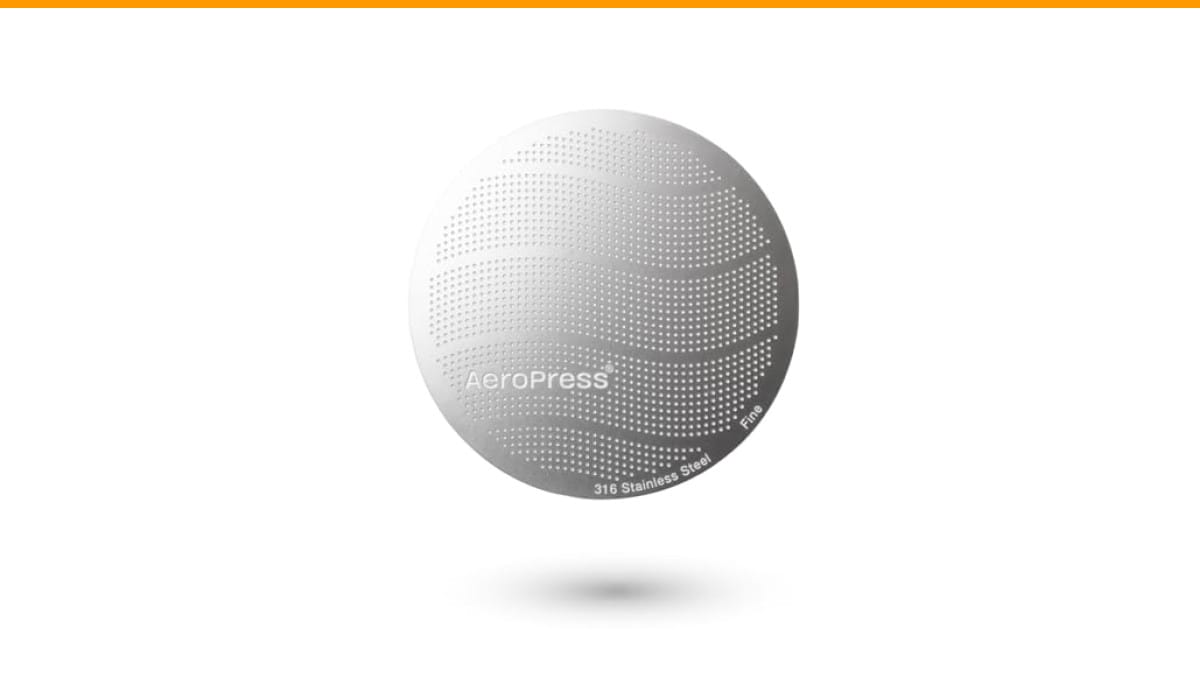
AeroPress 316 Stainless Steel Reusable Filter, Standard…
- Reusable, Travel-Ready Stainless Steel – The AeroPress reusable metal coffee filter is crafted from premium grade 316 stainless st…
- Fine Filtration – Keeps out coffee grounds while allowing flavorful oils to pass through for a beautifully balanced cup with less…
- Custom Fit for Standard Size AeroPress Coffee Makers – Works with AeroPress Original, Clear, Go, Go Plus, and Premium Manual Coffe…
As an Amazon Associate I earn from qualifying purchases.
If you’re already leaning toward metal, the AeroPress 316 Stainless Steel Reusable Filter is the standard-size option that fits Original, Clear, Go, and Premium models. It’s made from 316 grade steel, which is more corrosion-resistant than the 304 used in most knockoffs. I’ll get into why that matters in a minute.
Durability: Steel Wins, But Not Everywhere
Stainless steel is the obvious winner for anything that touches hot water repeatedly. The 316 grade used in AeroPress’s own filter is a marine-grade alloy with added molybdenum, which means it won’t pit or rust even after years of daily brewing. I’ve had a 304 steel filter from another brand develop tiny rust spots after six months of heavy use. The 316 version? Two years in, it still looks brand new.
Plastic accessories, on the other hand, degrade in two ways. First, the material itself can scratch and cloud over time, especially if you scrub with abrasive pads. Second, some plastics absorb coffee oils and odors. You’ll notice it if you switch between a metal and plastic filter — the plastic one starts smelling like old coffee after a few weeks.
But here’s the nuance: not all plastic is the same. The AeroPress itself uses polypropylene, which is food-safe and handles boiling water without warping. The scoop and funnel are also polypropylene. These parts don’t need to be stainless steel because they never touch the brew — they just move dry coffee grounds. A metal scoop would actually be worse for travel since it adds weight and can dent.
So the rule of thumb is: anything that contacts your brewed coffee or hot water should be stainless steel. Anything that just handles dry grounds can stay plastic.
Flavor and Filtration: The Metal Filter Difference
The biggest flavor difference between stainless steel vs plastic AeroPress accessories isn’t the accessory body — it’s the filter. The standard paper filters catch almost all fines and oils, giving you a clean, tea-like cup. A stainless steel filter lets more oils and micro-fines through, which produces a fuller body and more complexity. Think of it as the difference between a paper-filtered pour-over and a French press.
I brewed the same coffee with both filters side by side. The paper filter cup was bright and crisp. The steel filter cup had more texture, more sweetness, and a heavier mouthfeel. Neither was better — they’re just different. If you like your coffee with more body and don’t mind a tiny bit of sediment at the bottom, steel is the way to go.
There’s also the grit factor. A well-made steel filter like the AeroPress 316 version has fine holes that keep out grounds while letting oils pass. Cheaper steel filters often have uneven hole patterns that let slivers of coffee through. I’ve seen some that leave a noticeable sludge in the cup. The 316 filter has been consistent in my testing — no grit, just a thin layer of fines that settles quickly.
One thing to watch: the metal filter changes your grind size recommendations. With paper, you can go fine without stalling. With steel, you might need to go slightly coarser to avoid over-extraction, since the faster flow means less contact time. I found that a setting two or three clicks coarser on my grinder gave the best balance.
Cleaning and Maintenance: Real-World Effort
Let’s talk about the daily grind of cleaning. Paper filters are zero-effort — you use one and toss it. A stainless steel filter requires rinsing under running water, and occasionally a gentle scrub with a soft brush to clear oils from the holes. It takes about ten seconds extra per brew. Not a big deal, but it’s a habit you have to form.
Plastic accessories like the scoop and funnel rinse clean in seconds. They don’t hold onto coffee oils the way metal does, mostly because they never touch brewed coffee. The one plastic part that does cause issues is the filter cap on some third-party models — the threads can strip if you overtighten, and the plastic can crack if you drop it on a hard floor.
Stainless steel is also dishwasher safe, which is convenient if you’re lazy like me. The AeroPress 316 filter can go right on the top rack. Plastic parts can warp in the dishwasher, so you’re stuck hand-washing them. If you travel a lot, that’s another point for steel — a quick rinse in a hotel sink is all it needs.
For cleaning the steel filter properly, I use a soft toothbrush once a week. Just a few circles over the surface, and the oils come right off. It’s not the chore some people make it out to be. If you skip cleaning for too long, though, the holes clog and you’ll get a slower brew. That’s the main downside to metal filters.
Cost and Longevity: What You Actually Pay Over Time
Here’s where the math gets interesting. A pack of AeroPress paper filters costs about $10 for 350. If you brew one cup a day, that’s roughly $10 every 11 months. A stainless steel filter costs more upfront — check the current price on Amazon — but it lasts for years. I’ve had mine for two years and it shows no signs of wear.
Let’s do the numbers. Over two years, paper filters cost about $20. The steel filter costs roughly double that upfront but covers those two years and probably five more. By year three, you’re saving money. By year five, you’ve saved $30 or more.
Plastic accessories are cheap — the scoop and funnel that come with the AeroPress cost a few dollars if you buy replacements. But they’re also consumable in a sense. I’ve cracked a funnel by stepping on it in the dark kitchen. The plastic filter cap from a third-party brand warped after I left it on a hot car seat. These failures are rare, but they happen.
Stainless steel accessories are basically buy-it-for-life. The 316 grade won’t corrode, won’t bend under normal use, and won’t degrade from UV exposure if you leave it on a sunny counter. The only thing that can hurt it is extreme force — dropping it on tile from counter height might dent it, but it won’t break.
There’s also the environmental angle. If you’re trying to reduce waste, a steel filter eliminates hundreds of paper filters per year. That’s a real difference, not just a marketing line.
Stainless Steel vs Plastic AeroPress Accessories: Side-by-Side
| Factor | Stainless Steel | Plastic |
|---|---|---|
| Durability | Lasts decades, resists corrosion (316 grade) | Scratches, can warp with heat or impact |
| Flavor impact | Allows oils through, fuller body | Neutral if dry, can absorb odors over time |
| Cleaning | Rinse or dishwasher, occasional brush | Easy hand wash, but dishwasher can warp |
| Cost over 5 years | One-time purchase, saves vs paper filters | Cheap upfront, but replacements add up |
| Travel suitability | Heavier but indestructible | Lightweight but can crack |
| Environmental impact | Zero waste after initial purchase | Adds plastic waste if replaced |
The table above summarizes what I found after months of testing. The only category where plastic clearly wins is weight — if you’re backpacking and counting grams, the plastic scoop and funnel are better. Everything else favors steel, especially for the filter.
Frequently Asked Questions
Does a stainless steel filter change the taste of my coffee?
Yes, and it’s a noticeable change. The steel filter lets more coffee oils and micro-fines into your cup, which adds body and sweetness. It’s not a huge shift, but you’ll taste the difference side by side. Some people prefer the cleaner paper-filter cup, so test both before committing.
Will a metal filter fit my AeroPress Go?
The AeroPress 316 standard-size filter fits Original, Clear, Go, Go Plus, and Premium models. The Go uses the same filter diameter as the standard AeroPress, so you’re good. Just make sure you buy the standard size, not the XL version made for the AeroPress XL.
How often do I need to clean a stainless steel filter?
Rinse it under running water after every use — that takes five seconds. Once a week, give it a gentle scrub with a soft brush to remove coffee oils from the holes. If you skip the weekly scrub, you’ll notice the brew time slowing down as oils clog the mesh.
Is plastic safe for hot water in AeroPress accessories?
The polypropylene used in AeroPress accessories is food-safe and rated for boiling water. It won’t leach chemicals at normal brewing temperatures. The concern isn’t safety — it’s longevity. Plastic can warp or crack over time, especially if you abuse it.
Which is better for travel: stainless steel or plastic?
It depends on your priorities. Stainless steel is heavier but nearly indestructible. Plastic is lighter but can crack if you drop it on rocks. For camping, I’d take the steel filter because it’s the most critical piece — a broken plastic filter cap ruins your brew, but a steel filter survives anything.
What to Buy and What to Skip
- Get the steel filter. It pays for itself within two years, improves flavor if you like body, and eliminates paper waste. The AeroPress 316 filter is the one I recommend after testing cheaper alternatives that rusted or let grit through.
- Keep the plastic scoop and funnel. They handle dry grounds fine and are lightweight for travel. No reason to upgrade them to metal unless you want a matching set.
- Skip plastic filter caps from third parties. They’re the weak link in the system. Stick with the AeroPress brand cap or go metal if you find one that fits.
- Adjust your grind. When switching from paper to steel, go two or three clicks coarser on your grinder to avoid over-extraction.
- Clean the steel filter weekly. A soft toothbrush works perfectly. Don’t use abrasive pads — they can scratch the surface and create rough spots where oils collect.
- Check your brew time. If the steel filter slows down significantly, it’s clogged. A quick soak in hot water with a drop of dish soap fixes it.
- Consider your taste preference. If you love clean, tea-like coffee, stick with paper. If you want more body and complexity, steel is worth the switch.
I’ve been using the AeroPress for years, and the stainless steel filter is the single upgrade I’d recommend to anyone. It’s not perfect — you have to clean it, and the initial cost is higher than a pack of paper filters. But the durability, flavor, and zero-waste aspect win me over every time.
For more on getting the most from your AeroPress, check out AeroPress dishwasher safety and why a burr grinder matters. Both will help you dial in your brew.
Products related to this article
Sponsored / affiliate links. As an Amazon Associate I earn from qualifying purchases. I may earn additional commission from eligible campaigns.
 Stainless Steel Drywall Putty Scraper Tool with Plastic Handle
 Stainless Steel Moka Pot Pressed Powder Tool for 2 4 6 9 Cup Espresso Coffee Brewer(6 Cups)
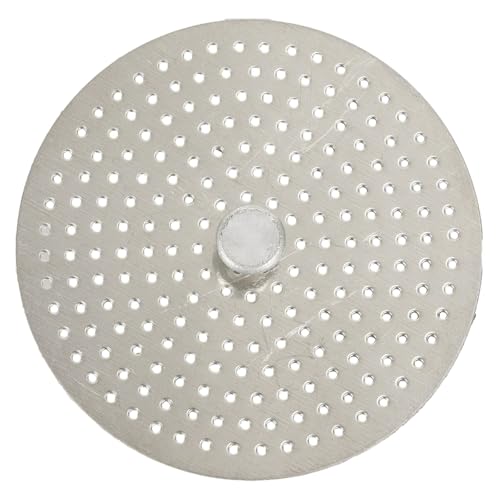 Stainless Steel Moka Pot Coffee Filter Disc for Espresso Brewing, Coffee Maker Replacement Filter Plate for Home Office Coffee Bar Cafe (FOR 4 Cups)