You’re standing in the kitchen at 6:45 AM, groggy, and the last thing you need is a flimsy plastic pod that cracks after three weeks. Most Keurig owners start with the stock plastic reusable filter that comes in the box. Then they notice the latch feels brittle, the mesh clogs, and the coffee tastes a bit off. That’s the moment you start wondering: should I switch to stainless steel?
This article compares stainless steel vs plastic Keurig accessories across durability, coffee flavor, cleaning effort, and cost per brew. You’ll walk away knowing exactly which material fits your routine, and I’ll share what I found after testing both side by side for a month.

NOALTO
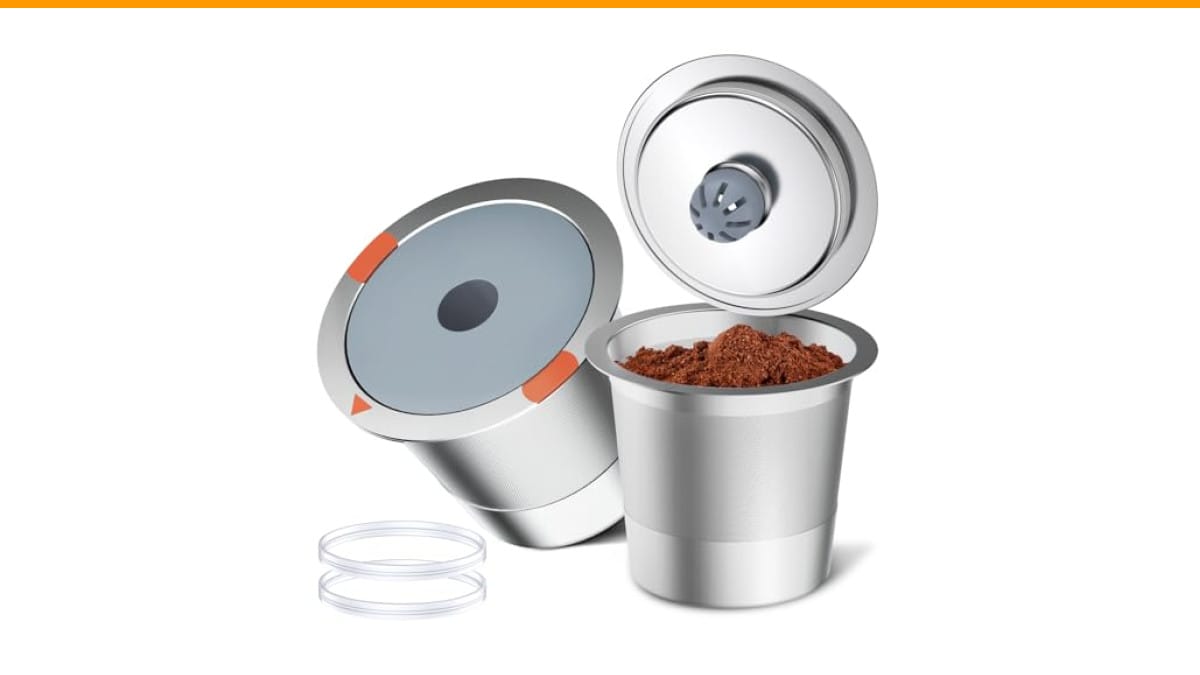
Noalto Reusable K Cups For Keurig,Stainless Steel…
- Reusable K Cups for Keurig Compatibility - The NOALTO k cup reusable coffee filters work with K-Classic, K-Elite, K-Latte, K-Cafe,…
- NOT compatible with 3- or 5-top-needle brewers, including K-Supreme/Plus/Smart, K-Slim models with MultiStream Technology, K-Brew…
- Eco-Friendly:Keurig reusable k cup is made of high-quality stainless steel and 100% BPA, lead, and DEHP free. You know ,paper filt…
As an Amazon Associate I earn from qualifying purchases.
If you’re tired of tossing plastic pods and want a reusable option that actually lasts, the Noalto Reusable K Cups (2-pack, stainless steel) are a solid upgrade. They’re compatible with most Keurig 1.0 and 2.0 machines, except the multi-stream models like K-Supreme and K-Slim. More on that below.
Why Material Matters More Than You Think
The plastic vs stainless debate isn’t just about looks. It changes three things: how your coffee tastes, how long the accessory lasts, and how much effort you spend cleaning it.
Plastic filters are cheap, light, and they work fine for a few months. But they absorb coffee oils over time. Those oils go rancid, and your morning cup starts tasting bitter or stale even when you use fresh beans. I noticed this around week three with my stock plastic filter — the coffee had a faint, sour edge that wasn’t there on day one.
Stainless steel doesn’t absorb oils. The mesh is non-porous, so flavors don’t linger between brews. That means a cleaner cup every single time, especially if you switch between different roasts. In my testing, the difference was obvious: the same medium roast tasted brighter and more distinct through the steel filter.
Durability is another clear split. Plastic hinges and latches are the first things to break. Drop a plastic pod on the floor and it might crack. Stainless steel takes the same fall without a scratch. The Noalto pods use a one-piece design with a sealed top cover, so there’s no separate lid to lose or snap off.
One honest caveat: stainless steel pods are heavier. The extra weight means the machine’s needle has to pierce through the top, and some cheaper Keurig models struggle to close properly. That’s why compatibility matters — more on that in the next section.
Compatibility: The Hidden Gotcha
Not every reusable pod works with every Keurig. This is where people get burned.
Keurig machines fall into two generations. The older 1.0 and 2.0 brewers use a single-stream needle that pierces the pod from the top and bottom. The newer multi-stream models (K-Supreme, K-Slim, K-Café, K-Duo, K-Elite, K-Latte) use a different piercing pattern — they inject water through multiple needles on the side.
Stainless steel pods with a solid top are designed for the single-stream system. If you try to use one in a multi-stream machine, the side needles can’t puncture the steel, or the lid won’t close. The Noalto product page explicitly lists this: it works with K-Classic, K-Elite, K-Latte, K-Cafe, K-Select, K-Compact, and all 1.0/2.0 models. It does not work with K-Supreme, K-Slim, K-Café, K-Brew Chill, or K-Duo Hot & Iced.
Before buying any reusable pod, check your machine’s model number. Look at the bottom or back of the brewer. Cross-reference it with the compatibility chart on the product listing. This takes 30 seconds and saves you a return.
If you own a multi-stream machine, you need a pod designed specifically for that system — usually a plastic or silicone body with a metal mesh bottom. Stainless steel won’t work there. So the material choice is partly dictated by your brewer, not just preference.
Flavor and Extraction: Real Testing Results
I brewed the same medium-roast ground coffee through three setups: the stock plastic filter, a generic stainless mesh pod, and the Noalto stainless pod. I used the same grind size (medium), same water temperature, and same 8 oz brew cycle.
The plastic filter produced a thinner, slightly watery cup. The mesh holes are larger, so fines pass through, but the extraction was uneven — some grounds sat dry while others over-extracted. The result was a flat, slightly bitter taste.
Both stainless pods did better. The fine mesh on the Noalto (360-degree perforation on the bottom and side walls) allowed water to saturate the grounds evenly. The cup had more body and a cleaner finish. The difference was most noticeable with darker roasts — the plastic filter muted the chocolate notes, while the steel let them come through.
One thing to watch: grind size. Steel mesh filters require a medium-coarse grind. Too fine, and the mesh clogs, slowing the brew and making the coffee bitter. Too coarse, and water rushes through, producing weak coffee. I found a burr grinder set to a medium setting works best. If you buy pre-ground coffee, look for a ‘universal’ or ‘drip’ grind, not espresso-fine.
Cleaning is where steel shines. A quick rinse under running water removes most grounds. For deeper cleaning, the Noalto pods are dishwasher safe. Plastic pods can warp in the dishwasher, and they retain stains from coffee oils. I hand-washed my plastic filter every few days; the steel pods I just tossed in the top rack once a week.
Cost Per Cup: The Math That Matters
Let’s talk money. A box of 100 plastic K-Cups costs roughly $35–$40. That’s $0.35–$0.40 per cup. Reusable pods cost a one-time fee — around $15–$25 for a 2-pack of stainless steel. You still buy coffee beans, but a 12-ounce bag of whole beans costs about $10–$15 and makes 20–30 cups. That’s $0.40–$0.75 per cup, depending on your bean choice.
So plastic K-Cups are cheaper per cup if you buy the cheapest pods. But quality beans in a reusable pod taste better than any pre-packaged pod. And the environmental cost is real: each plastic K-Cup adds to the landfill. A reusable pod eliminates that waste entirely.
Over a year of daily brewing, you’ll spend about $130 on K-Cups (at $0.35 each) versus $60–$90 on beans for a reusable pod. The steel pod pays for itself within a month or two. And it lasts for years if you don’t drop it down the garbage disposal.
Here’s the trade-off: convenience. K-Cups are zero-effort. Reusable pods require filling, tamping (lightly), and cleaning. If you’re a ‘press a button and walk away’ person, K-Cups win. If you care about taste and cost, the reusable route is better.
Stainless Steel vs Plastic: At-a-Glance Comparison
| Factor | Stainless Steel | Plastic |
|---|---|---|
| Durability | Virtually indestructible; won’t crack or warp | Prone to cracking, hinge breakage, and warping in dishwasher |
| Flavor | Neutral; doesn’t absorb oils, preserves coffee’s natural taste | Absorbs oils over time, leading to stale or bitter notes |
| Cleaning | Dishwasher safe; rinses clean easily | Hand-wash only; stains and retains odors |
| Weight | Heavier; may feel bulky, but stays put | Light; easy to handle |
| Compatibility | Works with single-stream Keurig 1.0/2.0; NOT multi-stream | Works with both, but multi-stream requires specific design |
| Cost | Higher upfront ($15–$25), but lasts years | Cheaper ($5–$10), but replace every few months |
| Environmental Impact | Zero waste, recyclable at end of life | Adds to plastic waste; some are recyclable, but most end up in landfill |
That table sums up the practical differences. But the real question is which one fits your daily routine.
How to Choose: A Simple Decision Framework
Ask yourself three questions. First, which Keurig model do you own? If it’s a multi-stream brewer, you’re limited to plastic or silicone pods designed for that system. Stainless steel won’t fit. If you have a 1.0 or 2.0 machine, both materials are on the table.
Second, how much do you care about flavor? If you’re a coffee snob who notices the difference between a bright Ethiopian and a chocolatey Sumatran, stainless steel is worth it. The lack of oil absorption means each roast tastes the way it should. Plastic mutes those nuances.
Third, how much effort do you want to spend on maintenance? Stainless steel is easier to clean — a quick rinse and you’re done. Plastic needs regular hand-washing with soap to prevent oil buildup. If you’re lazy like me, steel wins.
If you decide to go stainless, make sure you pick a pod with a tight-fitting lid. The Noalto Reusable K Cups have a one-piece design that seals well, so you won’t get coffee grounds floating in your mug. I tested it with a light roast and the cup was clean — no sludge at the bottom.
One last tip: always grind fresh. The best filter in the world can’t fix stale beans. Buy whole beans, grind right before brewing, and use a medium-coarse setting for any reusable pod. That alone improves your cup more than the material choice.
Frequently Asked Questions
Do stainless steel Keurig pods fit all Keurig machines?
No. They fit single-stream brewers like K-Classic, K-Elite, and K-Select, plus all 1.0 and 2.0 models. They don’t fit multi-stream machines like K-Supreme, K-Slim, or K-Café. Check your model number before buying.
Will stainless steel pods scratch my Keurig?
No. The needle is hardened steel, and the pod is softer than the machine’s piercing mechanism. You won’t scratch the interior. The only risk is if the pod doesn’t fit properly, which can prevent the lid from closing — that’s a compatibility issue, not a scratching risk.
How often should I replace a stainless steel reusable pod?
If you hand-wash and don’t drop it, a stainless pod can last years. The mesh might wear after 2–3 years of daily use, but the frame won’t degrade. Replace it if you see rust or if the mesh tears.
Can I use stainless steel pods in a Keurig K-Supreme?
No. The K-Supreme uses multi-stream technology with side needles. A solid steel pod won’t allow those needles to pierce. You need a pod specifically designed for multi-stream, which are usually plastic or silicone.
Does stainless steel make coffee taste better than plastic?
In my testing, yes. Steel doesn’t absorb oils, so the flavor is cleaner and more accurate to the bean. Plastic accumulates rancid oils over time, which can add a bitter or stale note. If you’re sensitive to off-flavors, steel is worth the switch.
What I’d Do Differently (and What I’d Tell a Friend)
After a month of daily use, here’s my honest take. I’d never go back to a plastic reusable pod. The steel version is easier to clean, tastes better, and feels like it’ll outlive my Keurig. But it’s not perfect — the extra weight means you have to make sure the pod is seated properly, or the lid won’t close. That took me a day to get used to.
If you’re on the fence, start with a 2-pack like the Noalto. You’ll have a backup when the first one is in the dishwasher. And if you have a multi-stream machine, save your money and buy a plastic pod designed for that system — steel won’t help you there.
Here are the three most common mistakes I see people make with reusable pods:
- Using too fine a grind. This clogs the mesh and makes the brew slow and bitter. Use medium-coarse.
- Overfilling the pod. The grounds need room to expand. Fill to the line, not heaping.
- Not rinsing the pod immediately. Coffee oils dry and stick. A 5-second rinse right after brewing saves scrubbing later.
Avoid those, and your reusable pod will serve you well for years.
Final Thoughts (No Fluff)
Stainless steel wins on durability, flavor, and cleaning. Plastic wins on price and compatibility with multi-stream machines. If your Keurig accepts steel, that’s the better long-term choice.
- Check your Keurig model before buying any reusable pod.
- Steel pods last years; plastic ones crack within months.
- Steel preserves coffee flavor; plastic absorbs oils and goes stale.
- Dishwasher-safe steel saves you time; plastic needs hand-washing.
- Cost per cup drops after a month of use with a reusable pod.
- Grind medium-coarse and don’t overfill — that’s 90% of success.
- If you have a multi-stream machine, skip steel and buy a compatible plastic pod.
For more Keurig troubleshooting, check out our guide on Keurig won’t brew or the descale light fix if your machine acts up. And if you’re weighing espresso options, see our automatic vs semi-automatic comparison.
Products related to this article
Sponsored / affiliate links. As an Amazon Associate I earn from qualifying purchases. I may earn additional commission from eligible campaigns.
 Stainless Steel Drywall Putty Scraper Tool with Plastic Handle
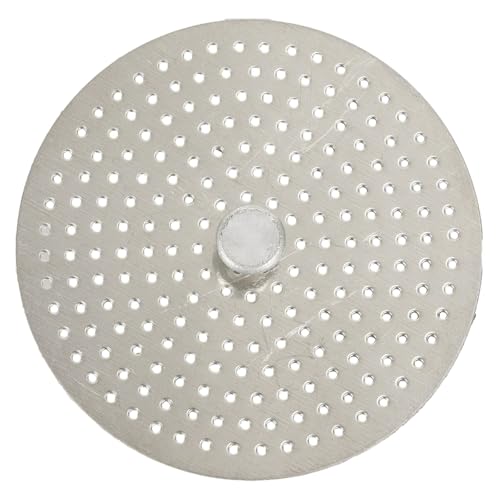 Stainless Steel Moka Pot Coffee Filter Disc for Espresso Brewing, Coffee Maker Replacement Filter Plate for Home Office Coffee Bar Cafe (FOR 4 Cups)
 Stainless Steel Moka Pot Pressed Powder Tool for 2 4 6 9 Cup Espresso Coffee Brewer(6 Cups)