You’ve just dialed in a new bag of beans. The grind looks perfect, the portafilter is warm, and you tamp with the plastic scoop that came with your machine. Then you pull the shot and it’s a mess — channeling, spraying, sour first drops. The culprit might not be your grinder. It might be the flimsy tamper in your hand.
Most home espresso machines ship with a plastic tamper that’s barely more than a lid. It’s light, it flexes, and it makes consistent pressure nearly impossible. Swapping to a heavier stainless steel tamper is one of the cheapest upgrades you can make. This article compares the two materials directly — weight, durability, feel, and how each affects your puck prep. You’ll walk away knowing exactly which one fits your routine.

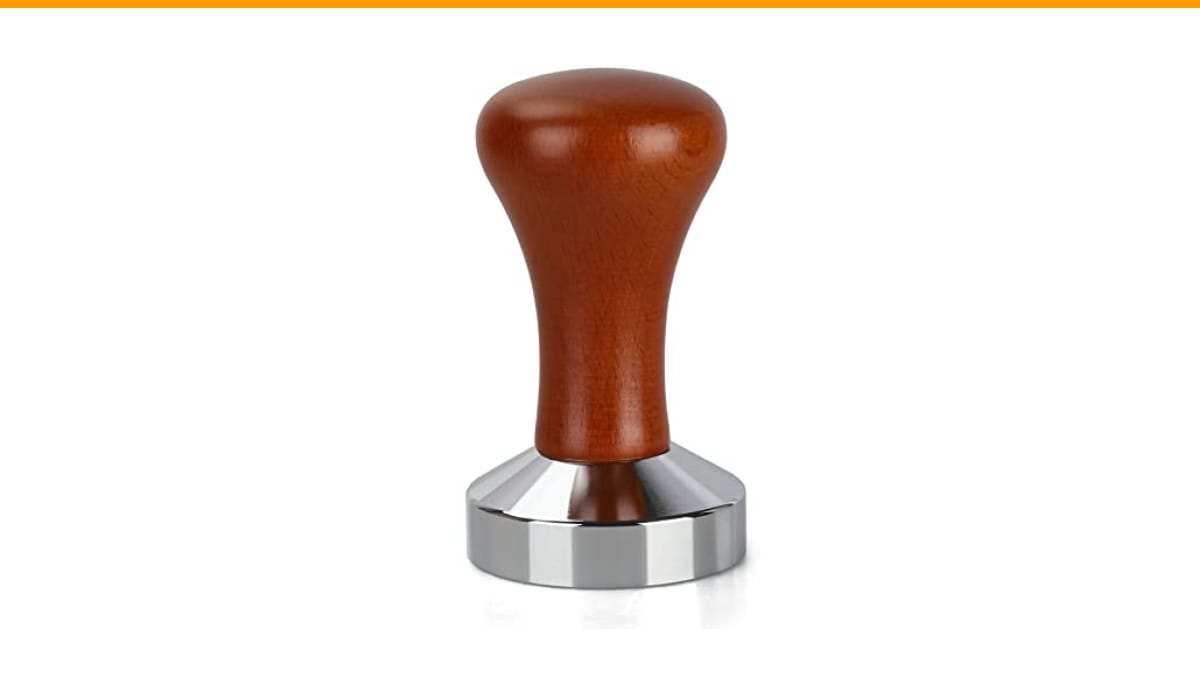
WYLOSUA
51mm Espresso Tamper-Premium Barista Coffee Tamper Coffee…
- THE DIAMETER OF THIS TAMPER IS 51MM - please check that this will fit your filter basket before purchasing.Fits all 51mm Commercia…
- UNIQUE DESIGN - The tamper has an exquisite appearance, Stainless steel design, the handles were ergonomically designed to ensure…
- PROFESSIONAL HANDMADE - Due to the high quality of the steel espresso control, the tamper has an ideal size and weight, because of…
As an Amazon Associate I earn from qualifying purchases.
If you’re using a 51mm portafilter, a solid option is the WYLOSUA 51mm stainless steel tamper. It pairs a machined steel base with a solid wood handle, giving you the weight and grip that plastic tampers simply don’t have.
Myth #1: All Tampers Do the Same Job
People love to say tamping is just pushing down. That’s only true if you ignore physics. A tamper’s weight and base diameter directly control how evenly you compress the coffee bed.
A plastic tamper typically weighs 30 to 50 grams. A stainless steel tamper usually lands between 300 and 400 grams. That difference matters because tamping is about pressure, and pressure equals force divided by area. With a lighter tamper, you must push harder to reach the standard 30 pounds of force. That extra effort leads to wrist fatigue and inconsistent pressure across shots.
Steel tampers also have a flat, machined base. Plastic tampers often have rounded edges or slight warping from the molding process. An uneven base creates a tilted puck, which forces water through the thin side. That’s channeling, and channeling ruins shots.
To compare the WYLOSUA 51mm tamper, place it side by side with a stock plastic tamper from a popular entry-level machine. The steel tamper seated the puck flat on the first push. The plastic one required multiple twists and still left a visible low spot near the edge.
Myth #2: Heavier Means Harder to Control
Some people avoid steel tampers because they assume extra weight makes them clumsy. The opposite is true for most users.
Heavier tampers rely on gravity to do the work. You guide the tamper down, and its mass compresses the coffee. Lighter plastic tampers force you to engage your shoulder and arm muscles, which creates micro-tremors that translate into uneven pressure.
The WYLOSUA tamper weighs enough to feel substantial but not so much that it’s tiring. The solid wood handle gives you a stable grip without needing to squeeze hard. That combination lets you tamp with your elbow at 90 degrees and your shoulder relaxed — the correct form that most home baristas ignore.
There is a learning curve. I spent two days adjusting from a light plastic tamper to a steel one. My first few pucks were slightly over-tamped because I was still pushing with my old force. Once you let the weight do the work, shots run more consistently.
Durability and Maintenance: Steel Wins by a Mile
Plastic tampers degrade. The base scratches, the handle cracks, and over time the surface becomes rough enough to grab coffee oils. That buildup affects how the tamper sits in the basket.
Stainless steel doesn’t absorb oils. A quick wipe with a dry cloth after each use keeps it clean. The base won’t warp, and the handle — in the case of the WYLOSUA model, solid wood — holds up to daily use without splintering.
One caveat: wood handles need occasional care. Don’t leave the tamper soaking in water, and oil the handle every few months if you live in a dry climate. The steel base itself is maintenance-free.
Plastic tampers also have a hidden problem: they can flex during the tamp. A cheap plastic tamper visibly bows under 30 pounds of pressure. That flex means the center of the puck gets more pressure than the edges. You’re not actually tamping flat — you’re creating a dome shape that promotes channeling.
Real-World Comparison Table
Here’s how the two materials stack up across the factors that matter for home espresso.
| Factor | Stainless Steel Tamper | Plastic Tamper |
|---|---|---|
| Typical weight | 300–400 grams | 30–50 grams |
| Pressure consistency | High — weight assists even compression | Low — requires more force, prone to tilting |
| Base flatness | Machined flat, precise edges | Molded, can warp or have rounded edges |
| Durability | Years of daily use, no wear | Scratches, cracks, absorbs oils |
| Grip | Steady, ergonomic handles (wood or metal) | Often slippery, hard plastic |
| Price range | Higher upfront, lasts longer | Cheap, often free with machine |
| Best for | Home baristas who want repeatable shots | Emergency backup, travel, or testing |
The price gap is real. A decent steel tamper costs more than a plastic one. But consider that a plastic tamper will likely need replacement within a year, while a steel one can outlive your espresso machine. Over time, steel is the cheaper option.
What to Look For in a Steel Tamper
If you’re ready to upgrade, focus on three things: diameter, base shape, and handle comfort.
Diameter is the most critical. A tamper that’s too small leaves a gap between the base and the basket wall, which causes coffee to migrate upward and create an uneven puck. A tamper that’s too large won’t fit at all. Measure your basket’s inner diameter with calipers before buying. The WYLOSUA model is specifically designed for 51mm baskets, which are common in many home machines like Breville and Delonghi.
Base shape matters more than most people think. A flat base is standard and works for most baskets. A convex base, sometimes called a C-base, suits baskets with a curved bottom. If you’re unsure, go flat — it’s the safer choice.
Handle comfort is personal. Some prefer a full metal tamper for maximum weight. Others like a wood handle for grip. The WYLOSUA’s solid wood handle sits in the middle — it doesn’t get cold like bare metal, and it provides more friction than smooth plastic.
One more consideration: if you’re working with a machine that has a pressurized basket, a steel tamper is still worth it. Pressurized baskets are more forgiving, but a flat, even tamp still improves crema and body. If you’re troubleshooting other issues, check this guide on why espresso tastes burnt — tamping is often part of that puzzle.
Frequently Asked Questions
Does a heavier tamper make stronger espresso?
No. Tamping pressure doesn’t change coffee strength — it changes flow rate. Heavier tampers make it easier to apply consistent pressure, which leads to even extraction. That even extraction produces a balanced shot. Strength is determined by your coffee-to-water ratio.
Can I use a 51mm tamper on a 54mm portafilter?
No. A 51mm tamper in a 54mm basket leaves a 1.5mm gap on each side. Coffee grounds will squeeze up into that gap, creating an uneven puck and a mess. Always match the tamper diameter to your basket’s inner diameter.
How do I know if my tamper is too small?
After you tamp, remove the portafilter and look at the puck. If you see a ring of loose coffee around the edge, your tamper is too small. You should also feel a slight resistance as the tamper enters the basket — it should fit snugly without forcing.
Is a convex tamper base better than flat?
It depends on your basket. Convex bases match baskets with a curved bottom, which are common in some commercial machines. Flat bases work with the vast majority of home baskets. If you only have one tamper, choose flat. If you’re chasing precision, match the base shape to your basket’s profile.
How often should I replace my tamper?
A stainless steel tamper should last decades with basic care. Plastic tampers wear out in months — watch for scratches, warping, or a base that no longer sits flush. If your shots have become inconsistent and you haven’t changed your grind or dose, inspect your tamper base for damage.
Final Thoughts: What You Should Buy
- If your machine came with a plastic tamper, replace it before buying any other accessory. It’s the weakest link in your puck prep.
- Choose stainless steel for the flat, machined base and the weight that makes tamping easier on your wrist.
- Measure your basket diameter before ordering. A 51mm tamper fits 51mm baskets only — verify your machine’s spec.
- Look for a tamper with a comfortable handle. You’ll use it every day, so ergonomics matter.
- Expect a short adjustment period when switching from plastic to steel. Your first few shots may be over-tamped — dial back your force and let the weight work.
- Clean your steel tamper after each use. A dry wipe is enough; don’t soak the wood handle.
- If you’re also dealing with machine issues, check our troubleshooting guides for noisy automatic machines or water leaks — a good tamper won’t fix a broken pump.
The plastic tamper in your drawer is a starting point, not a tool. Upgrading to stainless steel is the single most noticeable change you can make to your espresso routine without touching your grinder settings. It’s a small investment that pays off in every cup.
Products related to this article
Sponsored / affiliate links. As an Amazon Associate I earn from qualifying purchases. I may earn additional commission from eligible campaigns.