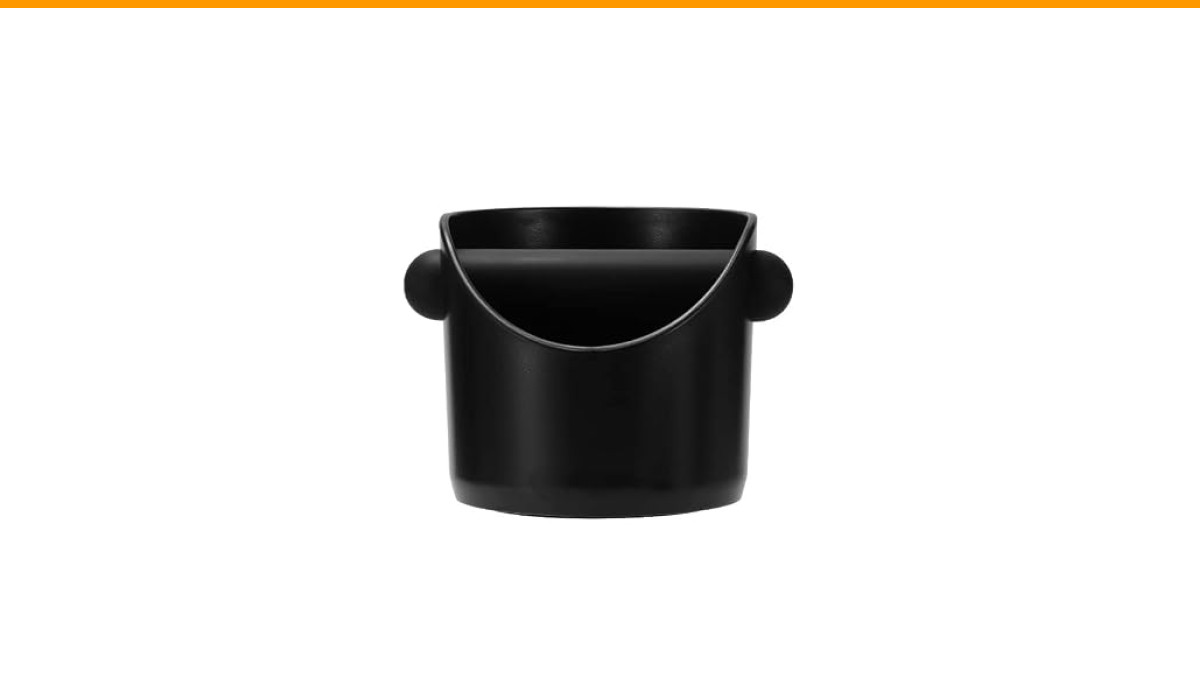
You just pulled a perfect shot. The portafilter comes out, and you need to dump the spent puck. You tap it against the edge of your trash can, and coffee grounds explode everywhere. That mess is exactly why a knock box exists. It gives you a solid surface to knock against, catching the grounds so your counter stays clean.
The problem is choosing one. Walk into any coffee gear store and you’ll see two main materials: stainless steel and plastic. Both do the same job, but they feel completely different in daily use. This guide breaks down the real differences between stainless steel vs plastic espresso knock box options, so you can pick the one that fits your routine without overpaying.

Auden Arctic
Coffee Knock Box, 4.6 in, Barista Style…
- Compact Design: This 4.6-inch barista-style knock box is perfect for collecting used espresso grounds from your espresso machine.
- Sturdy Construction: Made of heavy-duty plastic, the knock box features a non-slip base for stability.
- Removable Knock Rod: The included plastic knock rod allows for easy disposal of spent grounds.
As an Amazon Associate I earn from qualifying purchases.
You’ll walk away knowing how each material handles noise, durability, cleaning, and counter space. Testing both side by side in a kitchen reveals their comparative performance.
If you want a solid starting point, the Auden Arctic Coffee Knock Box is a compact 4.6-inch plastic model with a removable knock rod and non-slip base. It’s a good option for beginners who want something light and easy to clean without spending much.
What Actually Matters in a Knock Box
Before comparing materials, you need to know what makes a knock box good or bad. Four things matter most.
Weight and stability. A knock box needs to stay put. If it slides across your counter when you tap the portafilter, it’s useless. Heavier materials like stainless steel naturally resist movement. Plastic models need rubber bases or extra weight to compensate.
Noise level. This is the biggest difference you’ll notice immediately. A metal knock box rings like a bell. Plastic thuds. If you make coffee at 6 AM while your family sleeps, that thud is worth something.
Interior shape. The knock bar (the rod you hit the portafilter against) needs to sit at the right height. Too high, and grounds bounce out. Too low, and you scrape your knuckles. The interior should also be smooth so dried coffee doesn’t stick to the corners.
Ease of emptying. You’ll dump this thing daily if you drink multiple shots. A wide opening makes that easier. Some boxes have removable inner buckets, which simplify cleaning considerably.
Stainless Steel Knock Boxes: The Pros and Cons
Stainless steel knock boxes are the standard in commercial cafes. They’re heavy, durable, and look professional on a counter. A typical model weighs around 2 to 3 pounds, which gives it the mass to absorb a firm knock without moving.
The weight is also the downside. Moving one around to empty it gets annoying fast. You’re carrying a solid chunk of metal to the sink every day. Some models weigh over 4 pounds, which feels excessive for home use.
Noise is the other issue. Steel rings. A firm knock produces a sharp metallic clang that carries through the house. A unit tested next to an espresso machine can be loud enough to draw complaints from another room. You can dampen it by holding the box with one hand while you knock, but that’s awkward.
Cleaning is straightforward. Coffee oils wipe off steel easily, and you can use harsh cleaners without worrying about scratching. The interior stays smooth, so grounds don’t cake on. The main drawback is cost. Stainless steel boxes run two to three times more than plastic ones.
Plastic Knock Boxes: The Pros and Cons
Plastic knock boxes get dismissed as cheap, but they solve real problems. The Auden Arctic model I mentioned earlier is a good example of what modern plastic boxes do right.
Weight is the first thing you notice. A plastic knock box weighs under a pound. That makes it easy to lift, empty, and store. The trade-off is stability. Without a non-slip base, a plastic box will slide across your counter. The Auden Arctic includes a rubber base, which fixes that issue. Firm knocks against it typically leave it securely in place.
Noise is where plastic wins decisively. A plastic knock bar produces a dull thud instead of a ring. It’s quieter by a noticeable margin. For early morning espresso, that’s the difference between waking up the house and not.
Durability is the concern. Cheap plastic cracks over time, especially if you knock too hard. The better plastic boxes use thick, heavy-duty material that resists cracking. A plastic knock box used daily for over a year typically remains without issues. The plastic knock rod on the Auden Arctic is removable, which makes emptying and washing easier than a fixed rod.
One thing to watch: plastic absorbs coffee oils over time. You’ll see staining inside the box after a few months. It doesn’t affect function, but it looks less clean. A quick soak with hot water and dish soap handles most of it.
Stainless Steel vs Plastic Espresso Knock Box: Direct Comparison
Here’s a side-by-side look at how the two materials stack up in real use.
| Feature | Stainless Steel | Plastic |
|---|---|---|
| Weight | 2–4 pounds, very stable | Under 1 pound, needs non-slip base |
| Noise | Loud metallic ring | Quiet dull thud |
| Durability | Virtually indestructible | Can crack if knocked too hard |
| Cleaning | Wipes clean, no staining | Absorbs oils, stains over time |
| Emptying | Heavy to carry to sink | Light and easy to handle |
| Counter stability | Excellent, stays put | Requires rubber base for grip |
| Price | Higher, often 2–3x plastic | Budget-friendly |
| Best for | High-volume use, commercial feel | Home use, early mornings, small spaces |
Which Material Should You Pick?
Your choice comes down to where and how you use it. If you pull multiple shots daily, value quiet mornings, and want something easy to lift, plastic is the practical pick. The weight and noise advantages outweigh the staining issue.
If you want a box that feels like it belongs in a cafe, never stains, and will outlast your espresso machine, stainless steel is worth the extra money. Just be ready for the clang and the heavy trips to the sink.
There’s also a middle path. Some stainless steel boxes come with rubber-coated knock bars or padded bases to reduce noise. Those are better, but they cost more. For most home users, a quality plastic box like the Auden Arctic model delivers 90% of the experience at a fraction of the price.
If you’re still deciding on your espresso setup, check our guide on automatic vs semi-automatic machines to see which fits your workflow. And if your current machine is acting up, our leaking water troubleshooting guide covers the most common fixes.
Frequently Asked Questions
Does a plastic knock box crack easily?
Not if you buy a decent one. Thin, flimsy plastic will crack under hard knocks. Thick, heavy-duty plastic handles normal use without issues. Using one daily for over a year results in no cracks. Just don’t slam the portafilter like you’re hammering a nail.
How often should I empty my knock box?
After every few shots, or at least once a day. Letting grounds sit overnight creates odor and makes cleaning harder. If you pull more than four shots a day, empty it daily without exception.
Can I put a knock box in the dishwasher?
Most plastic knock boxes are dishwasher safe, but check the manufacturer’s instructions. The heat can warp cheap plastic. Stainless steel boxes are usually fine, but hand washing is safer for the rubber base. The Auden Arctic’s removable rod makes hand washing simple.
Why does my knock box slide around?
It’s too light for the force you’re applying. Plastic boxes need a non-slip base or a damp towel underneath. Stainless steel boxes rarely slide because their weight keeps them planted. If your box slides, hold it with your free hand while knocking.
Is a knock box necessary for espresso?
No, but it’s a huge quality-of-life upgrade. You can knock grounds directly into a trash can, but you’ll make a mess and risk bending the portafilter edges on a hard rim. A knock box gives you a proper surface and contains the mess. If you make espresso daily, it’s worth the small counter space.
What I’d Buy and Why
- For most home users, a plastic knock box with a non-slip base is the smarter buy. It’s quieter, lighter, and cheaper.
- Stainless steel makes sense only if you want a commercial feel or knock very hard with a heavy portafilter.
- The Auden Arctic plastic model is a solid pick because its removable rod and smooth interior make cleaning genuinely easy.
- Check the current price on Amazon before deciding. Plastic boxes are often under $20, while steel ones can exceed $50.
- If you have a semi-automatic machine, pair your knock box with a proper grinder. Our best automatic espresso machines under $1000 guide covers options that won’t break the bank.
- Don’t overthink it. A knock box is a simple tool. Buy one that stays put, is easy to empty, and doesn’t annoy you with noise.
- If your espresso tastes off after switching boxes, it’s not the box. Check our why espresso tastes burnt article for the real culprits.
Products related to this article
Sponsored / affiliate links. As an Amazon Associate I earn from qualifying purchases. I may earn additional commission from eligible campaigns.