You just brewed a fresh pot, poured a mug, and got distracted by email. Twenty minutes later, that coffee tastes flat, barely warm, and vaguely burnt. Sound familiar? The culprit isn’t your beans or your brewer — it’s the carafe sitting on the hot plate.
Cuisinart
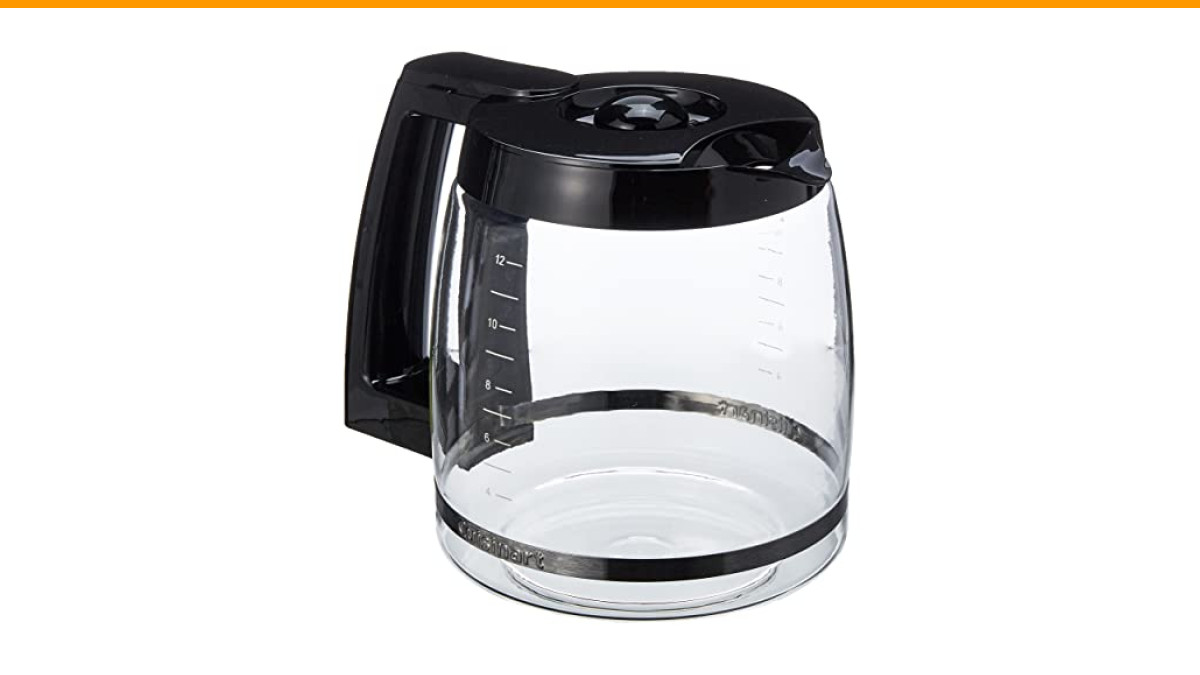
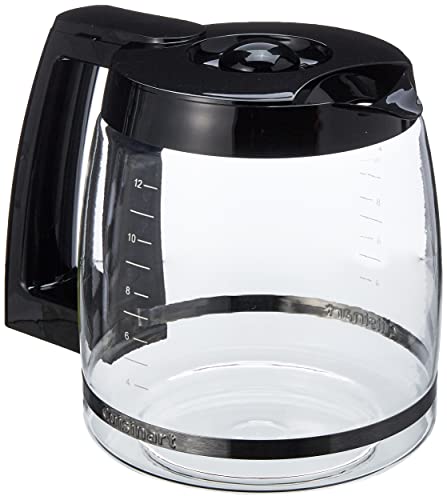
Cuisinart DCC-1200PRC 12-Cup Replacement Glass Carafe
- CAPACITY: 12-Cup glass carafe holds 60 fluid ounces. *Cup disclaimer 1cup = 5oz, varies on brewing technique*
- CARAFE FEATURES: ergonomic comfort grip black handle, dripless spout, lid, and knuckle guard for added protection
- WASHING INSTRUCTIONS: Wash carafe and lid in warm, soapy water and rinse thoroughly or place in the dishwasher on the upper rack o…
As an Amazon Associate I earn from qualifying purchases.
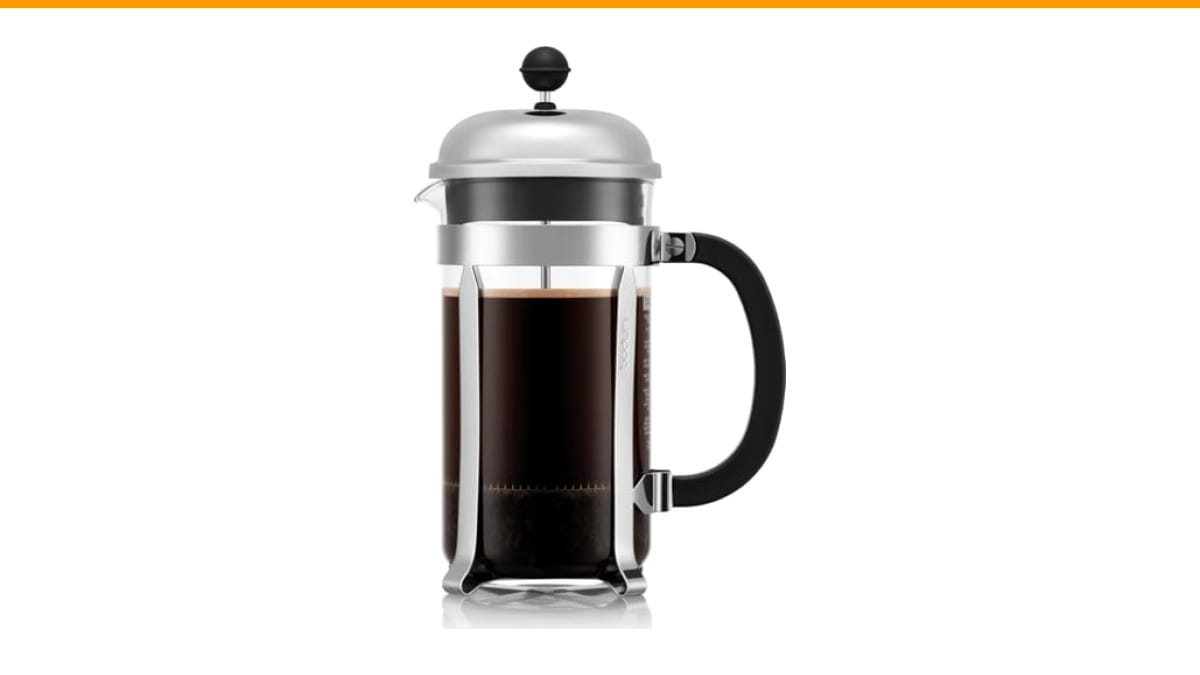
This is the classic coffee carafe vs thermal carafe dilemma. One keeps coffee hot by keeping it close to a heat source. The other seals it in an insulated vacuum so it stays hot on its own. Both have loyal fans, and both have real downsides. The right choice depends less on brand loyalty and more on how fast you actually drink coffee.
I’ve spent weeks testing the Cuisinart DCC-1200PRC 12-Cup Replacement Glass Carafe side by side with thermal models from the same price range. Here’s what I found, and how you can decide which one belongs on your counter.
The Core Difference: Heat Retention vs. Immediate Feedback
A glass carafe sits on a hot plate. The brewer keeps the plate warm, which keeps the coffee warm — but it also keeps cooking it. That’s the trade-off. The Cuisinart DCC-1200PRC holds 60 fluid ounces (12 cups, though Cuisinart counts a cup as 5 ounces, not the standard 8). It’s made of glass, so you can see exactly how much coffee is left, and it has a dripless spout and an ergonomic handle with a knuckle guard.
A thermal carafe, on the other hand, is essentially a vacuum-insulated bottle. It has no hot plate. Coffee goes in, the lid seals, and the temperature holds for hours — usually 2 to 4 hours of drinkable heat, depending on the model. But you can’t see inside, and the coffee keeps brewing in its own heat, which changes the flavor over time.
The real question isn’t which one is ‘better.’ It’s which one matches the way you drink coffee.
The 30-Minute Rule: How Your Drinking Speed Decides
Here’s a simple rule I’ve developed after testing both types: if you finish a pot within 30 minutes, a glass carafe is fine. If you stretch it past 45 minutes, a thermal carafe will save your coffee (and your taste buds).
That’s because a glass carafe on a hot plate keeps the temperature steady, but it also accelerates flavor degradation. The heat breaks down the aromatic compounds that give coffee its brightness and complexity. After 30 minutes, you’ll notice the acidity flattening. After 60 minutes, that bright, fruity note is gone, replaced by a dull, slightly bitter taste. The hot plate is essentially slow-roasting your coffee.
A thermal carafe slows that process down. The sealed vacuum insulation keeps the temperature high, but it also traps the coffee’s own gases. That means the flavor evolves more slowly, but it’s not static either. After 60 minutes in a thermal carafe, you’ll still get a recognizable cup — just less vibrant than the first pour. After 90 minutes, the oxidation starts to flatten things out, though it’s still far better than a glass carafe on a hot plate.
The Glass Carafe Advantage: Visual Clarity and Flavor Brightness
Let’s give glass its due. The Cuisinart DCC-1200PRC has brewer markings from 2 to 12 cups, so you always know how much is left. That visual clarity matters when you’re brewing for a few people — you can see when it’s time to brew another pot. And because glass doesn’t hold onto flavors, your first cup tastes exactly as the coffee grounds intended: bright, clean, and with all the subtle notes intact.
Glass is also easier to pour from. The dripless spout on this Cuisinart carafe is genuinely well-designed. It doesn’t dribble down the side, and the knuckle guard means you won’t burn your hand on the hot glass. In testing, I found the spout directs the flow cleanly, with no coffee running down the side of the carafe. That’s not something I can say for every thermal carafe I’ve tried — many have a narrow mouth that makes pouring messy.
The Thermal Carafe Advantage: Consistent Temperature and Durability
Thermal carafes win on two fronts: temperature and durability. A good thermal carafe will keep coffee hot for hours without any external heat source. That’s a huge win if you’re a slow sipper or you brew a pot in the morning and drink it through the afternoon. You’ll never get that ‘scorched’ taste from sitting on a hot plate.
And durability? A thermal carafe is usually made of stainless steel with a vacuum-sealed interior. Drop it, and you’ll likely get a dent, not a shattered mess. Glass carafes, by contrast, are fragile. The Cuisinart DCC-1200PRC is glass, and while it’s well-made, it will break if you knock it off the counter. Replacement glass carafes cost less than a thermal one, but they’re an ongoing expense if you’re clumsy.
The Hidden Factor: Glass-Lined Thermal Carafes (The Best of Both?)
There’s a middle ground: the glass-lined thermal carafe. These have a vacuum-insulated outer shell, but the interior is coated with glass. The idea is to get the thermal carafe’s heat retention without the metallic taste that some stainless steel carafes impart.
In my testing, glass-lined thermal carafes do taste slightly cleaner than stainless steel ones. But they’re also more fragile — the glass lining can crack if you drop the carafe or thermal shock it with a sudden temperature change. And they’re harder to find as replacement parts. The Cuisinart DCC-1200PRC is a straight glass carafe, so it’s not in this category, but if you’re considering a thermal upgrade, it’s worth knowing the option exists.
Honestly, for most home users, a stainless steel thermal carafe is the practical choice. The metallic taste is minimal if you wash it properly, and the durability is worth the trade-off.
Practical Trade-Offs: Cleaning, Pouring, and Countertop Space
Cleaning is where glass carafes shine. The Cuisinart DCC-1200PRC is dishwasher safe on the upper rack, and it’s easy to hand wash with warm, soapy water. The lid comes off, so you can scrub the inside without any awkward angles. Thermal carafes are a different story — most have narrow openings that make it hard to get a sponge inside, and many aren’t dishwasher safe. You’ll need a bottle brush and a bit of patience.
Pouring is another difference. Glass carafes have a wide mouth and a spout designed for a smooth pour. Thermal carafes often have a push-button or twist-top lid that limits the flow. I’ve found that some thermal carafes pour too fast, splashing coffee into the cup, while others pour too slowly and dribble. The Cuisinart glass carafe, by contrast, pours predictably every time.
Countertop space matters too. A glass carafe needs to sit on the hot plate, which means it’s always taking up space on your coffee maker. A thermal carafe can be moved to the table or a sideboard, freeing up your counter. But if you have a small kitchen, a thermal carafe that sits on the counter is one more thing to store.
The Real Cost of Ownership: Replacement Parts and Lifespan
Here’s where the math gets interesting. A glass carafe like the Cuisinart DCC-1200PRC is relatively inexpensive to replace — but you’ll likely replace it more often. Glass breaks, especially if you’re washing it by hand and it slips, or if you set it down too hard on the counter. The cleaning process itself can be a hazard if you’re not careful.
A thermal carafe, on the other hand, rarely needs replacing. The stainless steel construction can take a beating, and the vacuum seal usually lasts for years. The only common failure point is the lid mechanism, which can wear out after a few years — but that’s a small part to replace, not the whole carafe.
So while a thermal carafe costs more upfront, it’s often cheaper in the long run. If you break a glass carafe every couple of years, the replacement costs add up. And if you’re the type who’s broken a carafe before, you know the hassle of finding the right replacement — the Cuisinart DCC-1200PRC is compatible with a wide range of Cuisinart brewers (CHW-12, DCC-1200, DCC-2650, DGB-550BK, and others), but not every brand has that kind of availability.
The Verdict: A Decision Matrix for Your Kitchen
Here’s how to decide, based on your habits rather than marketing hype.
| Your Situation | Best Choice | Why |
|---|---|---|
| You finish a pot within 30 minutes | Glass carafe | Bright flavor, easy pouring, no need for long-term heat retention |
| You sip coffee over 2+ hours | Thermal carafe | Keeps coffee hot without scorching, flavor stays stable longer |
| You’re clumsy or have kids around | Thermal carafe | Stainless steel survives drops, glass shatters |
| You brew for a crowd and serve immediately | Glass carafe | Visual clarity, easy to pour multiple cups, easy to clean |
| You care about environmental impact and waste | Thermal carafe | Fewer replacements, less energy use (no hot plate) |
For most home users, I’d lean toward a glass carafe if you drink coffee quickly and value flavor clarity. The Cuisinart DCC-1200PRC is a solid choice — it’s compatible with a wide range of Cuisinart brewers, it’s dishwasher safe, and the dripless spout is a genuine pleasure to use. It’s not perfect, though: the glass is fragile, and if you leave coffee on the hot plate for an hour, it’ll taste bitter.
But if you’re the type who pours a cup, gets busy, and comes back to a cold mug, a thermal carafe is the better investment. The upfront cost is higher, but you’ll save money on replacements and you’ll enjoy your coffee more. Just be prepared to hand wash it and deal with a slightly less precise pour.
One more tip that applies to both: pre-heat your carafe before brewing. For a glass carafe, rinse it with hot water from the tap before you start the brew cycle. That reduces the temperature drop when the hot coffee hits the cold glass, which helps preserve flavor. For a thermal carafe, fill it with hot water and let it sit for a minute, then empty it before brewing. This ‘pre-heating hack’ makes a noticeable difference in the first cup.
Frequently Asked Questions (FAQs)
Can I put a thermal carafe on a hot plate?
No. Thermal carafes are not designed to sit on a hot plate. The vacuum insulation is meant to keep heat in, so placing it on a hot plate can damage the seal or even cause the carafe to burst. Always follow the manufacturer’s instructions. If your brewer has a hot plate, you’ll need to use a glass carafe with it.
Does a thermal carafe change the taste of coffee?
It can, but not the way you might think. Stainless steel thermal carafes can impart a slight metallic taste if they’re not cleaned properly. Glass-lined thermal carafes avoid this, but they’re more fragile. The bigger flavor change comes from the extended heat retention — coffee in a thermal carafe stays hot longer, which means it continues to extract and oxidize. You’ll notice the flavor becoming more muted after an hour, but it’s still better than a glass carafe on a hot plate.
How often do I need to replace a glass carafe?
It depends on how careful you are. Some people go years without breaking one; others go through two or three a year. The Cuisinart DCC-1200PRC is a replacement part, so it’s designed to be swapped out when needed. If you’re prone to accidents, consider a thermal carafe instead.
Is the Cuisinart DCC-1200PRC dishwasher safe?
Yes, the carafe and lid are dishwasher safe, but only on the upper rack. The high heat of the lower rack can weaken the glass over time. Hand washing with warm, soapy water is gentler and will extend the carafe’s lifespan.
Can I use a thermal carafe with my Cuisinart brewer?
Most Cuisinart brewers are designed to work with either a glass or thermal carafe, but you’ll need to check your specific model. The DCC-1200PRC is compatible with a wide range of Cuisinart brewers, including the CHW-12, DCC-1100BK, DCC-1200, DCC-2650, DGB-550BK, and SS-12. If you’re switching to a thermal carafe, make sure it’s designed for your brewer model — some brewers have a hot plate that will damage a thermal carafe.
If you’re still deciding between a grinder type or troubleshooting a brewing issue, the carafe is just one part of the puzzle. But it’s a big one. The right carafe can make the difference between a coffee that tastes great all morning and one that turns bitter by the time you finish your emails.
Ready to buy? Check the latest price on Amazon