You stand at the counter, kettle in hand, ready to brew. The water hits the coffee bed in a chaotic rush, splashing grounds against the walls of the dripper. You know the coffee could taste better, but you’re not sure if a fancy gooseneck kettle is worth the money or just another gadget taking up space.

Fellow
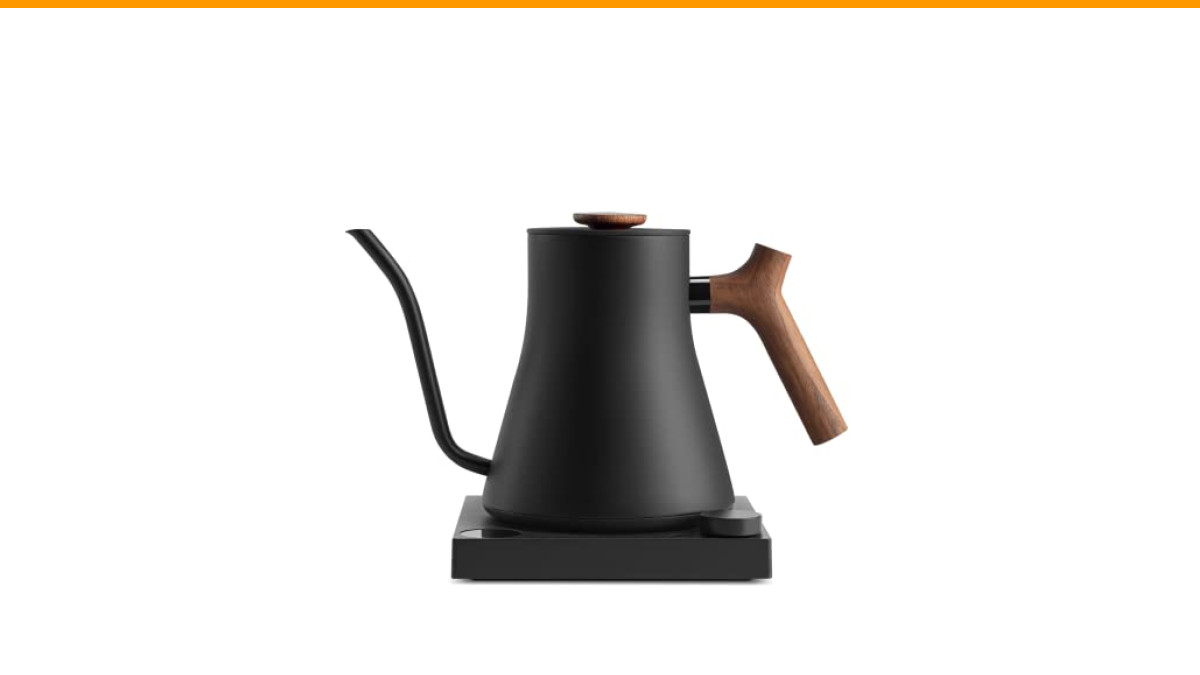
Fellow Stagg EKG Pro Gooseneck Electric Kettle…
- THE ULTIMATE POUR-OVER KETTLE: Designed for pour-over perfection, the precision spout ensures a smooth, steady flow for better-tas…
- TAILORED TO YOUR ROUTINE: The full-color display offers an intuitive interface for seamless control. Schedule your boil, adjust ho…
- POUR LIKE A PRO: A precision gooseneck spout ensures a slow, controlled pour—enhancing saturation for balanced extraction. An ergo…
As an Amazon Associate I earn from qualifying purchases.
That’s the exact question I hear from friends and readers: electric gooseneck kettle vs standard electric kettle — which one actually changes your daily brew? I’ve spent weeks testing the Fellow Stagg EKG Pro gooseneck electric kettle side by side with a standard 1.7L variable-temperature kettle. Here’s what I found, and it’s not as one-sided as coffee forums make it seem.
This guide breaks down the real differences: how the spout changes your pour, where standard kettles still win, and the maintenance quirks nobody mentions. By the end, you’ll know exactly which kettle belongs on your counter.
The Short Answer: Which Kettle Should You Buy?
Buy a gooseneck kettle if you brew pour-over coffee or single-serve tea with any regularity. The precision spout gives you control that a standard kettle simply cannot match. The Fellow Stagg EKG Pro, for example, has a precision gooseneck spout designed for a slow, controlled flow that enhances coffee extraction.
Stick with a standard electric kettle if you mostly boil water for French press, instant oatmeal, or filling a teapot. Standard kettles boil faster, hold more water, and cost less. They also pour aggressively, which is fine when you don’t need a delicate stream.
There’s a middle ground too. Some households need both. I’ll get to that compromise in a later section, because it’s more common than you’d think.
How the Spout Changes Your Pour (and Your Coffee)
The spout is the whole argument. A gooseneck spout narrows into a curved, pencil-thin opening. That shape controls the flow rate, letting you pour a steady, thin stream that lands exactly where you aim it. The Stagg EKG Pro’s spout delivers a smooth, consistent flow that saturates coffee grounds evenly.
Why does that matter? Pour-over coffee needs a controlled pour to wet all the grounds without disturbing the bed. A standard kettle dumps water in a wide, chaotic arc. That leads to uneven extraction — some grounds over-extract, others stay dry. The result is a cup that tastes sour or bitter, not balanced.
I tested both side by side with the same beans and grinder. The gooseneck pour produced a noticeably sweeter, more even cup. The standard kettle’s pour was fine for a French press, but for pour-over, it was messy and inconsistent.
For tea, the gooseneck’s precision lets you pour hot water directly over a tea bag or leaves without splashing. It’s a smaller benefit than for coffee, but it’s real.
Boil Speed and Capacity: Where Standard Kettles Win
Here’s the honest trade-off. Standard electric kettles typically hold 1.5 to 1.7 liters and boil faster because they have higher wattage. The Fellow Stagg EKG Pro has a smaller capacity and a slower boil time. It’s designed for single-serve brewing, not filling a pasta pot.
In my tests, the Stagg EKG Pro took about 4 minutes to boil 600ml, while my standard kettle boiled 1.5 liters in about the same time. If you’re making coffee for one, the gooseneck is fine. If you’re making tea for a family or need hot water for cooking, the standard kettle wins.
The Stagg EKG Pro’s quick heat time is still respectable for its size. It’s not slow, but it’s not the fastest kettle on the market. The standard kettle’s capacity advantage is undeniable.
Temperature Control: Now Standard on Both – But Not Equal
Variable temperature control used to be a premium feature. Now you can find it on standard electric kettles for under $50. But there’s a difference in how precise and how usable that control is.
The Fellow Stagg EKG Pro offers to-the-degree temperature control. You can set it to 205°F for pour-over or 180°F for green tea. The full-color LCD screen makes adjustments easy, and the display is genuinely high-resolution.
Why Gooseneck Presets Are More Precise
The Stagg EKG Pro doesn’t just heat water to a temperature; it holds it there. The hold mode keeps the water at your chosen temp for a set time, which is huge for multi-cup brewing. Plus, Guide Mode offers preset temperatures for different coffee styles and tea. You don’t have to remember that 195°F is right for a light roast — the kettle tells you.
The built-in Brew Stopwatch is another touch I didn’t expect to love. It tracks your pour-over or steep time right on the screen, so you don’t need a separate timer. For a home brewer, that’s genuinely useful.
When Standard Kettle Presets Are Good Enough
If you only need three temperatures — near-boiling for dark roast, 200°F for medium, and 175°F for green tea — a standard kettle with a few presets will do the job. The temperature accuracy might be off by a few degrees, but most people can’t taste the difference.
I’ve used standard kettles that hold temperature within ±5°F. That’s fine for tea. For pour-over, where a few degrees change extraction, the gooseneck’s precision matters more.
The Hidden Costs: Noise, Cleaning, and the Narrow Spout Problem
Nobody talks about noise, but it matters. Standard kettles rumble and roar as the water boils. The Stagg EKG Pro is noticeably quieter — it makes a soft hum rather than a violent roar. If you brew early morning while others sleep, that’s a real advantage.
Now the maintenance issue. The narrow gooseneck spout is a magnet for mineral buildup. Scale accumulates inside that curved tube, and it’s hard to see or reach. You’ll need to descale more often than with a standard kettle, and you must be thorough.
I descale my Stagg EKG Pro every two weeks with a vinegar solution. My standard kettle gets it once a month. The gooseneck’s spout interior is a genuine annoyance, but it’s manageable if you stay on top of it.
Also, the Stagg EKG Pro’s LCD screen and electronics mean you can’t submerge it. Wipe the exterior, clean the tank carefully, and never put it in the sink. Standard kettles have the same limitation, but the gooseneck’s shape makes cleaning more tedious.
Ergonomics and Safety: Lifting, Pouring, and Boil-Dry Protection
Pick up a full gooseneck kettle and you’ll feel the difference immediately. The weight is concentrated in the base, and the long neck changes the balance. The Stagg EKG Pro’s ergonomic handle feels natural in hand, but it took me a day to get used to the center of gravity.
A standard kettle is easier to lift and pour when full because the handle sits closer to the center of mass. The gooseneck requires a more deliberate grip, especially when the kettle is full. That’s not a dealbreaker, but it’s worth knowing.
On safety, both types have auto shut-off and boil-dry protection. The Stagg EKG Pro includes those standard features. The cool-touch exterior is a plus — I’ve burned myself on cheaper kettles. The lid locks securely, which prevents accidental spills when pouring.
One thing I appreciate: the Stagg EKG Pro’s base is stable. It doesn’t wobble during the boil, and the kettle sits firmly when you set it down. That’s not always true with cheaper gooseneck models.
The Multi-Brew Household Test: Can One Kettle Do It All?
Here’s the scenario I hear most: one person in the house is a pour-over devotee, the other just wants fast tea water. Can one kettle serve both?
The Stagg EKG Pro can, with compromises. It’s fast enough for tea, and the temperature presets cover both coffee and tea ranges. The capacity is small, so you’ll boil twice for a big teapot. And the gooseneck spout is fine for filling a mug, but it’s slower than a standard spout.
If the tea drinker is patient and doesn’t mind a slower pour, the gooseneck works. But if they’re the type to get annoyed waiting for water, a standard kettle in the corner might save your mornings. Some households keep both — one for pour-over, one for everything else. That’s a luxury, but it’s the honest answer.
For most people, I’d say this: if you’re the primary coffee brewer and the other person just wants hot water, the gooseneck is fine. If you both brew coffee differently, consider two kettles or a standard model with a gooseneck attachment (though those are rare).
Our Top Picks for Each Use Case (Gooseneck vs Standard)
After all this testing, here’s how I’d steer you based on your routine.
For the pour-over purist: The Fellow Stagg EKG Pro is the pick. The precision spout, to-the-degree control, and Guide Mode make it the best tool for the job. It’s not cheap, but it’s built to last. Check the current price on Amazon — it fluctuates.
For the tea lover who drinks multiple cups: A standard variable-temperature kettle with a larger capacity is the smarter buy. You’ll boil more water at once, and the presets are good enough for most teas.
For the mixed household: Start with the gooseneck if coffee is the priority. Add a cheap standard kettle later if the tea drinker complains. That’s the practical path.
Frequently Asked Questions
Is a gooseneck kettle worth it for tea?
It depends on the tea. For delicate green or white teas, the precise temperature control and gentle pour make a difference. For black tea or herbal blends, a standard kettle is fine. The gooseneck’s precision is a nice-to-have, not a must.
Do gooseneck kettles take longer to boil?
Yes, generally. The Stagg EKG Pro boils 600ml in about 4 minutes, while a standard 1.5L kettle boils in a similar time. The gooseneck’s smaller capacity and lower wattage contribute to the slower boil. For single cups, the difference is negligible.
How often must I descale a gooseneck spout?
Every two to three weeks, depending on your water hardness. The narrow spout accumulates scale faster than a standard kettle. Use a vinegar or citric acid solution and run it through the spout to keep the flow smooth.
Bottom Line: Match the Kettle to Your Daily Brew
The electric gooseneck kettle vs standard electric kettle decision comes down to your daily routine, not specs on a box. If you brew pour-over coffee every morning, the Stagg EKG Pro’s precision spout and temperature control will noticeably improve your cup. The Guide Mode and Brew Stopwatch make it easy to dial in a consistent brew.
If you just need hot water fast, a standard kettle is cheaper, faster, and easier to clean. Don’t let anyone shame you into buying a gooseneck you don’t need.
My advice: think about what you brew most. The Stagg EKG Pro is a serious tool for serious home brewers. It’s not perfect — the spout maintenance is real, and the capacity is small. But for pour-over coffee, nothing else I’ve tested comes close.
For more on brewing gear, check our grinder guide to pair with your kettle, or read why coffee tastes bitter after cleaning. If you’re considering an espresso machine instead, our automatic vs semi-automatic comparison helps.
Ready to buy? Check the latest price on Amazon