You pull a shot of espresso and it tastes like yesterday’s sadness. Slightly bitter, a little flat, with an oily note that wasn’t there this morning. You’ve dialed in the grind size, checked the water temperature, and the beans are fresh. The culprit is probably hiding in the grinder chute, where stale coffee dust has been sitting for days.

Fino
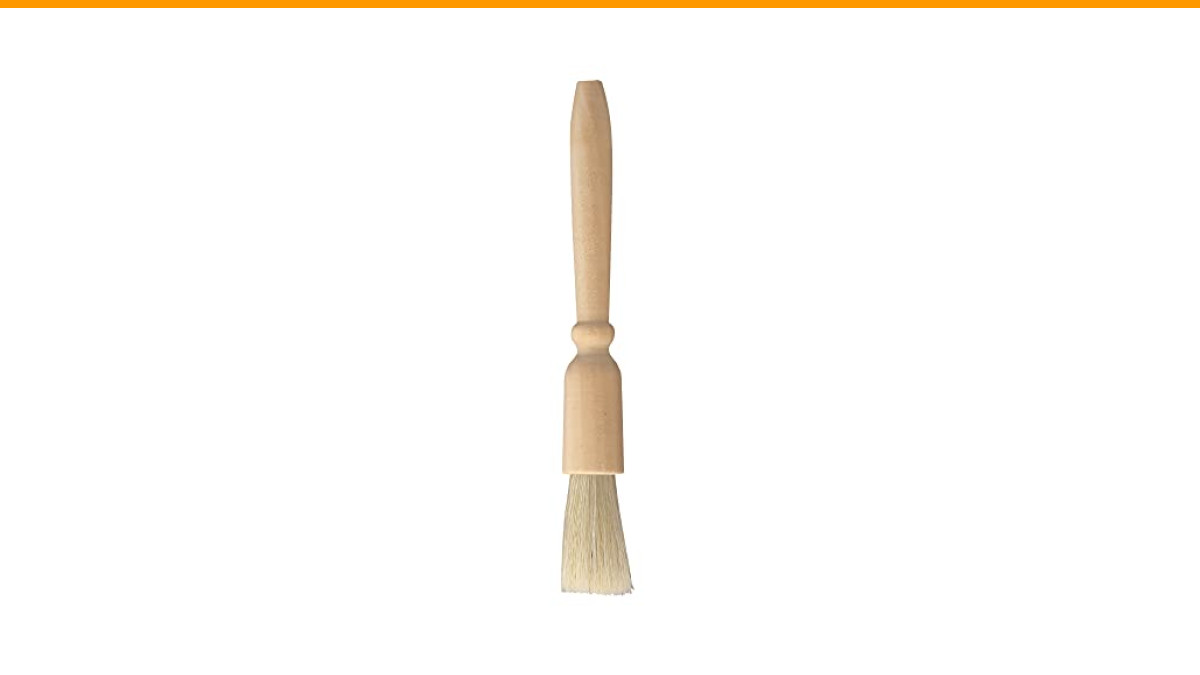
Fino Coffee Grinder Cleaner and Pastry Brush,…
- Fino’s Coffee Grinder Brush for quickly removing ground coffee particles from inside grinders and around the blades without causin…
- Made from natural boar bristles and wood handle; durable, flexible, reusable, and long lasting; compact for easy storage; measures…
- Easily clean blade and burr-style coffee grinders of finely ground coffee dust; leaves precious coffee bean oils behind to help ma…
As an Amazon Associate I earn from qualifying purchases.
That’s the problem this whole coffee grinder brush vs coffee grinder cleaning tablets debate tries to solve. Most home baristas ignore grinder maintenance until something tastes off. Then they panic-buy a cleaning product without understanding what they actually need.
Here’s the truth: a brush and a tablet do completely different jobs. One removes physical debris. The other dissolves oils and residue you can’t see. Neither alone keeps a grinder truly clean. But most people buy one and call it done. Let’s fix that.
The Real Difference: Physical Removal vs. Chemical Absorption
The Fino Coffee Grinder Cleaner and Pastry Brush uses natural boar bristles on a wooden handle. It measures 7.5 inches long, which is compact enough to keep in a drawer next to your scale. The bristles are stiff enough to dislodge ground coffee particles but flexible enough not to scratch the burrs or blades.
That’s physical removal. You sweep, and the coffee dust comes out. Simple, immediate, and repeatable.
Cleaning tablets like Grindz work differently. You run them through the grinder while it’s on, and they absorb the coffee oils that cling to the burrs and the inside of the chute. Those oils go rancid over time and make your coffee taste stale, even with fresh beans. A brush can’t get those oils out because they’re smeared into the metal surfaces, not sitting loose on top.
So the brush handles the dry stuff. The tablet handles the oily stuff. They’re not competing products. They’re two halves of the same job.
When a Brush Wins (And When It Fails)
The Fino brush works on conical burr grinders that see two or three doses a day. After a week without cleaning, the chute had a visible layer of fine coffee dust. The brush swept it out in about ten seconds. The boar bristles flexed enough to get into the crevices around the burr carrier, and the wooden handle gave me a solid grip. The contoured shape actually fits your hand better than you’d expect from a $10 tool.
It also works on blade grinders, which is where tablets get messy. Blade grinders have that center post and a removable lid, and coffee dust gets packed into every seam. The brush reaches where a cloth can’t. And because the bristles are natural, they don’t create static electricity the way synthetic nylon brushes do. Less static means less coffee dust clinging back to the metal after you sweep.
Here’s where it fails: it can’t touch the oils. After a month of daily use, the burrs looked clean after brushing, but the first shot still tasted slightly dull. The brush left coffee bean oils behind, which the product description actually says it does on purpose. That’s fine for preserving flavor in the short term. But those oils build up, and eventually you need something stronger.
The brush also won’t clean the inner burr carrier on most grinders unless you disassemble the grinder completely. On my espresso grinder, the upper burr comes out easily, but the lower burr carrier is a pain. The brush reaches the edges but not the deep ridges. That’s where tablets shine.
When Tablets Are Non-Negotiable
If you only drink drip coffee and you clean your grinder once a month, you might get away with a brush alone. But if you pull espresso shots, you need tablets. Here’s why.
Espresso extraction is sensitive. A tiny amount of stale coffee oil in the grinder chute can throw off your shot timing by a second or two. That changes the flavor from sweet to bitter. Drip coffee masks those differences because the extraction is less concentrated. Espresso doesn’t hide anything.
Tablets are also the only practical way to clean the grind chamber without taking the whole grinder apart. You drop a tablet in the hopper, run the grinder, and the absorbent material pushes through the burrs and chute, pulling oils along with it. Then you grind a few grams of fresh beans to push out any tablet residue.
One thing to note: tablets don’t remove physical debris well. If your grinder has caked-on coffee dust in the chute, the tablet will just push it around. You need the brush first to clear the loose stuff, then the tablet to absorb the oils. That’s the order that actually works.
The Hybrid Routine: A Step-by-Step Weekly/Monthly Plan
You don’t have to choose one or the other. The best routine uses both, on different schedules. Here’s what I do, and what I’d recommend for most home users.
Daily: 10-Second Brush Sweep
After your last shot of the day, take the Fino brush and sweep the chute, the burr carrier, and the area under the hopper. Ten seconds. That’s it. This removes the loose coffee dust that would otherwise sit overnight and go stale.
The boar bristles handle this perfectly. They’re firm enough to dislodge the dust but soft enough not to scratch the burr coating. And because the brush is reusable, this daily habit costs you nothing after the initial purchase.
Weekly: Disassembly and Deep Brush
Once a week, take the grinder apart as far as the manual allows. Remove the hopper, the upper burr, and any removable chute parts. Use the brush to sweep each piece thoroughly. Pay attention to the ridges on the burrs where coffee dust packs in.
This is also a good time to check for any buildup you missed during the daily sweep. The Fino brush’s 7.5-inch length makes it easy to reach into the grinder body without sticking your fingers in there. Hand wash it in warm soapy water afterward, let it dry, and it’s ready for next week.
Monthly: Tablet Run and Flush
Once a month, run a cleaning tablet through the grinder. Follow the tablet manufacturer’s instructions, but the general flow is: grind the tablet, then grind a few grams of fresh coffee to flush the residue out.
Before you run the tablet, do a quick sweep with the brush to remove loose debris. The tablet works better when it’s not fighting against a pile of dry coffee dust. After the tablet run, do another light brush sweep to catch anything the tablet pushed loose.
This monthly routine takes about five minutes and keeps the oils from building up. If you drink espresso daily, you might need to do it every three weeks instead. Pay attention to the taste of your shots. When they start tasting dull, that’s your signal.
Grinder Type Matters: Conical, Flat, and Blade
Not all grinders clean the same way. The type of grinder you own changes which tool matters more.
| Grinder Type | Brush Priority | Tablet Priority | Why |
|---|---|---|---|
| Flat Burr (Espresso) | High | High | Flat burrs have wide surfaces where oils spread thin. Both tools needed equally. |
| Conical Burr (Drip/Espresso) | Medium | High | Conical burrs trap oils in the deeper ridges. Tablets reach where brushes can’t. |
| Blade (Budget) | High | Low | Blade grinders have no burrs to protect. Brush removes debris; tablets are overkill. |
If you own a blade grinder, the Fino brush is honestly the only tool you need. Blade grinders chop coffee randomly, so there’s no consistent surface for oils to build up on. A quick sweep after each use keeps things fresh enough.
For conical burr grinders, the brush handles the daily dust, but the monthly tablet is essential. The oils sink into the grooves of the conical burr and affect flavor over time.
Flat burr grinders are the most demanding. They have large flat surfaces that hold oils evenly, which means those oils go rancid faster. You need both the brush and the tablet on a regular schedule. If you’re still deciding between grinder types, check our burr grinder vs blade guide for the full breakdown.
The Cost and Environmental Trade-Off
Let’s talk money, because this matters more than most reviews admit.
A brush like the Fino costs a few dollars and lasts for years. The boar bristles don’t wear out quickly, and the wooden handle doesn’t crack if you dry it properly. You buy it once, use it daily, and forget about it. The environmental impact is essentially zero, and the materials are biodegradable.
Cleaning tablets are single-use. You buy a jar, use one tablet per month, and buy another jar when it runs out. The cost per clean is low, but it adds up over a year. And every tablet is waste. Some brands use recyclable packaging, but the tablets themselves go into your compost or trash.
Here’s the honest math: the brush saves you money on daily maintenance. The tablet costs money but does a job the brush can’t. Most home users need one brush and one jar of tablets per year. The brush is the better value per use. The tablet is the necessary expense for flavor quality.
If you’re on a tight budget, start with the brush. It handles 80% of the cleaning problem. Add tablets later when you notice the flavor going dull.
What the Fino Brush Does Well (and What It Doesn’t)
The Fino brush is a simple tool, and that’s its strength. The natural boar bristles are stiff enough to dislodge ground coffee particles without scratching the burrs. The wooden handle is comfortable, and the contoured shape gives you control when sweeping tight spaces.
It’s also a dual-purpose tool. The product description mentions it works as a pastry brush, and that’s not just marketing fluff. Use it to glaze a loaf of bread with egg wash, as the boar bristles spread the liquid evenly. If you bake, this brush earns its place in the kitchen even beyond coffee.
But it’s not perfect. The bristles are natural, so they absorb odors over time. If you use it for pastry and coffee, the coffee oils will linger on the bristles and transfer to your food. You need to wash it thoroughly between uses, which is a hassle. I’d recommend buying two if you plan to use it for both purposes.
It also won’t deep-clean your grinder by itself. The brush leaves coffee bean oils behind by design, which helps maintain flavor in the short term. But those oils accumulate, and you’ll still need tablets or a full disassembly to remove them.
Who Should Buy This Brush (and Who Should Skip It)
Buy the Fino brush if you grind coffee daily and want a quick, no-fuss way to keep your grinder clean between deep cleans. It’s ideal for home users who don’t want to disassemble their grinder every day but still care about flavor consistency. It’s also a great choice if you bake and want a multi-purpose kitchen tool.
Skip it if you only grind coffee occasionally, like once a week. A quick tap on the counter and a paper towel wipe is probably enough for that usage level. You won’t get enough benefit from a dedicated brush.
Skip it if you’re looking for a complete cleaning solution. The brush alone won’t remove coffee oils, and if you never use tablets or disassemble your grinder, the flavor will still degrade over time. This brush is a maintenance tool, not a cure-all.
If your grinder is already clogged or has a serious oil buildup, don’t start with the brush. You’ll need tablets or a full disassembly first. Once it’s clean, the brush will keep it that way.
FAQ: Can Tablets Replace a Brush? Is One Enough?
Can I use only cleaning tablets and skip the brush?
Technically yes, but you’ll get worse results. Tablets absorb oils but don’t remove loose coffee dust well. If you run a tablet through a grinder full of dry grounds, the tablet pushes the dust around and leaves clumps in the chute. You still need a brush to clear the loose material first. The two tools work together, not as substitutes.
How often should I use the brush versus the tablets?
Use the brush daily, after your last grind of the day. It takes ten seconds. Use tablets monthly, or every three weeks if you pull espresso shots daily. The brush handles the frequent light cleaning. The tablet handles the infrequent deep cleaning.
Will the brush scratch my burrs?
No, if you use it properly. The Fino brush uses natural boar bristles, which are softer than the metal burrs. You’d have to press extremely hard to cause any damage. Just sweep normally, and the bristles flex around the burr edges instead of digging into them.
Can I use the brush on a wet or damp grinder?
No. The brush is for dry cleaning only. Water and coffee grounds create a paste that’s hard to remove and can damage the grinder’s motor over time. Always use the brush on a dry grinder. If you need to clean a wet grinder, disassemble it and wash the parts separately, then dry them completely before reassembling.
How do I clean the brush itself?
Hand wash it in warm, soapy water, then let it air dry. Don’t soak it for long periods, as the wooden handle can warp. Don’t put it in the dishwasher. With proper care, the boar bristles will last for years without shedding.
The Bottom Line: Your Grinder’s Flavor Ceiling
Your grinder is the most important piece of equipment in your coffee setup. It determines the extraction quality more than the machine itself. But every grinder accumulates stale coffee oils and dust that drag down flavor over time. That’s the real enemy, and neither a brush nor a tablet alone can defeat it.
The Fino brush is the right daily tool. It’s cheap, reusable, and does exactly what it promises. For the cost of a bag of beans, you get years of daily cleaning that preserves the flavor of everything you grind afterward.
Tablets are the right monthly tool. They cost more per use and create waste, but they dissolve oils that a brush physically can’t reach. If you care about espresso flavor, you need both.
Start with the brush. Use it daily. Add tablets monthly. That combination keeps your grinder clean enough that every shot tastes like the beans deserve. And if you’re still struggling with bitter or stale flavors after cleaning, check our guide on why coffee tastes bitter after cleaning for the next step.
For a full walkthrough of the entire cleaning process, including disassembly and reassembly, read our coffee grinder cleaning guide. It covers the exact steps for both blade and burr grinders.
One last note: the brush is worth buying even if you already own tablets. It makes the tablet work better, and it keeps your grinder fresher between deep cleans. The two tools aren’t competitors. They’re a team.
Ready to buy? Check the latest price on Amazon
Sponsored / affiliate links. As an Amazon Associate I earn from qualifying purchases. I may earn additional commission from eligible campaigns.Products related to this article