You pull the basket out, and there it is — a tear in the mesh, a crack in the plastic frame, or a handle that snapped clean off. Your first thought is usually, “Do I really need to buy another one?” The answer depends on the damage. Some breaks are fixable in five minutes with basic tools. Others are a sign the filter has reached the end of its life.
This guide walks through the common failure points on reusable coffee filters, what you can safely repair at home, and what you should stop using immediately. You’ll also learn why some repairs actually make your coffee taste worse — and why a $15 replacement is sometimes the smarter call.
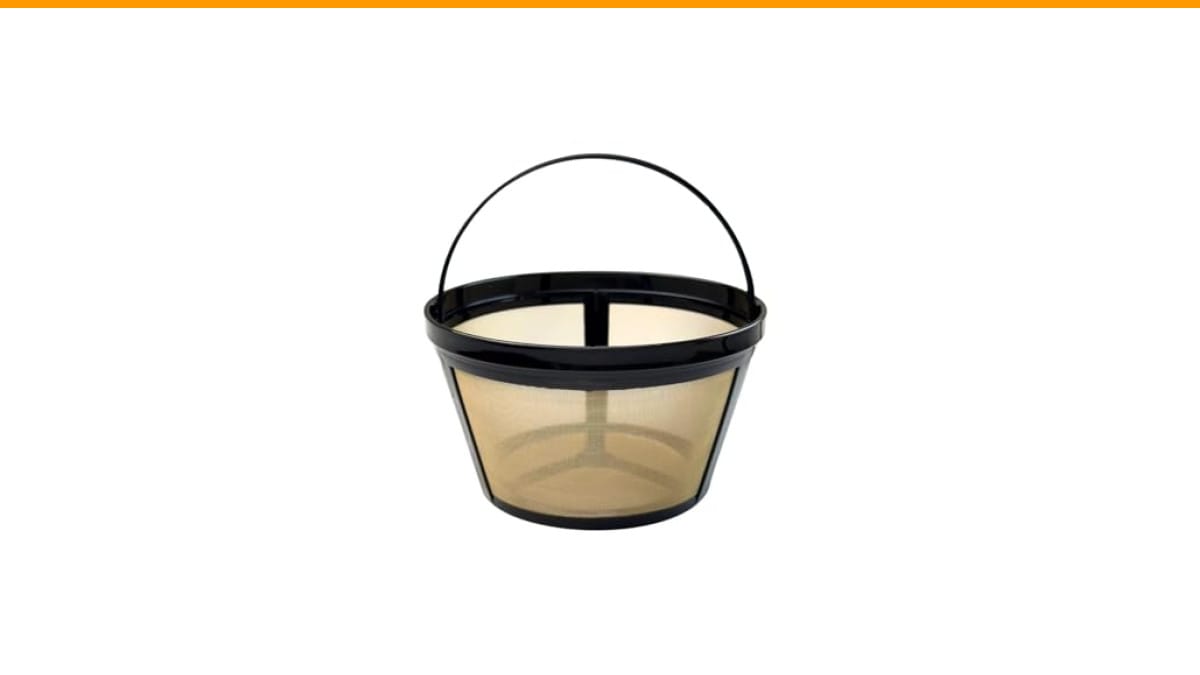
If you’re shopping for a new one anyway, the Check Price on Amazon is a solid option worth checking. It fits most standard basket-style brewers from Mr. Coffee, Black+Decker, and Proctor Silex, and the 304 steel mesh does a noticeably better job than the cheap nylon filters that tear after a few months.
What Actually Breaks on a Reusable Coffee Filter
Reusable filters fail in predictable ways. Knowing the weak points helps you spot trouble before it ruins a pot of coffee.
Torn or Ripped Mesh
This is the most common failure. The fine steel or nylon mesh develops a pinhole, then a tear. Coffee grounds start slipping through, and your cup turns gritty. Nylon mesh tears more easily than steel, but even 304 stainless mesh will eventually fatigue at the crease points where the basket flexes.
Cracked Plastic Frame
The plastic rim that holds the mesh is the second most common break. It usually cracks near the handle or at the corners where the plastic is thinnest. A hairline crack might not leak grounds immediately, but it will widen with every wash.
Broken Handle
Handles snap off when you’re trying to wiggle a stuck basket loose. Some handles are molded into the frame, which means a broken handle is usually a death sentence for the filter. Others are separate pieces that can be reattached.
Warped or Bent Shape
Leaving the filter in a hot dishwasher or pressing down too hard while leveling grounds can warp the basket. A warped filter no longer seats properly in the brew basket, which causes water to channel around the edges instead of through the coffee.
Myth: You Can Fix Any Tear with Super Glue
Super glue is not your friend here. Most cyanoacrylate adhesives are not food-safe once cured, and they definitely don’t handle boiling water well. The glue degrades, leaches into your brew, and creates a sticky mess that traps coffee oils. You don’t want that in your morning cup.
Food-safe silicone adhesive can work for small cracks in the plastic frame, but it’s a temporary fix at best. The bond won’t hold up to repeated thermal cycling — the constant expansion and contraction from hot water and cold rinses will break the seal within a few weeks.
For mesh tears, there is no reliable adhesive repair. Patching a tear with a piece of cloth or paper filter changes the flow rate and leaves a weak spot that will fail again. The mesh is under constant pressure from water and grounds; any patch is just a delay.
So what’s actually worth fixing? Let’s break it down.
| Damage Type | Repairable? | Best Fix | When to Replace |
|---|---|---|---|
| Tiny pinhole in mesh | No | None — replace the filter | Immediately, once grounds appear in the pot |
| Small crack in plastic frame | Yes (temporary) | Food-safe silicone adhesive | When crack widens or leaks grounds |
| Broken handle | Depends | Epoxy for separate handles | If handle is molded into frame |
| Warped basket | No | None — replace | When it no longer sits flat in the brew basket |
| Clogged mesh (not broken) | Yes | Deep clean with vinegar or descaling solution | If cleaning doesn’t restore flow after 3 attempts |
When a Crack Is Actually Worth Fixing
A hairline crack in the plastic frame is the one repair that makes sense. If the crack doesn’t reach the mesh and the filter still holds its shape, you can extend its life for a few more weeks.
Here’s the step-by-step:
- Wash the filter thoroughly with warm soapy water and dry it completely. Any moisture prevents adhesion.
- Sand the cracked area lightly with fine-grit sandpaper (220 grit works) to give the adhesive something to grip.
- Apply a thin bead of food-safe silicone adhesive (like the kind used for aquarium repairs) along the crack.
- Press the crack closed and hold for 60 seconds.
- Let it cure for 24 hours before using the filter again.
That fix buys you time, but it’s not permanent. Start shopping for a replacement the same day. The silicone will degrade eventually, and you don’t want to discover that on a busy Monday morning.
For broken handles, check if the handle is a separate piece that slots into the frame. Some models have a small screw or rivet holding it. If you can reattach it with a food-safe epoxy and a clamp, that’s a legitimate repair. If the handle is molded as one piece with the frame, skip the repair — it will keep breaking.
One more thing: never use a filter with a cracked frame in a pressure-based brewer. The crack can fail under pressure and send hot grounds everywhere. Stick to drip machines for any repaired filter.
Myth: A Clogged Filter Is Broken and Needs Replacing
Slow dripping isn’t a broken filter — it’s a clogged one. Coffee oils, mineral scale, and micro-grounds accumulate in the mesh over time. The holes don’t actually close, but the oily film reduces flow dramatically.
Before you toss a slow filter, try this cleaning method:
- Rinse the filter under hot running water to remove loose grounds.
- Soak it in a 1:3 solution of white vinegar to water for 30 minutes.
- Scrub gently with a soft toothbrush, working in circles across the mesh.
- Rinse thoroughly and check the flow by running water through it.
If the flow is still slow, repeat the soak. For stubborn buildup, a dedicated descaling routine works well on the filter too. Most filters respond to this treatment. If you’ve tried it three times and the flow hasn’t improved, the mesh is likely coated beyond recovery — that’s when replacement is justified.
Regular cleaning prevents this. Rinse the filter immediately after each use and give it a deep soak once a week. This is the same principle as keeping your coffee maker clean — preventive maintenance beats emergency repairs every time.
How to Choose a Replacement That Won’t Break in Six Months
If you’re replacing a broken filter, don’t just grab the cheapest option. The build quality varies wildly between brands, and the cheap ones fail in the exact same way your old one did.
Look for three things:
- 304 stainless steel mesh — this grade resists corrosion and holds its shape better than nylon or lower-grade steel.
- A reinforced plastic frame — thicker plastic around the handle and corners means fewer stress fractures.
- A shape that matches your brew basket — a filter that’s too small will shift during brewing and tear at the edges.
The Tronmei filter checks those boxes. It uses food-grade 304 steel for the mesh and a BPA-free plastic frame with a heat-resistant handle. It’s specifically sized for 8-12 cup basket brewers, so it seats properly without wobbling. That proper fit is what prevents a lot of premature wear.
One thing to verify before buying: measure your current filter or brew basket. The Tronmei measures 4.5 inches at the top, 3.2 inches at the base, and 2.5 inches tall. If your machine uses a smaller 4-6 cup basket, this filter won’t fit. Double-check your machine’s manual before ordering.
Prevention: How to Make Your Next Filter Last Years
Most reusable filters fail because of how they’re handled, not because they’re defective. A little care goes a long way.
Rinse the filter immediately after brewing. Dried coffee grounds are abrasive and accelerate mesh wear. A quick rinse under the tap takes ten seconds and prevents most buildup.
Don’t tap the filter against the sink edge to knock out grounds. That impact stress cracks the plastic frame over time. Instead, use a soft spatula or your fingers to scoop the grounds into the trash.
Avoid the dishwasher if the filter has any plastic components. The high heat and harsh detergents degrade plastic and can warp the frame. Hand washing with a soft sponge is safer. If you must use the dishwasher, place the filter on the top rack — but know that the heat will eventually take its toll.
Store the filter in a dry place when not in use. Leaving it sitting in a damp brew basket invites mold and mineral buildup, which is a whole different problem. A dry filter is a clean filter.
If you notice a change in flow rate or a few grounds in your cup, inspect the filter immediately. Catching a pinhole early means you can replace it before it becomes a tear that sends grounds into your entire pot.
And keep your coffee maker itself in good shape. A dirty machine can cause uneven water distribution, which puts extra stress on the filter. Follow a regular coffee maker cleaning schedule to keep everything working together.
Frequently Asked Questions
Can I use a paper filter inside a broken reusable filter?
You can, but it defeats the purpose. The paper catches grounds, but the broken mesh won’t hold its shape, so water will channel around the edges. The brew will be weak and uneven. Just replace the filter.
Is it safe to keep using a filter with a small crack?
A hairline crack that doesn’t leak grounds is safe in a drip brewer, but it’s a ticking clock. The crack will widen with heat and washing. Replace it as soon as you can.
Does a torn mesh filter affect the taste of coffee?
Yes. Grounds in your cup make it bitter and gritty. Even a tiny pinhole lets fine particles through that over-extract in the water. The taste issue is usually the first sign of a tear.
How long should a reusable coffee filter last?
With regular rinsing and hand washing, a good stainless steel filter should last 12 to 24 months of daily use. Nylon filters wear out faster, often within 6 to 12 months. The Tronmei’s 304 steel mesh is on the durable end of that range.
Can I repair a filter with a soldering iron?
Don’t. Melting plastic with a soldering iron creates toxic fumes and leaves a rough surface that traps coffee oils. You’ll also weaken the surrounding plastic. It’s not a repair — it’s a new problem.
What to Do Next
- Inspect your filter monthly for pinholes, cracks, and warping — catch problems early.
- Clean a slow filter with vinegar before assuming it’s broken.
- Repair only hairline cracks with food-safe silicone; replace anything worse.
- Rinse your filter immediately after each brew and hand wash it weekly.
- Don’t tap the filter to remove grounds — use a spatula.
- Measure your brew basket before buying a replacement to ensure a proper fit.
- If you’re replacing, choose 304 stainless steel mesh with a reinforced frame.
A broken reusable coffee filter is rarely a catastrophe. Most failures are clear signals that the filter has done its job and earned a retirement. The good news is that replacements are affordable, and the savings from skipping paper filters adds up fast. Check the current price on Amazon for the Tronmei reusable filter and get back to brewing without the grit.
Products related to this article
Sponsored / affiliate links. As an Amazon Associate I earn from qualifying purchases. I may earn additional commission from eligible campaigns.
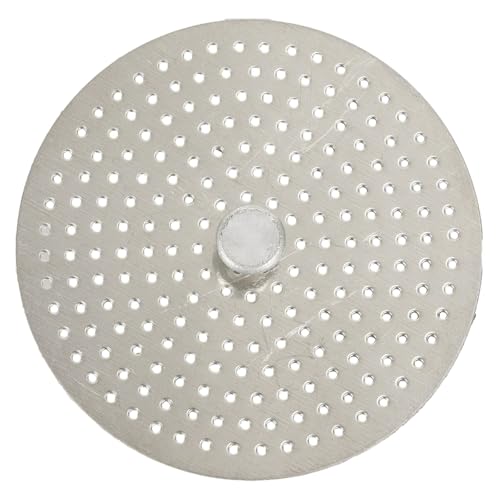 Stainless Steel Moka Pot Coffee Filter Disc for Espresso Brewing, Coffee Maker Replacement Filter Plate for Home Office Coffee Bar Cafe (FOR 4 Cups)
 Coffee Pot Handle Replacement, Black Plastic Parts for Espresso Moka Pot, 1 3 6 9 12 Cup Capacity,Easy Install(3 Cup)
 TesQita Extra Large Silicone Spatula Turner Set with Wooden Handle